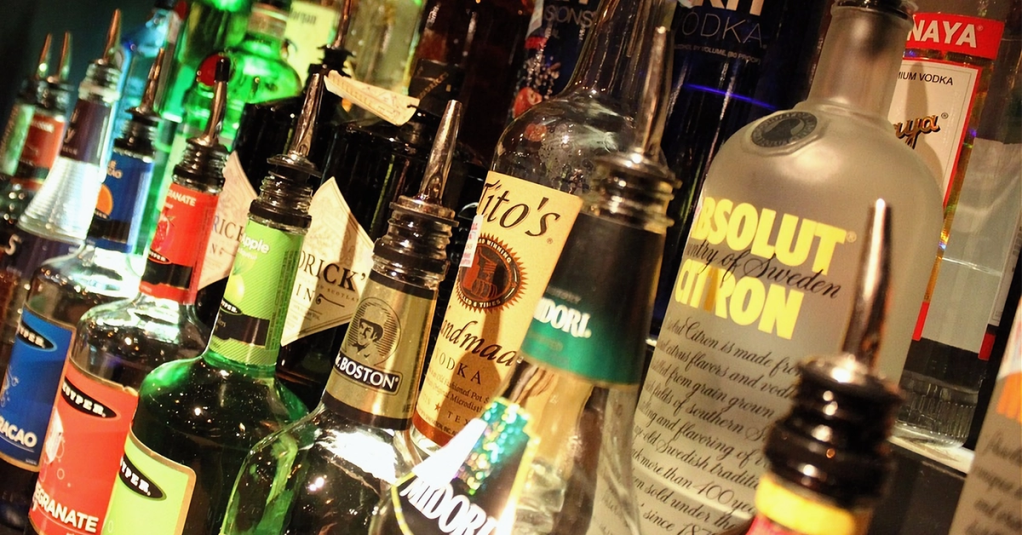
The modern American drinker lives in a strange little funhouse. On one hand, there’s the glossy, aspirational cocktail culture, all smoked ice cubes and bitters with origin stories. On the other is the hangxiety, the 3 a.m. doom scroll, the creeping suspicion that your “one or two” has a tendency to breed in the dark.
Related: This is what happened when the Navy banned alcohol on its ships
America loves a clean redemption arc. Hit rock bottom, swear off the booze, join a tribe, and never touch the stuff again. Katie Herzog’s book, “Drink Your Way Sober: The Science-Based Method to Break Free from Alcohol,” doesn’t necessarily bend that arc, but it does offer another way forward. You can break alcohol’s hold on you while you still drink. Not by manifesting anything, but by changing the brain’s reward math.
The pitch might irritate the Puritans, but Herzog’s on-ramp is personal and unglamorous in the way that makes it credible. She grew up around drinking, started early, and didn’t need a dramatic rock-bottom moment to qualify for the club. When the COVID-19 pandemic arrived, it did for her what it did for a lot of people: It turned routine into isolation, stress into noise, and that first drink into the start of a daily descent.
“I come from a long line of alcoholics. I had my first drink when I was 12, maybe 13,” Herzog told We Are The Mighty. “I had my first official diagnosis of alcohol use disorder when I was in my early 20s, and I did lots of different treatments over the years, but it was really COVID that I hit a breaking point.”
Exposure from a young age was compounded by COVID restrictions, a layoff, and personal isolation, which turned up the intensity. What started with day drinking moved into secret drinking and became a slow, private slide into the bottle, making her more and more unhappy with every passing day.
“When left to my own devices, I will continually make the worst decisions for myself,” she said. “And so I drank.”
Then comes the hinge of this book: the Sinclair Method. It’s a protocol built around naltrexone, an opioid blocker, and the idea is straightforward. Take the medication before you drink so the brain doesn’t get its usual reward. Repeat it consistently. Over time, the association between alcohol and that warm, reliable payoff weakens. The compulsion fades. What’s left is the goal that sounds minor until you’ve lived the opposite: Alcohol stops being the main character.
“You take a pill, you wait an hour, and then you drink,” she said.
Do that consistently, and the brain gradually stops pairing alcohol with the little reward it chases. In the book, Herzog frames the goal as “extinction,” the point where alcohol doesn’t feel like a reward anymore, and your life stops orbiting the next drink.
“There’s some debate within Sinclair Method circles about sort of the right verbiage to use,” Herzog said. “To me, extinction was a mental state in which I no longer not only craved alcohol, but I no longer thought about alcohol.”
Part of the audacity here isn’t just “you can still drink.” It’s what that permission does to the psychology of quitting. Traditional recovery paths can feel expensive, disruptive, and socially complicated, with a side of moral language that turns relapse into sin.
“The biggest factor is that part of me wanted to quit drinking and knew that I needed to quit drinking, but it was really hard for me to conceptualize a life without alcohol,” Herzog recalled. “With the Sinclair Method, I didn’t actually have to quit drinking. I just had to do it in this very specific way. So it removed the greatest barrier. The barrier was quitting itself.”
She first read about the Sinclair Method in 2015 and picked up a prescription for naltrexone. A journalist and podcaster by trade, Herzog was looking for a solution that didn’t involve just struggling through it, giving it up to God, or going to meetings. The first time she tried it, side effects from the drug derailed her. Picking it up again five years later did the trick.
“I had to take some sort of drastic step,” Herzog said. “It was going to be rehab, which I didn’t want to do, because it was expensive and I would have to go to Minnesota for 30 days, and I don’t want to go to Minnesota.”
Herzog doesn’t pretend that paths like rehab and Alcoholics Anonymous (AA) never work. She treats them like what they are: effective for some, suffocating for others, and too often presented as the only respectable option. The thesis of “Drink Your Way Sober” isn’t anti-AA; it’s offering another way for those who (for whatever reason) aren’t into taking the 12 steps. She’s not advocating against any form of treatment that works for people; she’s just showing us another item on the menu.
“Rehab works really well for some people,” the author said. “AA works for so many people. It’s saved millions of lives. It’s been around for a hundred years. But it doesn’t work for everyone… Even the founder of AA, Bill Wilson, acknowledged in ‘The Big Book’ that science might one day find a cure for alcoholism. He also wrote that AA does not have a monopoly on treatment.”
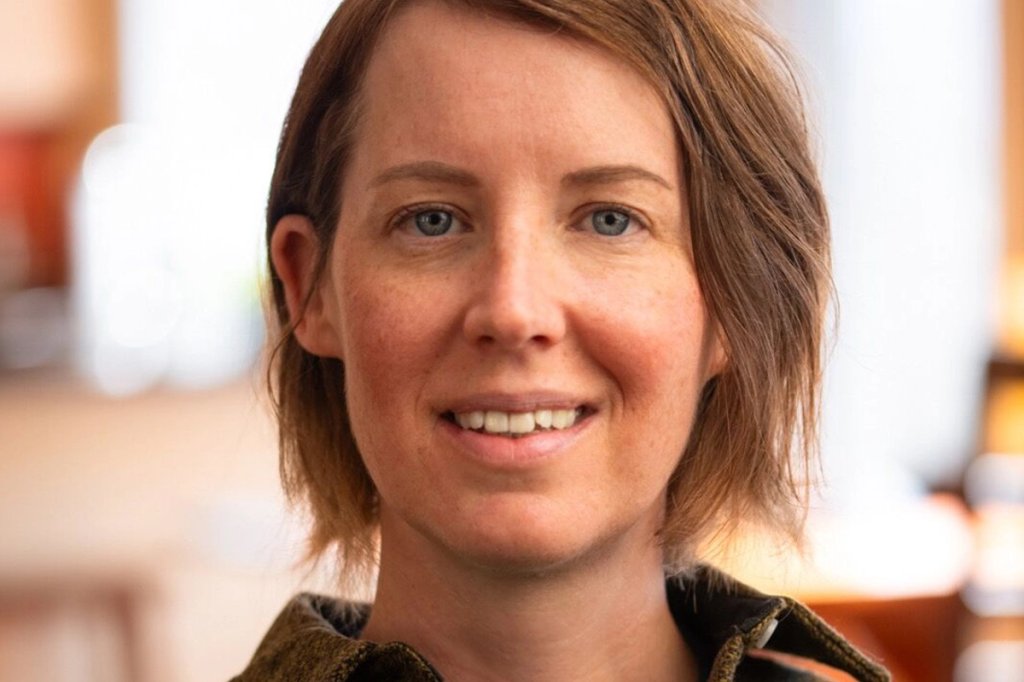
Herzog is careful about the practical stuff, too, because addiction doesn’t respond to inspirational speeches. The Sinclair Method requires the discipline necessary to change a habit. Consistency is key because the method only works if the medication is taken every time you drink. And while the Sinclair Method’s basic protocol was to take the pill, coaches and adherents over the years have also introduced tracking the drinks you take. If you track your drinks, you can chart them.
“The drink chart typically looks like a downward trend,” Herzog said. “And it’s really important to see that downward trend because when you have spikes—and most people will—it’s really easy to get frustrated and say, ‘This isn’t working’ and quit. But if you can see that downward trend over time, even if you have spikes and valleys, the downward trend is there, you’re still on the right path.”
The pill is not a magic wand. Even if the brain’s chemical reward gets muted, life still contains triggers, rituals, boredom, grief, and the part of you that reaches for a drink because it has learned that’s how you get through a day. Herzog and “Drink Your Way Sober” make space for the unsexy truth that habits have to change, too.
Sinclair’s method also includes alcohol-free days. These aren’t designed to be a punishment, but rather a way to build new reward pathways with new routines: exercise, good meals, conversation, hobbies, and anything that pulls you out of the endless internal monologue that makes drinking feel inevitable.
The most persuasive feature of “Drink Your Way Sober” is its tone. It resists the holy-war vibe that clings to a lot of self-help writing. Herzog is funny and talks about relapse with the realism of someone who’s been there for all her own backsliding. Loss happens. Stress happens. People mess up. The question isn’t whether you have the right identity. It’s whether you have a system that still works when the world gets hard.
A sober reader should bring caution to this, because this is medication, not a cleanse. Herzog makes it clear that anyone considering this approach needs to talk to a clinician, especially because naltrexone isn’t appropriate for everyone, and mixing protocols with other medical realities can get complicated fast.
But what’s most persuasive about Herzog’s book is its concrete approach and its treatment of shame as the useless fuel source it is. For the huge population of people who can’t imagine an abstinence-only future without panic, “Drink Your Way Sober” offers a road map instead of a sermon. You don’t need to fight forever. In fact, the fight might be unnecessary.
“Drink Your Way Sober: The Science-Based Method to Break Free from Alcohol” is in bookstores now. For more of Katie Herzog, check out her podcast, “Blocked and Reported” or catch her on Substack.
Don’t Miss the Best of We Are The Mighty
• That time an entire battle stopped to watch two soldiers in a fistfight
• George Washington’s eggnog recipe will destroy you
• The first head of the VA was so corrupt, President Harding tried to kill him
Featured