Therapy looks different for everyone, especially for individual veterans. For some, PTSD treatment means therapy offices, fluorescent lighting, medication they don’t entirely trust, and long waiting lists at the VA (if the VA is even available).
But one program, run by the grandson of one of U.S. military history’s most famous leaders, takes a completely different approach. And science says it’s working.
Also Read: The 8 reincarnations of General George S. Patton
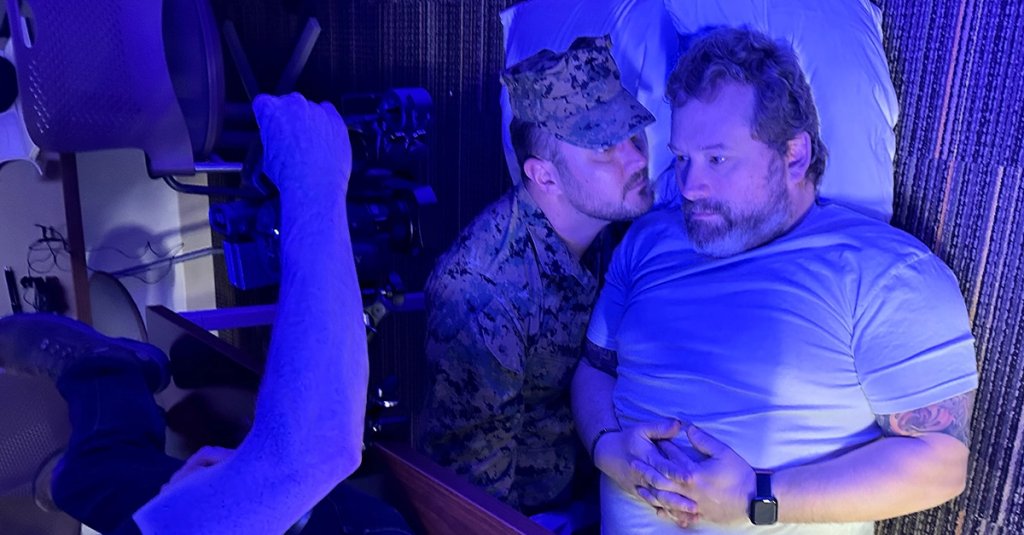
The Patton Veterans Project (PVP) is a nonprofit that uses collaborative filmmaking as a therapeutic pathway for veterans dealing with post-traumatic stress and other service-related mental health challenges. Founded by Benjamin Patton, grandson of Gen. George S. Patton, it combines a career in filmmaking with a family legacy rooted in military service.
For anyone who’s worked on a film crew or in a creative, collaborative environment, the idea makes sense. There are a lot of parallels between small unit military operations and the small unit operations of trying to make a film—especially when it needs to be on time and under budget.
Leave it to filmmaker Benjamin Patton to make that connection and put it into practice.

Helping Veterans heal through Filmmaking Workshops
Patton isn’t trading on his family name for clout or the optics. He built PVP after seeing firsthand the toll that military service takes on the people who survive it. He designed the program to meet veterans where they are rather than where the healthcare system wants them to be.
“Initially, I was focused on combat veterans who just weren’t able to communicate with their family in the same way as when they had left,” Patton told AARP in a 2018 interview. “There were things they experienced that they simply couldn’t articulate in normal conversation. We began to see that the medium of film could be a wonderful conduit for a veteran to express something without even having to use words.
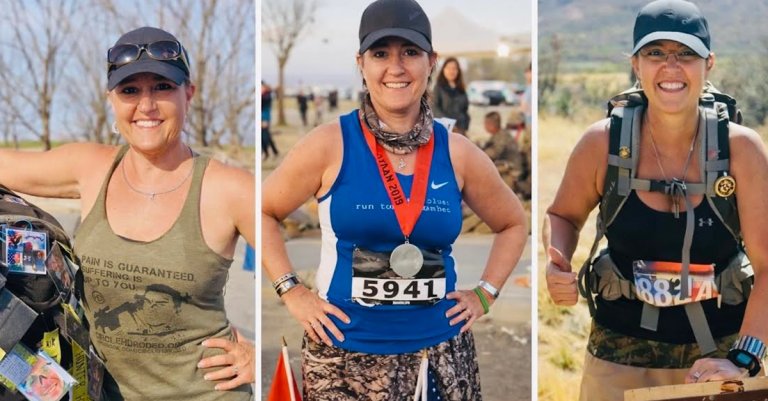
Since its founding, PVP has hosted more than 50 film workshops at military bases, VA hospitals, universities, and private clinics across both the United States and Israel. More than 1,000 veterans, ranging in age from 18 to 80, have participated, collaborating on upward of 400 short films, all drawn from their real-life military experiences.
There are hundreds of testimonials about the PVP concept from participants, family members, and clinicians. But the results aren’t just anecdotal. Pre- and post-workshop surveys conducted by PVP show a significant drop in PTSD symptoms, particularly among veterans who reported a formal PTSD diagnosis going in.
The real science, however, is the most convincing. A peer-reviewed pilot study published by the National Institutes of Health found that veteran participation in PVP’s “I Was There” film workshops led them to enter mental health treatment programs they’d previously avoided, while also showing measurable improvement in social reintegration.
Those are outcomes that a lot of mental health programs spend years and countless dollars trying to achieve. PVP didn’t need a peer-reviewed study to know the program works, but the study confirmed what PVP sees on the ground.
The “I Was There” events are weekend-long, hands-on workshops, and require no prior filmmaking experience. Veterans work together to write, shoot, and edit short films about their time in service. Working as a collaborative crew toward a shared deadline builds the kind of bonds similar to those created by military service, which makes the environment feel familiar even for veterans who might balk at a clinical setting.
The process is also clinically intentional. By building narratives from their lived military experiences, veterans can validate their service, process trauma through storytelling rather than interrogation, and bridge the gap between their military memories and new civilian lives.
Most importantly, the workshops are totally free and travel to communities across the country.
Top Stories
The VA has struggled for decades to reach veterans who resist traditional mental health treatment. Stigma is real in this community, and for a GWOT generation trained to project strength, talking to a therapist can feel like a of weakness. But hand someone a camera, give them a team, a deadline, and a story worth telling (namely their own), and the stigma goes out the window—where it belongs.
The Patton name is synonymous with aggressive, relentless forward momentum, and now it’s building a program defined by patience, listening, and creative vulnerability. It’s not the kind of healing Gen. Patton would have recognized, but given what we know about what veterans actually need, it might be the right medicine.
“There is something about being able to create narrative in this way,” Patton said. “Many of the clinicians we work with have said this medium allows the veteran to switch sides. They can observe themselves in a video, but also be a participant in it. We can really begin to help them get support they need and actually enable them to take control over their lives.”
PVP workshops are free of charge and are constantly popping up around the country. Veterans can find upcoming events at the PVP website, pattonvets.org. For those who want to support the mission financially, donations are what keep the program free and traveling. For everyone else, PVP’s films are now streaming nationally through a partnership with Your Home TV, launched in January 2026.
These veterans made their films to be seen. The least we can do is watch.
Don’t Miss the Best of We Are The Mighty
• When Patton met MacArthur in the mud of St. Mihiel
• The reason Gen. George Patton is buried in Luxembourg
• Patton’s real speech was way more vulgar than the one in the movie