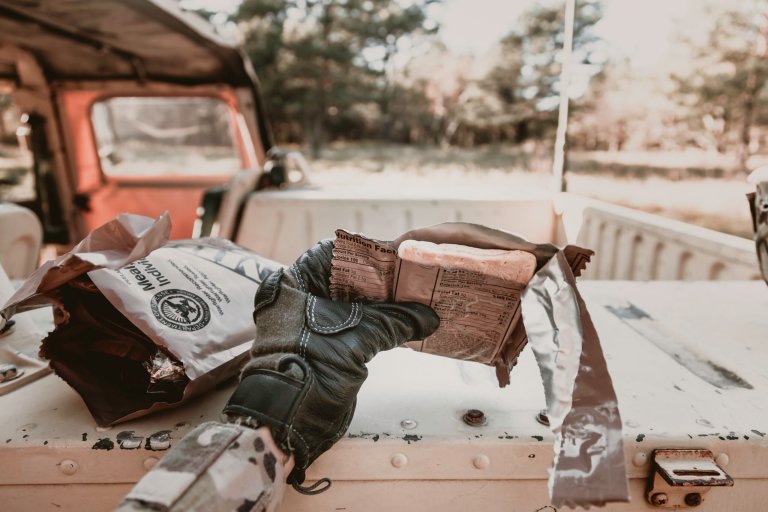
Before my first deployment, I heard all kinds of horror stories about the lettuce sandwiches, green powdered eggs, and sludge-like coffee that could be found in tent cities the world over. When I wasn’t MREating, I found myself at the DFAC (Air Force parlance for the mess tent, chow hall, or cafeteria). And although I did see those green eggs (but alas, no ham) in a few remote field kitchens, the modern overseas stations had some fairly impressive meal options.
Truthfully, except for the atrocity that was the pasta carbonara featuring bologna and spaghetti sauce (looking at you Camp Victory), life at mealtime was pretty good (and it still is if Okinawa’s TRC means anything to you). For better or for worse, the mess is the main source of military food if you were/are lucky enough not to have to live on MREs.
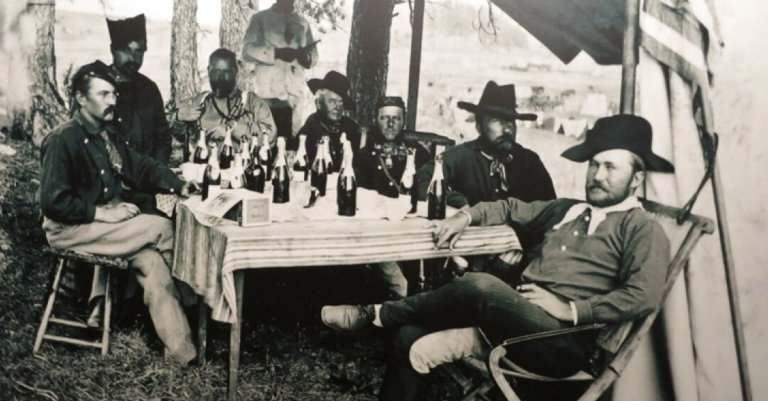
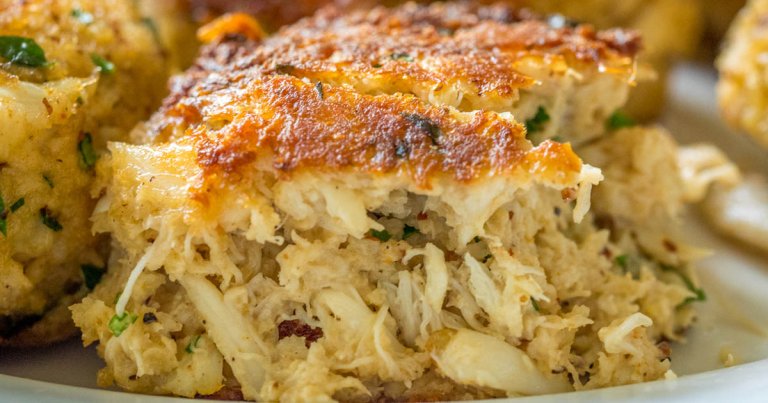
This has not always been the case. U.S. troops of days past didn’t always fare well at mealtime. Sometimes, the only benefit from having a mess tent seemed to be that the meal was hot, and in some cases, it wasn’t even that. Here are a few of the more famous meals produced by military-grade cooks. Remember: if it’s good enough for the troops who won America’s wars, it’s good enough.
1. Firecake
Revolutionary War
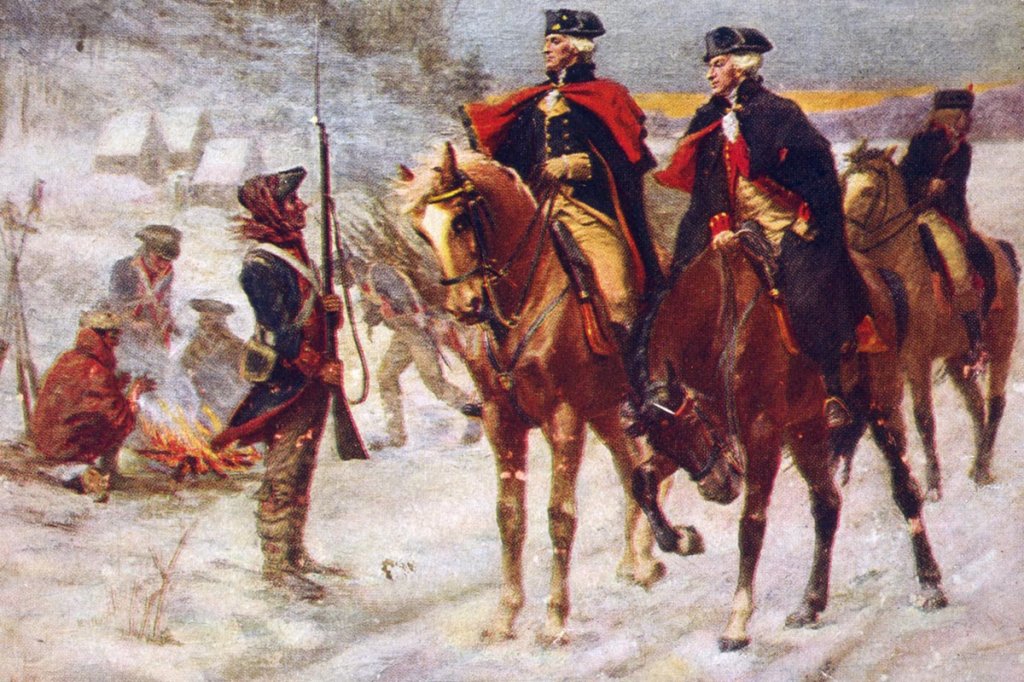
As if anyone needed more examples of just how difficult life for a soldier in the Continental Army was, consider the main staple of troops who wintered with George Washington at Valley Forge: Firecake – a tasteless mixture of flour and water, cooked on a rock near a fire. On a good day, the makeshift bread was slightly flavored by ash from the fire or by vinegar if one of the troops managed to secure some.
The texture and form of the bread depended on just how much of each substance the troop had. It would either be flattened on a rock or cooked in globs in the ashes, the result being a thick, dense mass of baked “goods.”
Ingredients:
- Flour
- Water
- Salt or Vinegar (if available)
Prep Orders:
- Mix the flour and water together until the mixture forms a smooth paste that isn’t too sticky.
- Preheat the oven to 350 degrees and either drop the mixture onto a greased cookie sheet or spread it out like a tortilla.
- Bake until brown.
- Found the world’s first modern democracy.
- Spread freedom.
2. Creamed Chipped Beef
World War I – World War II – Korea – Vietnam
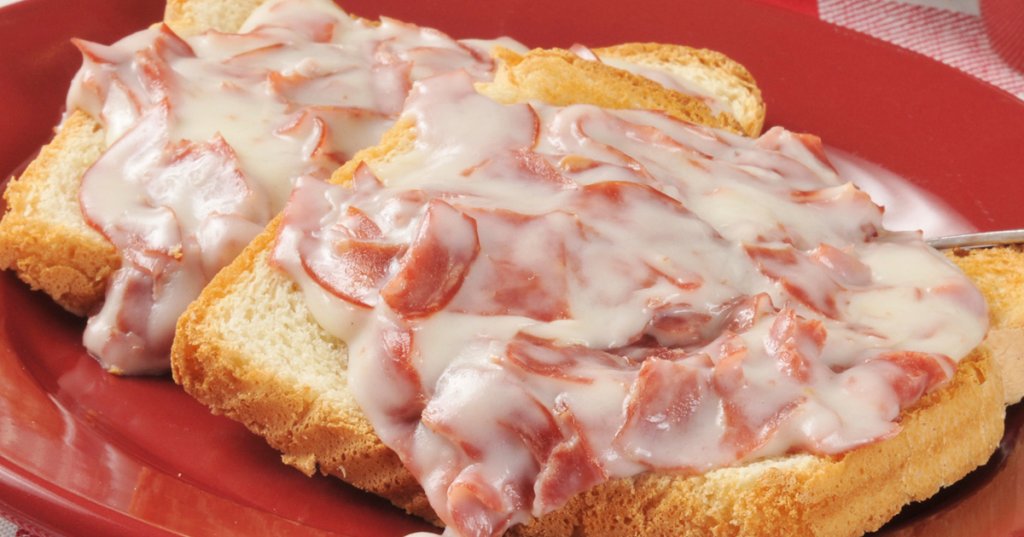
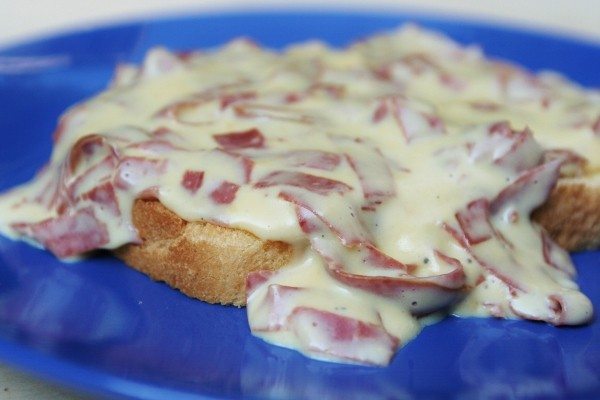
Creamed Chipped Beef, also known as Chipped Beef on Toast, also known as S**t on a Shingle. No mess kitchen creation will ever top this notorious meal as the number one reason for the field mess’ infamous reputation.
In its first appearance in the 1910 Manual for Army Cooks, it really seemed as though some consideration for taste and appearance was given. In practice, however, not so much. While veterans of all these 20th Century American wars seem conflicted about whether “SOS” is a good thing or a bad thing, it was likely a relief from powdered eggs and C-rations cooked over C-4 explosives.
Ingredients:
- 15 pounds chipped beef
- 1 1/2 pound of fat, butter preferred
- 1¼ lbs flour
- 2 12-oz cans of evaporated milk
- 1 bunch parsley
- ¼ oz pepper
- 6 quarts beef stock
Prep Orders:
- Brown the flour in the melted fat.
- Dissolve the milk in the beef stock, and then add that to the pot.
- Stir this together slowly to prevent lumping, and then add the beef.
- Cook for a few minutes, add the parsley, and serve over toast.
By World War II, the need for appearances had disappeared entirely, and the Navy was far worse off for it. The 1945 official U.S. Navy recipe calls for:
Ingredients:
- 1 3/4 gallon of dried chipped beef
- 5 gallons of milk
- 1 quart of fat (animal unimportant)
- 2 1/2 quarts of flour
- 1 3/4 tablespoons of pepper
- 100 slices of toasted bread
If you’re not having fifty or so elderly World War II veterans over for dinner later (though we all probably should be every night), you can break it down like this:
Ingredients:
- 3 c dried, chipped beef (This will be found in the lunch meat section, next to bologna, where it belongs)
- 7 1/2 c milk
- 1/3 c fat (which animal the fat is from is still unimportant, but I recommend bacon. I always recommend bacon)
- 1 c flour
- 1/2 tsp pepper (or just pepper to taste, rationing is over. We won the war, after all)
Prep Orders:
- First, chop the beef.
- Then, melt the fat and mix it with flour until it forms a smooth paste, similar to a roux.
- Bring the milk to a boil and reduce the heat to medium.
- Add the fatty flour and stir until it thickens. Then, add the chopped beef and pepper and stir well.
- Simmer for 10 minutes and serve over your shingles (toast).
Be sure to start eating once it’s on the toast. The only thing that gets mushy as fast as toasted white bread is your will to eat it.
3. Chicory Coffee
Civil War
This is actually the outlier. Chicory coffee did not win a war, but coffee comes in all forms, and anyone who’s ever served knows U.S. troops will drink any coffee-resembling substance. It’s as irreplaceable as JP-8 or 550 cord. Anyone would question how any army could fight and win without Joe drinking Joe. And they’d be right to.
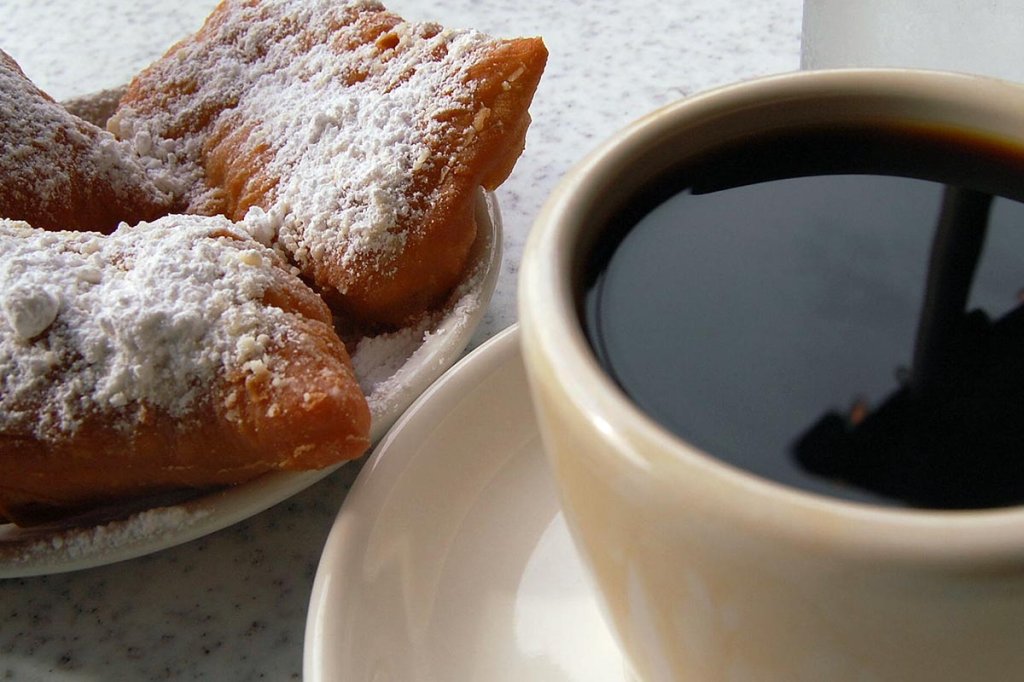
During the Civil War, the Confederate Army actually did without coffee due to the Union blockade of the Southern states. Because coffee was so essential for victory, they attempted many substitutes for the beverage. I’m not saying it was the sole factor to their loss, but I’m not not saying that either. The legacy of the blockade lives on in the American South, most notably in New Orleans.
Ingredients:
- Dark roast coffee
- Roasted chicory root
Prep Orders:
- Grind equal parts coffee and chicory and brew in your preferred coffee maker.
- Add heated milk (almond tastes best, though is probably not as authentic).
4. Slumgullion
WWI
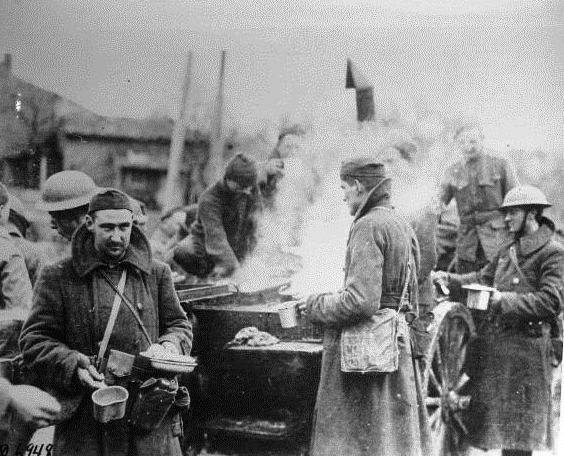
In the trenches of World War I-era France, hunger often gave way to good taste. There just wasn’t much around to live up to the French standards of cuisine. But as the old military adage says: “If it’s stupid and it works, then it’s not stupid.”
Thus, Slumguillion, the most versatile of recipes, was born.
No one ever wrote the recipe down, but the doughboys knew what they were in for when the “Slum” was on the fire. In the States, it would come to be called a Hobo Chili, an improvised stew made with what you had where you were. It was hot and filling, which would be good enough on a cold day in the trenches.
Ingredients:
- 2 lbs. meat
- 4 sliced onions
- 2 large cans of tomatoes
- 1/3 c of flour
- ½ c water
- salt and pepper (or any available seasoning) to taste
Prep Orders:
- Cut meat into one-inch cubes in a large casserole or stew pot.
- Add onions and salt. Add tomatoes and more salt. Add other seasonings.
- Cover and bake at a low temperature for a long time – 250-275°F for a few hours.
- Make a roux with flour and water.
- When the meat is finished, add the roux to thicken the stew.
- Stir well and serve over mashed potatoes.
5. Artillery Pie
Civil War
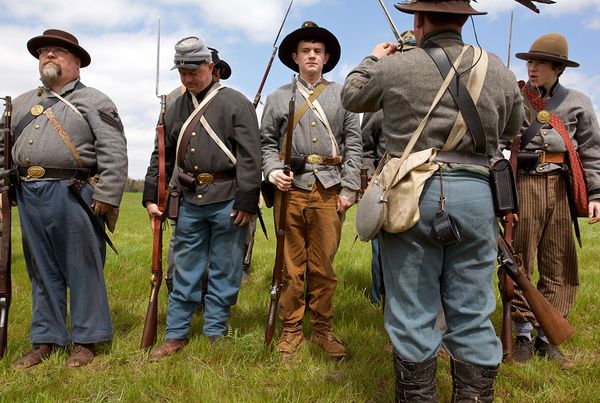
This recipe seems like a prank for the new cooks in a military unit because suet is the fat from a piece of beef, and they’re adding it to sugar-sweetened apples. Suet was, however, a delicacy during the Civil War era and could be found in many recipes, including desserts such as Artillery Pie. If Civil War re-enactors are faithful to the field kitchen, Artillery Pie might explain why some re-enactors need some PT.
Ingredients:
- 2 lbs of bread
- ¼ lb of suet
- 1 dozen apples
- ¼ lb sugar
Prep Orders:
- Melt suet in a frying pan, cut bread into slices ¼ inch thick.
- Dip bread pieces into melted fat and place in the oven to dry.
- Peel and boil apples, then mash them into the sugar.
- Line a baking dish with fatty bread and cover with the apple mixture.
Cover with alternating layers of bread and fruit until it’s all used up, then bake for 20 minutes. Any kind of fruit is actually okay; it’s not like you’re making this for your health.