The U.S. Air Force Special Operations Command is built on a lineage of air commandos who show up where the odds are worst, and the margin for error is zero. From hacking improvised airstrips out of the Burmese jungle to flying lumbering gunships that can put a single round on a single truck in the dead of night, these airmen exist to solve problems no one else can.
They move special operations forces, pull the wounded out of places no helicopter should be, and turn the sky itself into close air support, often under fire and far from help. Tools like experimental canvas-wing gliders and early helicopters have progressed to AC-130J Ghostriders and MQ-9 Reapers, but the mission has stayed the same: go where it’s hardest, stay until the job is done.
The 1st Air Commando Group began as Project 9, aimed at providing dedicated air support, including increasing the supplies transported over the “Hump” to China, to support an extensive campaign into Burma by British Gen. Orde Wingate of the “Wingate’s Raiders” fame. In August 1943, at the Quebec Conference, it was decided that U.S. and British air and ground forces in Southeast Asia should be under a single command rather than three separate commands. President Roosevelt agreed and assigned Gen. Henry “Hap” Arnold to support Wingate with the needed air assets.
Arnold named his men Air Commandos in honor of the Supreme Allied Commander in Southeast Asia, British Adm. Mountbatten, who helped organize and train early British Commandos. Project 9 gave way to the 5318th Provisional Group (Air) in India, and in March 1944, it became the 1st Air Commando Group.
World War II
During World War II, the Air Commando aircraft inventory consisted of C-47 transports, P-51 fighters, L-1 observation aircraft, CG-4A Waco gliders, B-25 bombers, and YR-4 helicopters. This composite wing, combining various aircraft types, had never been tried before.
For the Air Commandos, Operation Thursday was the moment they proved what a purpose-built special operations air unit could do. On March 5, 1944, 26 transports towing CG-4A gliders launched from India, hauling British and Indian troops, engineers, equipment, and supplies for General Wingate into jungle clearings some 200 miles behind Japanese lines in Burma. The glider landings were rough, but once on the ground, Air Commando engineers and aircrews turned hacked-out clearings into functioning forward airfields. They improved an existing runway and built a second from scratch, then used them to open a constant air bridge.
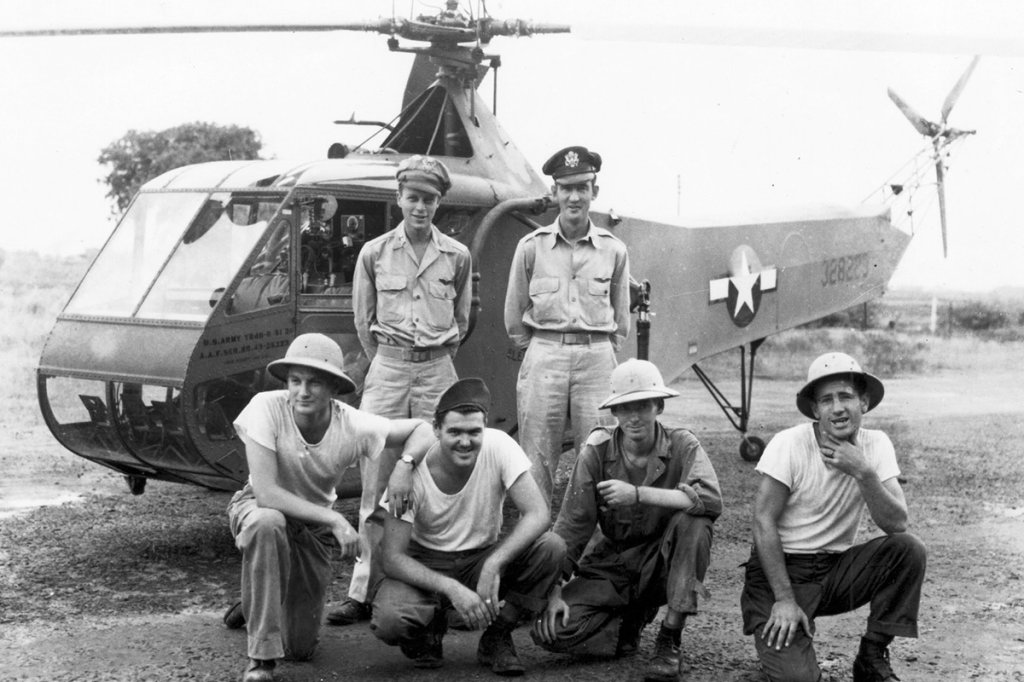
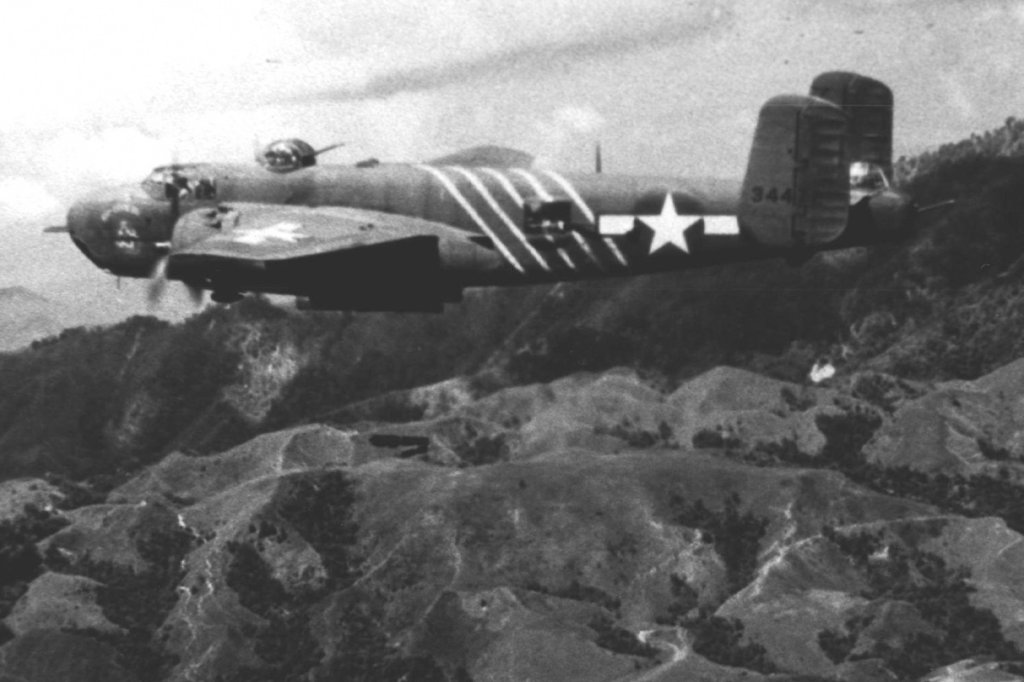
From those strips, they delivered some 10,000 men, 1,000 mules, and 250 tons of supplies, while P-51s and modified B-25s armed with a 75mm cannon in the nose and 12 M2 .50-caliber machine guns kept Japanese forces at bay. When a light plane carrying wounded was forced down behind enemy lines in April, the Air Commandos pushed the envelope again: an R-4B helicopter launched to make the first combat helicopter rescue in U.S. military history, shuttling the casualties out over four separate trips in brutal heat and marginal power conditions.
For this campaign, the Air Commandos earned a Distinguished Unit Citation and wrote the template for future special operations aviation—proving that airpower, used creatively, could insert, sustain, and extract a deep-penetration ground force far beyond traditional front lines.
The Air Commando Gunships of Vietnam
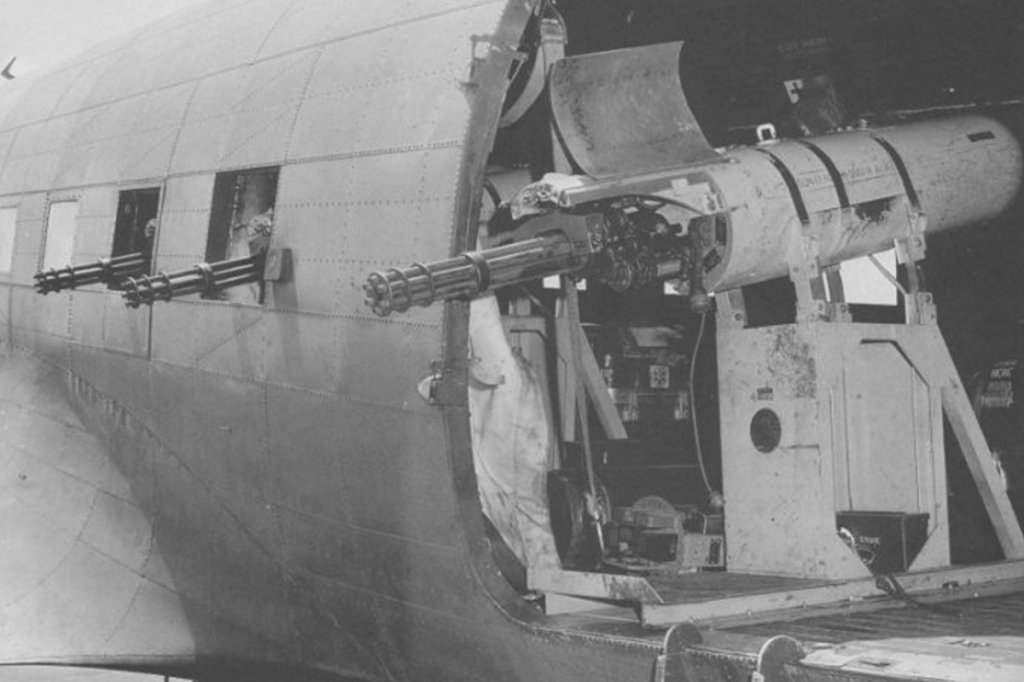
In the early 1960s, as the war in Vietnam escalated, the U.S. needed counterinsurgency units and re-established the 1st Air Commando. Now armed with A-1E Skyraiders for close air support, and, later in the decade, HH-3 and HH-53 Jolly Green Giant helicopters for pilot rescue, and of course, the gunships.
The AC-47 was the first of the U.S. Air Force gunships. The fixed-wing side-firing gunship concept was primarily the brainchild of Air Force Capt. Ronald W. Terry. In 1964, Terry started testing the gunship concept while stationed at Eglin Air Force Base, with a C-131 named “Terry and the Pirates” after the popular comic strip. Terry decided to take his idea straight to the top and met with Air Force Chief of Staff General Curtis E. LeMay.
When Terry arrived, LeMay was a bit angered as he had just been told about enemy successes in breaching air bases in Vietnam. At the time, American fighter aircraft had virtually no nighttime attack capability. Terry made his pitch, and while most of the yes men surrounding LeMay didn’t like it, LeMay gave Terry the go-ahead, and Terry and the Pirates were on their way to Vietnam. There was considerable internal opposition to using cargo aircraft for fire support, in part due to rivalry with the Army. Many in the Air Force wanted to see the project fail. Terry and his team landed in South Vietnam on Dec. 2, 1964. It was not a friendly welcome.
“We arrived at Tan Son Nhat and were met by a force of armed air police,” Terry recalled. “They told us… We were not to talk to anyone, and we and our equipment would be on the next plane back to the U.S.”
But with the blessings of the Chief of Staff and the Air Force commander in Vietnam, Terry was given a few C-47s to convert, and convert they did. The AC-47 was equipped with 3 SUU-11 gun pods containing General Electric M-134 miniguns. With a fire rate of 6,000 rounds a minute, the barrels were cooled by the airstream during flight. Putting rounds on target was accomplished using a gunsight from an A-1 Skyraider. The rest of the cargo included 45 parachute flares to light the kill zone and 24,000 rounds of ammunition.
Puff Gets Its Name
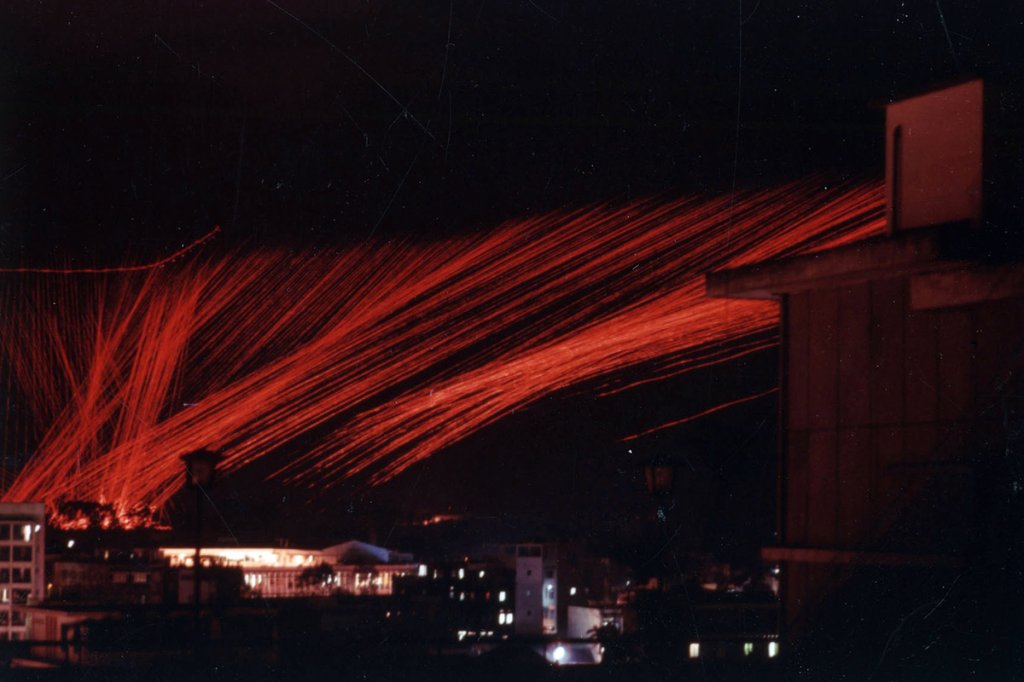
The AC-47, also known as “Puff the Magic Dragon,” allegedly received its nickname from a Stars and Stripes article about the gunships in action during Vietnam. Watching the AC-47 fire, a reporter said the stream of tracer rounds reminded him of a “dragon’s breath.” When the story made its way back, the Wing Commander read the description and said, “I’ll be damned, Puff the Magic Dragon,” referencing the Peter, Paul, and Mary children’s song. The name stuck, and so did the sight of that dragon’s breath raking the jungle at night.
It was at the Battle of Khe Sanh that the gunship program received its most significant boost. President Lyndon B. Johnson wanted Khe Sanh defended at all costs and did not want a repeat of the French defeat at Dien Bien Phu. While B-52s and fast movers smashed suspected enemy positions by day, “Puff” and C-47 flareships owned the night. Circling the besieged base for hours, they dropped flares to turn darkness into daylight and hosed down North Vietnamese troops who tried to creep up to the wire under cover of darkness. Their side-firing miniguns could put a devastating cone of fire just outside the perimeter without endangering Marines inside, making them the perfect tool for breaking up probes, ambushes, and full-on assaults. B-52s, in comparison, had a three-mile safe zone around the base.
For 77 days, whenever the NVA tried to use the jungle and the dark as their allies, Puff was there to take both away.

CAF Warbird Tube – AC-47 Spooky Gunship
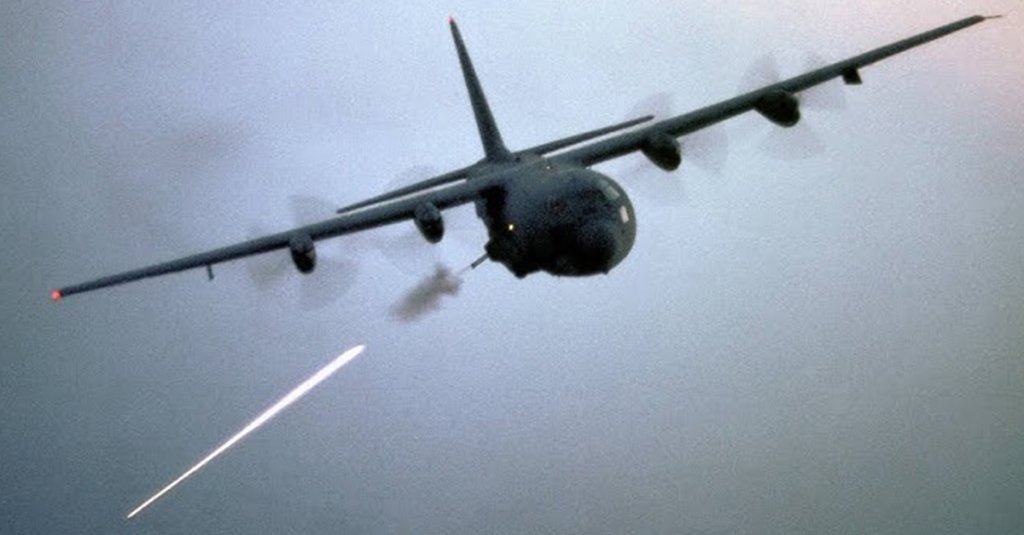
The evolution of the gunship led to the AC-130 Spectre, which, in various versions, would utilize 7.62-caliber miniguns, a 20mm Vulcan Gatling gun, a Bofors 40mm anti-aircraft gun, and a 105mm howitzer.
“Desert One”
In 1979, militants seized the U.S. Embassy in Tehran and took 52 Americans hostage. Months of failed negotiations pushed President Jimmy Carter to approve a daring night rescue mission, Operation Eagle Claw, that stitched together Army, Navy, Marine, and Air Force units in a complex long-range raid.
On April 24–25, 1980, that plan came apart at a remote refueling site in the Iranian desert, code-named “Desert One,” where dust, mechanical failures, and a collision between a helicopter and an EC-130 killed eight U.S. service members and aborted the mission. The tragedy exposed how little dedicated, joint special operations capability the U.S. really had. In its aftermath, the Pentagon moved to fix that gap: in 1987, the United States Special Operations Command was established, and three years later, on May 22, 1990, the 23rd Air Force was redesignated as Air Force Special Operations Command, with specialized aircraft and personnel to fulfill the Air Force side of the mission.
The AC-130J “Ghostrider”
Gone are the AC-47 gunships of Vietnam; in their place, U.S. forces now call on bigger, smarter AC-130 gunships. The newest of them, the AC-130J Ghostrider, packs a 30mm automatic cannon, a 105mm howitzer, AGM-176 Griffin missiles, and GBU-39 Small Diameter Bombs. The GBU-39 is a 250-pound, GPS-guided weapon carried on external racks, chosen because its lighter weight lets crews haul more of them into the fight while its smaller footprint helps keep collateral damage to a minimum.
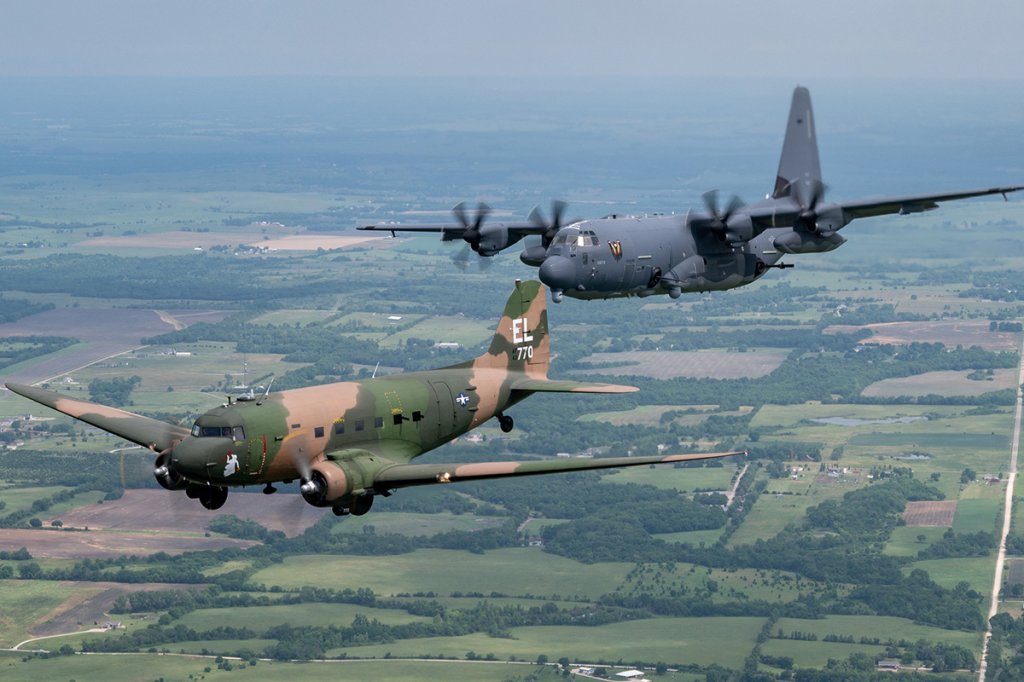
Today’s Air Commandos don’t just fly cool planes—they’re a full-spectrum problem-solving machine. Under the motto “Any place, Any time, Anywhere,” Air Force Special Operations Command fields composite wings loaded with specialized aircraft like AC-130J Ghostrider gunships, CV-22B Ospreys, MQ-9 Reapers, and a whole lineup of other platforms built to sneak, strike, or save on short notice. If there’s a nasty corner of the map that needs eyes in the sky, precision firepower, or a quiet insertion in the middle of nowhere, odds are an AFSOC crew has already figured out how to get there.
On the ground, they’re backed up by some of the most elite airmen in the Air Force. Combat Control Teams open and control airfields in the middle of chaos, Pararescue specialists jump into the worst moments of someone’s life to haul them out, Special Reconnaissance teams slip in to find targets and threats before anyone else sees them, and Tactical Air Control Parties plug into ground units to bring in airpower on demand—led and stitched together by Special Tactics Officers. Together, they give AFSOC the ability not just to fight wars, but to evacuate civilians, deliver aid, and run disaster relief operations when everything on the ground has gone sideways.
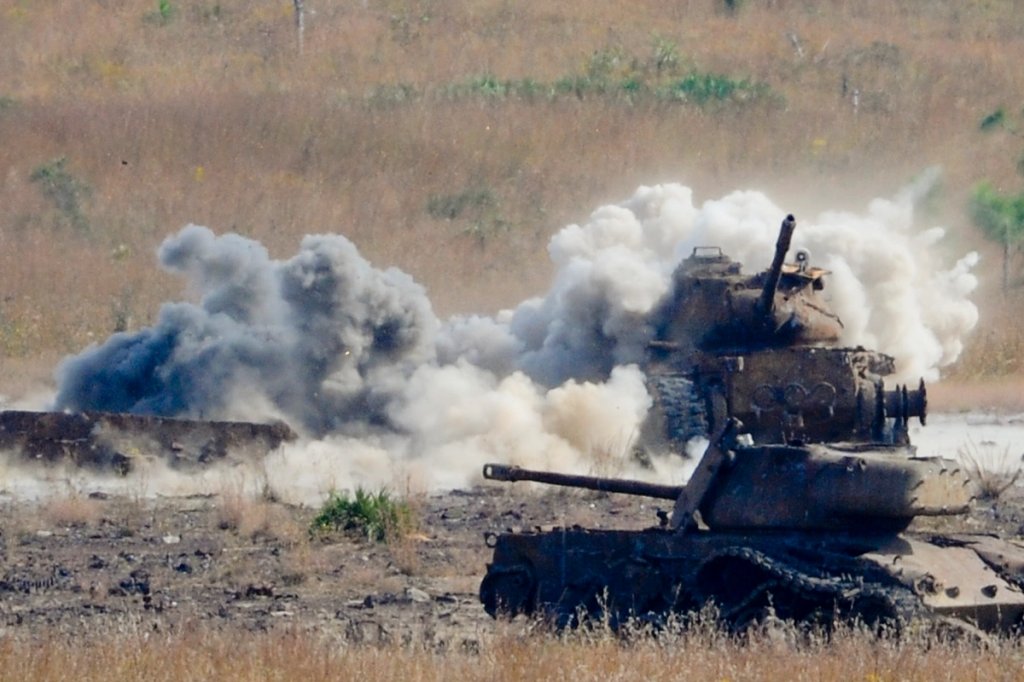
From hacked-out strips in the Burmese jungle to precision strikes in today’s wars, Air Commandos have built a reputation on doing the hard thing when no one else can. They were among the first air units created specifically to support a ground force, pulled off one of the earliest large-scale night glider assaults deep behind enemy lines, and carried out the first U.S. combat helicopter rescue of trapped troops. That mix of creativity, risk, and stubborn problem-solving has defined them from the Chindits to Ghostriders.
That history isn’t just about hardware; it’s written in names, too.
During the Vietnam War, Airman 1st Class John Levitow was serving as the loadmaster on AC-47 “Spooky 71” as it circled over Long Binh, firing on enemy troops and dropping flares to light up their positions. An enemy mortar round slammed into the wing, blasting shrapnel through the cabin and severely wounding Levitow and four others. Through more than 40 wounds and a partially numb right leg, he dragged an unconscious crewman away from the open door, then spotted a live, smoking MK-24 flare rolling around the floor. Levitow grabbed the 27-pound flare, crawled to the door of a violently banking aircraft, and shoved it out just before it ignited. Had it gone off inside, the magnesium flare likely would have destroyed the gunship and its seven-man crew.
Decades later, another Air Commando would join him in the Medal of Honor’s small fraternity. Tech. Sgt. John Allan Chapman, a combat controller, was posthumously awarded the Medal of Honor on August 22, 2018, for his actions during the Battle of Takur Ghar in Afghanistan, where he fought alone on a snow-covered ridge to protect his teammates and members of SEAL Team 6. Chapman became the first airman to receive the Medal of Honor for actions since the Vietnam War, and his story is now part of the community’s core mythos.
Since 9/11, that kind of valor has been repeated again and again. Air Commandos have earned more than 400 Bronze Star Medals with Valor, 64 Silver Stars, 12 Air Force Crosses, and 123 Distinguished Flying Crosses, proof that the can-do spirit that started in Burma is still very much alive in today’s force.
Don’t Miss the Best of We Are The Mighty
• These pilots fought back during the attack on Pearl Harbor
• 7 of the coolest things to watch for during the Army-Navy Game
• Shoddy email practices led to the convictions in the Iran-Contra Affair

Sponsored Content