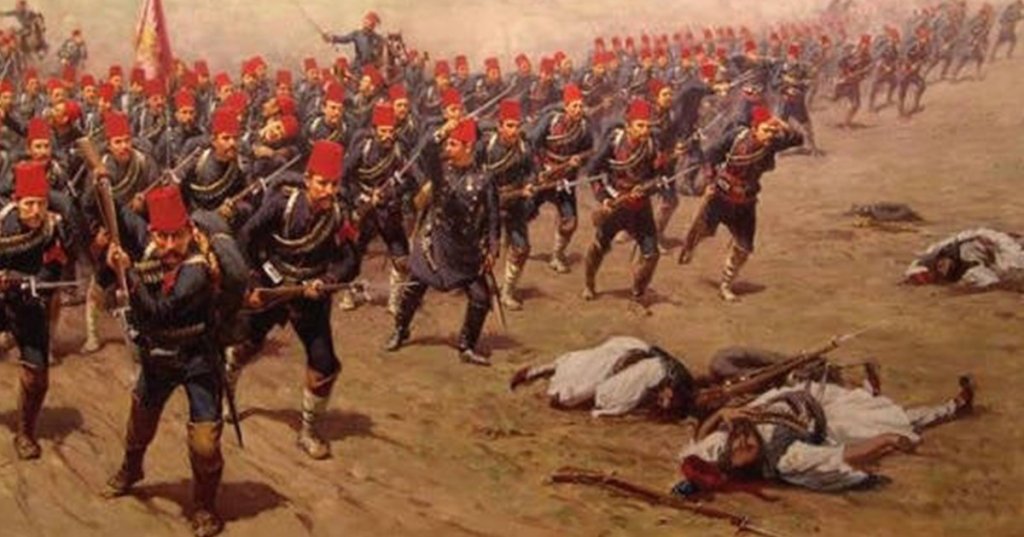
War is chaos, confusion, and occasionally, a bunch of guys unloading their ammo at the moon. It’s a phenomenon also known as a classic “But, Sergeant, it looked dangerous” moment. History is replete with tales where armies fought bravely and steadfastly against enemies that didn’t exist. Not metaphorically; Literally nobody.
Whether it was nerves or just a soldier sprinting to the woodline after eating an expired MRE, the Fog of War is real. These “battles” show how chaos can turn shadows into enemies or cause a bunch of soldiers to start sniffing around for some CIBs.
1. Austrians vs. Austrians at Karánsebes
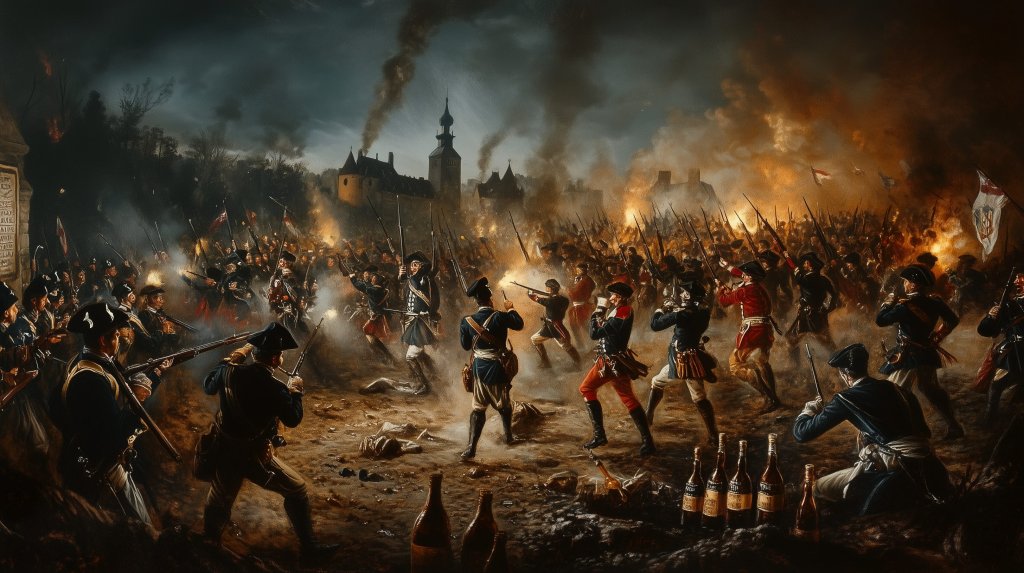
The Habsburg Army’s drunken stumbling in the dark is history’s most notorious friendly fire incident. The Austrians were involved in a war they didn’t really want in the first place, fighting an Ottoman army because they signed an alliance with the Russian Empire. While the army was camped out near Karánsebes, a scouting party of hussars crossed the Timiș River looking for the enemy force, but stopped for a drink instead.
Eventually, the infantry caught up to them and wanted to drink too, but the hussars weren’t in the mood to share. Tensions mounted, and things got heated. Then, someone fired a shot. Someone else, hearing the shot, shouted that the Turks had arrived. The entire army turned on itself, even to the point that the artillery started fighting. Casualty estimates vary widely, from 150 dead and wounded to 10,000.
2. Civil War Camp Firefights
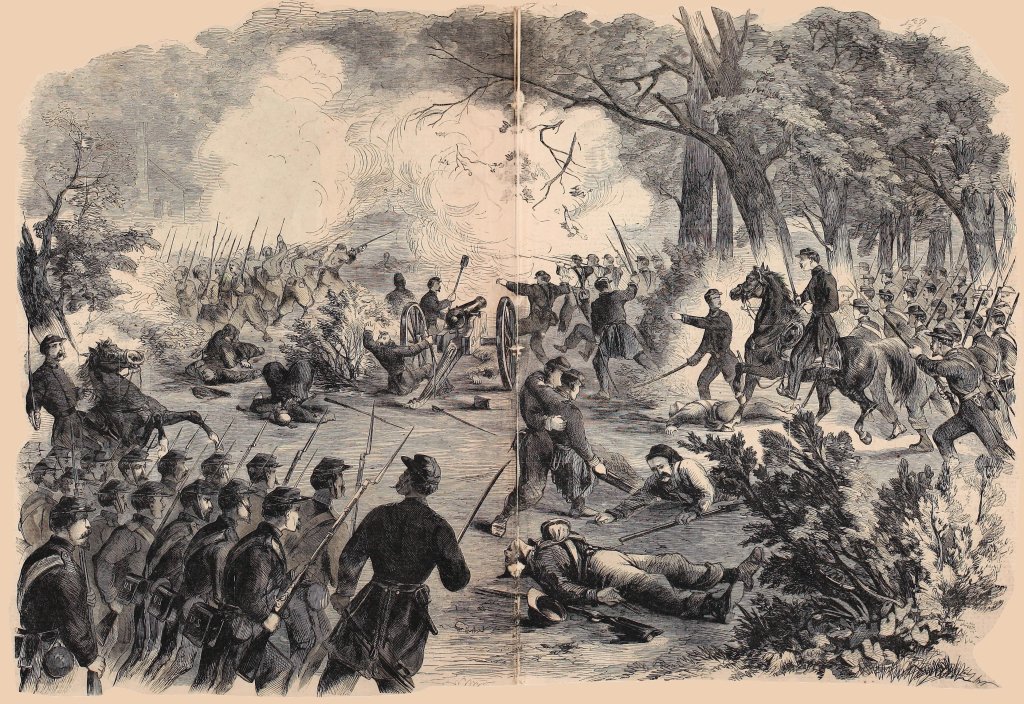
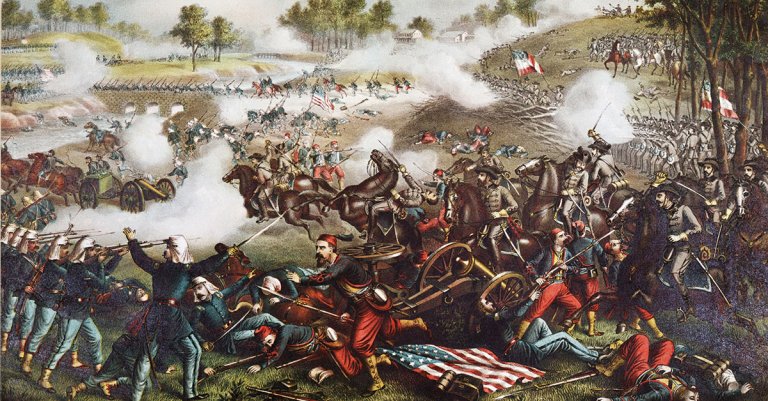
It would be one of the Civil War’s first encounters between Union and Confederate troops, and a disastrous one in the days before Army-wide uniform regs. One early, dark-and-dusty morning at Big Bethel, Virginia, Union soldiers, who were preparing for the day by fluffing their meticulously combed beards, launched a dawn attack. Orders were to flash the password “Boston” and tie white rags on arms to distinguish friend from foe. Naturally, the guy in charge of delivering that memo was nowhere to be found.
As the fog lifted, the 7th New York mistook the 3rd New York for Confederates (gray uniforms didn’t help), and launched a volley into their ranks in the first friendly fire incident of the Civil War. That friendly fire ricocheted through the ranks, ruining the plan, the element of surprise, and likely someone’s glorious facial hair.
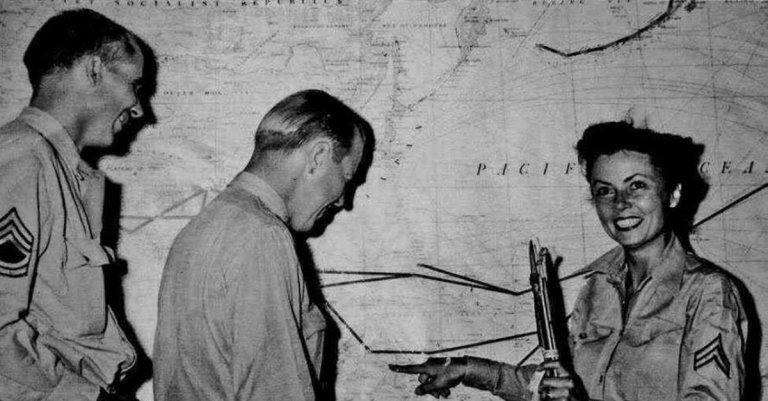
3. The 1942 “Battle of Los Angeles “

In February 1942, anti-aircraft gunners in Los Angeles opened fire on what they believed was a Japanese air raid. Searchlights pierced the sky, guns roared for hours, and 1,400 shells exploded over the city. Civilians swore they saw planes overhead.
The truth? Postwar investigations found no enemy aircraft. Most likely, the gunners were firing at weather balloons, a flare, and eventually, their own smoke bursts. Property damage was real, including a few nervous breakdowns and one bruised reputation for Southern California air defense. But the attackers? Nonexistent.
4. The Tonkin Gulf (non)Incident
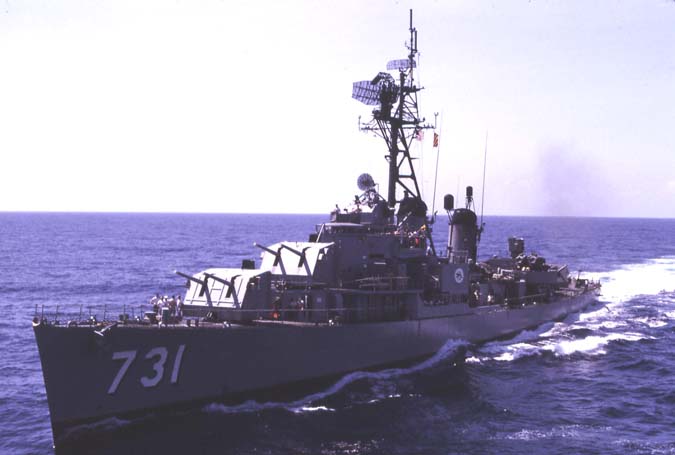
On August 2, 1964, the U.S. Navy reported that the destroyer USS Maddox was attacked by North Vietnamese motor torpedo boats. Maddox dodged the torpedoes, and Navy aircraft forced the boats to withdraw. This attack is not in dispute, but two days later, the Maddox returned alongside another destroyer, the USS Turner Joy. They reported being attacked again and this time, it was a full-on battle.
The two ships fired 249 5-inch shells, 123 3-inch shells, and four or five depth charges as they dodged torpedoes, enemy aircraft, and small arms fire for three hours. The only problem was that no one–not even future Adm. James Stockdale–actually saw any enemy boats (though some claimed they did).
5. The 1983 Soviet Nuclear False Alarm
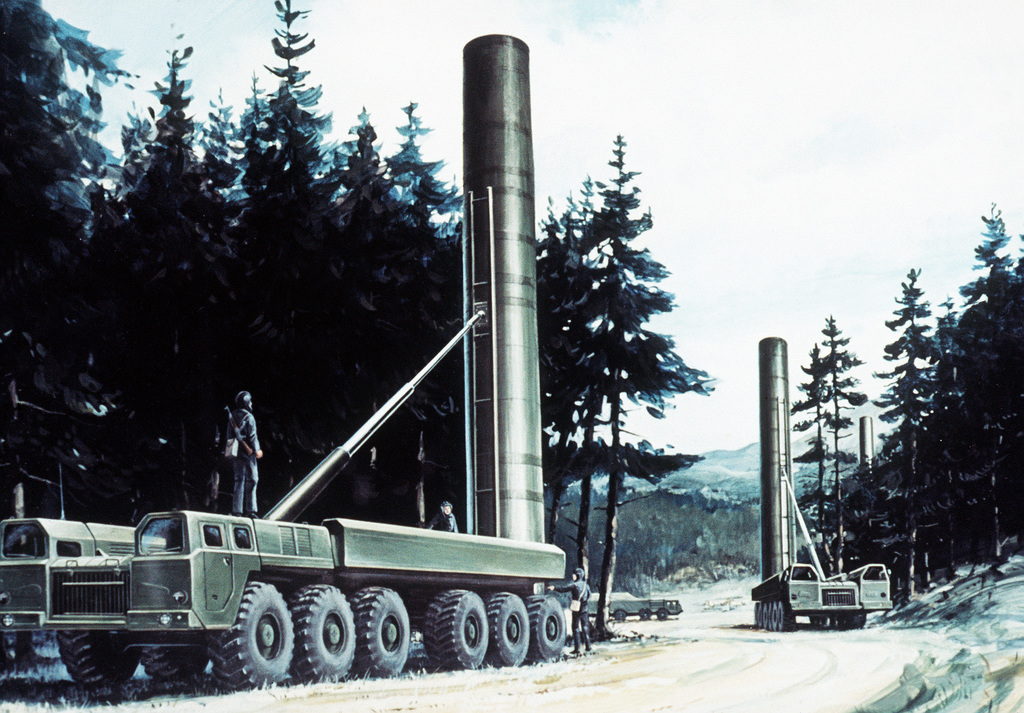
Not every phantom battle involves bullets. On Sept. 26, 1983, Soviet early-warning systems reported incoming U.S. nuclear missiles. Sirens blared, officers readied counterattacks, and the world teetered on the brink of nuclear war.
Enter Lieutenant Lt. Col. Stanislav Petrov. Calmly assessing the data, he determined the alert was a false alarm. The satellites had misread sunlight reflecting off clouds. Petrov’s decision not to retaliate may have single-handedly prevented World War III.
And to think, all it took to nearly end the world was a fairly cloudy day.
From Los Angeles to Moscow, these episodes prove that armies don’t always need enemies to end up in a fight. Fear, fog, or even faulty food can be as dangerous as bullets. And while phantom battles rarely make the history books, they remind us that the human mind is often the battlefield’s most unpredictable weapon.