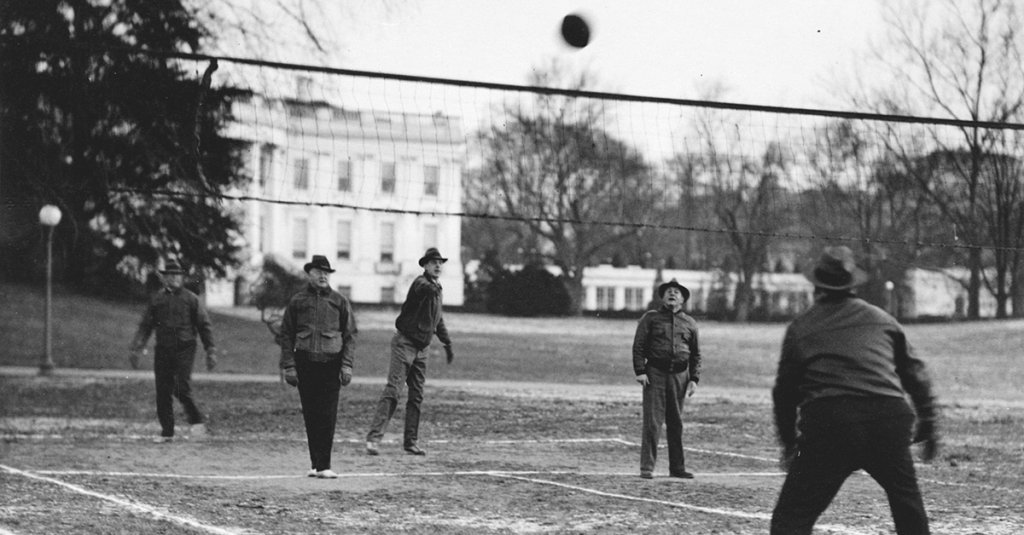
When most people think of U.S. presidents and fitness, images of jogging presidents or basketball games at the White House may come to mind. Few, however, know that President Herbert Hoover, the 31st president of the United States, maintained his health and energy during the grueling years of office with a unique and vigorous exercise: Hooverball. A vigorous hybrid of tennis, volleyball, and medicine ball throwing, Hooverball was more than just a pastime. It was a reflection of a president determined to maintain physical resilience, even as his administration faced unprecedented economic challenges during the Great Depression.
Related: 10 White House facts you didn’t know
The Origins of Hooverball
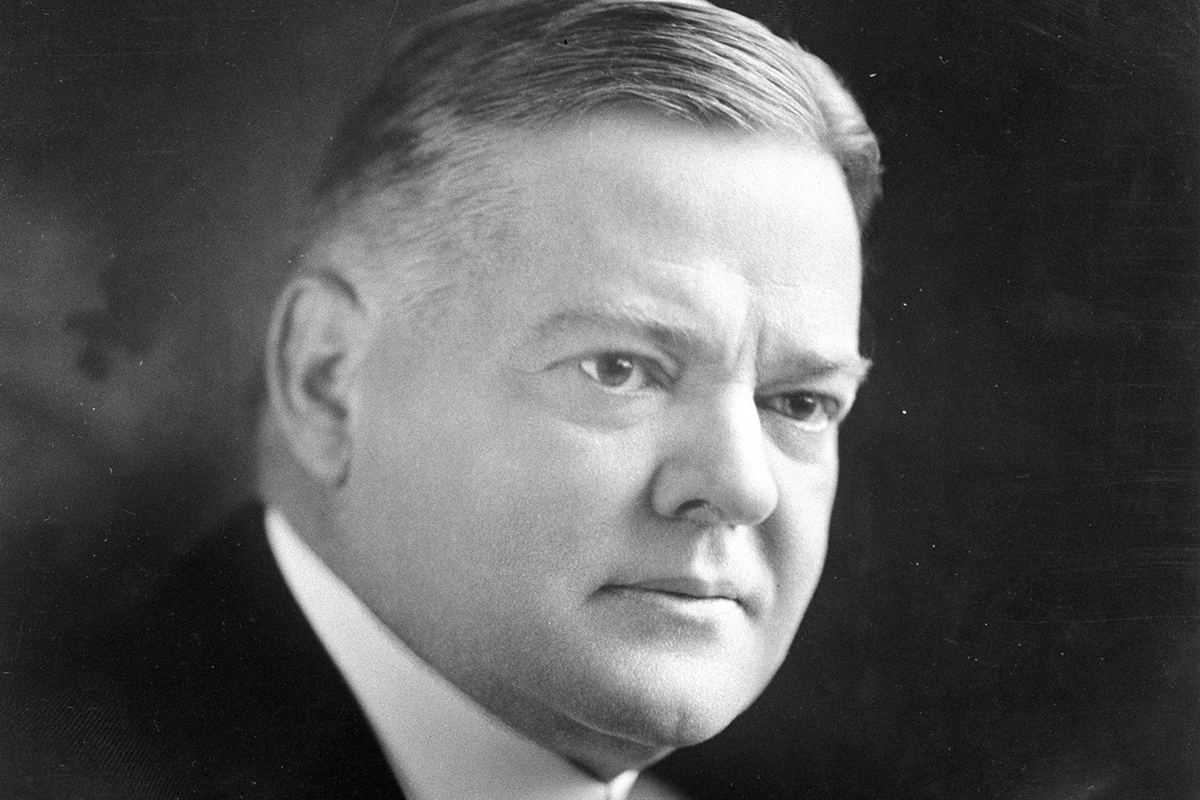
Born in 1874 in West Branch, Iowa, Herbert Hoover was a man of both intellect and action. Prior to his presidency, Hoover had achieved international renown as a humanitarian and engineer, organizing massive relief efforts during World War I. Yet, despite his professional success, Hoover was mindful of the toll that a sedentary, stress-filled lifestyle could take on the body. It was this concern that led him to the medicine ball and eventually to the creation of Hooverball.
The story begins aboard a U.S. Navy battleship, where Hoover observed a form of physical training called “Bull in the Ring.” This game involved sailors tossing a medicine ball around in a circle, providing cardiovascular and strength benefits while also encouraging competitive play. The game’s intensity and effectiveness intrigued Hoover, who saw potential to adapt it into a structured exercise suitable for his own needs.
By 1928, Hoover’s personal physician, Adm. Joel T. Boone, had formalized the exercise into a distinct sport designed specifically for the president. Boone, a respected physician who had served in World War I, understood the importance of cardiovascular health, muscular strength, and flexibility for a man with Hoover’s demanding schedule. He created a game that combined elements of tennis and volleyball but incorporated the weight and resistance of a medicine ball, which typically ranged from 4 to 8 pounds. This exercise would challenge nearly every muscle in the body while also engaging the mind in strategy and coordination.
How Hooverball Was Played

This is Hoover-Ball
Hooverball was deceptively simple in concept but intense in practice. The game was played on a standard volleyball court with an 8-foot-high net. Two teams, usually composed of two to four players per side, would serve and return the medicine ball much like a volleyball, but instead of spiking, players were required to catch and throw the weighted ball.
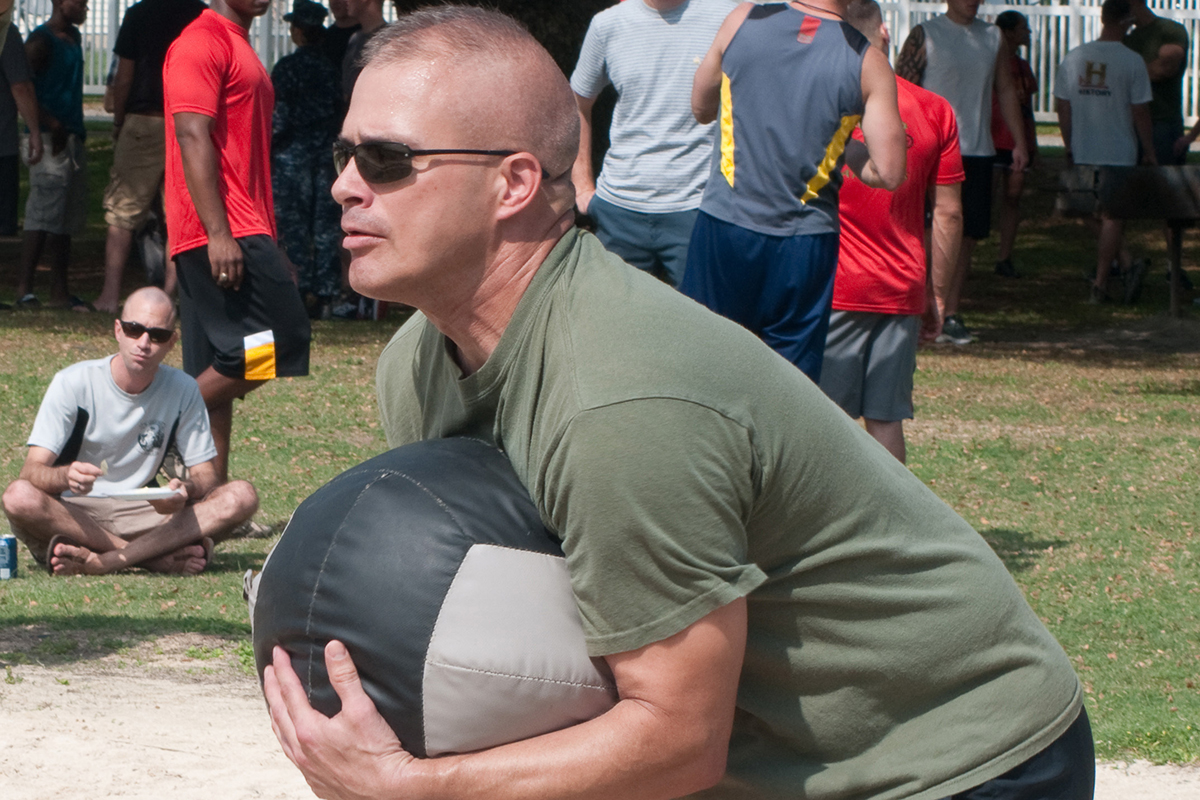
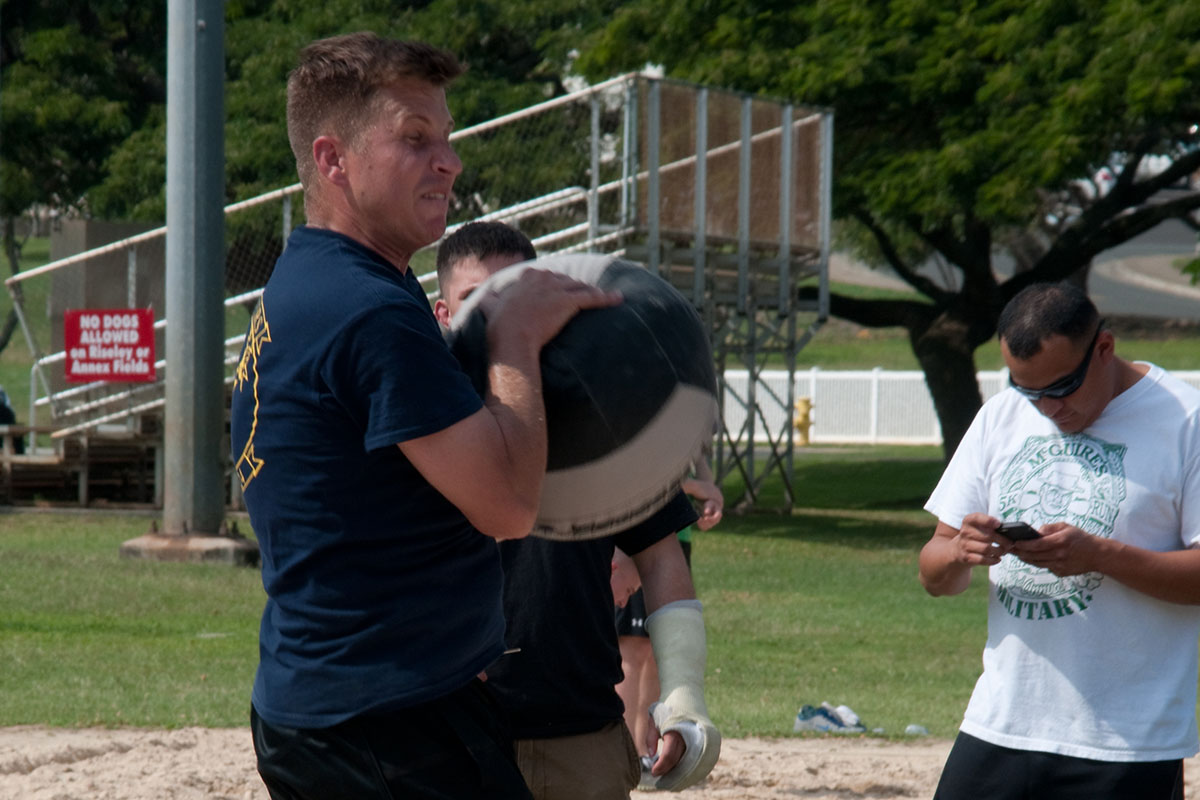
The rules mirrored tennis scoring with points counted as love, 15, 30, 40, and game. The objective was to force opponents to miss the ball or throw it out of bounds, while errors or failures to catch or return the ball resulted in lost points. Over time, players developed advanced techniques to gain an advantage, such as the “Body Twist,” which utilized torso rotation to generate more force, and the “Trebuchet,” a throw that employed a swinging motion similar to medieval siege machinery. The physical demand was immense, as catching and hurling a medicine ball repeatedly could exhaust even the fittest athlete, making Hooverball a full-body workout.
The game quickly became a fixture at the White House. Cabinet members, Supreme Court justices, and other officials joined in, earning them the playful nickname the “Medicine Ball Cabinet.” Hooverball became more than just exercise. It was a social activity that fostered camaraderie among the men who advised and guided the president, blending recreation with physical conditioning and mental alertness.
Hooverball and Presidential Fitness
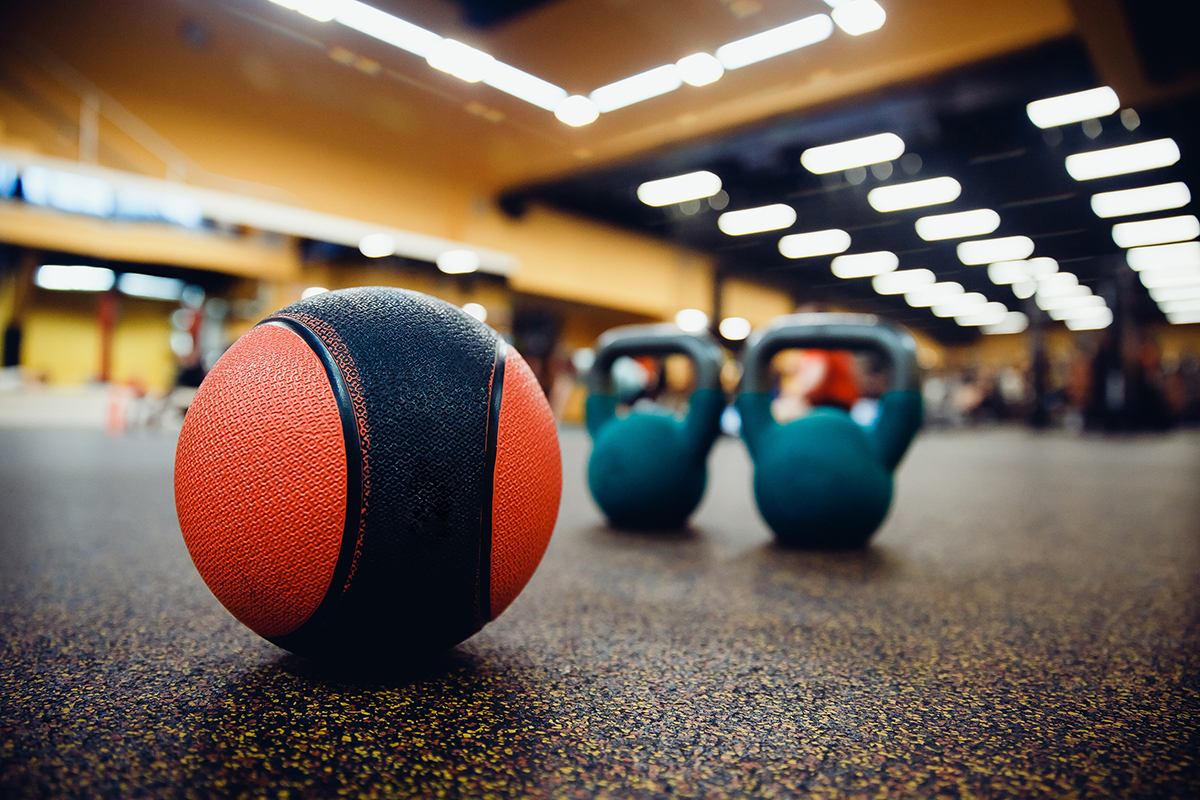
Hoover’s dedication to physical fitness through Hooverball reflected a broader understanding of the connection between health and leadership. At a time when the responsibilities of the presidency were immense, especially as the U.S. economy teetered on the brink of collapse, Hoover recognized that his effectiveness depended on both mental acuity and physical stamina. The vigorous nature of Hooverball, combining strength, agility, and endurance, offered an ideal outlet for stress while keeping Hoover in peak condition.
Interestingly, Hooverball’s creation also mirrored a personal health goal. Hoover himself was somewhat overweight in his earlier years, and Adm. Boone viewed the game as a way to help the president lose weight safely while also building endurance. The intense bursts of energy required for throwing and catching the medicine ball effectively raised the heart rate, providing cardiovascular benefits comparable to running or swimming. In essence, Hooverball was an early example of functional fitness, training the body in ways directly relevant to real-life movements and activities.
How Hoover’s White House Responded to the Great Depression
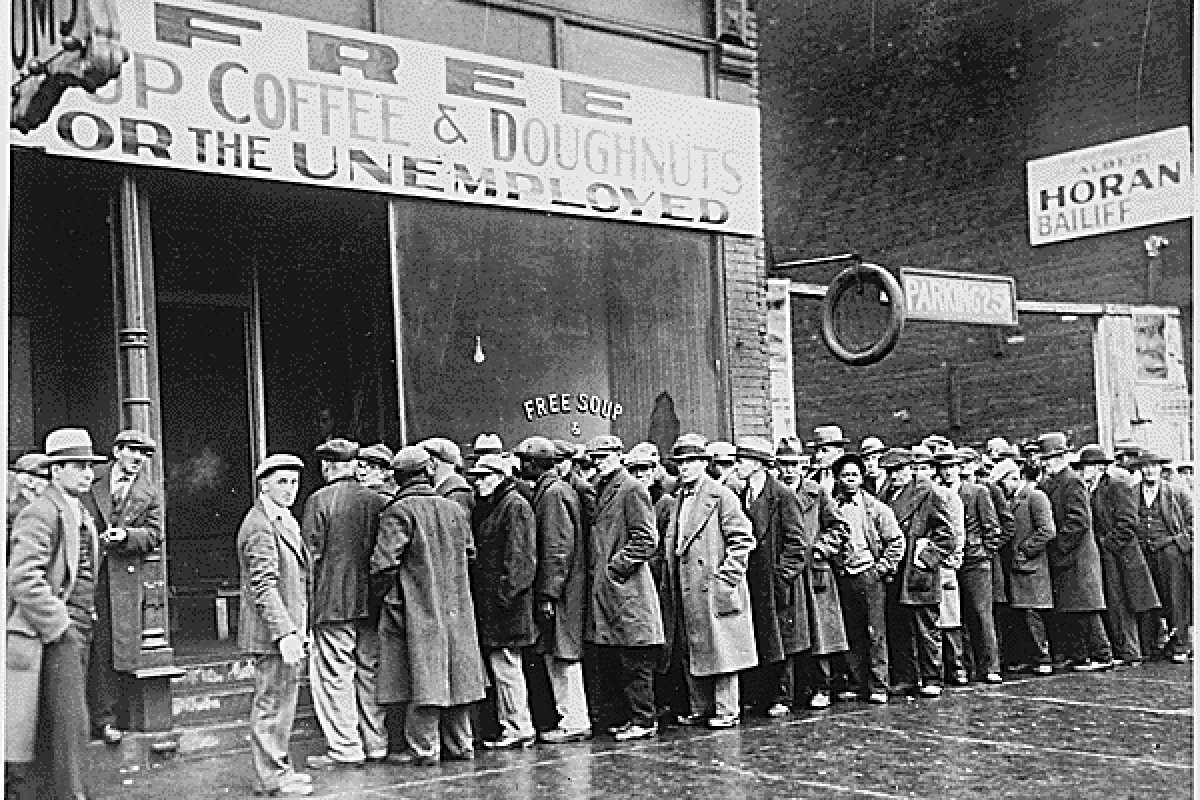
While Hoover focused on physical fitness and recreational strategy, the nation faced challenges of a far greater magnitude. The stock market crash of 1929 ushered in the Great Depression, an economic cataclysm that left millions of Americans unemployed and impoverished. Hoover, who had risen to prominence as a humanitarian, now found himself at the helm of a government struggling to respond to widespread economic despair.
The Great Depression’s roots were complex. Following the economic boom of the 1920s, the U.S. economy had become increasingly dependent on credit and speculation. Farmers faced declining crop prices, industrial workers faced wage cuts, and the stock market bubble created an illusion of wealth that could not be sustained. When the market collapsed in October 1929, the effects rippled across the economy. Banks failed, businesses closed, and families lost savings and homes. By 1933, unemployment had soared to nearly 25%, and breadlines became a familiar sight in cities across the nation.
Hoover’s response to the crisis was shaped by his belief in voluntary cooperation and limited government intervention. He encouraged businesses to maintain wages and employment, advocated for local and state relief programs, and promoted public works projects such as the Hoover Dam. Yet, many Americans viewed his measures as insufficient, and his reputation suffered as poverty and despair spread. Amid this national turmoil, Hooverball offered the president a personal reprieve, a structured outlet for energy and stress that allowed him to maintain discipline and resilience in both body and mind.
White House Popularity and Legacy
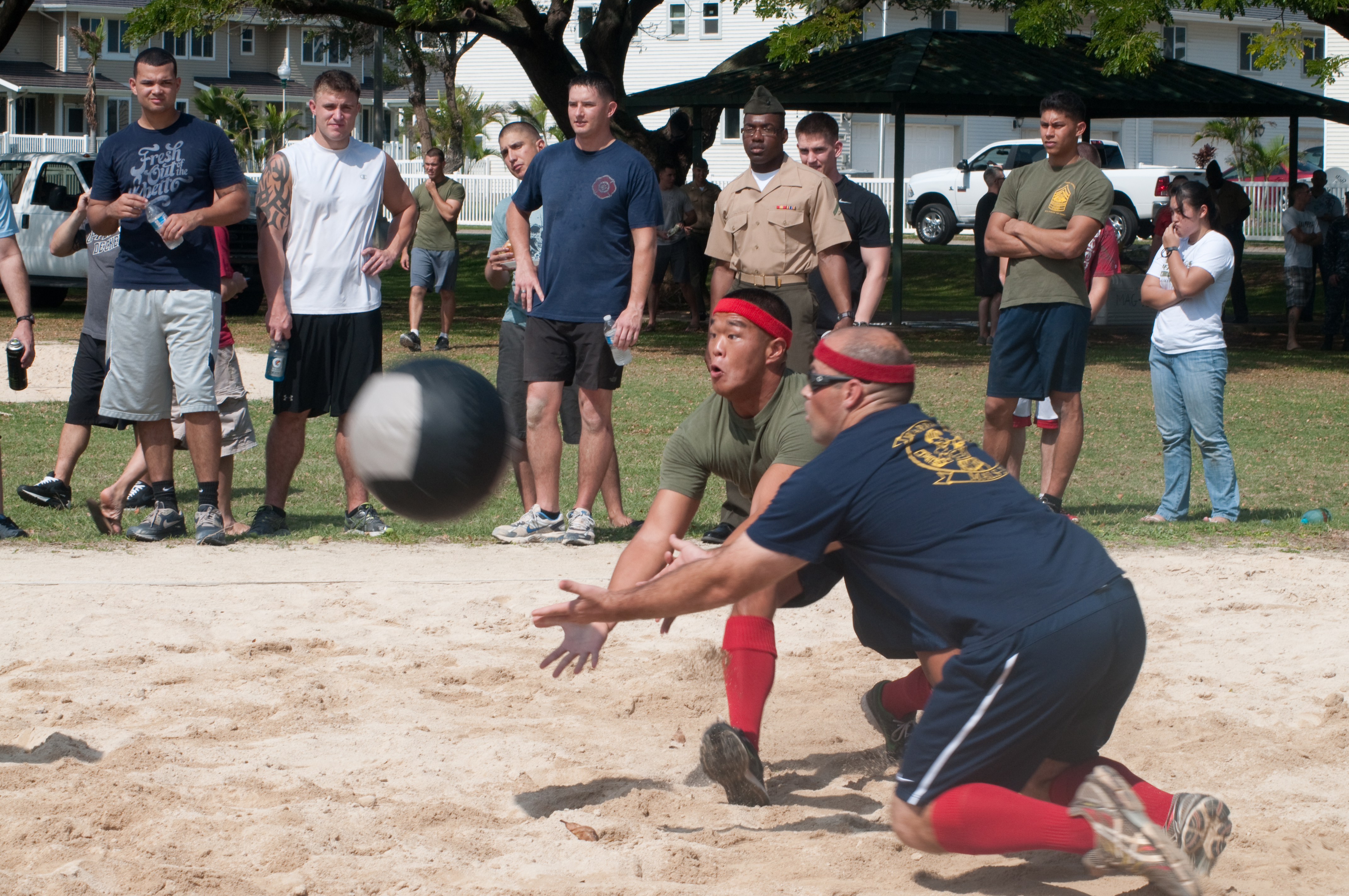
Hooverball’s appeal extended beyond the president himself. The game’s combination of fun, competition, and physical challenge drew in some of the nation’s most influential leaders. The so-called Medicine Ball Cabinet became legendary for participating in these vigorous sessions, demonstrating that fitness could coexist with governance, strategy, and decision-making.
Although Hooverball never became a nationwide sport during Hoover’s presidency, its legacy persisted in unique ways. The game has seen revivals in CrossFit gyms, military bases, and among fitness enthusiasts seeking functional and full-body workouts. Modern adaptations often employ heavier medicine balls, increasing the intensity and challenge of the exercise. In tribute to Hoover’s creation, the Herbert Hoover Presidential Library in West Branch, Iowa, hosts annual national championships, keeping the spirit of this historical fitness activity alive for new generations.
Beyond its practical and recreational significance, Hooverball offers a window into the culture of the White House during one of the nation’s most challenging periods. It illustrates how leaders coped with stress, maintained physical health, and fostered collaboration in high-pressure environments. It also reflects a broader historical lesson. Even amid national crisis, human ingenuity and the pursuit of wellness can find expression in unexpected forms.
The Cultural and Historical Significance
Hooverball is often remembered as a quirky anecdote about Hoover’s presidency, but it also illuminates the social and political dynamics of the era. During the early 1930s, the White House functioned not only as the center of executive power but also as a stage for public morale. While Hooverball itself did not directly impact policy, it symbolized the interplay between personal discipline and leadership. In a time when Americans were grappling with uncertainty and deprivation, the game highlighted the human need for structure, exercise, and camaraderie, even at the highest levels of government.
Moreover, Hooverball’s endurance into contemporary fitness culture demonstrates the timeless appeal of functional, full-body exercise. Unlike sports that emphasize specialized skills or equipment, Hooverball relies on simple principles of strength, coordination, agility, and strategy. Its revival in gyms and historical events underscores a fascination with historical practices that remain practical and engaging today.
Hooverball and Lessons for Modern Students
For educators and history enthusiasts, Hooverball provides a unique entry point to discuss the intersection of history, health, and presidential life. By examining the game within the context of the Great Depression, students can better understand the pressures Hoover faced, the social networks within the White House, and the ways in which physical activity played a role in leadership. Hooverball can serve as a case study in creativity, resilience, and the human dimensions of historical figures, reminding students that leaders grapple with personal and societal challenges simultaneously.
In teaching U.S. history, Hooverball can also complement lessons on the Great Depression by highlighting contrasts. While millions of Americans endured poverty, unemployment, and despair, the president and his advisers participated in rigorous physical exercise, revealing both the social stratification of the era and the role of personal discipline. This duality offers fertile ground for classroom discussion, critical thinking, and interactive activities, such as recreating Hooverball with adapted rules for safety and engagement.
Legacy
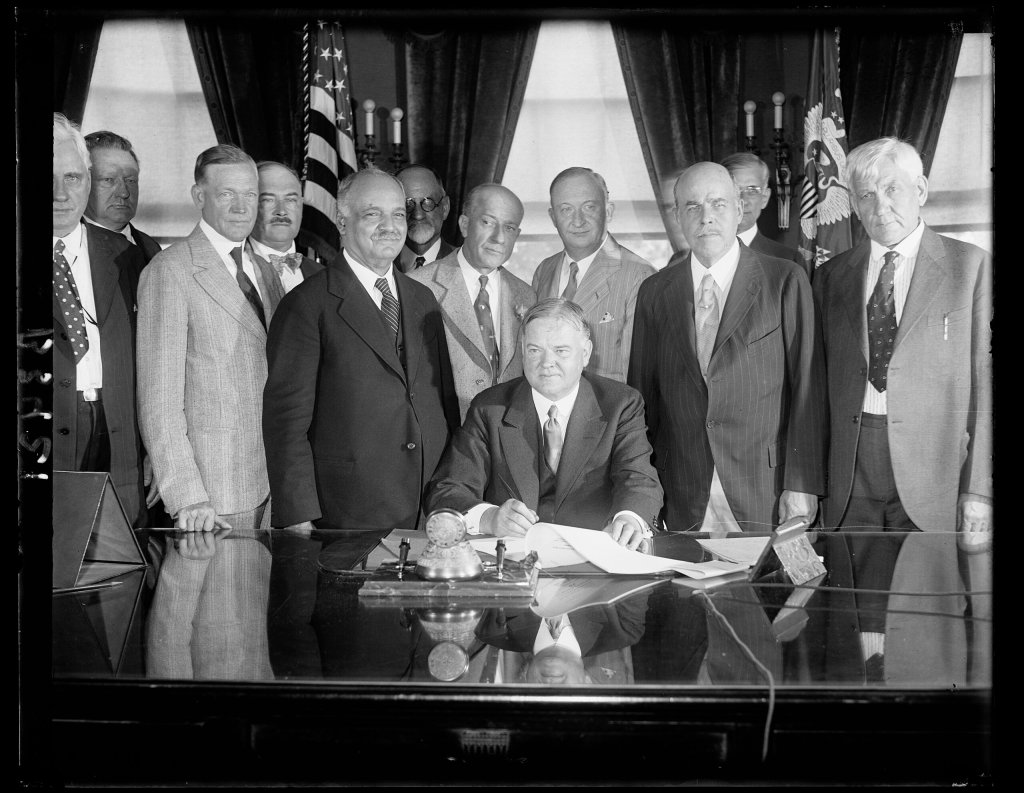
Hooverball may seem like an odd footnote in presidential history, but it embodies broader themes of resilience, innovation, and the human dimension of leadership. At the same time, Hoover’s presidency coincided with the onset of the Great Depression, a period of unprecedented economic hardship that tested the nation’s resilience. Hooverball was a small, but telling, reflection of the president’s commitment to maintaining physical health, focus, and social cohesion in the face of national crisis. While the game never became a widespread sport, its legacy endures in fitness circles and historical commemorations, offering a fascinating glimpse into how one president balanced the demands of office with the pursuit of personal well-being.
Ultimately, Hooverball is more than a curiosity. It is a symbol of how innovation, discipline, and human ingenuity can manifest even in the most unexpected ways. Whether played on the White House lawn or in modern gyms, the game reminds us that history is not only about policy and politics, but also about the ways individuals navigate life, challenge themselves, and leave enduring marks on culture and society.
With its combination of athleticism, strategy, and social connection, Hooverball remains a lasting testament to the vitality and creativity of President Herbert Hoover, a man striving to remain strong in body and spirit while the nation faced its darkest economic hour.