Editor’s Note: The following article contains graphic photos of dead people and might be disturbing to some readers.
When I teach the American Civil War to my students, I always remind them that war not only reshapes politics, borders, and governments, it can also change society in deeply personal ways. War affects how families mourn, how communities remember the dead, and how nations honor those who gave their lives.
Nowhere is that more apparent than in the Civil War, where radical changes in mourning and American burial practices became one of the conflict’s most profound and unexpected consequences.
Also Read: John Brown’s raid made the Civil War inevitable
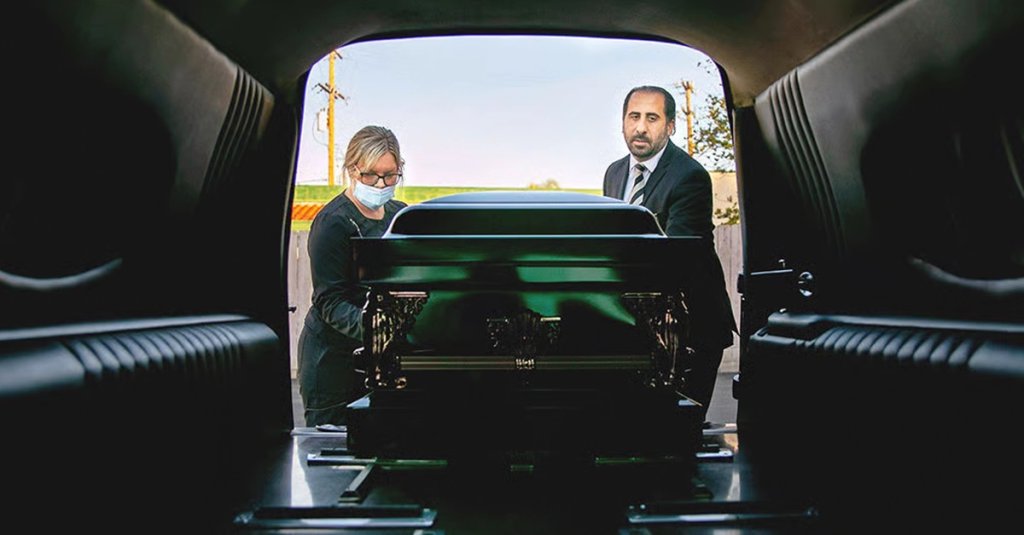
Most Americans know what happens after the death of a loved one. Funeral homes prepare the body. Families gather for a viewing or memorial service. The deceased is buried in a cemetery marked by a permanent headstone. The process is structured, professional, and guided by a well-established funeral industry.
This clean-cut process of grief is a relatively new phenomenon.
Before 1861, death was largely handled at home and in the community. The war wrought a massive death toll on both sides, an estimated 620,000 Americans. And those are just the soldiers. Tens of thousands of civilians were also killed by the war. It forced Americans to confront a new reality.
Soldiers were dying far from home in unprecedented numbers, and families desperately wanted a way to bring their loved ones home for burial. This demand led to innovations that permanently reshaped American society. Embalming became widespread. Undertakers evolved into professional funeral directors. The federal government established national cemeteries for the war dead. Systems for identifying and marking graves became standardized.
An entirely new industry was born.
Death in America Before the Civil War
To fully understand how dramatic these changes were, it is important to first look at how Americans handled death before the Civil War began.
In the early 19th century, most Americans lived in small rural communities. Families were often large, and extended relatives typically lived within close proximity to one another. When a death occurred, it was handled almost entirely by family members and neighbors.
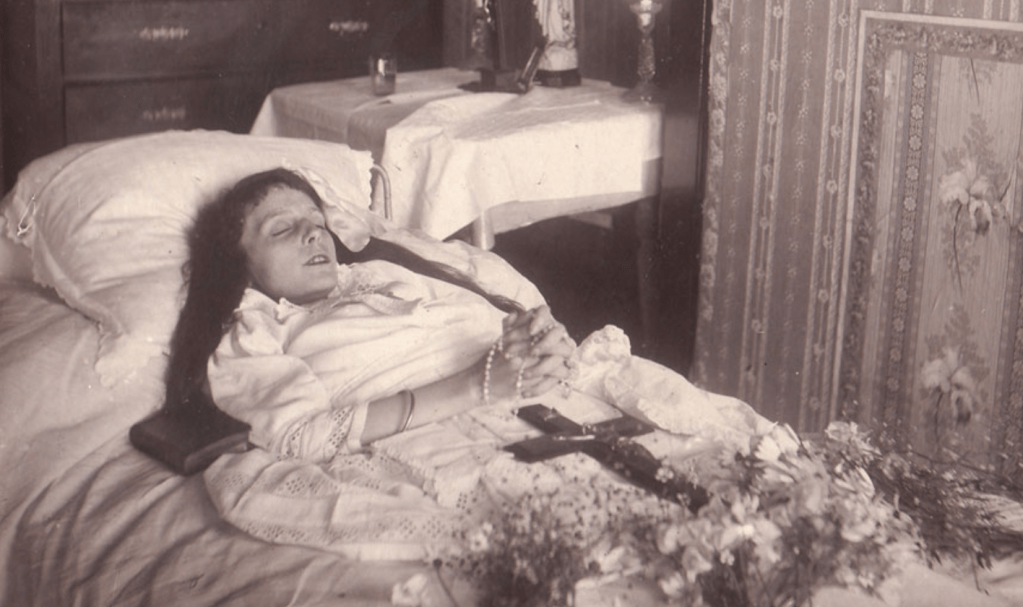
The body was usually washed and prepared by the women of the family. Friends and relatives helped dress the body in burial clothing. Local carpenters or craftsmen might build a simple wooden coffin if one had not already been prepared. In some cases, coffins were constructed within hours using whatever materials were available.
The body was then laid out in the family home for a wake or visitation. These gatherings allowed neighbors and members of the community to pay their respects before burial. Because there were no reliable preservation methods, funerals typically occurred quickly. In warm weather, burial might take place within a day.
Cemeteries during this era were also very different from what Americans see today. Many families buried their loved ones in small churchyards or family burial plots located on private land. Grave markers were often simple wooden boards or handmade stones. Over time, these markers deteriorated, leaving many graves unmarked.
Transporting bodies over long distances was extremely rare. If someone died far from home while traveling, working, or serving in the military, it was impossible to return the remains to their family. A person was usually buried where they died. Death was therefore deeply local. The Civil War would completely change all of this.
An Unprecedented Death Toll
When the Civil War began in 1861, neither the Union nor the Confederacy fully understood the scale of destruction that lay ahead. As the war progressed, the number of casualties rose to levels that shocked the nation. Most people thought it would end very quickly. Over the next four years, the Civil War would become the deadliest conflict in American history.
Even for individual battles, the scale of death is difficult to comprehend. Places like Antietam, Shiloh, Gettysburg, and Chickamauga produced thousands of casualties in a single day. Entire regiments composed of men from the same towns suffered devastating losses. When these units were destroyed in battle, the effects were felt across their entire communities.
And when those soldiers died, they were usually hundreds of miles from their homes. A young man from Maine might die on a battlefield in Virginia. A soldier from Illinois might fall in Tennessee. Families in small towns across the country waited anxiously for letters that would never arrive.
After a battle, the dead were buried quickly, often near the battlefield. Families often had no way of knowing exactly where their loved ones had been laid to rest. For a society that placed great importance on proper burial and mourning rituals, this created enormous emotional distress.
Americans wanted their sons and husbands returned home, but without some kind of preservation, it just couldn’t be done. It wasn’t long before American capitalism sought new solutions to a country-wide problem.
The Birth of Modern Embalming
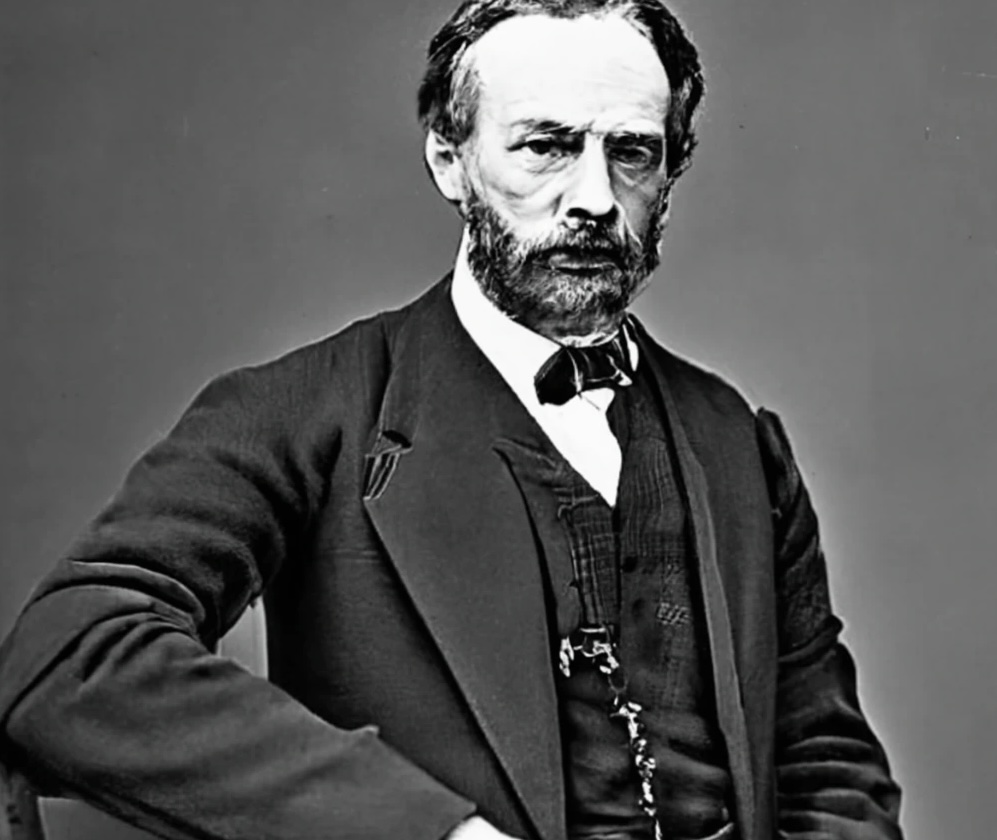
Embalming is the process of preserving a body by injecting chemical solutions that slow decomposition. While forms of embalming had existed for centuries in other parts of the world, the practice had never been widely used in the antebellum United States. That began to change with the work of Dr. Thomas Holmes, a New York physician often referred to as “the father of modern American embalming.”
At a time when doctors were using mercury and alcohol to preserve cadavers, Holmes experimented with arsenic-based compounds. He even developed his own fluid pump. His work slowed the decomposition process, allowing the body to remain preserved for a longer period of time.
The first Union officer to be a casualty of the Civil War was Col. Elmer E. Ellsworth, a personal friend of Abraham Lincoln. Ellsworth was shot while removing a Confederate flag from a Virginia town captured by Union troops. The surgeon assigned to Ellsworth’s remains was none other than Capt. Thomas Holmes.
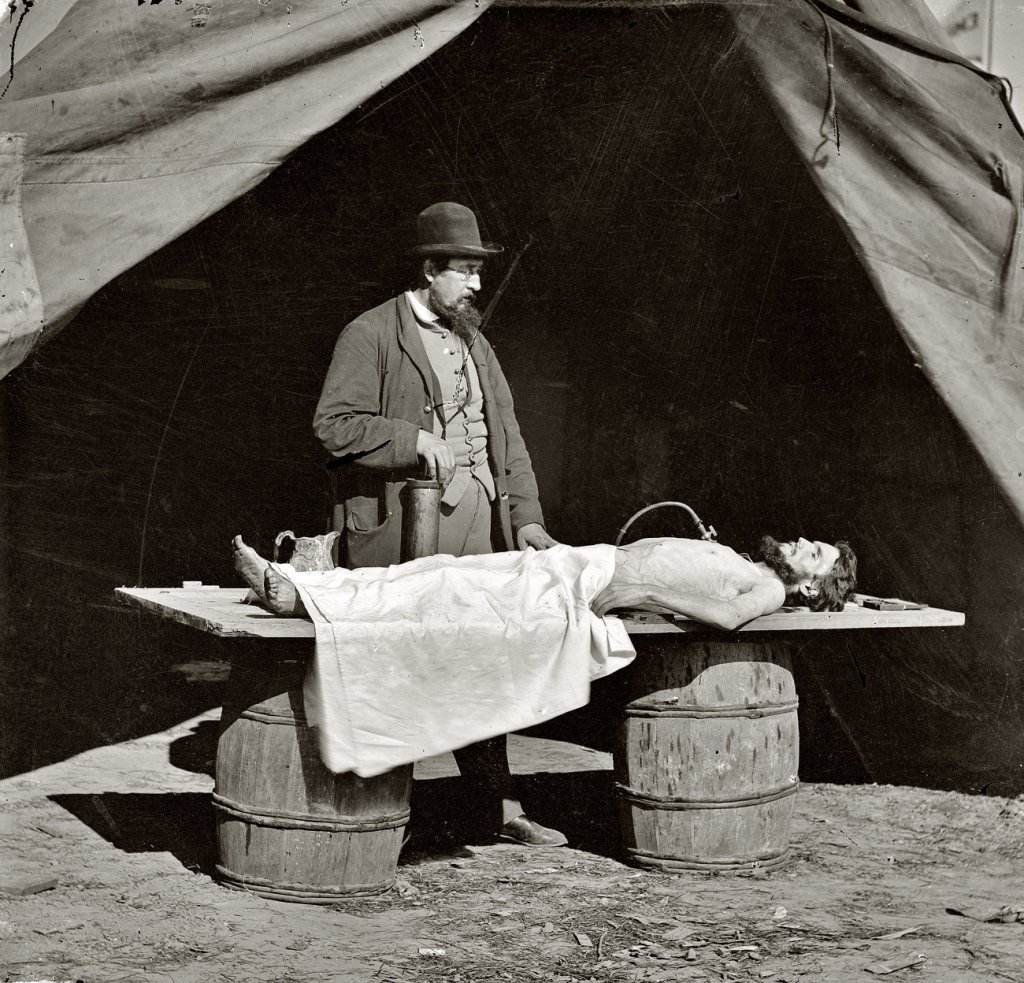
Holmes embalmed Ellworth for free, allowing the colonel’s body to be transported and put on display for a public viewing. Mourners were amazed at Ellsworth’s lifelike looks, but none more so than President Lincoln. The president commissioned Holmes to begin training embalming surgeons to use the process on soldiers killed on the battlefield, so they might be taken home to their families.
The Confederates never tried it, but the Union Army offered an $80 fee for the embalmed body of an officer and $30 for a soldier. During the Civil War, an estimated 40,000 soldiers were embalmed and returned to their families for burial. This innovation would permanently reshape American funeral practices.
Battlefield Entrepreneurs
After Lincoln had his son Willie embalmed in 1862 to be transported home to Illinois, the demand for embalming services exploded, and a new class of entrepreneur emerged to meet it.
For many soldiers, the uncertainty of combat made them wonder what would happen to their remains if they fell. Embalmers, quick to capitalize on this anxiety, began offering a pre-payment option. Soldiers could pay in advance and receive a card to carry into battle as proof of purchase.
This morbid insurance policy gave many men a measure of peace of mind, knowing that if they were killed, their bodies could be preserved and sent home to their families rather than left in a shallow, unmarked grave.
The service, however, came at a steep price. The cost of embalming during the war typically ranged from $25 to $100 per body—a small fortune at the time, often equaling several months of wages for an average worker. The expense did not end there. Families also had to cover the cost of a coffin, rail transportation for the remains, and a funeral back home.
Because of this financial burden, embalming remained a luxury largely reserved for officers and wealthier families, who could afford to bring their loved ones home for a proper burial.
Despite its cost, the demand for preservation sparked a rapidly expanding and highly competitive industry. It also led to embalmers with no medical experience competing for the bodies of officers after a battle, because their families were more likely to have the means to pay. By the end of the Civil War, these unscrupulous vultures were so widespread that the Union Army had to order that only licensed embalmers could handle the war dead.
Advertisements for their services began appearing in newspapers, promising safe transport of deceased soldiers to their families. Though sometimes unregulated and opportunistic, this entrepreneurial activity laid the crucial groundwork for what would eventually become the modern American funeral industry.
The Reality of Civil War Dead
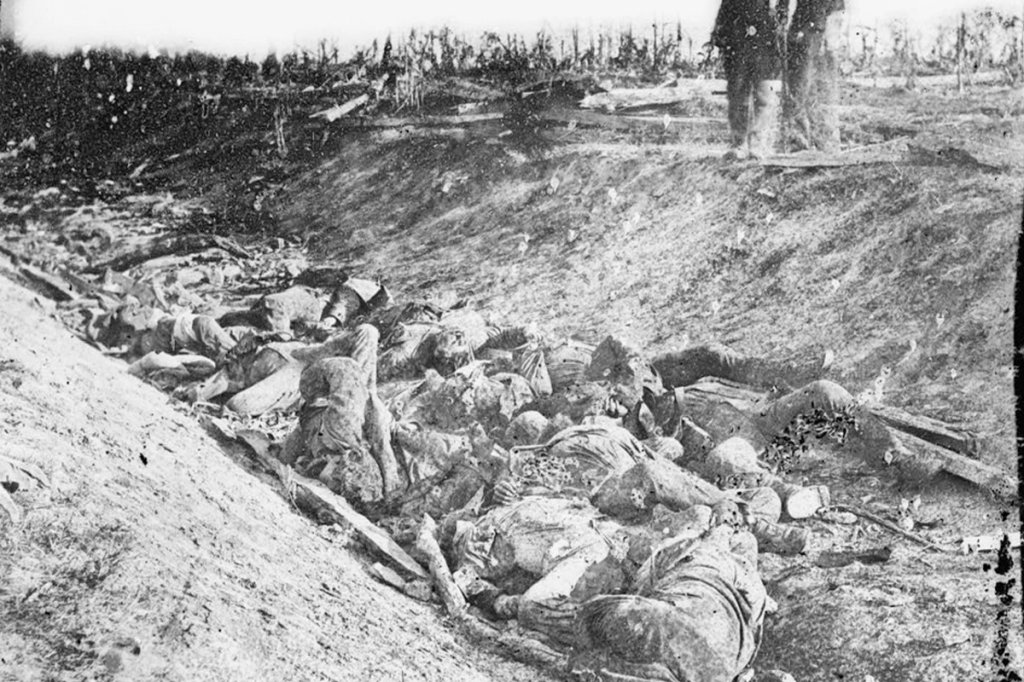
While embalming provided comfort to some families, the majority of soldiers who died during the Civil War did not receive this treatment. Burials were often hurried due to the ongoing dangers of the battlefield. Soldiers and burial crews dug shallow graves and placed wooden boards at the head of the grave to record the name of the deceased if it was known.
In many cases, these markers were temporary and deteriorated quickly. Over time, thousands of graves became unmarked. Mass graves were also common after major battles when the number of dead overwhelmed burial crews. The identities of many soldiers were lost in the chaos.
By the end of the war, some 40% of Union soldiers buried in military cemeteries were listed as unknown. For families searching for their loved ones, the uncertainty was devastating. Letters poured into the War Department asking for information about missing soldiers. Mothers and wives traveled to former battlefields in search of graves.
Creating National Cemeteries
Recognizing the scale of the crisis, the federal government took an unprecedented step in 1862. Congress authorized the creation of a national cemetery system for soldiers who died in service to the Union. This decision marked a turning point in American history. For the first time, the federal government assumed responsibility for the burial and long-term care of military dead.
Land was purchased near major battlefields and military hospitals to create cemeteries dedicated to Union soldiers. These cemeteries provided a dignified resting place for those who could not be returned home.
One of the most famous examples is the cemetery at Gettysburg. Following the devastating battle in July 1863, thousands of Union soldiers were buried in the newly established Gettysburg National Cemetery. In November of that year, the cemetery was formally dedicated, and President Abraham Lincoln delivered the Gettysburg Address.
Lincoln’s brief but powerful speech emphasized the nation’s responsibility to honor those who had given their lives so that the United States might survive.
Another significant burial ground that emerged during this period was Arlington National Cemetery. Located on the former estate of Confederate Gen. Robert E. Lee, the property was seized by the federal government during the war. In 1864, it was designated as a military cemetery.
The decision to bury Union soldiers on Lee’s land carried symbolic meaning. It ensured that the estate would never again be used by the Confederate general and, at the same time, created one of the most important military cemeteries in the nation. Over time, Arlington became the final resting place for soldiers from every American conflict.
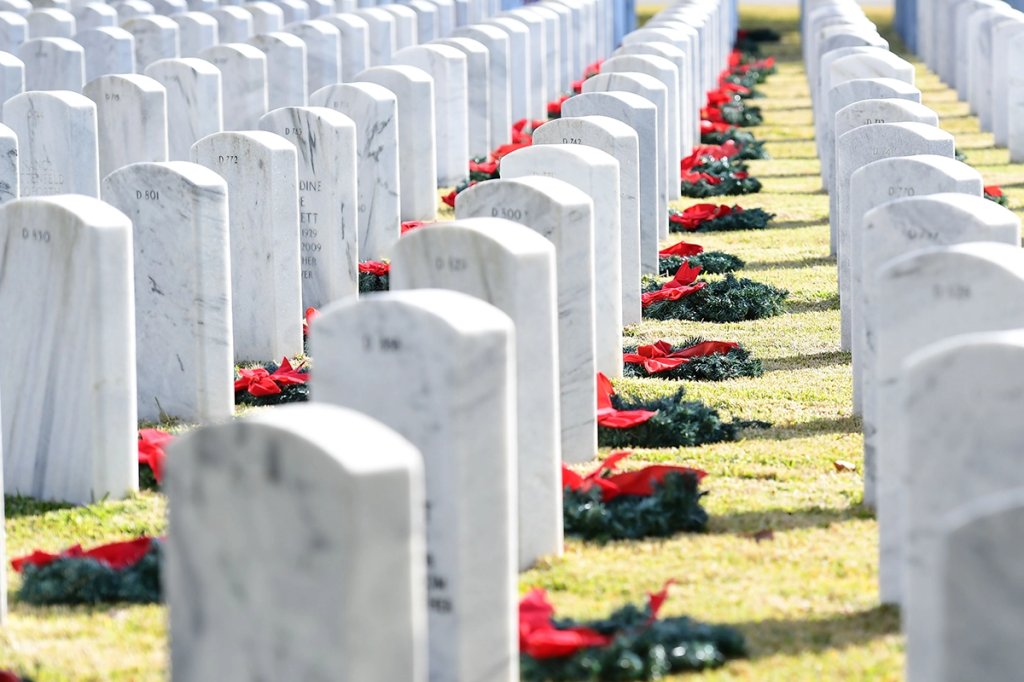
As the national cemetery system developed, officials recognized the need for consistent methods of identifying and marking graves. To create lasting memorials, the government began introducing standardized headstones made of durable materials.
These markers listed the soldier’s name, rank, military unit, and state when that information was known. The design was intentionally uniform. Rows of identical headstones reflected the idea that every soldier who served the nation deserved equal recognition in death, regardless of rank or social status.
The visual impact of these cemeteries remains powerful today. Visitors walking through places like Arlington or Gettysburg see long rows of white markers stretching across the landscape. Each stone represents an individual life lost in service to the nation.
The Modern Funeral Director
These Civil War innovations led to the professionalization of the entire American funeral industry. Before the war, undertakers were usually craftsmen who built coffins as part of other trades. After the war, embalmers who gained experience preserving soldiers returned home and began offering their services to civilians.
The undertakers expanded their role beyond coffins. They became the one-stop shop for embalming, organizing funerals, arranging transportation, and managing burial services. The profession gradually evolved into what we now know as the funeral director. Funeral homes soon appeared in towns and cities across the country, specializing in caring for the deceased and assisting families during the mourning process.
How the fastest manmade object ever was once a manhole cover launched by a nuke
An astrophysicist calculated the manhole cover traveling at 125 mph during a test as part of Operation Plumbbob.
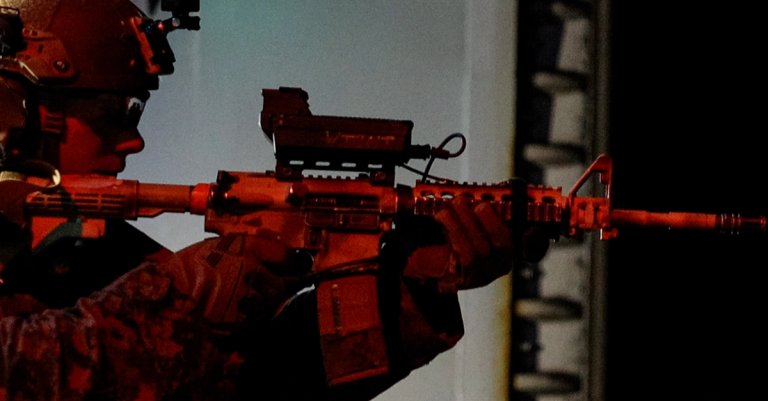
SMASH2000: Finally, an AI-powered optic that turns your AR-15 into a drone hunter
The anti-drone weapons has a 95% hit rate.
The 3 best ways an officer can earn the trust of their NCOs
NCOs are the backbone of a unit. It’s literally in the manuals.
Embalming did not immediately become the dominant method of body preparation after the Civil War. In the years following the conflict, many families returned to traditional burial practices. But these techniques permanently altered public expectations.
As American cities grew and transportation networks expanded during the late 19th century, families became more geographically dispersed. Embalming once again proved useful for preserving bodies before funerals or transporting them long distances.
By the 1890s, embalming was widely accepted as part of the funeral process. Funeral homes increasingly offered embalming as a standard service, and the profession of funeral directing continued to expand.
Teaching Students About War and Society
When I teach my students about the Civil War, they are often drawn first to the dramatic events of the battlefield. They want to learn about generals, strategies, and the major turning points of the war.
Those topics are certainly important. But I also want my students to understand that wars reshape societies in ways that go far beyond the battlefield. The transformation of burial practices during the Civil War is one of the most powerful examples of this.
Students are often surprised to learn about the modern funeral industry’s Civil War roots. They begin to understand that practices they see today all emerged from the nation’s struggle to deal with unprecedented loss. These lessons help students see history not just as a series of events but as a story about how people respond to crisis and adapt to new realities.
When Americans visit national cemeteries or attend military funerals these days, they are participating in traditions that were shaped by the Civil War. The careful preparation of the body, the presence of funeral professionals, and the rows of identical headstones in military cemeteries all trace their origins back to the challenges faced during that conflict.
As a historian and educator, I believe it is important for students to understand these connections. Behind every headstone in a national cemetery is a story of sacrifice, loss, and remembrance.
Don’t Miss the Best of We Are The Mighty
• James Capers Jr.’s long road to the Medal of Honor
• The history of American-Iranian relations is a lesson in unintended consequences
• The Yellow Footprints: The Marine Corps Educators Workshop