
From a barstool in Philadelphia to black sand and frozen ridgelines, the Marine Corps has collected legends like challenge coins.
Born on November 10, 1775, the Corps forged its identity in a tavern and has since advanced in every clime and place. This is a fast march through the moments, mottos, and mythological stories that built the Marines’ swagger and the reputation to back it up.
Founded in a Bar
Before the Second Continental Congress declared our independence from Great Britain, they realized we would probably need troops first.
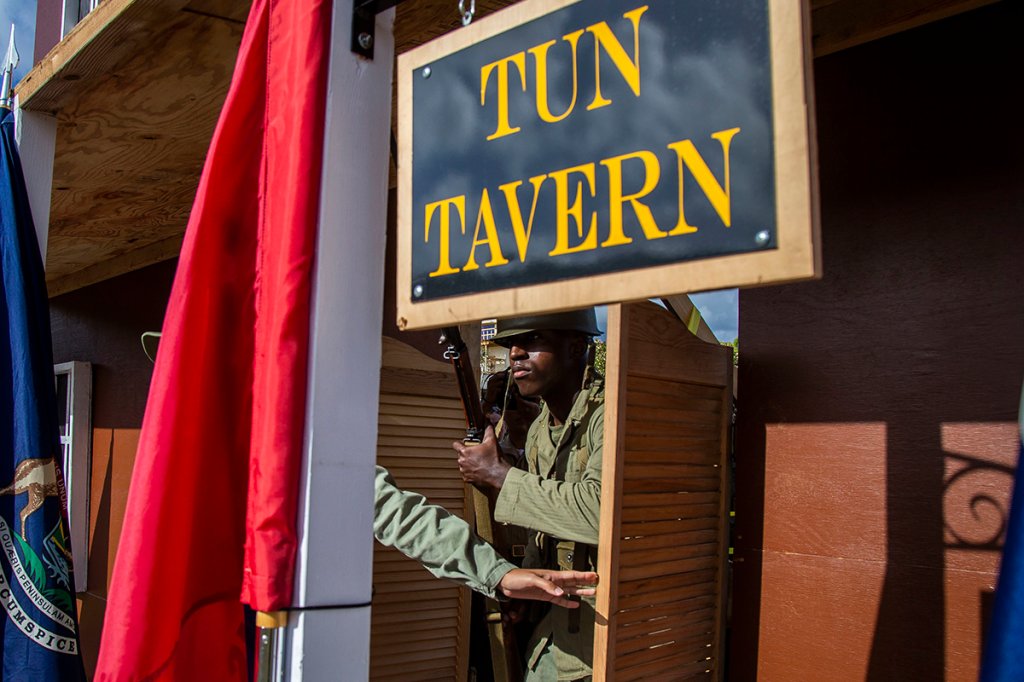
So on November 10, 1775, they issued a decree calling for “two battalions of Marines” to be raised to serve as soldiers of the sea. Samuel Nicholas had to recruit these guys from somewhere, so he went to a bar. Legend holds that the first Marines to sign up for this new outfit were patrons of the Tun Tavern in Philadelphia.
Have people disputed this legend? Yes. Were they probably members of other service branches who are jealous that their branch wasn’t founded in a bar? Also, yes.
The Shores of Tripoli
Marine Time Machine: Shores of Tripoli, The Battle of Derna
Yes, that part came first despite being named second in the Marines’ Hymn.
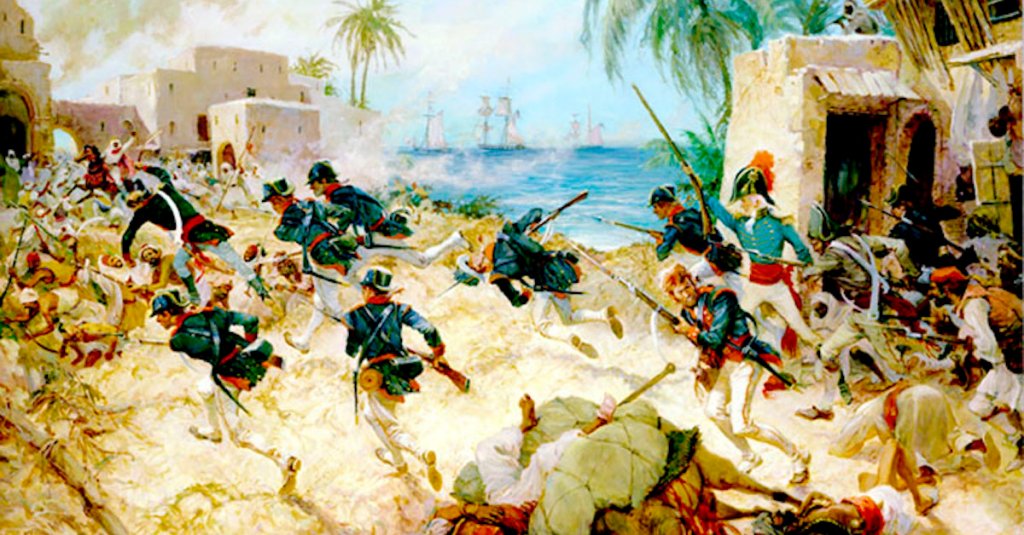
The Marines took the fight to the Barbary pirates of North Africa and marched 500 miles, where they fought in the Battle of Derna. The Marines came home as heroes, and the legend of the Mameluke sword was born: Marines believe it was first presented to Lt. Pressley O’Bannon by Ottoman viceroy Prince Hamet. Of course, some naysayers say it never happened, but they probably served in branches that didn’t have awesome-looking swords like the Mameluke.
The Halls of Montezuma
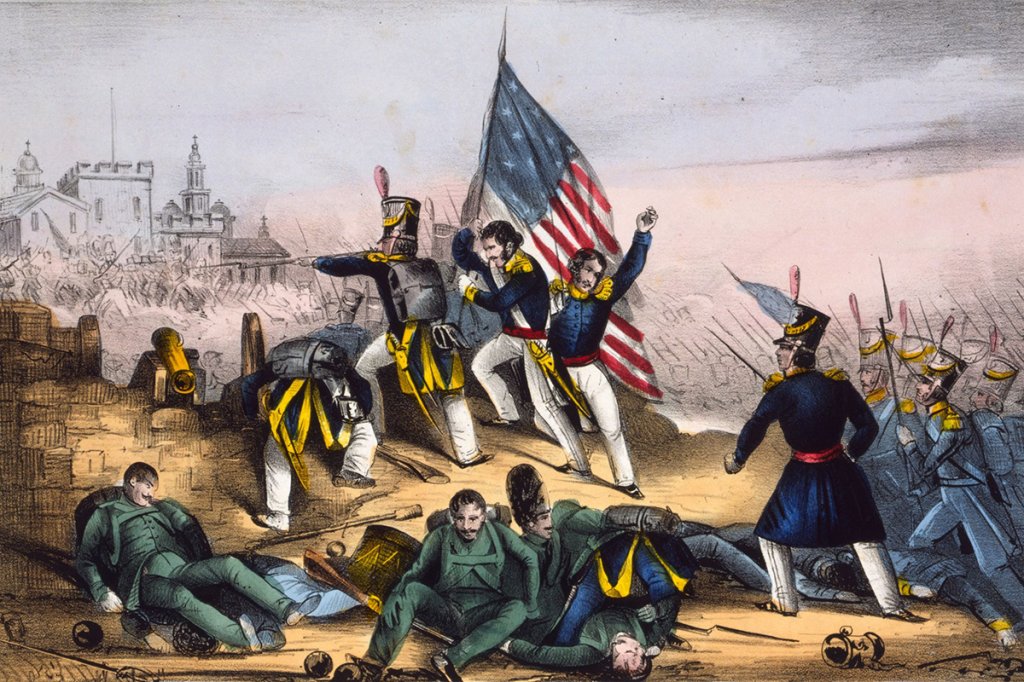
Another legend holds that the “blood stripe” on the blue trousers of the Marines’ dress uniforms honors fallen noncommissioned officers (NCOs) who fought valiantly at the Battle of Chapultepec.
The assault on the palace and defense by the Mexicans (including cadets) was short but became legendary. Now, we have to admit that the vast majority of Americans were in the Army, including future Civil War generals such as Ulysses S. Grant, George Pickett, James Longstreet, John C. Pemberton, “Stonewall” Jackson, P.G.T. Beauregard, and Robert E. Lee.
But the Marines’ efforts in the battle and the Mexican War itself were huge and gave us bragging rights that ended up in our beloved hymn.
Sousa and the Soundtrack of America

SOUSA The Stars and Stripes Forever – "The President's Own" U.S. Marine Band
John Philip Sousa joined the Marines at age 13 in 1968 and returned as its conductor, where he served until 1892.
During that time, he honed the Marine Band into one of the best (if not the best) military bands in the world. They became known as “The President’s Own,” and Sousa wrote marches that would epitomize the patriotism of the United States. From “Semper Fidelis” to “The Washington Post March” to the July 4 showstopper “The Stars and Stripes Forever,” it was a Marine who has amplified the soundtrack of American patriotism to this day.
The Hounds from Hell
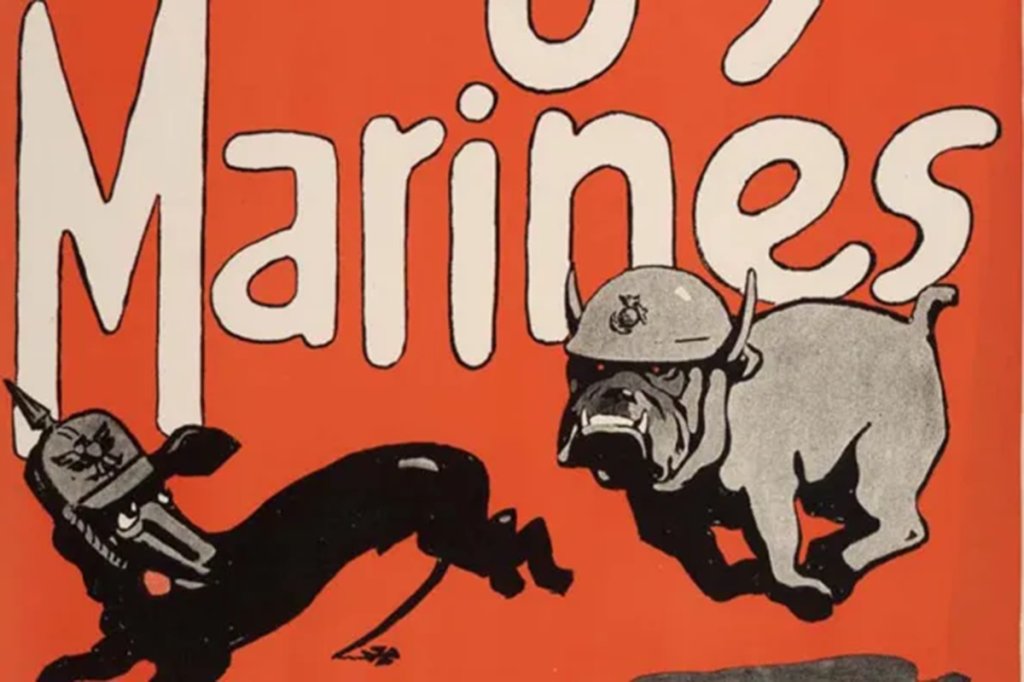
The haters will say the term “Teuful Hunden” or “Devil Dogs” was one that predated the Battle of Belleau Wood and was the creation of an American journalist.
Those haters probably belong to branches where they wear blue suits or white bell-bottoms to work.
Regardless of its origin, the name is associated with the battle where Marines crushed the German advance with aggressive countercharges and insane marksmanship. When Sgt. Maj. Dan Daly screamed, “Come on, you sons of bitches. Do you want to live forever?” it unintentionally epitomized the crazy streak in all jarheads.
Guadalcanal
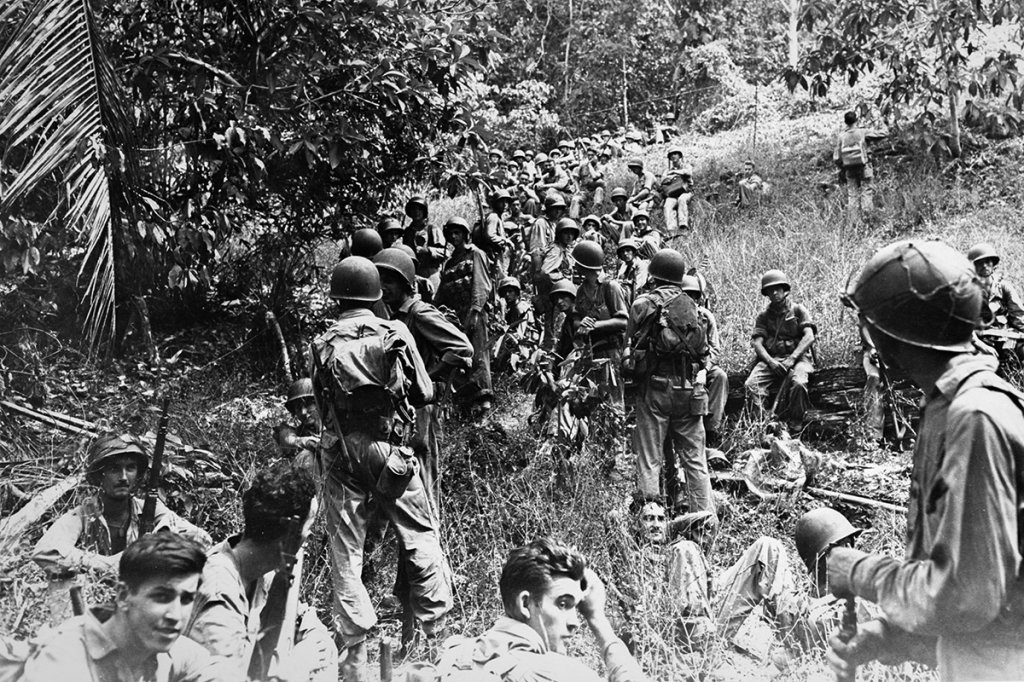
America was reeling after Pearl Harbor, and only eight months after the attack, the U.S. launched its first major land offensive against the Japanese.
The Battle of Guadalcanal lasted 6 months, 2 days, and saw the Marines repeatedly hold off counterattacks and banzai charges. The fighting showed how tenacious and vicious the Japanese would be in the remaining campaign, but it also displayed to the world that there was one group vicious enough to fight back.
The Japanese and Americans would meet again several times and finally went all out on the black sands of Iwo Jima.
Iwo Jima
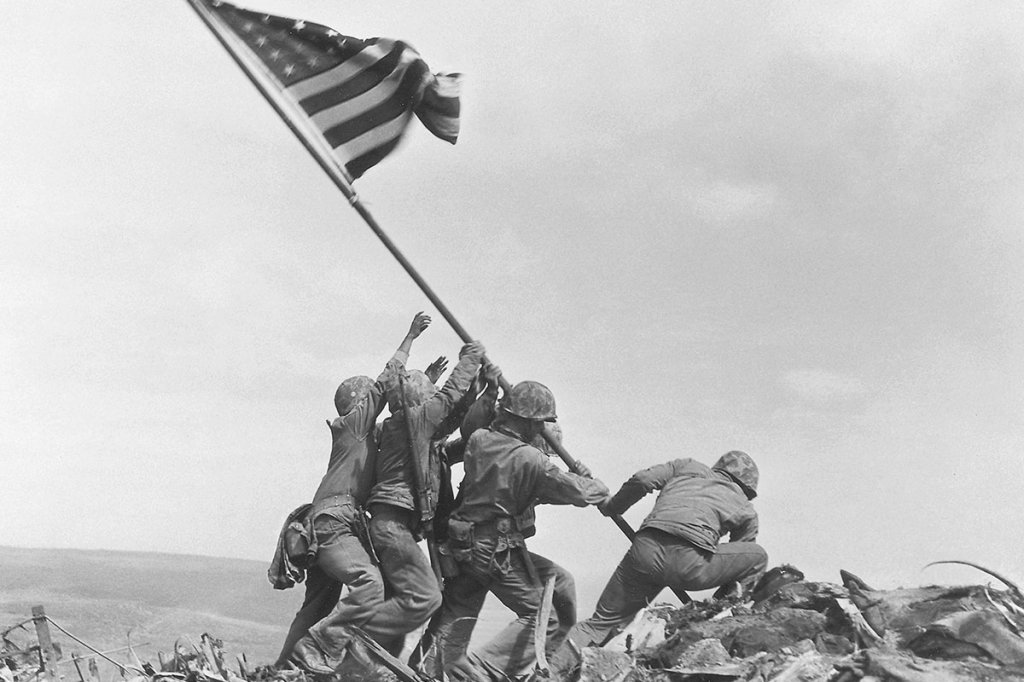
It’s the most famous photograph in American history: Brave Marines hoisting the flag of our country on the summit of Mount Suribachi on Iwo Jima.
The picture went around the world, was widely reproduced, and symbolized victory against an immense evil.
However, with the Marines, nothing ever comes easy. The flag-raising occurred early in the battle, and the Marines had to fight for more than a month before finally clearing the island.
Frozen Chosin
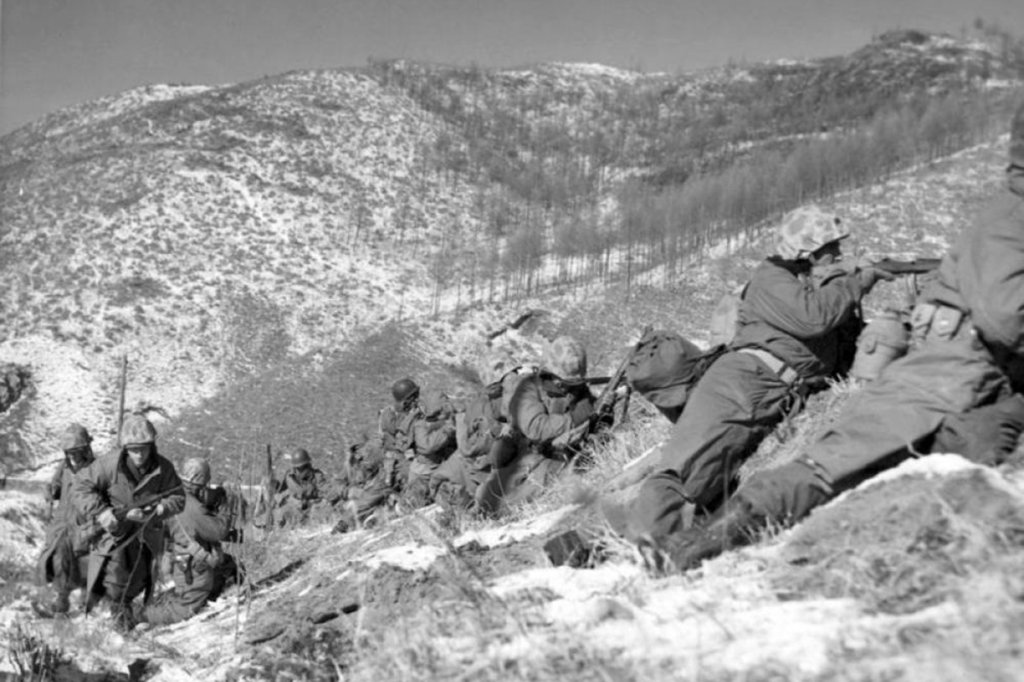
Surrounded, massively outnumbered, and in the middle of winter?
For the Marines at the Chosin Reservoir, that just meant that the odds were even. Smack talk aside, the United States and its allies found themselves in a world of hurt when they were surrounded. Ready to be crushed, the North Korean and Chinese troops outnumbered them 10-to-1.
The Marines not only fought, forced a breakout, and evacuated to safe ground; they also knocked nine Chinese divisions out of the war (and out of this life) along the way.
Few, if any other forces, could have done what they did.
Hue City
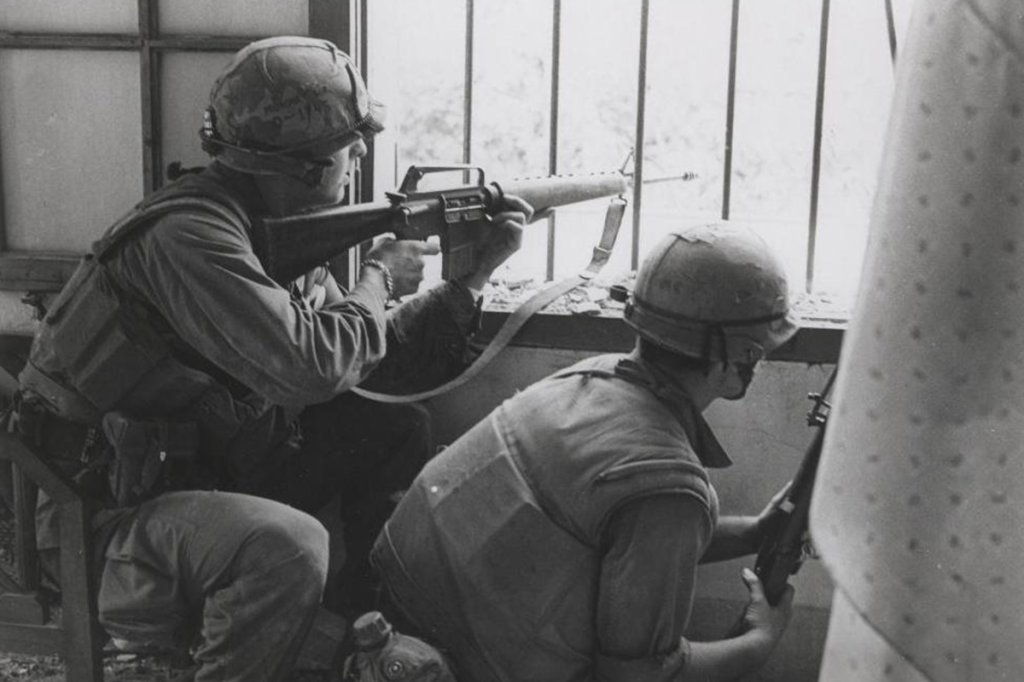
You normally associate Vietnam with jungle warfare, but the Marines added street fighting to their resumes during the Battle of Hue.
After the Tet Offensive caught Americans and South Vietnamese by surprise, Marines went to recapture the ancient city (and Vietnam’s ancient imperial capital) of Hue. The house-to-house fighting was intense, and public opinion about the war soured after the battle was over, but the Marines weren’t there for public opinion.
They had their job, did it, and liberated the city.
Iraq and Afghanistan
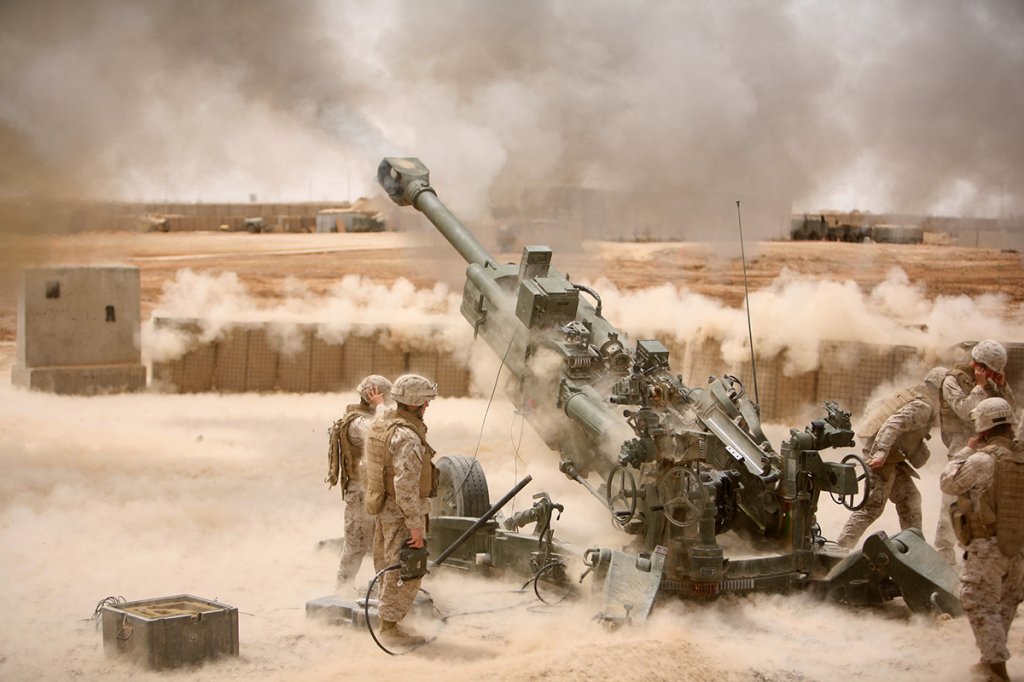
Fallujah, Ramadi, Najaf, Marjah, Helmand, Sangin, and other places that Marines were sent to so the United States could fight its Global War on Terrorism.
Many of us answered the call after the attacks on 9/11 and were drawn into what seemed like a conflict that would never end. The term “forever wars” came from these places.
However, like our brethren from the other branches, the Marines proved they could fight in “every clime and place where we could take a gun.”