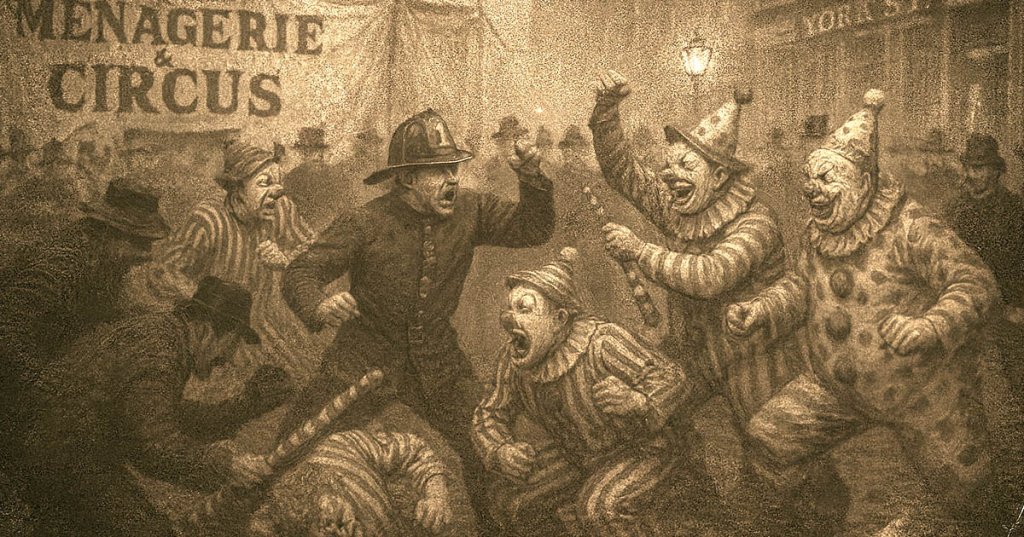
In the summer of 1855, Canada was far from the polite neighbor up north with a penchant for weird bacon and a Tim’s double-double. In reality, Toronto was more like Bill the Butcher’s Five Points in “Gangs of New York.” And so were the city’s fire brigades.
So when a traveling circus rolled through town and its clowns found themselves on the wrong side of a local hook and ladder unit, they might not have realized they were fighting over more than a brothel; they were fighting the city’s entire establishment.
The Toronto Circus riot was just one in a series of many riots that dotted the history of its government, but it was the beginning of the end for the political machine that ran the city and the police officers who enforced that control. It’s also a story that makes “send in the clowns” sound more akin to “send in the Marines.”
Toronto was a fast-growing city in 1855, with a population roughly on par with Washington, D.C. at the time. It also had a culture much more akin to that of American frontier towns than the bustling metropolis of high-rises and fried chicken-loving hockey fans we know today. And with more and more immigrants pouring in all the time, there was bound to be friction between disparate groups like Catholics and Protestants—just like in the United States.
To top it all off, it was also filled with saloons and brothels (also just like many U.S. cities of the era), numbering 152 bars, 203 beer shops, and many, many brothels. It was at a brothel on John Street that the clowns first met the local firefighters.
No one is entirely certain why the fight started, but based on descriptions of the two sides, a clash seems inevitable.
The Clowns
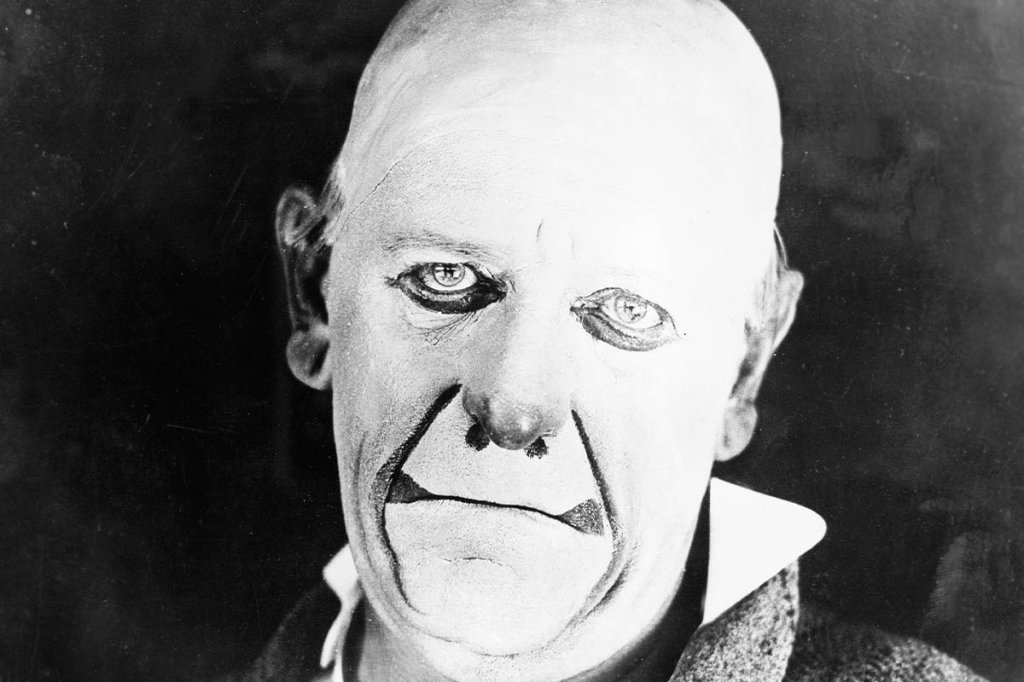
The clowns visiting Toronto that day were, of course, American. They were part of S.B. Howes’ Star Troupe Menagerie & Circus, which included horse tricks, acrobats, and a slew of exotic animals.
After performing two shows that hot July day, they were understandably parched and in search of refreshment for their night off. They chose a house of ill repute, a bordello, a building filled with ladies of the night.
Clowns back then were just like clowns today in that they were and are (allegedly) intended to be comical characters who interact with the other clowns, other circus performers, and even the audience.
Unlike clowns today, the clowns of mid-19th-century America were considered an adult performance, using more burlesque styles of humor, to put it mildly. To put it less mildly, church leaders warned their congregations against going to circuses due to the half-naked women, profanity, and booze-filled seediness of the show.
They were reportedly ill-mannered, muscle-bound clowns who performed hard labor when not clowning around, “a very dissolute set of men.” It was a very different time.
The Firefighters
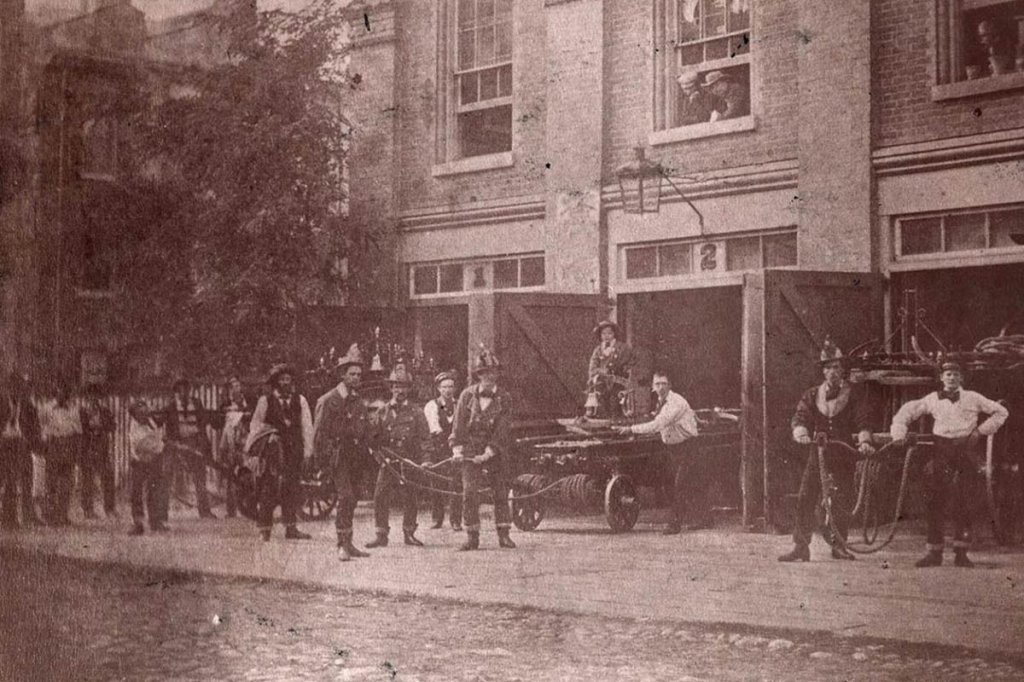
Fire brigades in the 1850s were not your friendly local, volunteer, or government-run group of America’s bravest. Though brave, these brigades were more like fraternal organizations (like the Freemasons or Odd Fellows). They were known for racing their engines to the scene of a fire before others, and were as likely to fight with another brigade over dousing the fire as they were to fight the fire itself. Street brawls between houses could turn into blood feuds and riots in the streets.
Such was the case with the Toronto firefighters who, just a few weeks before the circus came to town, arrived at a fire on Church Street only to be met by another house. After a fight broke out between the brigades, the firefighters ransacked the homes they were supposed to be saving. When the Toronto Police arrived on the scene, the firemen fought them too. “Gangs of New York” was remarkably accurate.
One of the brigades at what came to be called the “Firemen’s Riot” was the Hook & Ladders, whose watering hole happened to be the brothel in which S.B. Howes’ Star Troupe Menagerie & Circus clowns stopped into on July 12, 1855.
The Toronto Circus Riot
By today’s standards, one might predict that once a bar fight breaks out between clowns and firefighters, it would be a reasonably quick, lopsided brawl and that the firemen would emerge victorious. They would be wrong.
Again, no one is really sure how the fight started, but once it got going, the Hook & Ladders were tossed out of the brothel on their volunteer asses, with two seriously injured. The clowns probably thought their quick victory would be the end of the story. They were wrong, too.
Toronto at the time was governed by the Orange Order, another fraternal group of Protestants that had a stranglehold on virtually every aspect of life in the city, much like Tammany Hall dominated New York City (also depicted in “Gangs of New York”). The firefighters were members of the order, called “Orangemen,” just like the city leadership, the Toronto Police Service, and other important offices.
Since everyone knew where the circus troupe had pitched its tents, the Orangemen began to gather with one goal in mind: vengeance. A large crowd began to make its way down to Fair Green to meet the clowns.
Chief of Police Samuel Sherwood, also an Orangeman, was aware of what was happening and essentially let it go until the last second. By the time the police arrived on the scene, things had already gotten out of hand. That’s what happens when you pick a fight with the city’s entrenched power structure.

After throwing a barrage of stones at the circus, the Hook & Ladders charged, axes and pikes in hand. They set fire to the tents, overturned carts, and pummeled the clowns—the circus performers who could tried to escape by jumping into the river. That’s what you won’t see in “Gangs of New York.”
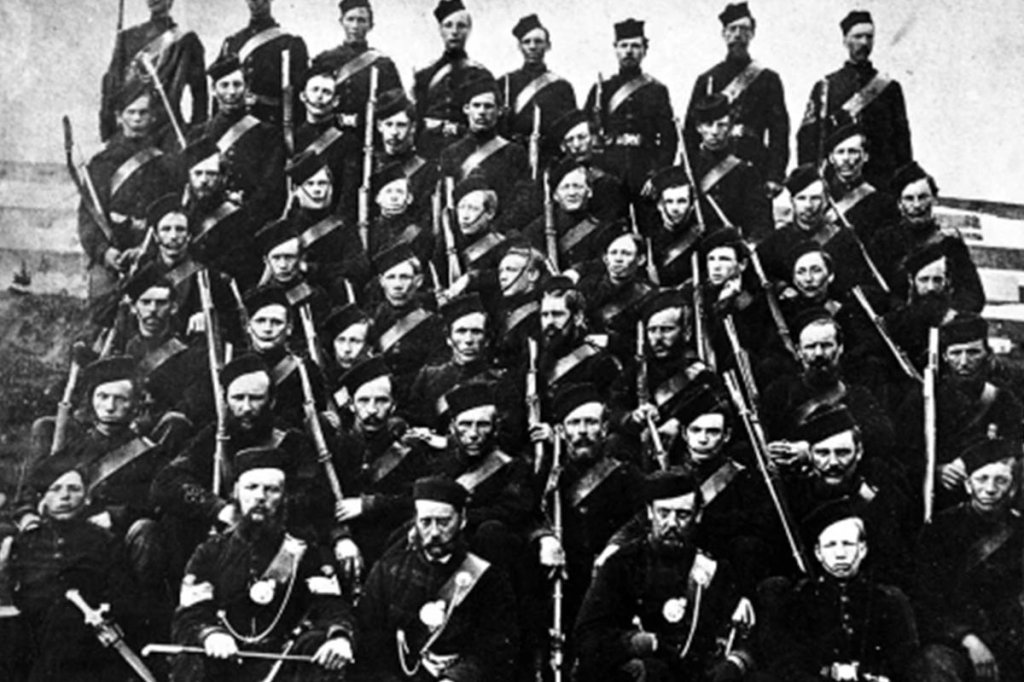
To the clowns’ credit, there were only a handful of them, and they held the crowd off for a long time, but they were just overwhelmed. When the mayor showed up, the police had done nothing except save the animals, so he called in the militia to stop the violence.
Some 17 people were charged in connection with the Toronto Circus Riot, but only one was convicted. Chief Sherwood would come under fire (not literally) in years to come for his blind eye toward Orange lawlessness. The violence against the clowns was just one step toward the Toronto police’s undoing.
By 1959, the entire force was fired, and the Toronto Police Service was reorganized to become the law enforcement agency it is today.