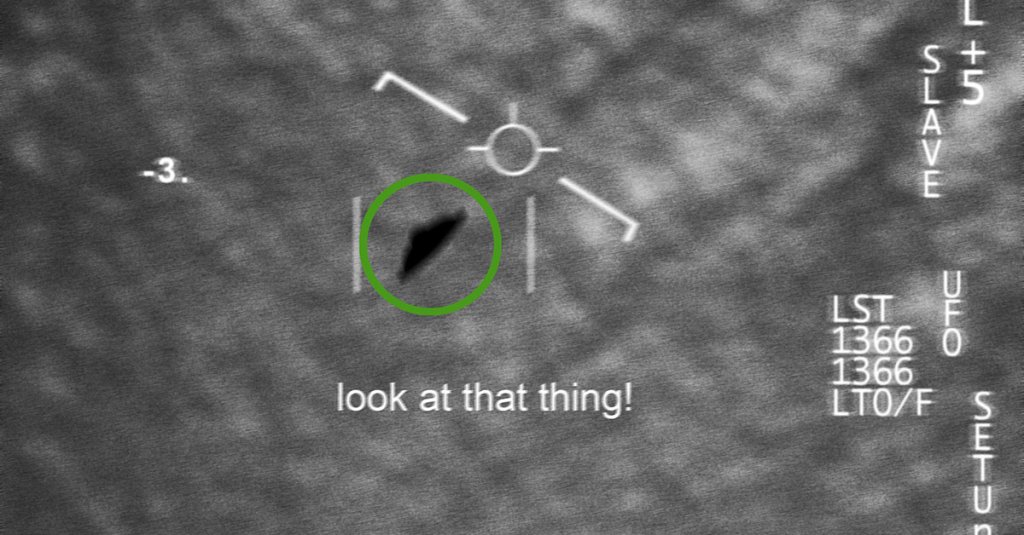
For more than three quarters of a century, reports of strange objects in the sky have unsettled pilots, challenged scientists, and tested the credibility of governments.
What began in the late 1940s as scattered sightings of so-called flying saucers has evolved into a modern national security issue discussed openly in Congress under the term Unidentified Anomalous Phenomena, or UAP. Two men, separated by generations but united by military service and a refusal to accept official dismissals, played defining roles in that transformation. Maj. Donald E. Keyhoe and Luis Elizondo each forced the United States to confront uncomfortable questions about what is operating in its airspace and how much the government should tell the public.
Related: The 1952 UFO Washington sighting that upended decades of denial
Their work reflects not only changing technologies but also changing attitudes toward secrecy, transparency, and the responsibilities of democratic institutions. Together, they form a continuous historical thread linking the earliest UFO debates of the Cold War to today’s formal federal reporting systems.
The Origins of Modern UFO Investigation
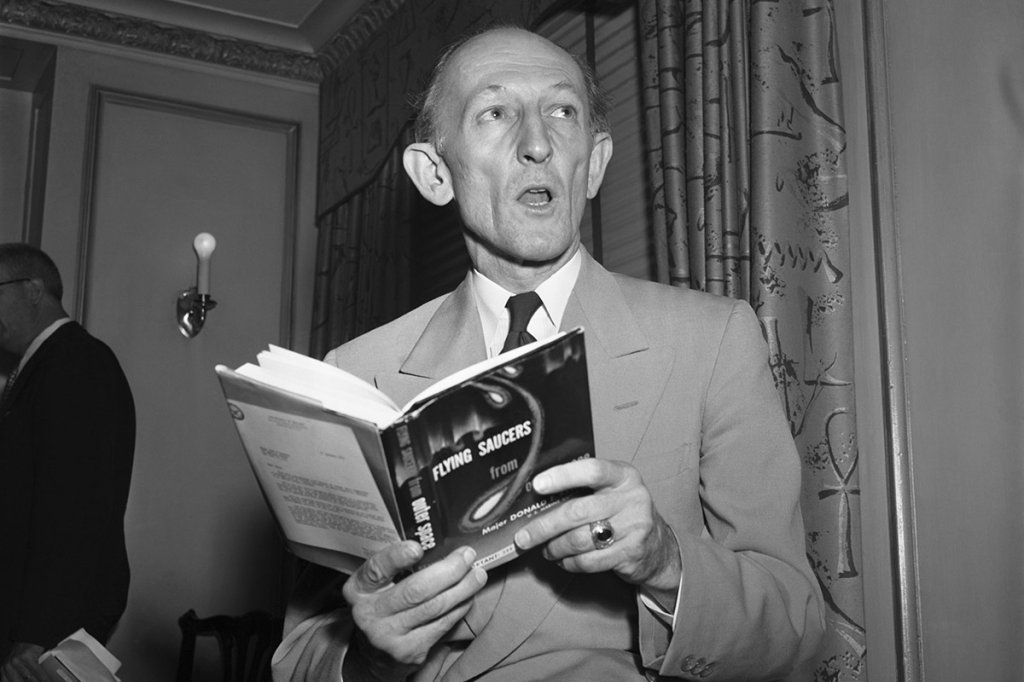
Donald Edward Keyhoe was born in 1897, at a time when human flight was still experimental. By the time he reached adulthood, aviation had become a defining feature of modern warfare and national power. Keyhoe graduated from the U.S. Naval Academy and went on to serve as an officer and aviator in the U.S. Marine Corps. His military service placed him at the forefront of early 20th century aviation, giving him firsthand experience with the limits and possibilities of aircraft technology.
An injury forced Keyhoe to retire from active duty earlier than planned, but it did not end his involvement with aviation. He went on to work with the Civil Aeronautics Branch and established himself as a respected aviation writer. His articles for major magazines translated complex technical developments into language the public could understand. This reputation as a serious aviation journalist would later distinguish him from the sensationalists who crowded the UFO field.
As the Cold War intensified in the late 1940s, reports of mysterious objects in the sky began to proliferate. Many came from military pilots, radar operators, and air traffic controllers, individuals trained to identify aircraft and atmospheric phenomena. Keyhoe was struck by the consistency of these reports and by how often official explanations seemed inadequate.
Unlike many observers, he did not dismiss the sightings as mass hysteria or simple misidentifications.
‘The Flying Saucers Are Real’

In 1950, Keyhoe published an article in True magazine titled “The Flying Saucers Are Real.” The response was immediate and overwhelming. Later expanded into a book of the same name, the work presented detailed case studies involving credible witnesses and emphasized the apparent technological superiority of the objects described.
Keyhoe argued that these objects were not secret American projects or foreign aircraft. Instead, he suggested they were extraterrestrial in origin. More controversially, he claimed that the U.S. government, particularly the Air Force, was aware of this possibility and deliberately withholding the truth from the public. In the context of Cold War secrecy, when nuclear weapons programs and intelligence operations were hidden behind layers of classification, this accusation resonated deeply.
The book became a bestseller and propelled Keyhoe into the national spotlight. UFOs were no longer a fringe topic. They were discussed in mainstream media, debated in living rooms, and increasingly viewed as a potential national security issue.
Challenging the Air Force
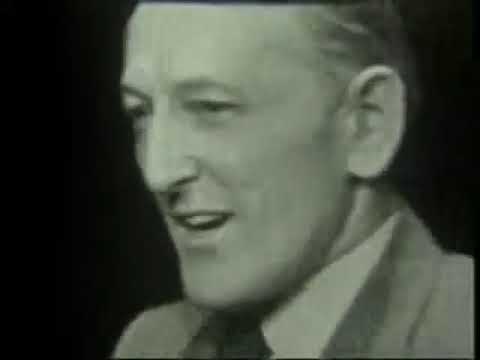
The Mike Wallace Interview with Major Donald Keyhoe (1958)
Keyhoe’s growing prominence brought him into conflict with military authorities. He believed that official explanations of UFO sightings were often inconsistent or misleading, designed more to reassure the public than to reflect the available evidence. According to Keyhoe, the Air Force had adopted a policy of debunking by default, even when cases remained unresolved.
To counter this, he became the leading figure in the National Investigations Committee on Aerial Phenomena, or NICAP. As its director, Keyhoe sought to professionalize civilian UFO investigation. NICAP focused on collecting reports from credible witnesses, especially military personnel and pilots, and documenting cases with as much rigor as possible.
Related: Official CIA documents reported that a UFO turned a Soviet infantry unit to stone
Keyhoe was careful to distance NICAP from overt sensationalism. He insisted that UFOs be treated as a serious scientific and security issue, not entertainment. This approach earned NICAP a degree of legitimacy, even as it drew criticism from skeptics and hostility from some government officials.
Keyhoe’s confrontational stance made him a frequent subject of media interviews. His televised exchanges with journalists such as Mike Wallace exposed millions of Americans to the idea that UFO secrecy was a deliberate policy choice rather than a matter of ignorance.
Early Government Programs and Keyhoe’s Influence
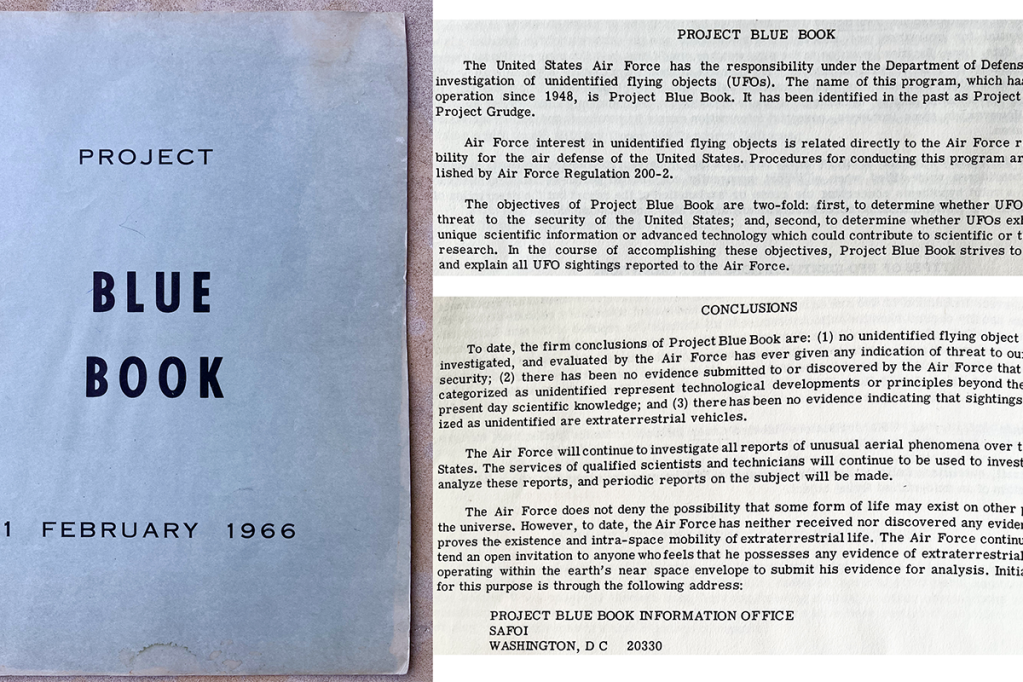
Public pressure generated by Keyhoe and others played a role in prompting the U.S. Air Force to formalize its response to UFO sightings. Launched in 1948, Project Sign represented the first official attempt to study the phenomenon. While some analysts within the project reportedly considered extraterrestrial explanations plausible, the program was short-lived.
Project Sign was followed by Project Grudge, which adopted a more dismissive approach, often attributing sightings to misidentifications or psychological factors. This stance reinforced Keyhoe’s belief that the Air Force was more interested in minimizing the issue than understanding it. Project Blue Book, established in 1952, became the longest-running UFO investigation, lasting until 1969.
Although Blue Book cataloged thousands of cases, it concluded that UFOs posed no threat to national security. Keyhoe rejected these conclusions, arguing that unresolved cases and classified data told a different story. Even so, the existence of these programs demonstrated that UFOs could not be entirely ignored, a reality shaped in part by Keyhoe’s persistent advocacy.
Scientific Speculation and Gravitational Propulsion
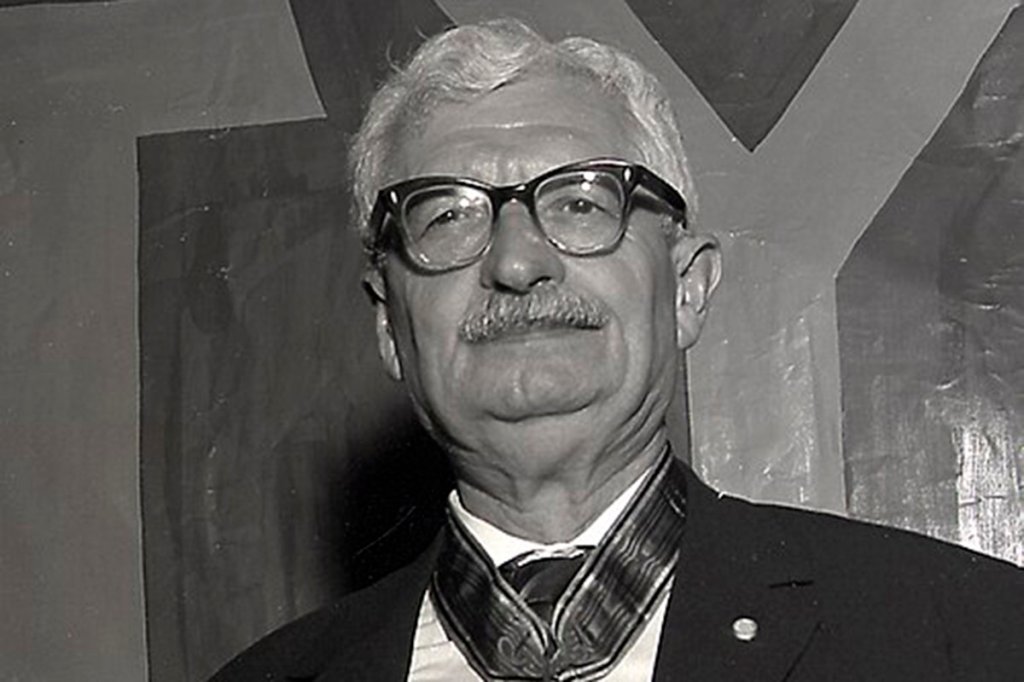
Unlike many UFO proponents, Keyhoe attempted to anchor his arguments in scientific and technical frameworks. He drew on speculative theories from figures such as Wilbert Smith and rocket pioneer Hermann Oberth, discussing the possibility that UFOs employ gravitational manipulation for propulsion.
Such technology, he argued, could explain the extreme acceleration, silent hovering, and sharp maneuvers reported by witnesses without subjecting occupants to lethal forces. While these ideas remained unproven, they reflected Keyhoe’s desire to move the discussion beyond mysticism and toward physics and engineering.
Keyhoe continued writing and speaking on UFOs until his death in 1988. By then, official interest had waned, and public attention had shifted. Yet his influence endured, shaping the foundations of modern ufology and leaving unresolved questions that would resurface decades later.
Luis Elizondo and the Reframing of the UFO Question

Lue Elizondo Drops Bombshell UFO Warning
The modern revival of government interest in unidentified aerial phenomena occurred in a very different technological and political environment. Advances in radar, infrared sensors, satellite surveillance, and data analysis transformed how the military monitored airspace. At the same time, growing concern about advanced foreign weapons systems reframed unexplained sightings as potential intelligence threats.
Luis Elizondo, a former U.S. Army counterintelligence officer, emerged as a key figure in this shift. He served as the director of the Advanced Aerospace Threat Identification Program, or AATIP, a classified effort within the Defense Intelligence Agency tasked with examining encounters between U.S. forces and unidentified objects.
Unlike earlier programs, AATIP was not primarily concerned with extraterrestrial life. Its focus was national security. The central question was whether these objects represented advanced technologies capable of penetrating controlled airspace and outmaneuvering U.S. aircraft.
What AATIP Studied and Why It Mattered
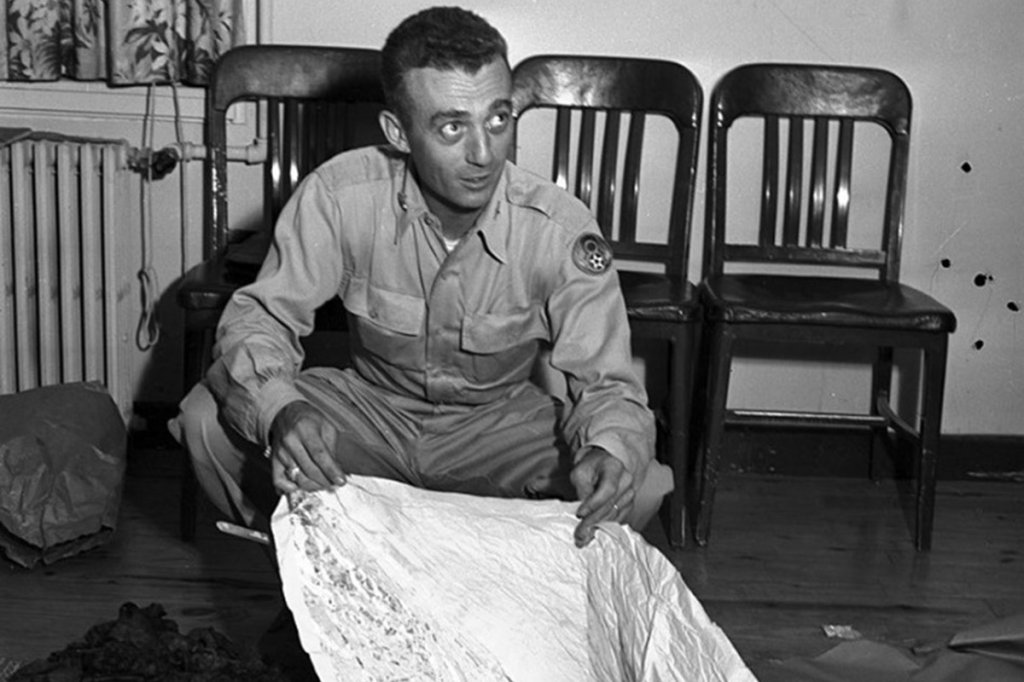
Under Elizondo’s leadership, AATIP investigated incidents involving objects with no visible propulsion systems, no wings or control surfaces, and performance characteristics beyond known aerospace platforms. These included extreme acceleration, sudden directional changes, hypersonic speeds, and seamless operation across different environments.
Crucially, AATIP relied on multi-sensor data. Radar tracks, infrared imagery, and eyewitness accounts from trained military personnel provided a level of evidentiary rigor rarely seen in earlier UFO investigations. For Elizondo, this data suggested that the phenomenon could not be dismissed as simple misidentification or equipment error.
The implications were profound. If such objects were foreign technology, they represented a serious intelligence failure. If they were something else entirely, they raised even more unsettling questions.
Resignation, Disclosure, and a Cultural Shift

Elizondo eventually concluded that bureaucratic resistance and institutional stigma were preventing meaningful investigation. In 2017, he resigned from his position, later stating that some within the Pentagon were unwilling to confront data that challenged existing assumptions.
After his resignation, Elizondo helped bring AATIP into public view. Media reporting confirmed the program’s existence, and declassified military videos showing encounters with UAPs were released. The reaction was markedly different from the Cold War era. Rather than ridicule, the disclosures prompted serious discussion among journalists, scientists, and lawmakers.
Elizondo became a leading advocate for transparency, emphasizing that UAPs should be studied systematically and without stigma. He argued that acknowledging uncertainty was not a sign of weakness, but of intellectual honesty.
Changing Federal Policy
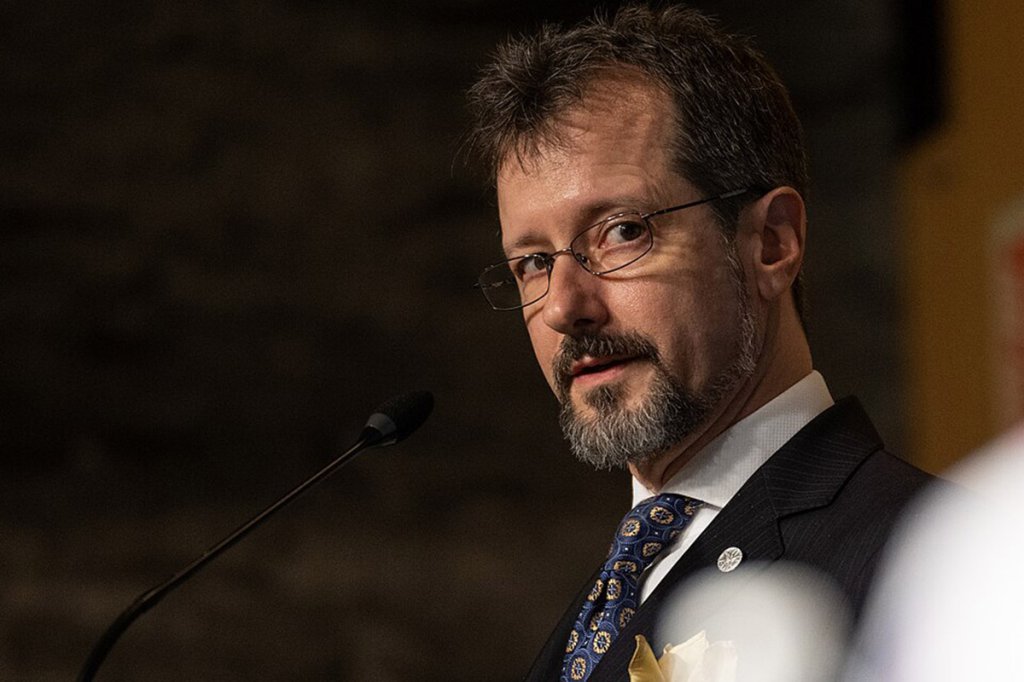
Elizondo’s actions helped reshape how the federal government approaches UAPs. Congressional interest led to briefings, hearings, and new legislative requirements. One of the most significant outcomes was the establishment of the All-domain Anomaly Resolution Office, or AARO.
Unlike earlier programs, AARO was created by Congress and designated as the Department of Defense’s single focal point for UAP investigation. Its mandate extends across air, sea, space, and other domains, coordinating efforts across DoD, the intelligence community, and allied partners.
This represents a fundamental departure from the secrecy and ad hoc investigations of the past. UAPs are now treated as a legitimate category of analysis within national security planning, rather than an embarrassment to be ignored.
How Military Members and Pilots Can Report UAP Today
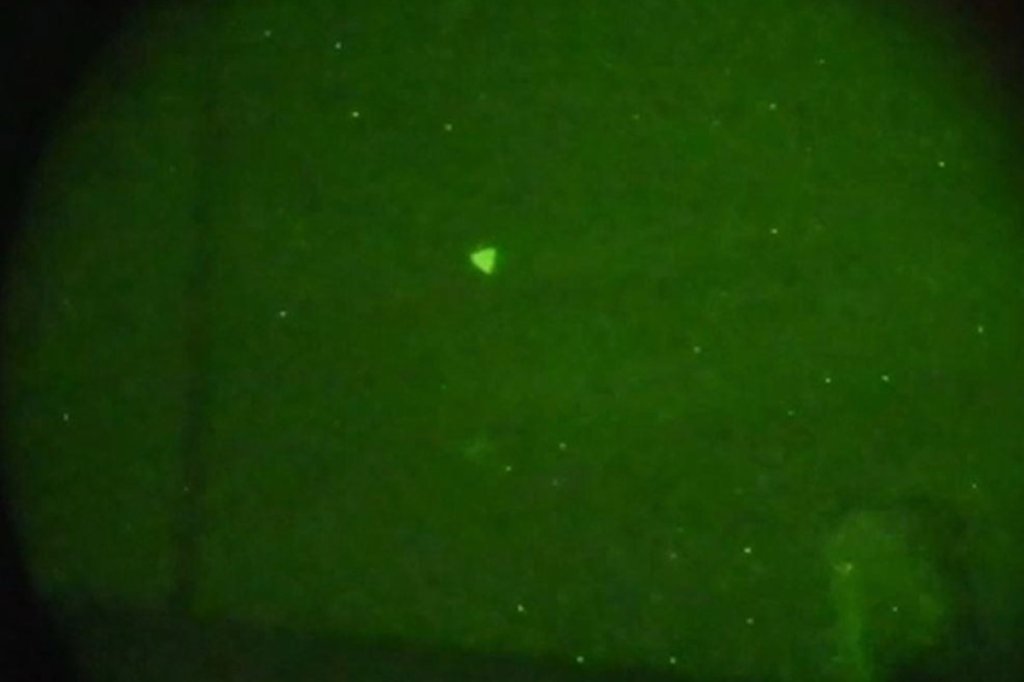
One of the most important changes in the post-Elizondo era is the formalization of reporting pathways. The U.S. federal government, primarily through the Department of Defense and the Office of the Director of National Intelligence, now emphasizes systematic and stigma-free reporting of UAP encounters.
The All-domain Anomaly Resolution Office serves as the central hub for these efforts. Current or former U.S. government employees, service members, and contractors with direct knowledge of UAP programs or activities are eligible to submit reports through official AARO reporting forms. These forms are designed to preserve data integrity and allow for follow-ups when necessary.
Related: That time aliens landed in the Soviet Union for a walk in the park
Civilian pilots also play a role. The Federal Aviation Administration collects pilot reports related to UAP encounters, which are then shared with AARO for analysis. This integration ensures that aviation safety and national security concerns are addressed together.
Reports may include multi-sensor data such as radar tracks, infrared imagery, and visual observations, as well as descriptions of unusual flight characteristics like extreme acceleration or the absence of propulsion signatures. The overarching goals are safety, intelligence awareness, and transparency. By reducing stigma and encouraging reporting, the government aims to build a comprehensive dataset suitable for scientific and operational analysis.
AARO publishes annual unclassified reports to Congress through the Office of the Director of National Intelligence, providing the public with insight into trends and findings while protecting sensitive information.
From Secrecy to Science
The long arc of America’s engagement with unidentified aerial phenomena reveals a clear evolution. What began as fragmented sightings and guarded military assessments has steadily matured into a structured, multi-disciplinary effort that blends national security, scientific inquiry, and public transparency.
Major Donald E. Keyhoe forced the first serious public reckoning, challenging Cold War secrecy and insisting that unexplained aerial objects were real and worthy of investigation. Decades later, Luis Elizondo helped push the issue into the modern era, reframing UAPs as a legitimate defense and intelligence concern and helping catalyze formal federal mechanisms such as AARO. Together, they transformed ridicule into responsibility.
Yet the elevation of UAP study has not occurred solely within government halls. In parallel, private scientific efforts have expanded the scope of inquiry beyond military encounters and into controlled, data-rich environments. Few examples illustrate this shift more clearly than Brandon Fugal’s work at Skinwalker Ranch.
The Impact of Skinwalker Ranch

Brandon Fugal: Billionaire Owner of Skinwalker Ranch: “I Saw It With My Own Eyes” | DSH #1644
Since acquiring the 512-acre Utah property in 2016, Fugal has fundamentally changed how one of the world’s most infamous anomaly sites is studied. Previously shrouded in secrecy and associated with classified government research under prior ownership, the ranch has been reimagined as a transparent, instrumented laboratory. Fugal’s approach reflects a new phase in UAP research, one that emphasizes empirical data, repeatable measurement, and interdisciplinary collaboration rather than speculation alone.
Under his leadership, Skinwalker Ranch hosts a sustained scientific investigation into what researchers often describe as “high strangeness,” including UFO sightings, unexplained energy emissions, and anomalous physical effects. The investigative team combines expertise in physics, astrophysics, engineering, and security, with figures such as physicist Erik Bard, astrophysicist Travis Taylor, and security chief Bryant “Dragon” Arnold forming a core group focused on disciplined observation rather than sensational conclusions. The use of advanced technologies, including ground penetrating radar, thermal imaging, spectrum analysis, and custom artificial intelligence systems, represents a level of technical rigor rarely applied to such phenomena in the past.
Fugal’s decision to support and publicize this work through “The Secret of Skinwalker Ranch” has also played a cultural role similar to that once filled by Keyhoe’s books and Elizondo’s disclosures. By placing data-driven investigation before a mainstream audience, the series has helped normalize serious discussion of anomalous phenomena. Importantly, Fugal has emphasized that he reinvests media proceeds back into research and charitable causes, reinforcing the idea that the ranch is not a commercial curiosity but a long-term scientific endeavor. Even ambitious initiatives, such as deploying a dedicated satellite to monitor the property from orbit, underscore how far the field has moved from anecdote to instrumentation.
How the Study of UAPs Has Evolved
Taken together, the legacies of Keyhoe, Elizondo, and Fugal reveal a profound shift. UAPs are no longer confined to whispered rumors, tabloid headlines, or classified filing cabinets. They are studied through federal reporting systems, analyzed as potential safety and intelligence risks, and examined in controlled environments using cutting-edge technology. While definitive answers remain elusive, the methodology has changed dramatically.
The study of UAPs has been elevated from secrecy and stigma to structure and science. Whether the ultimate explanations prove mundane, revolutionary, or something entirely unexpected, the groundwork now exists for honest inquiry. That transformation stands as the shared achievement of those who refused to accept dismissal, demanded better questions, and insisted that the unknown be met not with fear or mockery, but with disciplined curiosity.
Don’t Miss the Best of We Are The Mighty
• This former Navy pilot became one of the unlikeliest Super Bowl champions ever
• Why commercial airlines ordered and issued their own weapons
• A new era of robotic systems is here, and it’s not Skynet
Featured