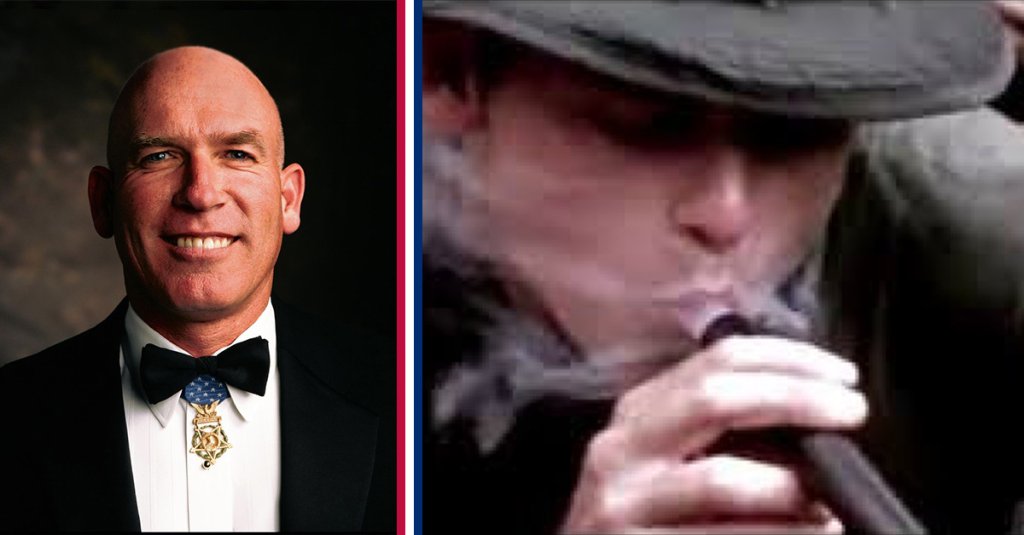
Let’s be clear: It is absolutely forbidden to do drugs in a war zone. It’s also illegal to do drugs as a member of the armed forces, and it always has been. Still, by the 1970s, marijuana use by U.S. troops in Vietnam was widespread. Tim O’Brien even wrote about it in “The Things They Carried.”
And one U.S. troop went above and beyond the call of duty, picking up the nation’s highest honor while totally stoned on it.
Related: How US soldiers transformed cargo vehicles into fighting machines in Vietnam
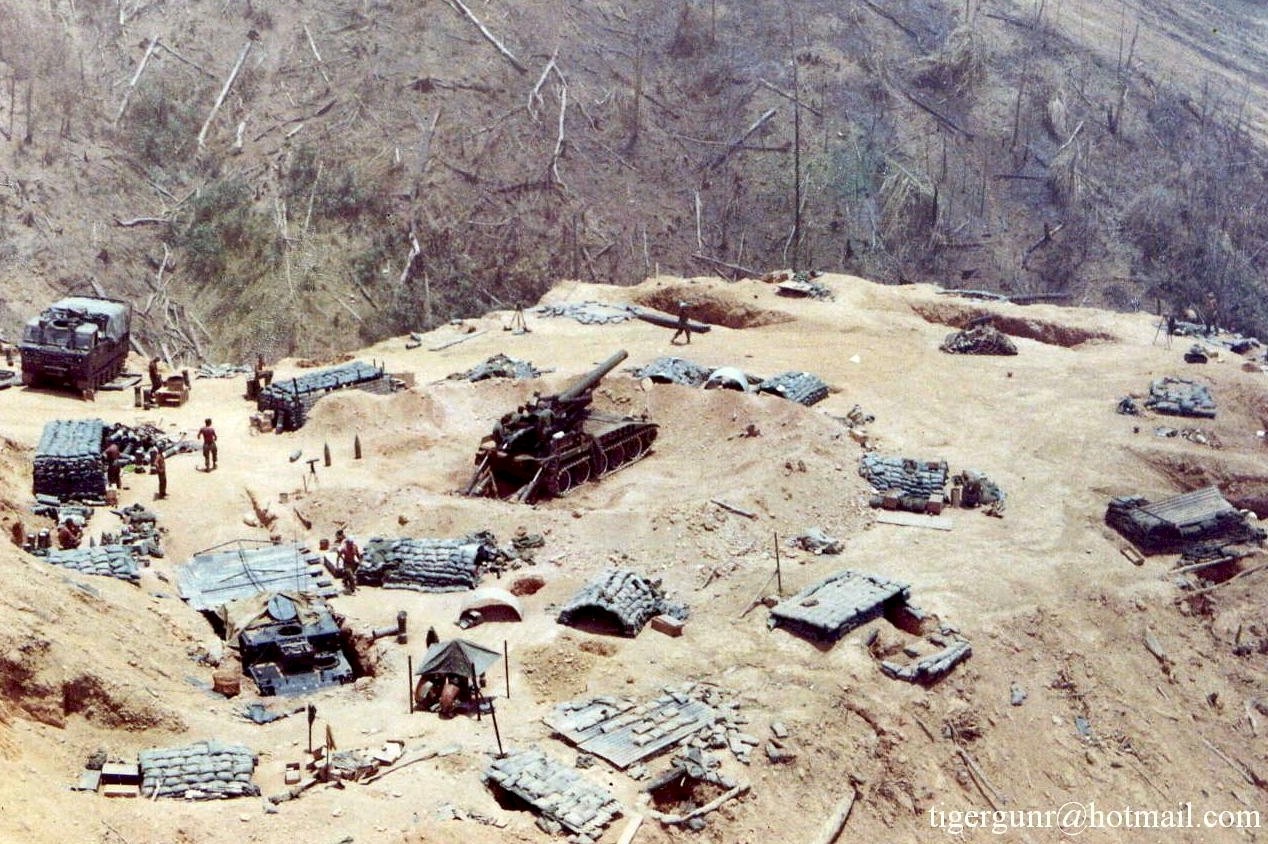
Peter Lemon was stationed at Fire Support Base Illingworth in Tay Ninh province, South Vietnam, on April 1, 1970. It was that day he became one of the youngest-ever Medal of Honor recipients at just 20 years old.
Born in Toronto, Lemon was an immigrant who willfully joined the U.S. Army to fight against the spread of Communism. He was from a family of military veterans, after all. He became an American citizen at 11 and enlisted as soon as he could. He was already a great shot before ever joining the Army, and his enthusiasm and skill made him an excellent soldier.
His optimism about the war in Vietnam quickly fell away after a series of disappointing events: allied troops killing surrendering enemy combatants, the fragging of a hated lieutenant, and the loathing the locals had for American troops.
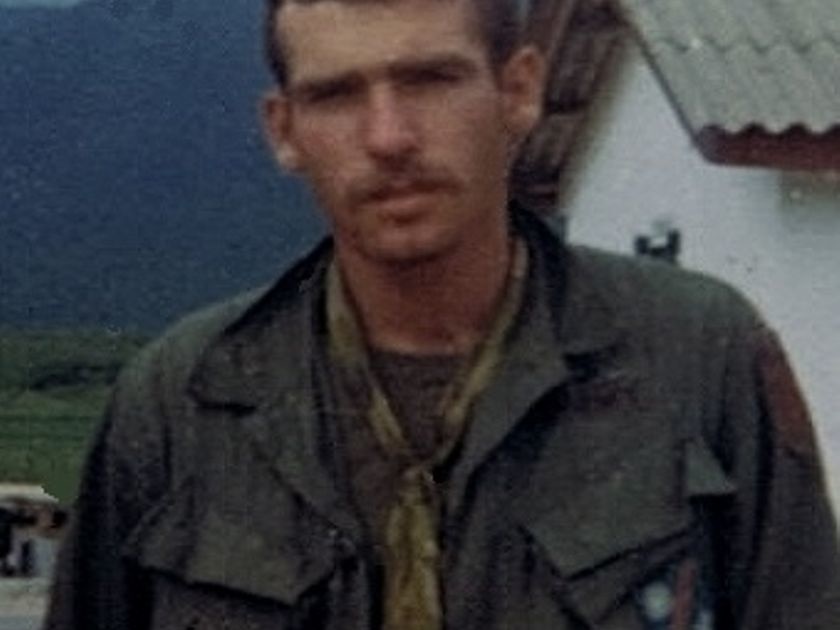
So, when things got slow, he and his buddies passed the time by smoking a little pot. After a recon patrol one night, they blew off some steam with a little partying. He had no idea the next day would be the defining event of his life.
“We were all partying the night before,” Lemon later said. “We weren’t expecting any action because we were in a support unit. It was the only time I ever went into combat stoned. You get really alert when you are stoned because you have to be.”
Fire Support Base Illingworth was located near the Ho Chi Minh Trail, and it was excellent bait for North Vietnamese and Viet Cong troops to attack as they entered South Vietnam. There were many fire bases like it, and such bases were a common tactic for drawing out large numbers of enemy troops. Normally, once an enemy force hit the fire base, air support would come in and wipe them out.
One night in April, Lemon and his battle buddies conducted a patrol and returned to base. Exhausted and expecting a calm night, they relaxed and went to bed. Unfortunately for the tired soldiers at Illingworth, the night wasn’t as quiet as they expected. At around midnight, ground surveillance detected a large enemy force headed their way. After firing on the force, letting them know they’d been spotted, the U.S. troops went to bed, still alert for what might come.
At 2:06 am, the enemy struck in full force. 400 hardened North Vietnamese Army troops swarmed the 220 Americans at the fire base. The Americans lacked the critical piece to their fire base tactics: air support. The NVA destroyed the base’s communications and rained mortars and artillery on the sleepy Americans.
Lemon, despite finishing a joint before bed, jumped out of his bed and manned a .50-caliber machine gun until it wouldn’t fire anymore. He did the same with his rifle. Much to his chagrin, both weapons malfunctioned. When those no longer worked, he switched to tossing hand grenades at the oncoming enemy until he ran out of those, too. The NVA returned a grenade of their own, wounding Lemon. Despite his injuries, he managed to take down all but one enemy troop. As soon as the Communist soldier reached his position, Lemon dispatched him in hand-to-hand combat.
That’s when fate stepped in. The day before, Illingworth received a shipment of 40 tons of 8-inch artillery shells that it couldn’t use. The ammo was dumped in the middle of the base, and as soon as Lemon killed his attacker, the shells all detonated. The blast knocked Lemon to the ground and tore apart anyone near it, creating a massive hole where part of the base used to be.
Somehow, Lemon managed to pick himself up, take a buddy to the aid station, and grab more grenades. He was shot by incoming NVA bullets for his trouble, but he pressed on. Then, realizing the base was about to be overrun, he charged the incoming enemy waves, tossing grenades and knocking enemy soldiers down with his fists as he moved. He’d been wounded three times.
He then retook another machine gun position and poured rounds into the North Vietnamese hordes (while standing fully in the open) until he passed out from blood loss and exhaustion.

He woke up in an aid station, with other wounded men, but he refused medical evacuation until his more seriously injured friends took off first, believing he was in much better condition. Peter C. Lemon received the Medal of Honor from President Richard Nixon on June 15, 1971. He wears the medal to honor his fallen comrades at Fire Base Illingworth.
Lemon is now a motivational speaker and dedicates his Medal of Honor to his three friends who died in the fighting: Casey Waller, Brent Street, and Nathan Mann.