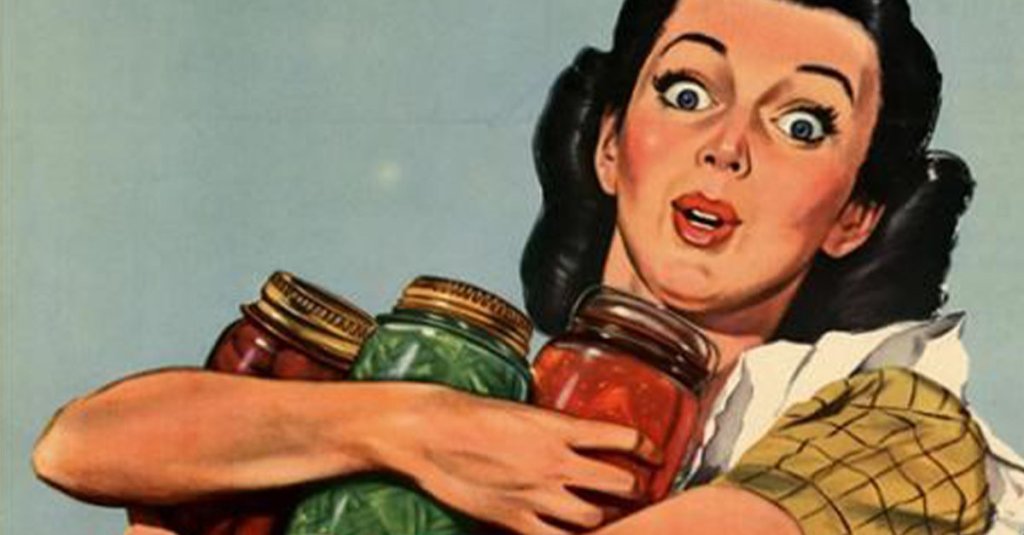
Cooking during World War II was a very different experience and went through many changes, year after year. Social norms and rationing meant ingredients weren’t always available while many civilians focused on gardening and home canning. The thought was that if folks grew their own foods, there would be fewer strains on the local supply chain. The same went for preservation. As homemakers canned fruits, vegetables, and more, it meant they were using what was available to them, and there was more for the men fighting on the front lines.
Related: The 9 worst creations Americans called food during World War II
But those weren’t the only changes to cooking and food preservation during World War II. The war not only changed the kinds of ingredients and how they were used, they also dramatically changed the types of dishes that were cooked.
1. Meat Substitutions
Today it’s a norm to see vegetarian or vegan options in meals, but in the days before and during World War II, this was a rarity. It was more common for folks to eat meat with most meals. However, when rationing was implemented, the amount of meat each person was provided was far less than they were accustomed to having.
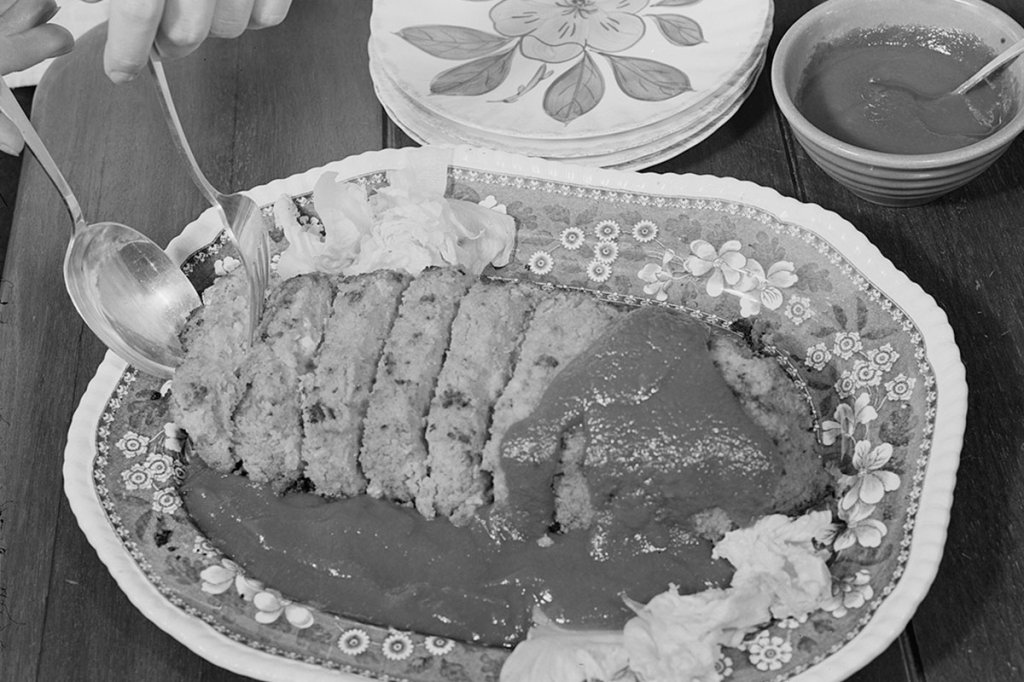
This meant cooks were forced to come up with new solutions to bolster up each meal, like adding potatoes, beans, and other vegetables rather than meat. Bean patties became popular during this period, as well as days or meals that were “meat free” by design. Today we see this regularly with diets or habits like “Meatless Mondays.”
2. Cut the Carbs
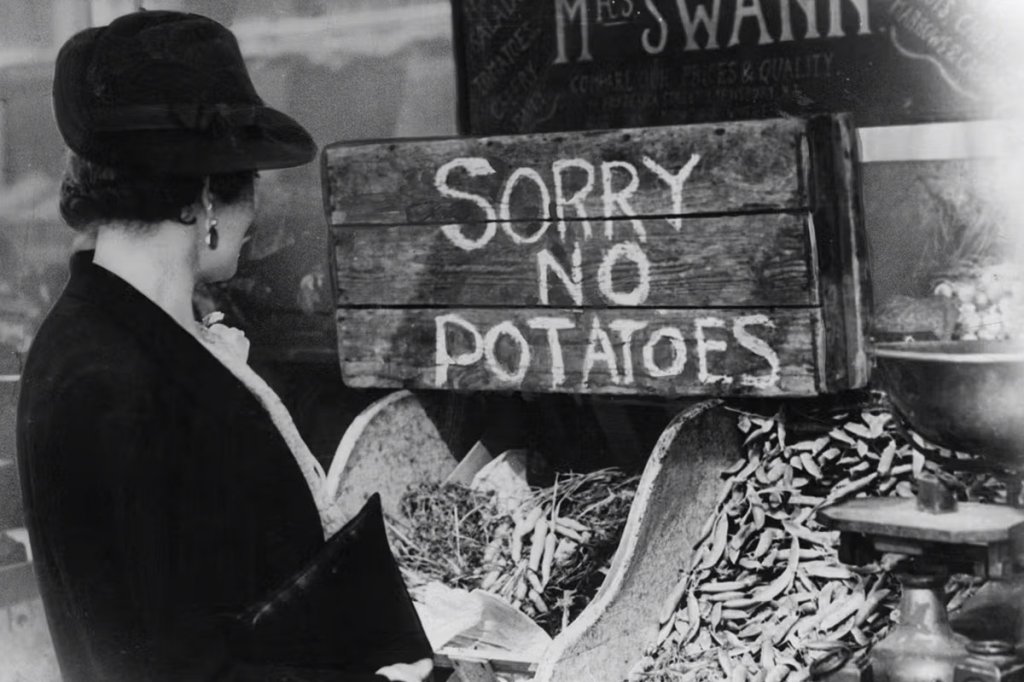
Flour was also one of the most rationed items, as was sugar; two main items needed to bake bread and other carb-filled goodies. That meant less bread to go around. While rolls or a slice of bread had previously been a dinner staple, folks suddenly had to go without. As a result, low-carb meals became popular, as did bread-less sandwiches. Once the loaf was gone, sandwiches were made with crackers or within two pieces of lettuce.
Today it’s a common eating trend to go without the bun, but at the time it was seen as a patriotic move to find a new way to consume their goodies.
3. Sugar Substitutes
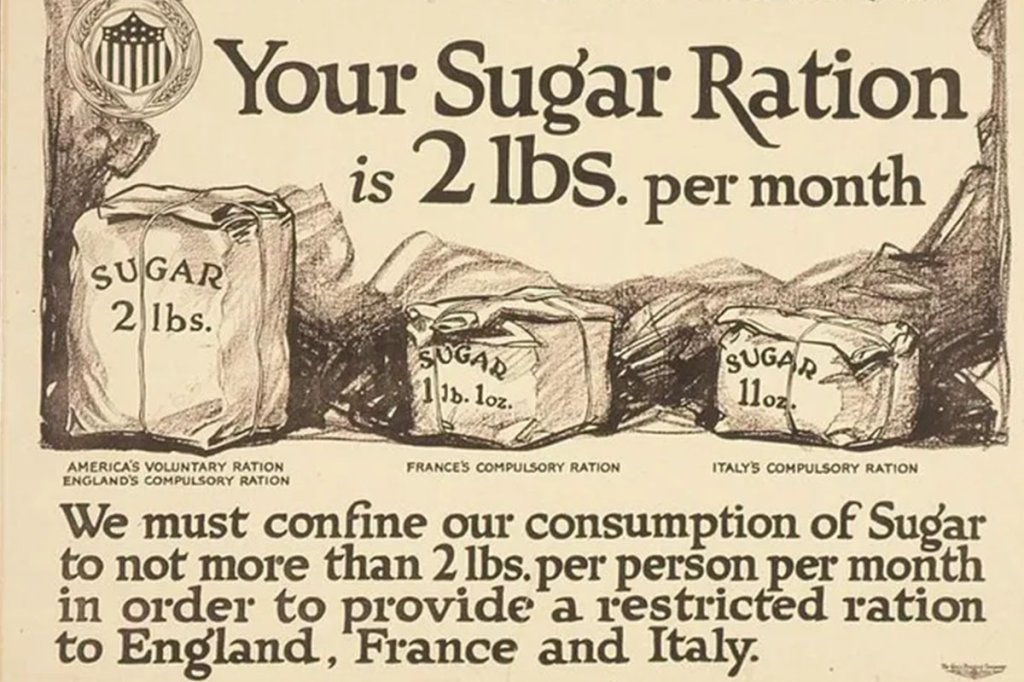
Back before the days of stevia, zero-sugar, and honey sticks there was a limit on how much sugar could be used. This was not only true for residents shopping at the grocery store, but commercial destinations, like cafteterias and bakeries. Because of this, bakers of all levels adjusted their recipes with sugar substitutions like dates, applesauce, caro syrup, or anything else they could find.
Consequently, this changed the way people ate, especially desserts or other sweet items. For instance, breakfast items, sweet rolls, and more—instead, folks began eating mildly sweet puddings or fruit cake.
4. Long Shelf Lives
With meats hard to come by, manufacturers introduced new items that could fill in as protein. This meant canned meat like Spam or tuna, preserved lunch meats, dried beef, and more. Unlike fresh cuts, there were no rations on these preserved meat alternatives, thus bringing them into pantries across the country. They remain a staple today, as shoppers realized the convenience to a longer expiration date and a cheaper price tag. Today, additional options are available, like beef jerky or packets of meat rather than metal cans.
5. International Influences
As solders returned from overseas locations, they came home with new spices and recipes with them. These ideas were introduced to their families and adapted in different ways. Most soldiers were in Europe, which covers a long list of cuisines. However, other soldiers were on tropical islands, Africa, the Phillippines, the Carribbean, and more. Each of these locations has their own style of cooking, which soldiers got to sample while stationed away. In some cases they were able to bring home special ingredients. But most of the time they simply recreated recipes at home.