Imagine yourself nestled between the coastal flora, the Pacific Ocean, the Columbia River, and our nation’s historic past, where cannon fire once thundered against the ocean breeze and evergreen huckleberry now thrives, quietly reclaiming the land that once held military roots. Once a strategic location to guard the Pacific Northwest and the Columbia River, Fort Stevens was constructed by the U.S Army at the end of the Civil War and remained an active fort through World War II.
Related: America’s coolest abandoned military installations
Though Fort Stevens’ key role has changed over the decades, today it stands as a State Park filled with lush greenery, serene views, and echoes of a haunting past—a place where history and adventure meet.
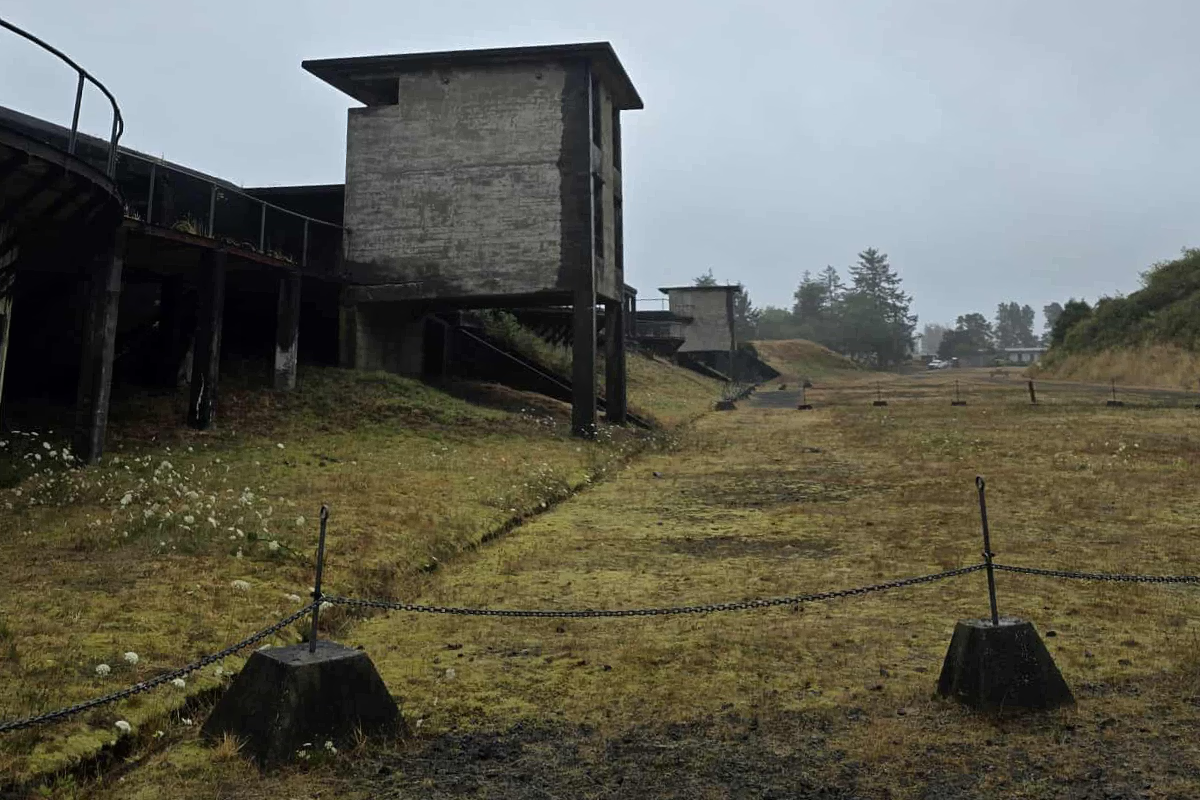
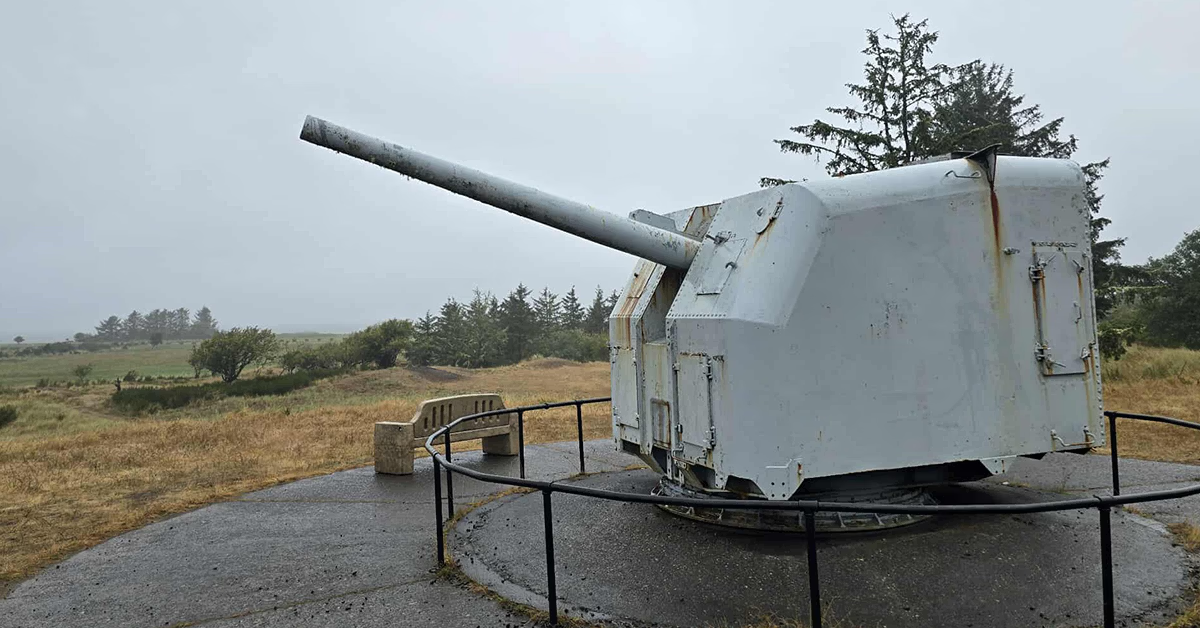
The original Fort Stevens, which was completed in 1865, was an earthen fort with gun emplacements, several buildings, and even a moat with a drawbridge for protection. In 1897, a nationwide effort to strengthen coastal defenses transformed the site into a modern concrete fortress. Eight new batteries were built, equipped with 10-inch rifles, 6-inch guns, and 12-inch mortars, capable of firing out to sea for nine miles.
Alongside Forts Canby and Columbia across the river in Washington, Fort Stevens stood as one of three key defenses guarding the mouth of the Columbia River. Fort Stevens’ peak activity came during World War II, when 2,500 men were stationed there. Two batteries were then placed on the fort. Battery 245, with a new gun armed with two 6-inch rifles, both with a range of about 15 miles, along with a 90mm AMTB battery, which was placed on the south jetty. Fort Stevens hosted the 18th Coast Artillery Regiment and the 249th Oregon National Guard Regiment.
On June 21, 1942, Fort Stevens witnessed its only action against the I-25 Japanese submarine, which fired 5.5-inch shells in the vicinity of the fort. The attack caused no damage, and the fort’s commander refused to return fire. This incident made Fort Stevens the only military installation in the continental United States to come under enemy fire since the War of 1812. Some time after World War II, Fort Stevens was deactivated. With improvements to our military and new power in air power and guided missiles, places like Fort Stevens became a thing of the past. Its guns were removed and the fort was turned over to the U.S Army Corps of Engineers.
In 1975, Oregon State Parks leased the land and started a restoration process while also welcoming visitors to learn about Fort Stevens through exhibits and tours. Even though Fort Stevens’ artillery sounds have fallen silent and its coastal defence role has ended, the fort welcomes visitors year-round, ready to explore its historic past and witness the bunkers and batteries that once took the watch over the Columbia River.
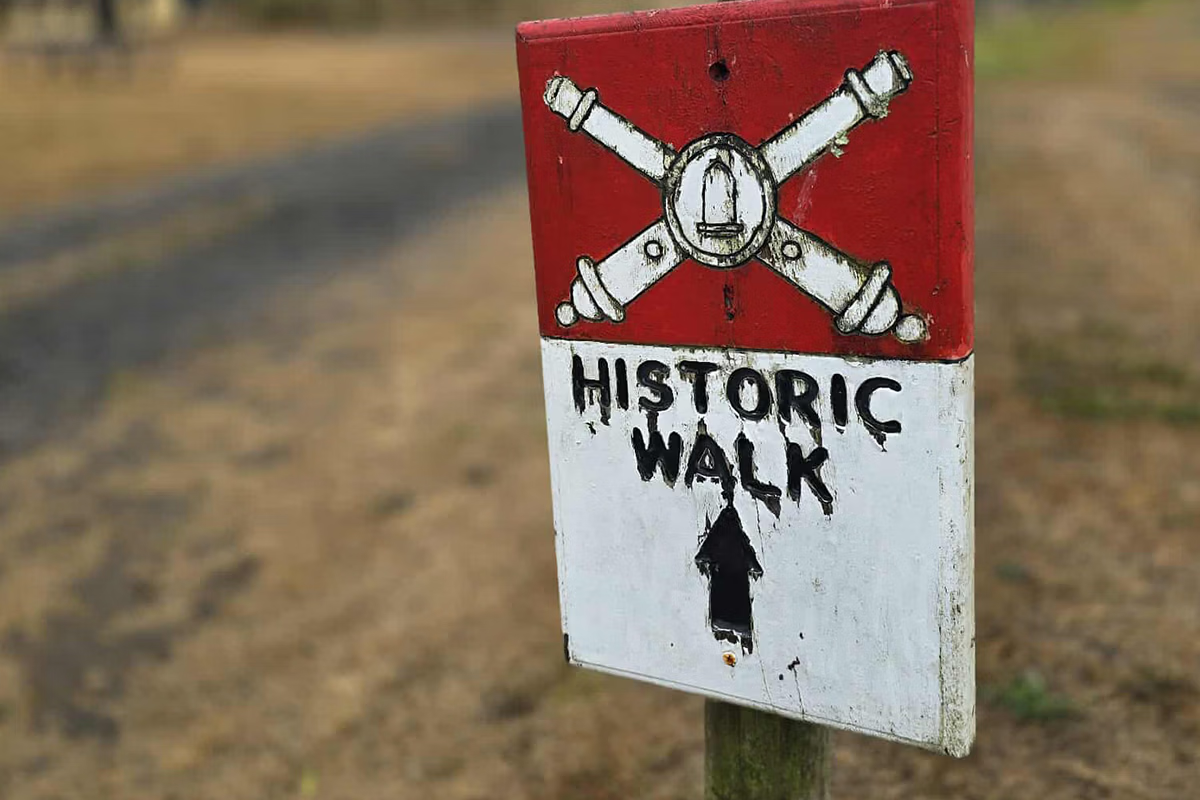
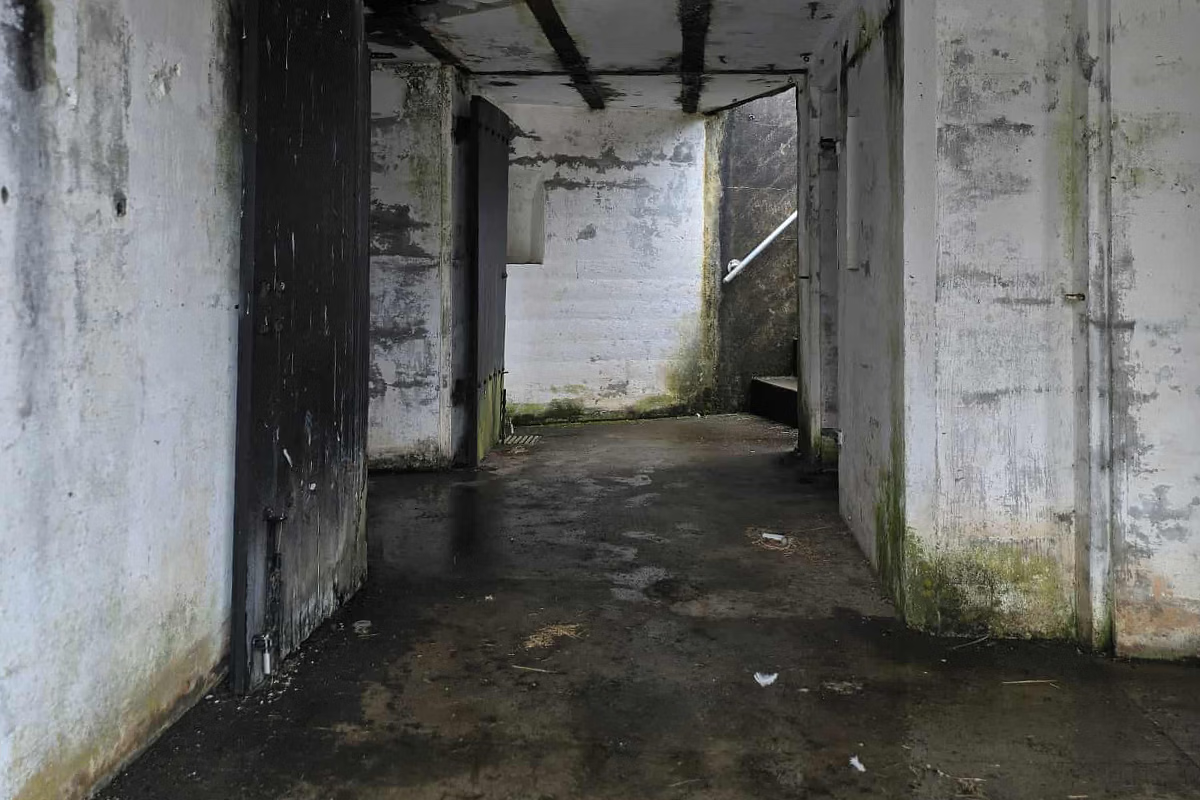
Fort Stevens has a lot to offer. From spending your day out exploring the beach, camping, picnic areas, disc golf course, and 15 miles of multi-use trails to their military museum and information center full of historic artifacts, the park is an experience to be enjoyed. Walking through Battery Russell and other concrete artillery batteries is like stepping back in time. The narrow corridors, the dark tunnels, the passageways that soldiers once patrolled feel eerie and share how the past is quietly preserved. A family-friendly place preserved to tell the story of strategy and vigilance.
A historic place like Fort Stevens wouldn’t be complete without legends and lore of ghostly hauntings and unexplained sightings. Every military site shares stories of sightings of those still on watch, and Fort Stevens is one of those eerie spots where history buffs and ghost enthusiasts can meet halfway. Battery Russell is one of the most well-known spots to witness these hauntings. Tales of a soldier still on duty, patrolling the grounds in uniform. Many shared other reports of shadowy figures, light orbs, phantom footsteps, and voices echoing in the bunkers and tunnels. With over 150 years of history, many guests and workers have witnessed and experienced a wide range of things. If these are true, then we know that our military service never truly ends; there is always someone who has the next watch.
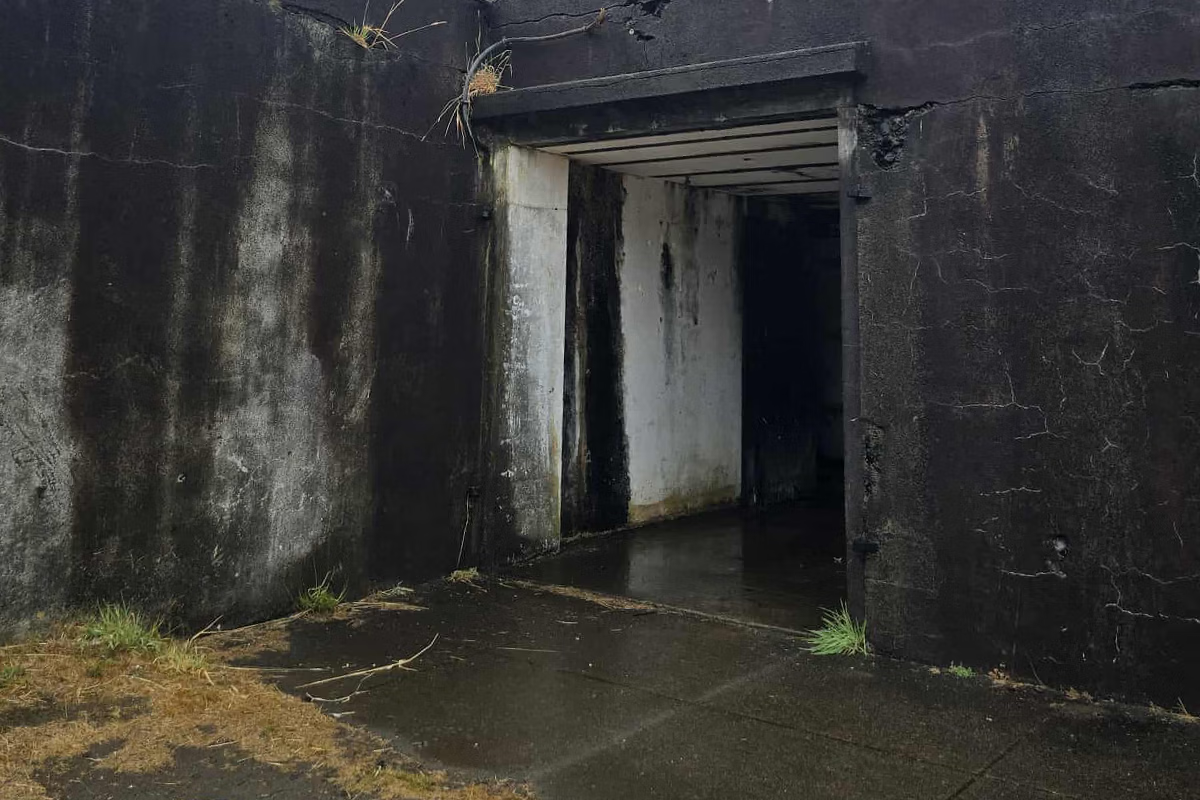
While Fort Stevens can be seen as only “a park”, this place is much more than that. This place honors those who served; it is a place of reflection, education, and connection to the military. Its stillness offers space to remember, and the stories preserved in time remind us of courage, sacrifice, and love of country. Fort Stevens is a living piece of history, a part of the nation’s military past that has left a mark in the Pacific Northwest.
Whether you visit Fort Stevens for its history, the ocean views, or its ghostly hauntings, be ready to step into a chapter of America’s coastal defense. If you value our nation’s history and legacy, adding this to your list of places to visit will be both uplifting and grounding. Hope you can meet the adventure on the Oregon Coast!
Learn more at: https://stateparks.oregon.gov/
Don’t Miss the Best of We Are The Mighty
• 100-year-old Marine reunited with tank he drove on Iwo Jima
• A hungover Air Force veteran scored the first Super Bowl touchdown ever
• The ‘Simple Sabotage Field Manual’ will make you question your coworkers’ loyalties