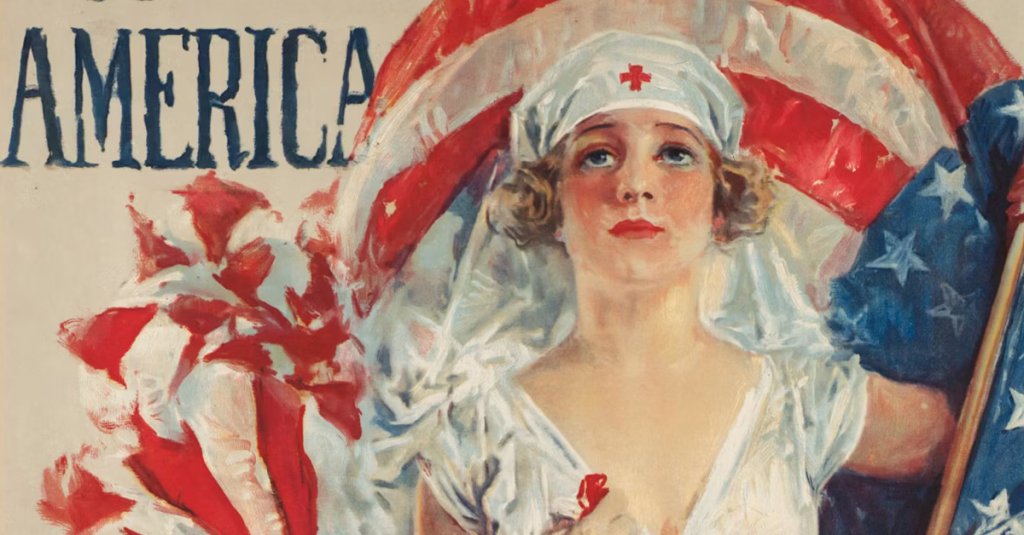
“It is all very wonderful to me that I should be a part of such a tremendous movement,” Canadian nurse Sophie Hoerner wrote her friend following her arrival in France in 1915. The “thrills and bubbles” of anticipation wouldn’t last long, however. All hopes for a short-lived conflict dwindled as casualties surged, pushing nurses like Hoerner closer to the front lines of World War I. Like the brothers-at-arms they cared for, frontline nurses bore the physical and psychological scars of war, facing battles of a different kind long after the Armistice was signed and the last bullet fired.
Related: After more than 100 years, World War I battlefields are poisoned and uninhabitable
The same sense of duty that drove Hoerner across the Atlantic also pulled Vera Brittain from her life of privilege in England. Her brother, fiancée, and close friend all left for the front. Next came Brittain’s turn to serve. The daughter of a wealthy mill owner exchanged a stack of English lit textbooks and an Oxford classroom for an education in “blood and pus.”
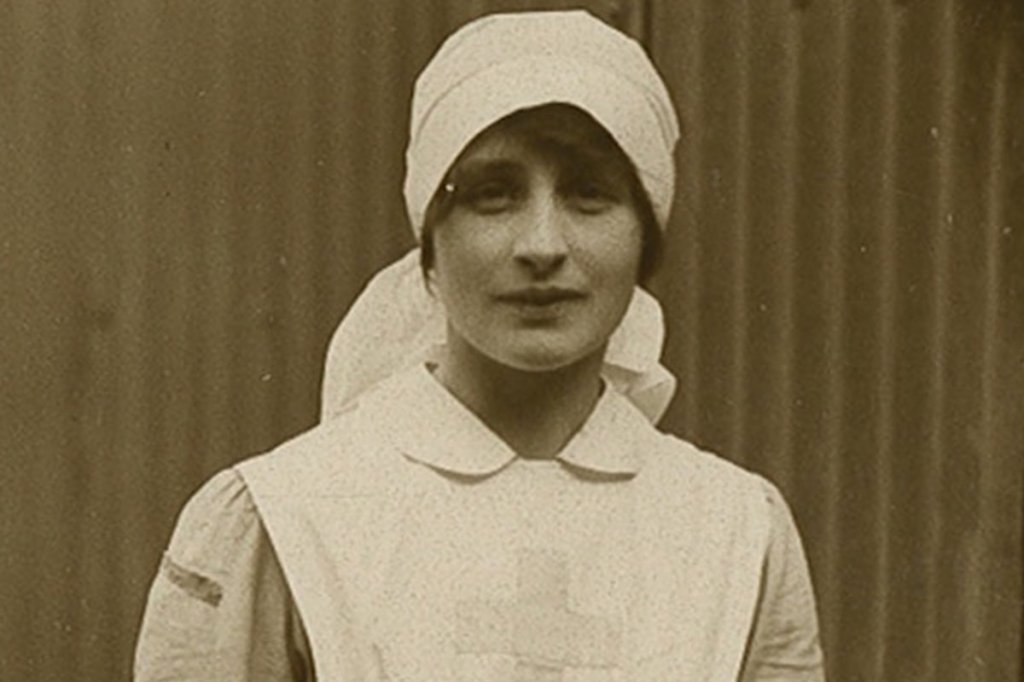
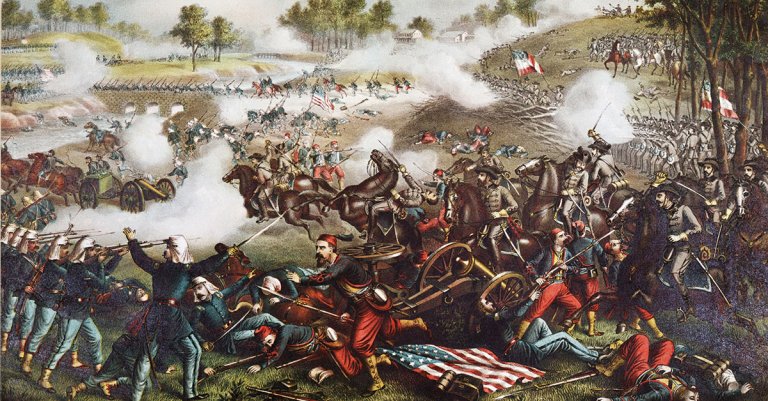
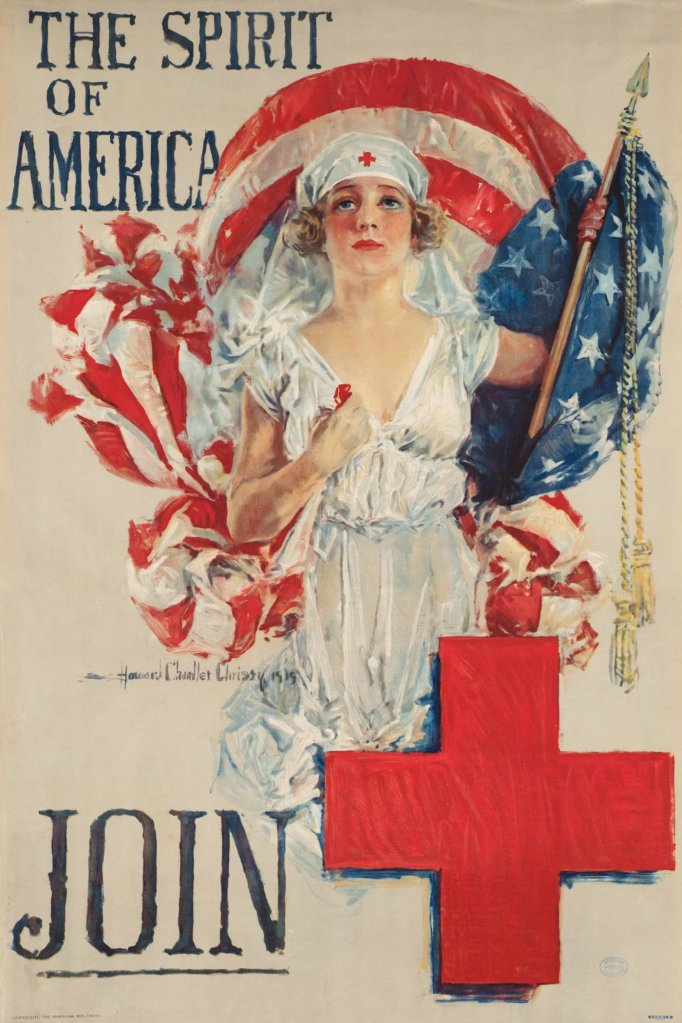
At first, women were restricted from serving in hospitals near the front. That dictate changed as the number of dead and wounded sharply rose, driving demand for medical staff closer to combat. The national propaganda that portrayed white-clad nurses as maternal figures and angels of mercy gave way to a reality of bloodied uniforms, elbows deep in surgical dressings, while air raid sirens split the air, machine gun fire cracked nearby, and bombs dropped overhead.
Nursing near the front lines brought a new kind of horror with the introduction of chemical weapons. Chlorine, mustard, and phosphene gases wreaked havoc on Allied troops in Ypres and elsewhere. “Blinded eyes and scorched throats and blistered bodies … made the struggle for life such a half-hearted affair,” Brittain wrote of the poison’s impact in her memoir, Testament of Youth.
Nurses nevertheless worked tirelessly in caring for the sick and wounded. They tended soldiers with missing limbs, gaping wounds, and oozing infections long before the discovery of antibiotics and their widespread use during the Second World War. Staffing shortages near the front lines also meant many nurses worked 14-18 hours per day for weeks on end. Some hospitals had just 70-80 nurses responsible for up to 2,100 patients.
The physical toll was great, but the emotional toll greater. For the first time, nurses experienced the true brutality of trench warfare through the terrible injuries they encountered and the firsthand accounts shared by patients in need of a listening ear. They patched up countless soldiers only to see them return to the front lines and die by enemy fire. Others armed themselves with pen and paper to faithfully record the words of dying sons, brothers, and husbands. Their letters offered families the closure that no official telegram could.
“Oh, they are fine!” said Chief Nurse Julia Stimson of World War I’s healers. “One need never tell me that women can’t do as much, stand as much, and be as brave as men.” But while flags waved and victory parades filled the streets on November 11, 1918, the war was far from over for those who’d served.
Nurses proved their mettle in war, but their transition back to civilian life was nonetheless a difficult one. The stress and strain of combat casualty care exacted a heavy toll. Many returned home, haunted by what they’d seen and experienced. Some lost lovers, brothers, and husbands to the fighting. Insomnia, fatigue, depression, and hopelessness would follow them home and linger for years to come.
What, if anything, did their countries owe these women for wartime service? That was the question at stake for many returning nurses. Canadian nursing sisters found their pension requests denied, unable to prove a clear connection between combat care and mental illness. The New Zealand nurses who faced financial discrimination during the war were excluded from post-war financial recognition. In the U.S., women serving overseas would continue without official recognition until 1947 with the passage of the Army-Navy Nurses Act.
But battles for equal treatment didn’t stop there. American nurses came home to a country still mired in debate over women’s suffrage. President Woodrow Wilson summed up the weight of women’s contributions in a 1918 appeal to the U.S. Senate: “We have made partners of the women in this war; shall we admit them only to a partnership of suffering and sacrifice and toil and not to a partnership of privilege and right.”
While women fought for voting rights and equal recognition, they also struggled to readjust to civilian life. The returning nurse exchanged purpose-filled adventure for the quiet tranquility of domestic life back home. They felt superfluous and misunderstood. Many found consolation in the bonds of sisterhood forged overseas. Others, like Brittain, wrote candidly, giving a powerful voice to feminist causes and the anti-war movement. Today, the legacy of World War One nurses lives on in the letters, memoirs, and diaries of those who served.