
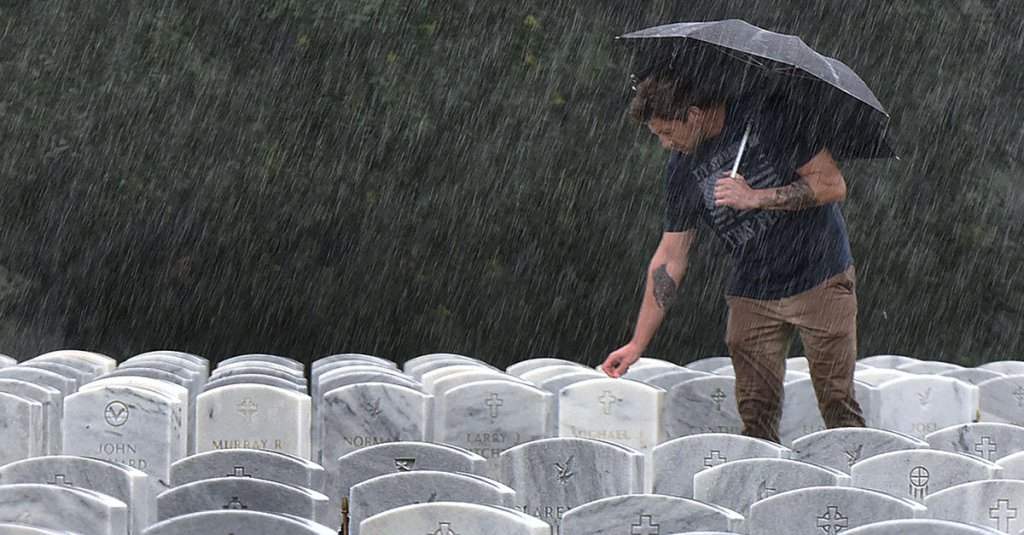
Every year, millions of people visit military memorials and cemeteries across the United States. And every year, visitors leave tokens of remembrance behind. From letters and flowers to small trinkets such as coins, rocks, origami birds, and, yes, even hair ties.
Also Read: An honest look at how relationships evolve during and after military service
On the surface, these may seem like simple gestures, but many carry specific and deeply personal meaning. These possessions show care. They carry connection, grief, and memory. And as memorials and cemeteries open their gates each day, welcoming visitors in, reminders of life are quietly left behind.
What do these tokens of remembrance mean? And why do people leave them?
As humans, we carry so much with us. Years of experience show in our faces, our stories, our patriotism, and our resilience. There is a natural instinct to leave something physical behind, something that connects us to a loved one, a friend, a neighbor, or our community.
A token of remembrance becomes a way to express what words cannot. When words feel heavy or insufficient, these objects speak. When someone is gone, we look for ways to maintain connection. Small rituals of love and reflection, woven over time through the items we leave behind. They act as a bridge between us—the visitors—and those we remember.
Symbolic Meaning
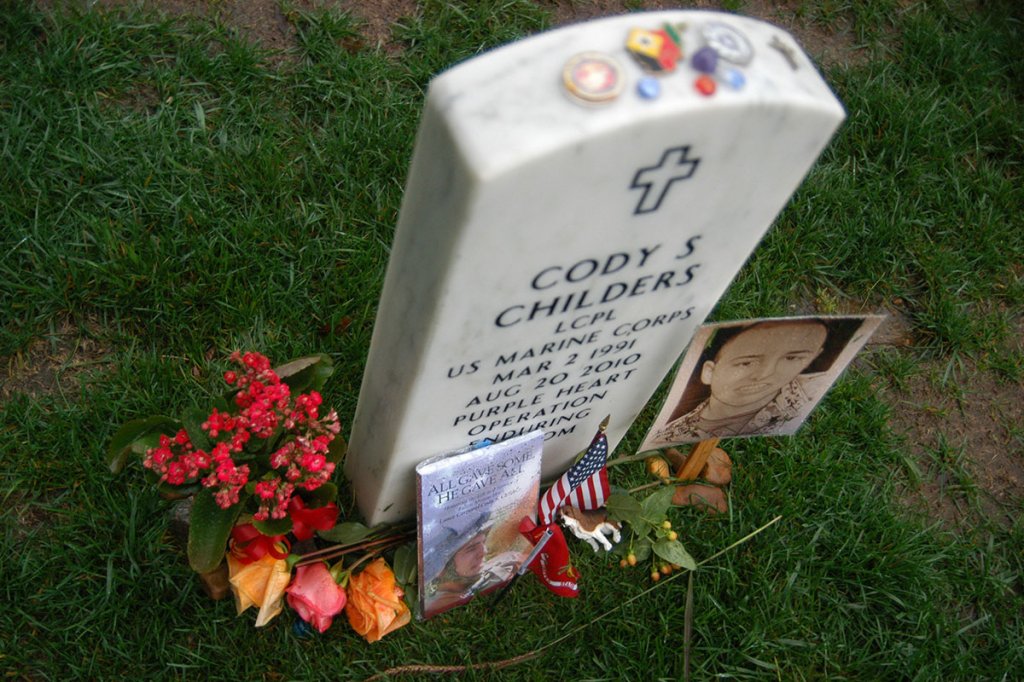
There are also more familiar tokens, placed carefully and intentionally. Flowers, often left for special occasions, rest softly against stone, birthday offerings, anniversary markers, reminders of dates that remain etched in both heart and memory. They symbolize purity, love, remembrance, and honor.
Coins carry their own quiet language. Different in size, weight, and metal, they represent shared experiences, someone you served with, trained alongside, or stood beside in life’s most difficult moments. Letters and notes are often found nearby. Paper and ink become vessels for unfinished conversations, personal messages, and updates from a life that continues forward while still holding space for someone gone.
But resting in plain sight, on grave markers, along headstones, or near statues, are the most unexpected and deeply personal items. These objects may only make sense to the person who left them. Scattered across carefully maintained grounds, they sit quietly, holding stories without explanation.
A hair tie, once wrapped around a wrist, might be left behind by someone who remembers the small, everyday details, how it was worn, how it marked the end of a long day when hair was finally let down. It is a simple object, but one that reflects real life beyond the uniform. It does not need to be understood by everyone to carry meaning.
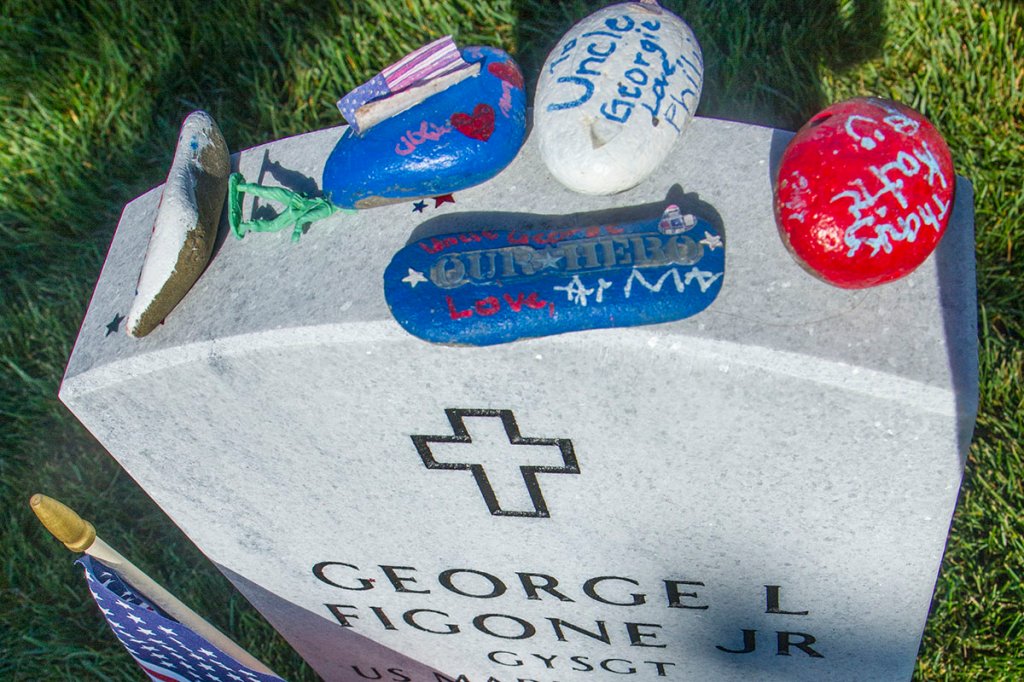
You may also find rocks, sometimes painted, sometimes left in their natural form. A stone represents permanence. Unlike flowers that eventually fade, it stands as a quiet promise that memory will endure.
Running shoelaces might be tied together and placed with care, symbolizing miles shared, early morning PT, and the camaraderie built through routine and discipline. They reflect movement, endurance, and the strength found in shared effort.
What These Markers Represent
A watch, sometimes stopped at a specific time, can represent moments frozen, memories held still, even as time continues forward. Nearby, a set of keys may rest against a headstone. Ordinary at first glance, they symbolize home, belonging, and the places someone once returned to.
A deck of cards might hint at laughter, competition, and downtime spent together. A handwritten recipe card may recall meals shared, traditions carried on, and the comfort of familiar tastes. These are reminders of life beyond service, the moments that made someone who they were.
Mementos from duty stations often appear as well. A small jar filled with sand from Guam. A worn T-shirt from a deployment to Afghanistan. Foreign currency from time spent in Germany. A transit card from navigating daily life in Japan. These items tie memory to place, capturing chapters of life shaped by movement, change, and experience.
At their core, these objects exist because memory often needs something tangible to hold onto. They create connection, an exchange between the life that was lived and the one that continues. They carry routine, love, personality, grief, hope, and even humor.
And in doing so, they tell us something more than a name carved in stone ever could.
They remind us that behind every marker is a full life, one lived in ordinary moments, shaped by relationships, and remembered in deeply personal ways. These tokens are placed with intention, not just to say goodbye, but to hold on, to leave something behind so that the connection never feels entirely lost.
Don’t Miss the Best of We Are The Mighty
• Why the Marine Corps only uses six body bearers for funeral ceremonies
• Why the Honor Guard is the best military experience
• What happens when the veteran becomes the military spouse
Featured
Loading comments…
Comments couldn’t be loaded. Please refresh the page.