

We have all seen upsets in sports before.
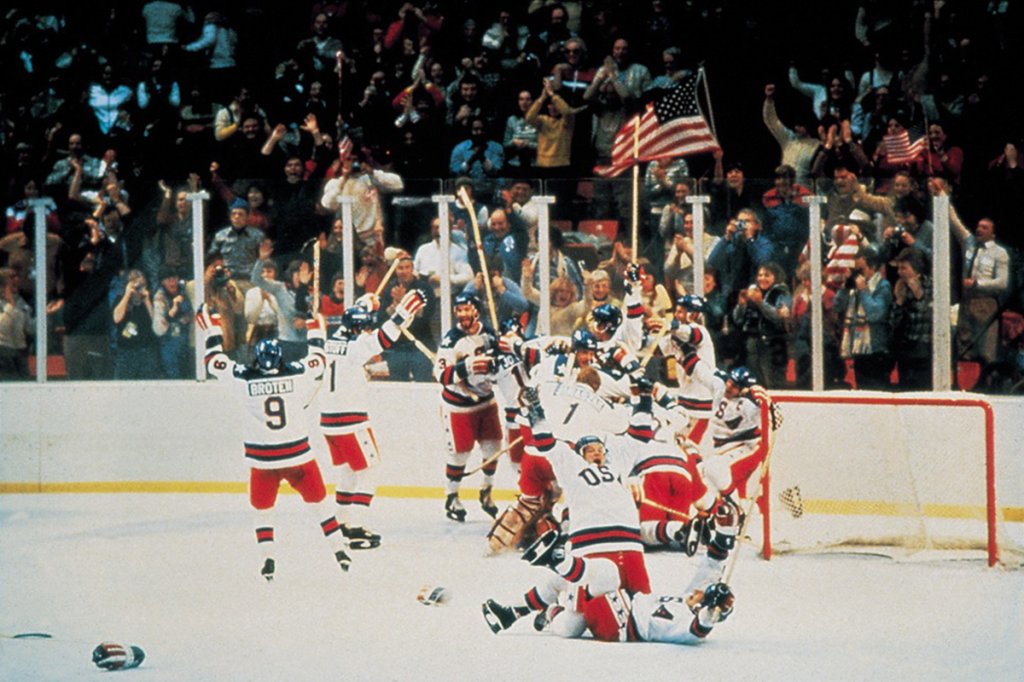
A No. 1 team in college football loses to an unranked bottom feeder. A team barely making the NBA playoffs sweeping the reigning champs in the first round. A boxer throwing a desperate punch and knocking out a champion. But on February 22, 1980, the sports world was rocked to its core. The United States men’s hockey team beat the mighty Soviet Union at the 1980 Winter Olympics in Lake Placid, New York.
Related: This Olympian served under a Medal of Honor recipient during World War II
This upset was truly a David versus Goliath upset. The Americans had no reason or chance to win; at least that is what everyone thought.
No Professional Athletes Allowed
In the Olympics then, there were strict “amateur” rules on who was eligible. Professional athletes were not allowed to play, so Americans couldn’t send NBA or NHL players to the Olympics even if they wanted to. The USA (and most of the world) had to rely on college players and other non-professionals. Once you were done with school, you got a job and trained on your own time. The Communist Bloc, however, found an obvious way around that. They more or less gave athletes bogus jobs and paid them to train all the time. They were essentially professionals.
The Soviets dominated the international hockey scene because of this. Prior to this game, they had won four consecutive Olympic gold medals heading into the 1980 games. They had been playing together for years and were a well-oiled machine. In contrast, the Americans had only been together for a few months. They were college athletes who usually only had one chance at the Olympics because of the amateur rules.
In an exhibition at Madison Square Garden in New York before the Olympics, the Soviets routed the U.S. 10-3. The Soviets went into the Olympics as a very confident team.
As the tournament progressed in the round-robin format, both teams played well. The Americans fought to a draw and several victories, while the Soviets steamrolled everyone they played.
People often forget, but it wasn’t the gold-medal game. And if you remember watching it live, you remember wrong; the game was on a tape delay by about three hours. More than 18,500 people packed the arena at Lake Placid, and there was a patriotic fervor in the air. People claim the “U-S-A” chant started that night.
Nowadays, we are used to the super-patriotic feelings at sporting events, but things were different back then.
America Needed a Pick-Me-Up
America was in a bit of a rough spot.
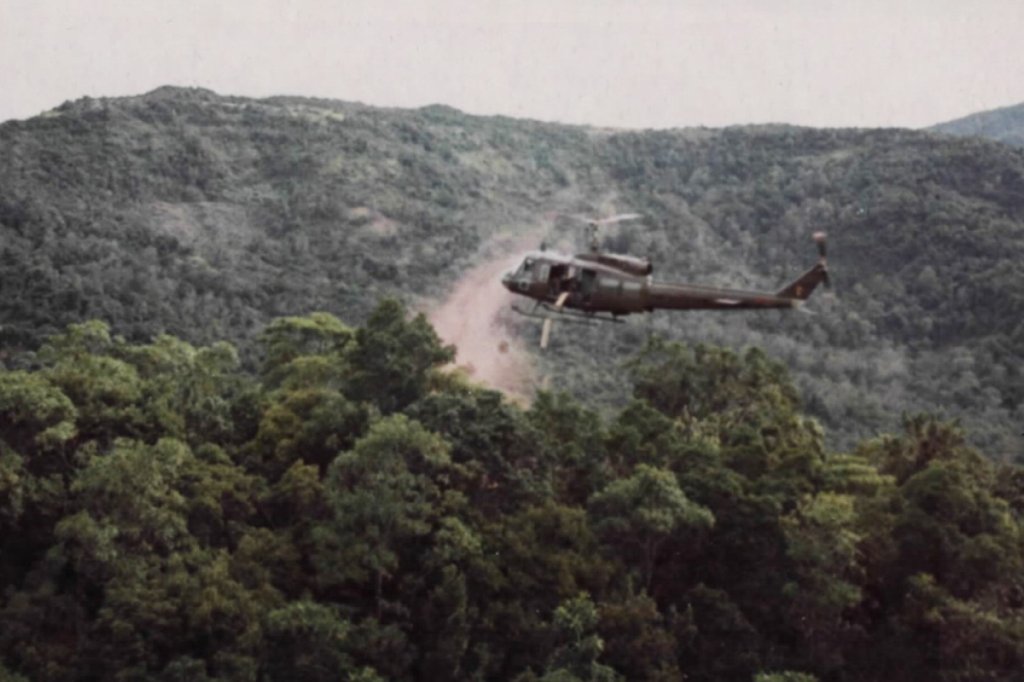
There was still a pall hanging over the country over the lives lost in Vietnam; it was made worse when Saigon fell in 1975. There was inflation and gas shortages to deal with. The value of the dollar was low. There was stagnation in the economy. Urban decay and high rates of violent crime racked American cities. The Ayatollah in Iran was still holding Americans hostage after the embassy takeover.
The mood could best be described by a term that was applied to a Jimmy Carter speech: “malaise.”
Americans really needed a moment of pride. It came that night.
The USA played hard, scrappy, and didn’t back down. They went down three times and came back to tie three times. They went ahead in the third period on Mike Eruzione’s goal to make it 4-3. When you look at the stats of the game, the U.S. was really outplayed in most aspects. They held off the Soviet attack for 10 minutes, which probably seemed like an eternity.
‘Do You Believe in Miracles?’
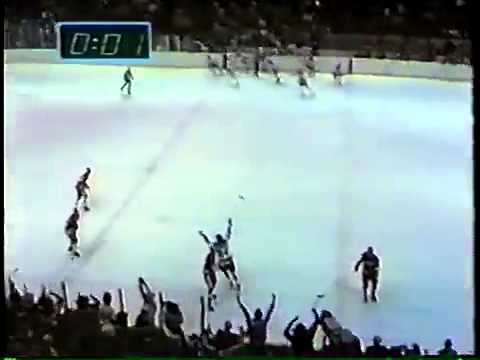
Al Michaels' "Do You Believe in Miracles" call
As the time clicked off the clock, the crowd grew more excited, and the arena turned into a human pressure cooker ready to blow.
Feverishly counted down the time, announcer Al Michaels made one of the most iconic calls of all time:
“Eleven seconds, you’ve got 10 seconds, the countdown [is] going on right now! Morrow, up to Silk. Five seconds left in the game. Do you believe in miracles? Yes!”
The effect was immediate. Pandemonium reigned in the stands. Players exuberantly celebrated. The Soviets looked on in shock and awe. Coach Herb Brooks ran into the locker room and broke down in tears. When the players went in, they broke out into “God Bless America.” They then took a call from President Carter (and they still had a game to go to win the gold!).
The country was gripped with patriotic fervor, and after what seemed like a long national nightmare, Americans felt that miracles indeed happen, and good times were ahead.