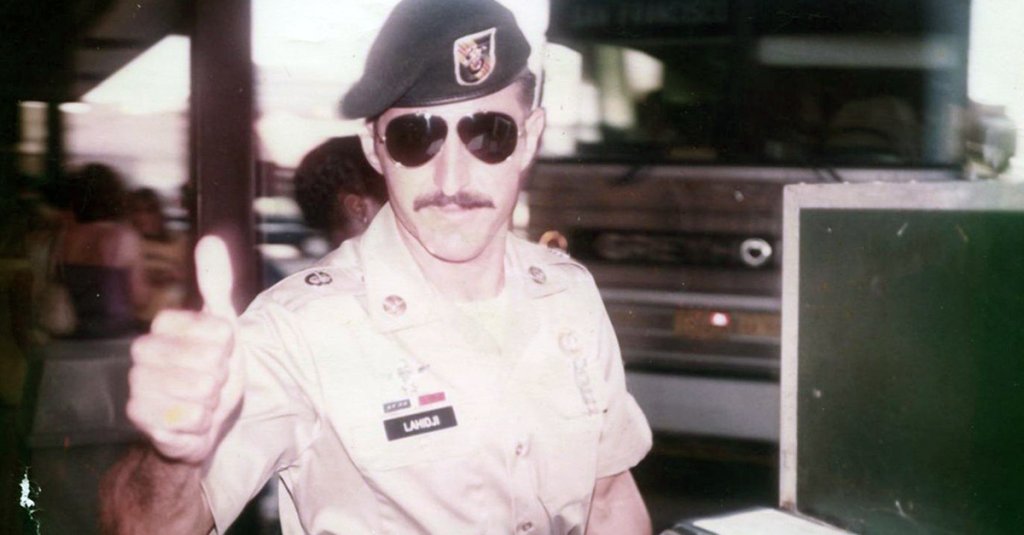
In the early 1970s, Changiz Lahidji was exactly where a young commando is supposed to be: standing watch, weapon slung, part of an elite unit. The problem was the mission.
Lahidji first joined Iran’s special forces under Shah Mohammad Reza Pahlavi, expecting hard training, high stakes, and the kind of adventure that John Wayne movies promised. Instead, one of his early tastes of “special operations” meant guarding lavish, desert-set celebrations meant to glorify Iran’s monarchy and its ancient past. It was pageantry, not purpose, and a reminder that elite troops sometimes get used as expensive props.
Related: This Iranian was the highest-scoring F-14 Tomcat pilot ever
He didn’t stay in service to the Shah for very long. It seemed like a waste. So in 1973, he moved to California, working in family-owned gas stations until November 1978. That’s when he joined the Army and became an instrument of destruction—for the United States.

He was also a secular, middle-class Muslim who had grown up in a modernizing Iran, not the cartoon version Americans would later see on the evening news. That gap between who he was and what people assumed he was would become a theme. In November 1978, he decided to join the U.S. Army.
In his book (and elsewhere), “Full Battle Rattle: My Story as the Longest-Serving Special Forces A-Team Soldier in American History,” Lahidji recalls a recruiter who warned him he wasn’t big enough for the job. Lahidji had already served in Iranian special forces, and he didn’t take the hint. He pushed forward anyway, and even after breaking an ankle at jump school, he kept moving. It was the sort of decision that sounds heroic in hindsight and deeply stupid when you picture the swelling.
He made it to Fort Bragg for Green Beret training, and the past followed him in a way that felt almost scripted. One of the team sergeants there, Lahidji later recalled, was someone he had met years earlier in Iran during joint training with the Shah’s army. His colleague gave him a simple encouragement: make it through, and you’ve got a spot on the team.
Lahidji made it through.
The late 1970s were not a good time to be from the Middle East living in the United States, even if you were in the Army. He had to constantly endure racism from his fellow soldiers, even though they couldn’t tell the difference between an Arab and a Persian. He endured, pressed on, and less than a year after joining, he was wearing the coveted Green Beret. By December 1979, he was on his first mission.
He was on his way back to Iran.

Lahidji is widely described as the first Muslim to serve in U.S. Army Special Forces, but his timing was brutal. In November 1979, Iranian militants seized the U.S. Embassy in Tehran and took 66 Americans hostage, igniting a crisis that would dominate U.S. politics and scar the relationship between the two countries, seemingly forever.
But Lahidji wasn’t about to wait for the military to get around to assigning him to help. He wrote a letter to President Jimmy Carter, offering his unique skills, knowledge of Tehran, and native Farsi linguistic skills to the task. He wanted to choose his A-team and get to Iran as soon as possible.
The U.S. military was, understandably, more than happy to oblige. He wasn’t going to lead an A-team, but he had an Iranian passport and went into Tehran ahead of a secret rescue mission to gather information and lay groundwork. One job described in his memoir was as practical as it was surreal: arranging transportation, renting a bus for the moment American operators would need to move hostages fast.
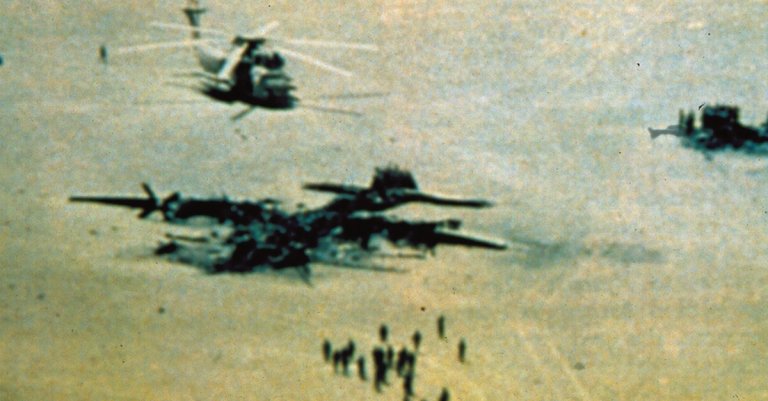
That mission, Operation Eagle Claw, collapsed in the Iranian desert in April 1980, after mechanical failures and a fatal collision at a staging area known as Desert One. Lahidji, who had entered Iran alone, had to get himself out alone, too. After the operation was aborted, he later wrote that he escaped Iran by blending in and eventually slipping out by fishing boat.
The Iran mission was supposed to be his moment, but it turned into something equally demonstrative. It proved that he could take on the most politically radioactive assignment imaginable and come back alive. Inside Special Forces, that kind of résumé is highly coveted. After Iran, he didn’t have to worry about being accepted by his fellow Green Berets. He was one of them.
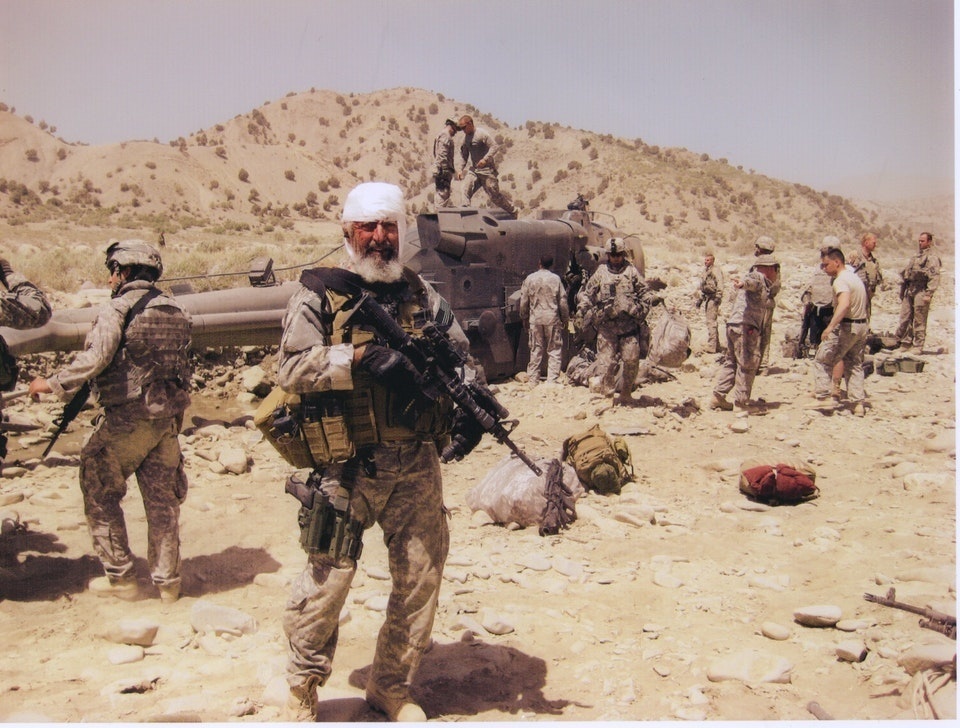
From there, Lahidji’s career reads like a tour of the late Cold War and the messy decades that followed. His deployments and assignments spanned Grenada, Haiti, and later Somalia, including time in Mogadishu during the 1993 “Black Hawk Down” battle. He has also spoken about the physical cost of the job: broken bones, a dislocated shoulder, and dangerous training that included high-altitude parachute jumps.
In his memoir, he also writes about counterdrug missions overseas and assisting in counterterrorism efforts connected to the 1993 World Trade Center bombing investigation. Like a lot of Special Forces stories, some details live outside the realm of what’s publishable, but the line stays consistent. Lahidji kept going where language, culture, and a willingness to go first were more valuable than raw firepower.
After retiring from the Army, he kept working in and around the same worlds. Lahidji describes being in private-sector security work when the Sept. 11 attacks happened, then resigning and using his contacts to get back into the fight. He later worked for the State Department and continued operating in Iraq and Afghanistan, where he was nearly killed when his helicopter was shot down.
And then there’s the story Lahidji tells that lands like a punch and hangs there. While working in Afghanistan as a contractor posing as a farmer in the days after 9/11, he believed he identified Osama bin Laden, reported it to U.S. officials, and watched the moment evaporate without action. Whether a reader takes that as tragedy, frustration, or a cautionary tale about intelligence and bureaucracy, it fits the larger pattern of Lahidji’s life. He’s the man who kept showing up, kept volunteering, and kept getting placed in the narrow seams where history tends to leak.
Lahidji has said that, for all the racism he faced early on, Special Forces ultimately gave him what he had been chasing since he was a kid in Iran: brotherhood, purpose, and a life that finally matched the myth on the movie screen, but with fewer clean endings and a lot more dust.