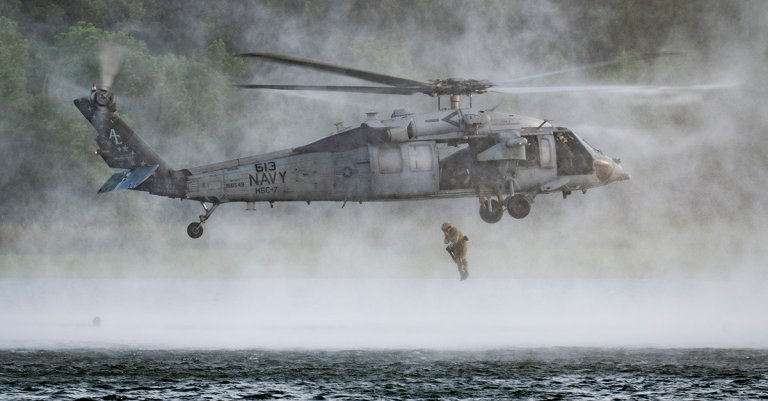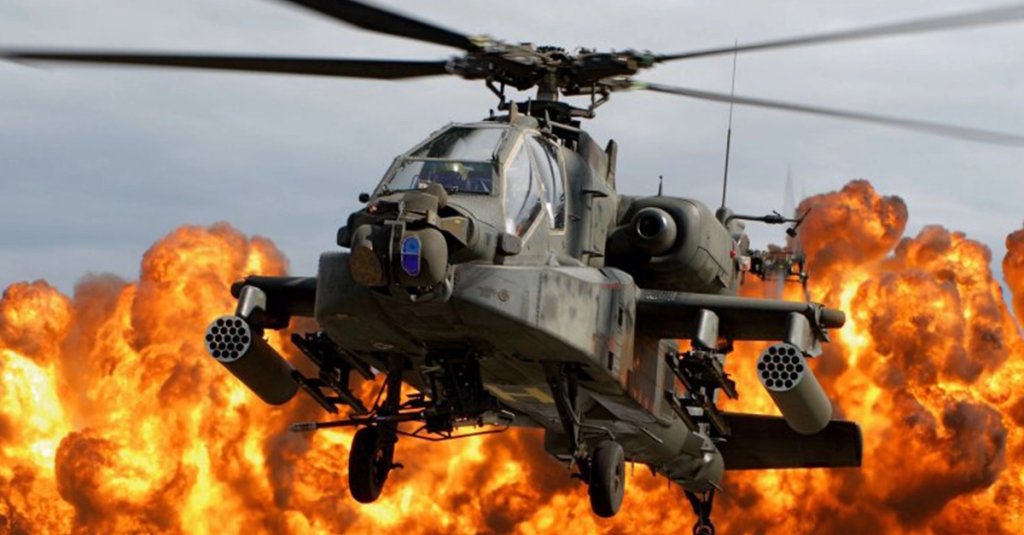
In January 2007, a group of Royal Marines threw together a crazy mission to rescue a wounded Marine trapped inside the compound. To get him back, four Marines strapped themselves to the outside of Apache helicopters and rode back into the compound.
Related: How AC/DC helped save a POW in Mogadishu
The situation arose after an attack on Jugroom Fort went sour quickly. During Operation Glacier, the Brits assaulted in armored vehicles with artillery and Apache support, but the insurgents returned a heavy volume of fire when the Marines dismounted. Poor communication during the raid led to a friendly-fire incident, and another miscommunication led to the Marines withdrawing without Lance Cpl. Mathew Ford.
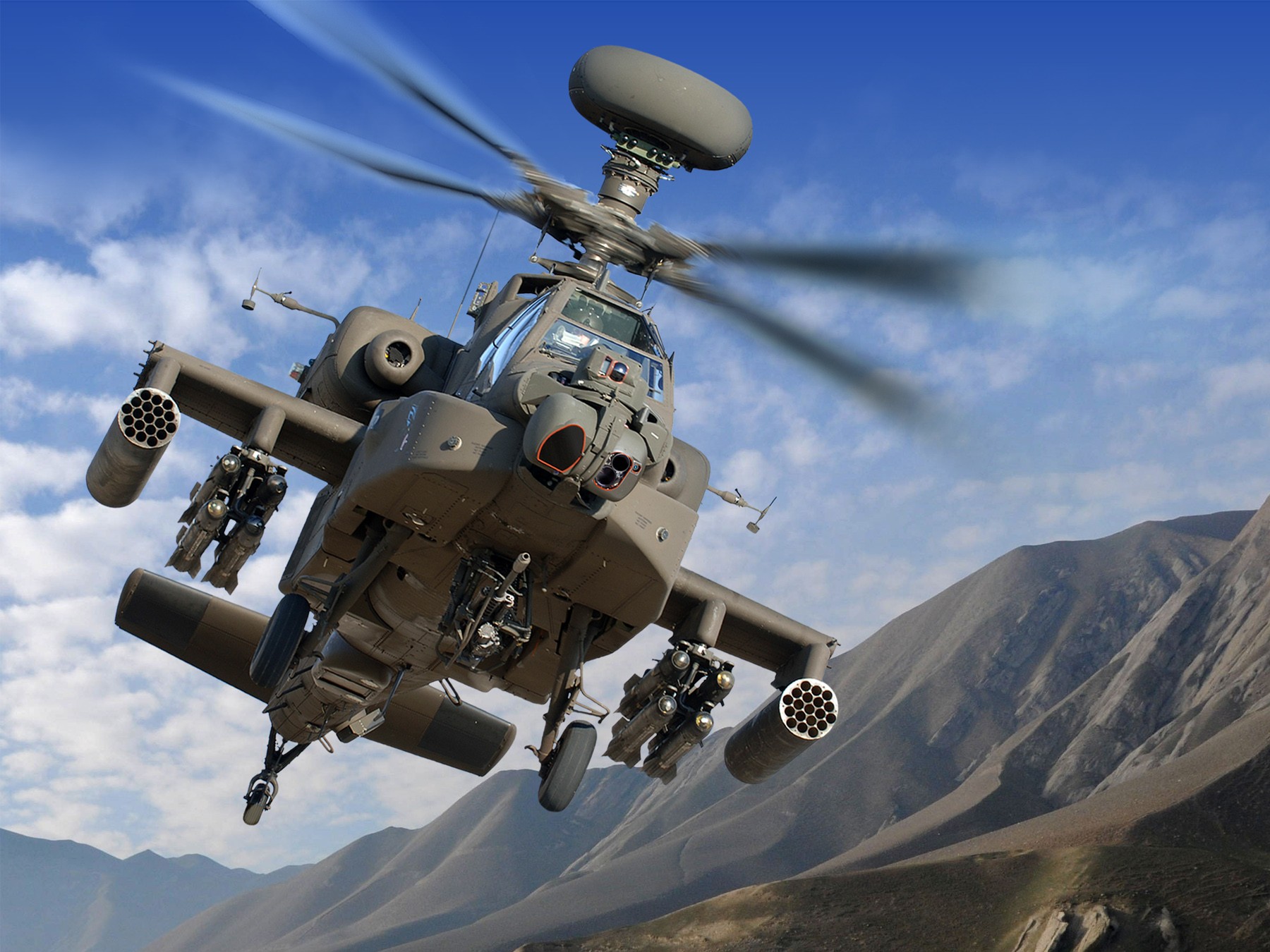
After rallying back up, the Marines quickly realized Ford was missing and, using infrared sensors, one of the two Apaches on the battlefield spotted what appeared to be a human silhouette just inside the compound. The Royal Marines quickly devised a plan to strap two Marines to each Apache and have them land just outside the compound. They would recover Ford, who appeared to be severely wounded, and then ride back out.
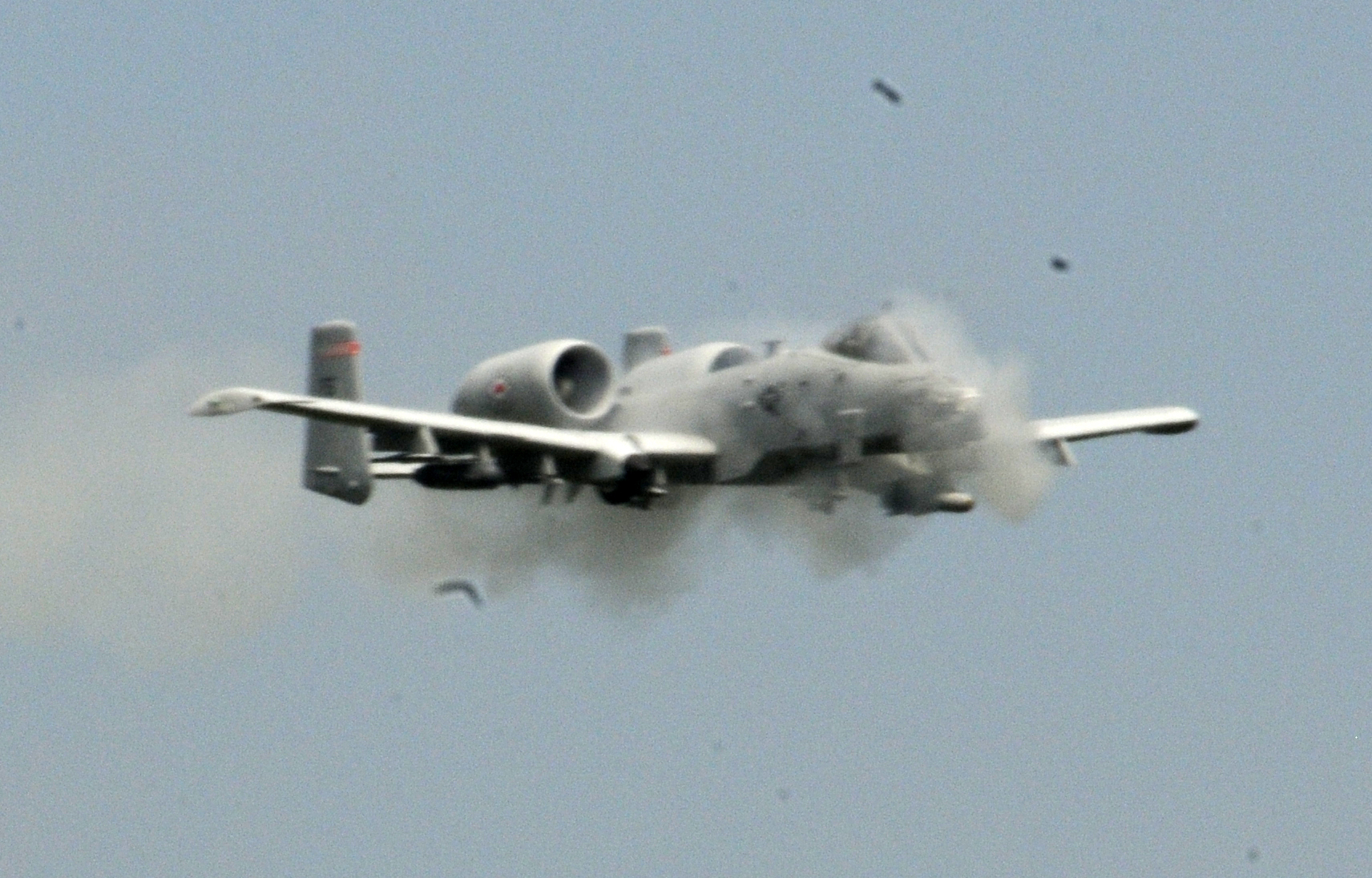
The men called for nearby NATO assets to assist, and American A-10s and a B-1 came in to help. The B-1 kicked off the assault by dropping four JDAMs onto the opposite side of the compound from Ford. According to a report published in “War is Boring,” the American pilots were shocked by what they saw during the mission.
“As I passed ahead of one Apache,” an unnamed pilot wrote, “I glanced high left to see a man, leaning over the stubby helicopter wing, unloading his rifle on the enemy. We matched with 30-millimeter and rockets.”
That’s right, the Marines were firing their rifles while strapped to the helicopters.
When the Apaches landed at the fort, there wasn’t enough space for both helicopters at the planned landing zone. So one Apache landed just outside the walls while the other landed inside the compound. The Marines quickly detached themselves and began searching for Ford. When one pair of Marines headed in the wrong direction, an Apache pilot jumped out of his bird to show them the way.
As the A-10s provided fierce covering fire, the Brits found Ford and carried him back to the helicopters. They managed it just in time. At three minutes after landing, the insurgents had recovered enough to begin firing on the parked Apaches. The Marines and pilots escaped at five minutes without further casualties.
The Apaches rushed Ford to medical aid before returning to base, barely making it before they ran out of gas. Unfortunately, Ford had died of his wounds sometime before the rescue attempt.
The men involved in the rescue attempt received awards for their valor. One of the pilots involved in the mission wrote a book, “Apache: Inside the Cockpit of the World’s Most Deadly Fighting Machine,” where he detailed his time in Afghanistan and the mission to rescue Lance Cpl. Ford.

That time 4 Royal Marines strapped themselves to Apaches
Don’t Miss the Best of We Are The Mighty
• 3 Stories from the Battle of the Bulge you won’t see in ‘Band of Brothers’
• 7 of the most realistic military games available
• 3 Really good news stories you might have missed in 2025