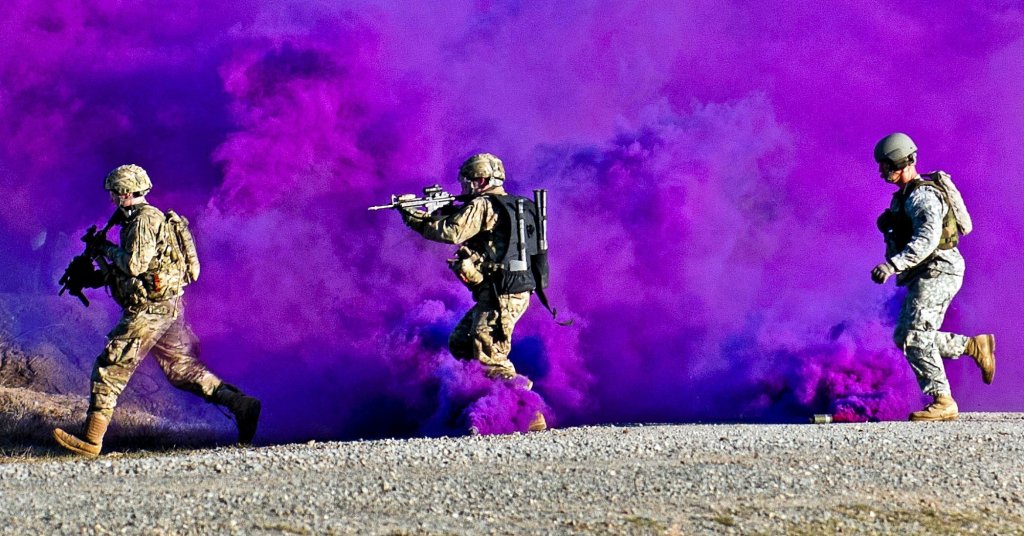
It seems like every week brings another potential flashpoint for global conflict or World War III. North Korea acts like it wants to go 12 rounds over its nuclear program. China threatens war to protect its control of Taiwan and the South China Sea. Russia stages major exercises near NATO borders and is currently struggling to hold parts of Ukraine.
And that’s without touching the cluster that is the conflicts elsewhere in the world.
But Americans can still sleep soundly because its military keeps teams ready to deploy at a moment’s notice, projecting power to any part of the globe within hours, especially if it comes to World War III in Europe.
Related Video:

How long would the U.S. last against the rest of the world?
These are the U.S. military units that, in conjunction with NATO and other allies, would be in charge of drawing first blood in a knockdown fight. We modeled the conflict based on the war in Syria erupting into something larger, but the scenario would play out similarly in other regions of the world.
Listen to the author and other vets discuss this World War III scenario on the WATM podcast.
Subscribe: iTunes | Google Play
1. The U.S. Air Force’s first move is to achieve air superiority.
The Air Force is likely going to find itself the first one in the ring. Strikes in Syria fall under U.S. Central Command, but command and control for a conflict that spills into Turkey would shift to U.S. European Command.
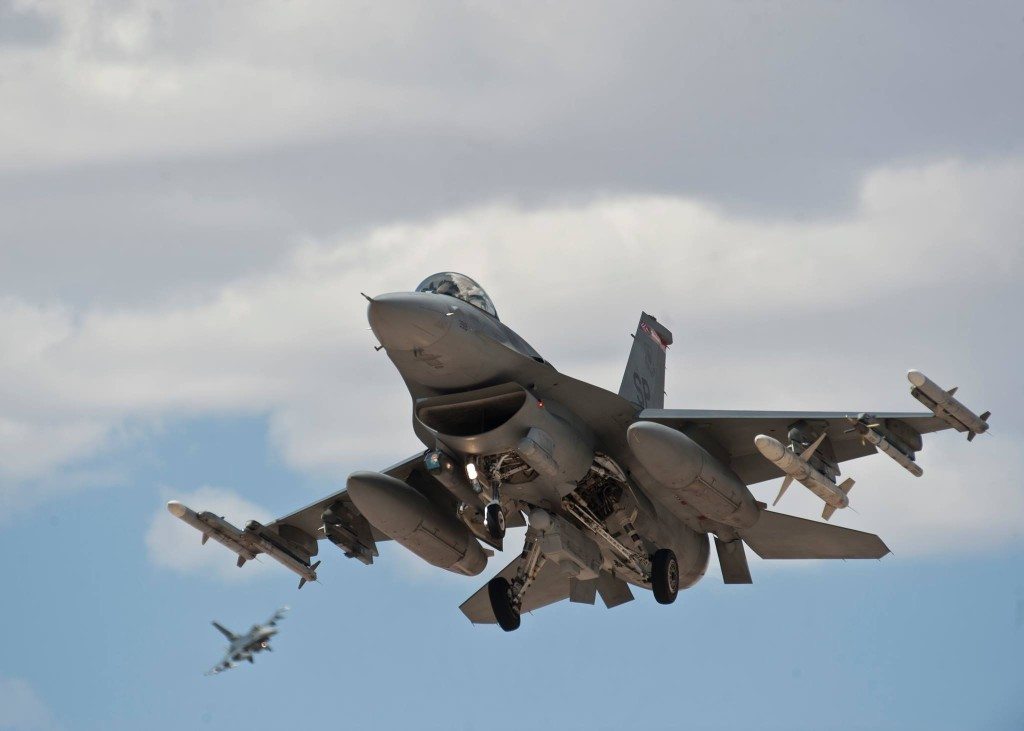
As USEUCOM began coordinating the other military branches, the Air Force in Europe would defend itself and allied air forces. The six F-16s temporarily based in Turkey would likely be the first to fire. As they begin intercepting Russian jets, the Air Force would likely send in some of the other F-16s stationed around Europe, along with the four F-22s deployed there, to achieve air superiority over Turkey.
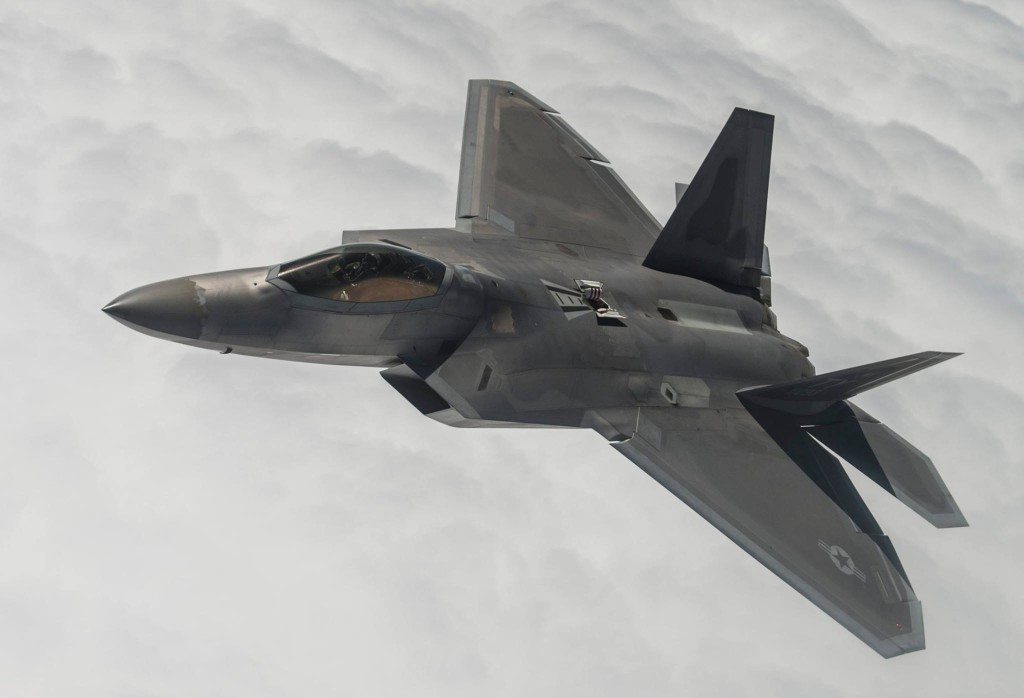
Within 24 hours, the Air Force would dispatch 1-2 “Rapid Raptor” teams. Each consists of four F-22s that can refuel in the air as they race to any spot on the planet in 24 hours. Their support crew and additional equipment follow them in a C-17. The rest of the planes in each squadron would come later.
And of course, the Air Force would support necessary ground operations. In July 2015, A-10 pilots practiced operating from an abandoned Warsaw Pact Airfield in Poland and proved they could fly from nearly anywhere.
2. The Navy protects shipping from submarines and pushes Russian assets back.

The U.S. Navy’s 6th Fleet covers the Mediterranean and Black Seas and would find itself in a fierce fight if it suddenly had to secure itself from a full-spectrum attack by Russia. Russian President Vladimir Putin commands an impressive fleet of extremely quiet submarines, even if the surface vessels of Russia’s Black Sea fleet aren’t as impressive as they once were.
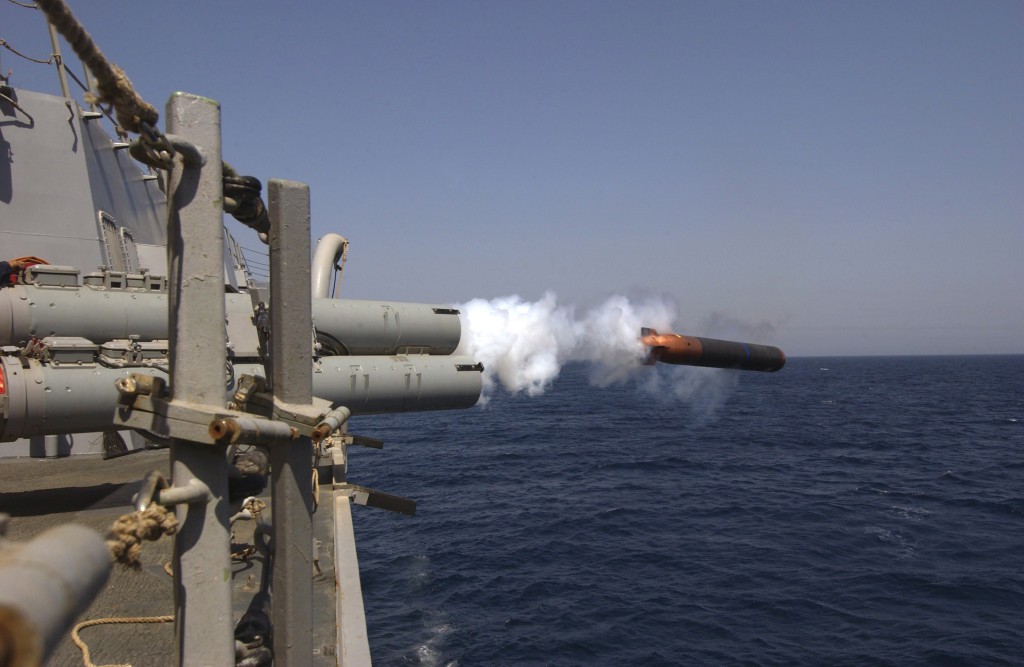
The 6th Fleet has been preparing for these possibilities, training with allied navies with a focus on anti-submarine warfare. The destroyers of 6th Fleet have been conducting patrols through the Mediterranean and training to operate in the Black Sea.
Currently, the 6th Fleet lacks an aircraft carrier or Marine expeditionary unit; however, the USS Harry S. Truman is en route to the 5th Fleet and could be redirected through the Suez Canal to the 6th Fleet if necessary. Until the actual carrier arrived, the planes could fly missions supporting the 6th Fleet by launching from the Truman and refueling from a tanker over the Middle East on their way to the Mediterranean.
Also, other ships could surge from the U.S. into the fight if required. The USS Theodore Roosevelt recently departed the Arabian Sea and could be redeployed if necessary. The USS H. W. Bush is in Norfolk for training.
3. Marines quickly secure U.S. nationals and evacuate embassies.
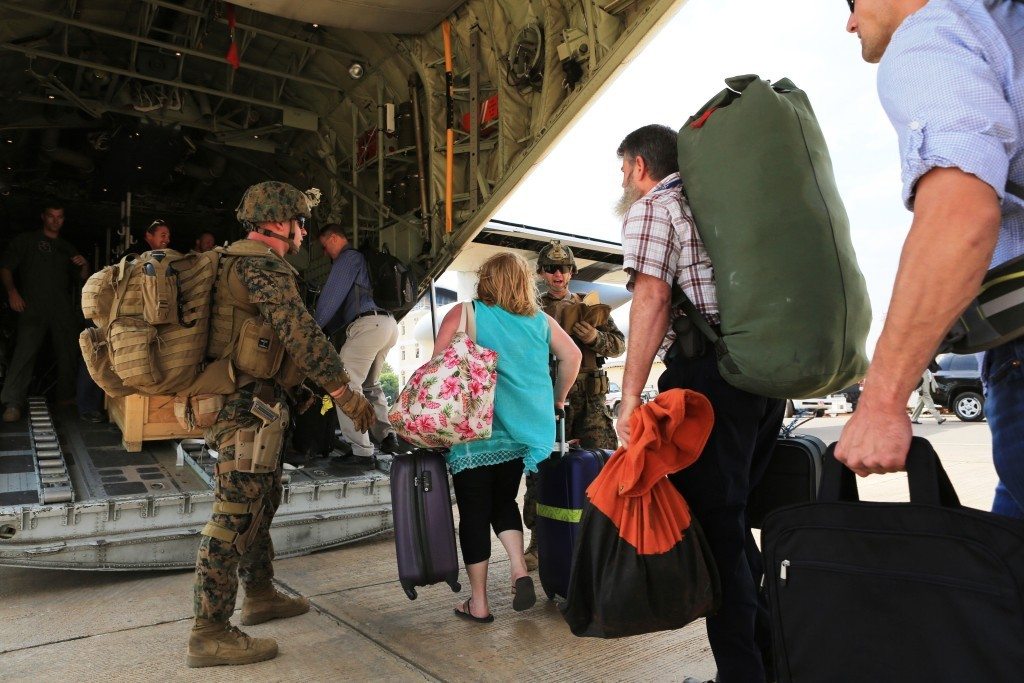
Marines stationed at vulnerable embassies throughout Eastern Europe would quickly evacuate embassy personnel and destroy classified information. Obviously, the Moscow embassy would face the shortest timeline.
Deploying to back these Marines up, recover downed aircrews, and evacuate civilians as required is the Special-Purpose Marine Air-Ground Task Force Crisis Response–Africa. SPMAGTFCR-AF is trained on how to work with regional allies and quickly deploy their 500 troops, six MV-22s, and two KC-130Js.
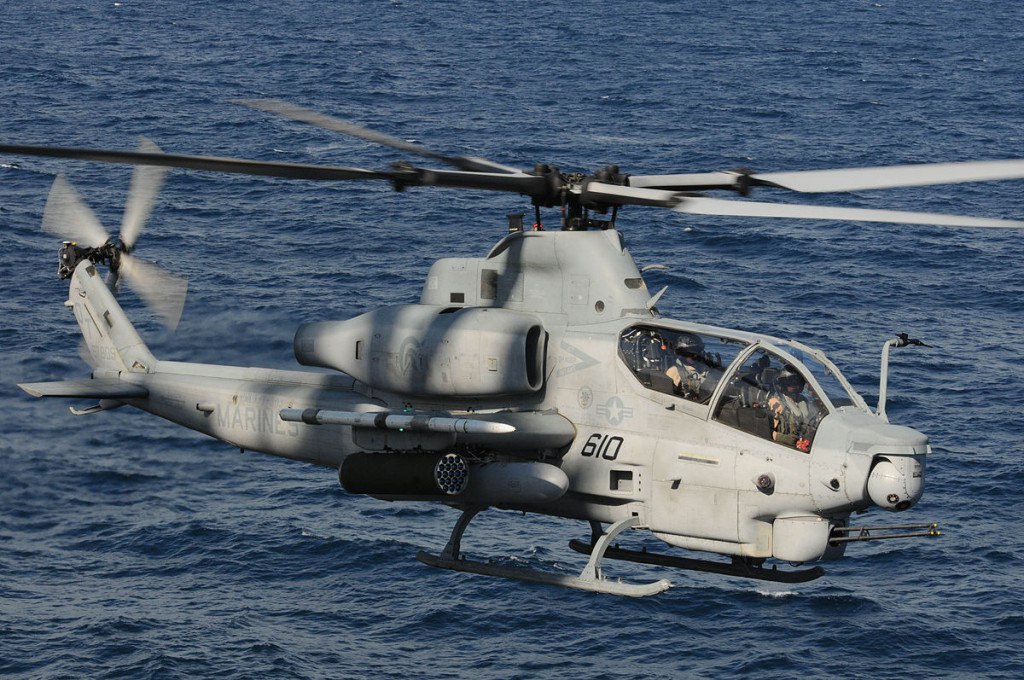
Marines deployed to the Black Sea Rotational Force in Romania would provide expertise and assist in defending Romania’s coast from potential attacks by Russia’s Black Sea Fleet. Marines across the rest of the continent would prepare to repulse a land invasion from Moscow.
4. The Army holds the line across over 750 miles of border.
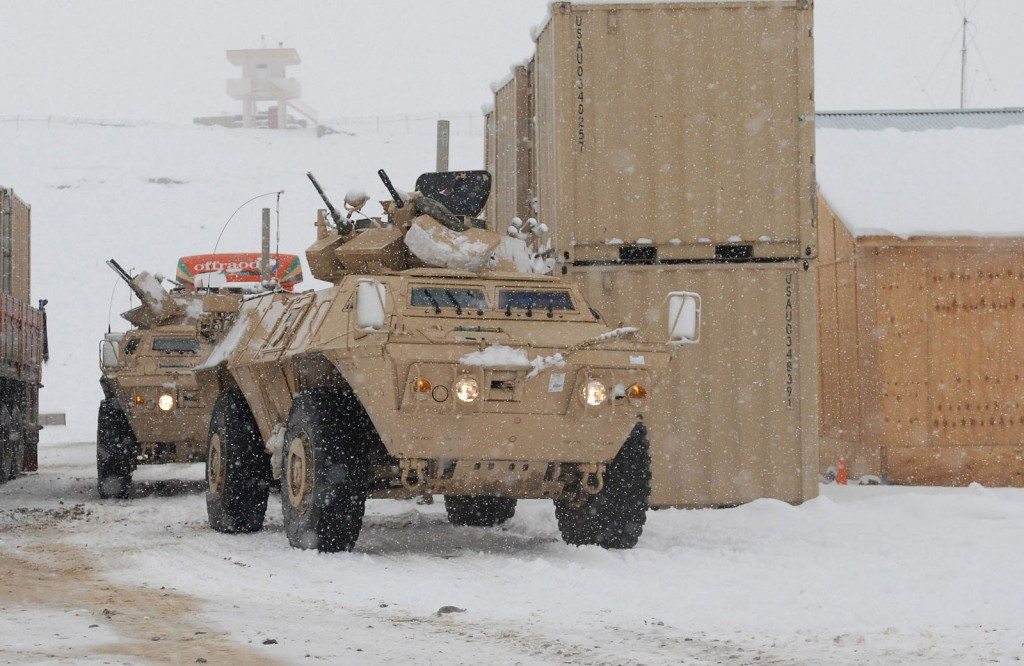
U.S. Army Europe has units across the continent, but most of the major unit headquarters are in Germany. USAREUR soldiers would rapidly deploy from there to bolster smaller garrisons. This deployment would include the paratroopers of the 173rd Airborne Brigade Combat Team, the Strykers of the 2nd Cavalry Regiment, and the helicopters of the rotational aviation task force in Europe.
They would be backed up by the Global Response Force from the 82nd Airborne Division in Fort Bragg, North Carolina.
5. Supporting all of this activity would be Special Operations Command Europe.
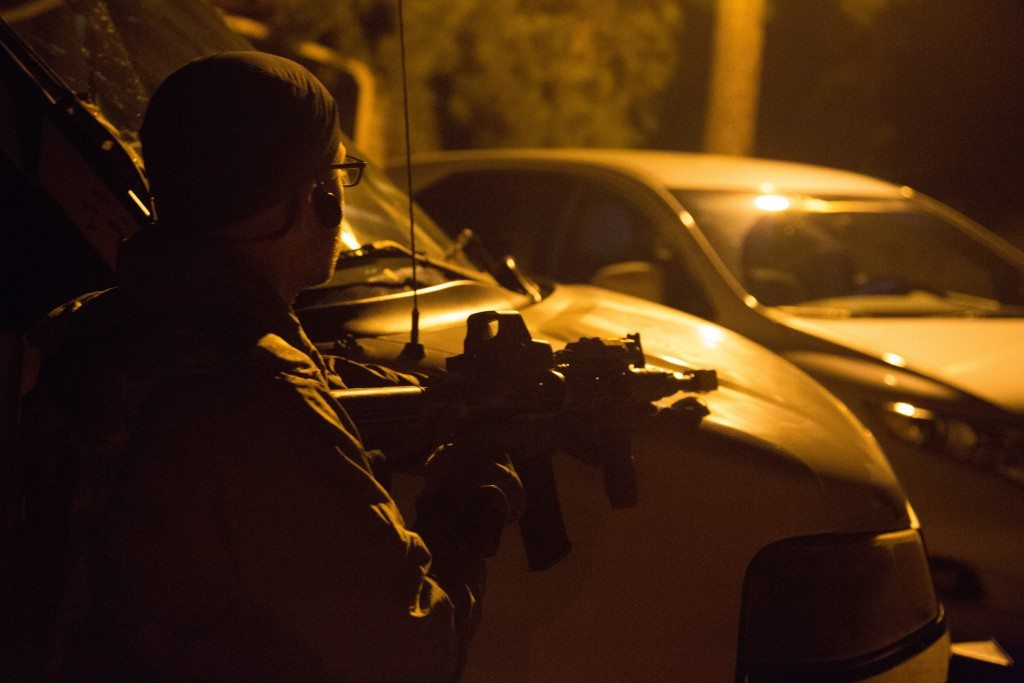
Special Operations Command Europe has operators from the Army, Navy, and Air Force. The Army fields its oldest Special Forces group, the 10th, in Europe. Navy Special Warfare Unit 2 primarily supports forward-deployed SEAL platoons but can also pivot to lead a Naval Special Warfare Task Unit that would support U.S. European Command.
Meanwhile, the Airmen of the 352nd Special Operations Group would plan the complex air missions supporting these other operators. The Air Force special operators from the 321st Special Tactics Squadron would provide pararescue, air traffic control, and reconnaissance capabilities.
As World War III progressed beyond the initial exchanges, the branches and their subordinate units would integrate into the NATO command structure, with many U.S. troops deploying as part of NATO’s Rapid Deployable Corps.