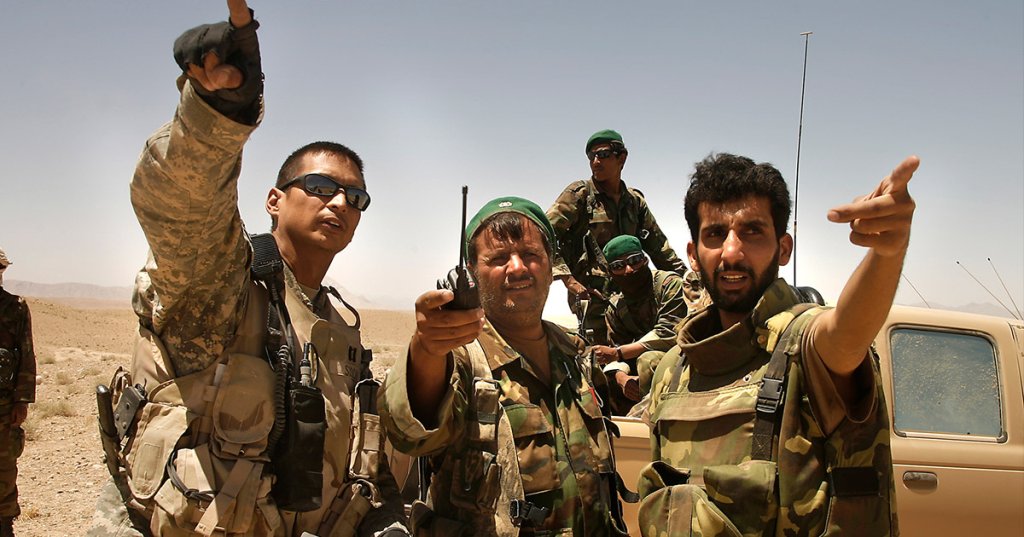
To address longstanding difficulties that America’s Afghan allies face at home and overseas, Congressional leaders introduced complimentary bills in the House and Senate in early August. Sen. Amy Klobuchar’s (D-Minn.) Fulfilling Promises to Afghan Allies Act (FPAAA) and veterans Rep. Mariannette Miller-Meeks’ (R-Iowa) and Rep. Jason Crow’s (D-Col.) Afghan Adjustment Act (AAA) enjoy wide bipartisan support.
Similar legislation has been introduced under two previous Congresses, but has failed to pass.
Sonia Norton, Director of Advocacy for nonprofit No One Left Behind, was involved in both prior attempts to advance the AAA as the former Senior Legislative Assistant for Rep. Earl Blumenauer (D-Oreg.). Norton told We Are The Mighty that the current legislation is improved over former iterations, having resulted from “even more really strong bipartisan negotiation.”
Support for the bills extends widely through the community of advocates and volunteers who have been supporting Afghan allies during four years of post-withdrawal uncertainty. The bills are also supported by numerous veteran service organizations. As Dr. Kyleanne Hunter, CEO of Iraq and Afghanistan Veterans of America (IAVA) told We Are the Mighty, “in our most recent survey work, 72 percent of our membership believe that the U.S. government should be doing more to help our wartime allies. The AAA and FPAAA are a means for the government to do more.”
Among the most important provisions proposed within the complementary bills are a path to permanent status for Afghans who were evacuated during the U.S. withdrawal from Afghanistan, additional support for Special Immigrant Visa (SIV) applicants awaiting processing overseas, and access to refugee protections for allies who continue to face serious risk on account of their service to the U.S.
Post-Withdrawal Evacuees
Most Afghans who were evacuated to the U.S. during the August 2021 evacuation of Hamid Karzai International Airport were given two years of humanitarian parole on arrival. Without legislation allowing parolees a more permanent method of protection, the Department of Homeland Security offered a two-year extension of parole in 2023. With these second parole terms coming to a close at the end of August, many Afghans will soon lose status and the work authorization that allows them to provide for themselves and their families.
Some Afghan parolees had or were seeking additional protections which have been impacted by recent Trump administration policies. A March 25 suspension in Green Card processing has impacted some allies on their way to achieving legal permanent residence. The removal of Temporary Protected Status for Afghans in July deprived about 11,700 Afghans of an additional layer of protection from being subject to removal proceedings or losing work authorization.
Norton says that the FPAAA and AAA would provide a path to permanence by allowing evacuees to “earn conditional [Legal Permanent Resident] status,“ and eventually gain outright legal permanent residence after submitting to “gold standard” vetting over a period of years. This would give members of the community “who own businesses, who have children in school, [and] who are active neighbors” the chance to live without concern about their status “while also going through standardized additional vetting.”
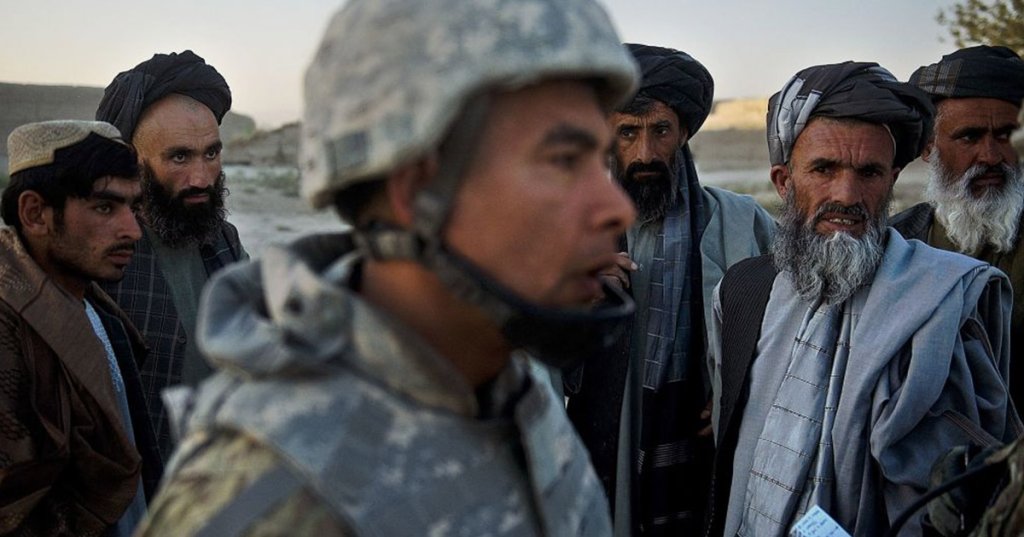
Army veteran Andrew Sullivan, the Executive Director of No One Left Behind, emphasized the importance of obtaining status for evacuees.
“During the noncombatant evacuation operation, the U.S. government evacuated 124,000 people, and 82,000 of them were Afghan,” Sullivan explained. “The fact that the majority of the people we evacuated were Afghans tells you how we thought about it. We knew that these were our brothers and sisters in arms. We knew that we had an obligation to them, and so we spent time ‘on the X,’ putting ourselves at risk with Marines and Army personnel manning the gates to allow Afghans to come in.”
“If it wasn’t important to us to do right by them,” Sullivan continued, “we could have evacuated just American citizens and legal permanent residents…and been off the X much quicker.”
“We brought [our allies] here with the idea that they were coming to safety, and they were coming permanently,” Sullivan explained. “Unfortunately, we have not been able to fulfill that yet. To me, the Afghan Adjustment Act is the fulfillment of the sacrifice of the 13 service members that were killed at Abbey Gate, and the dozens more that were wounded. This is America finishing the mission and living up to their sacrifice.”
Among those evacuated from HKIA were about 9,000 of our closest allies, the Zero Units. Trained by the Central Intelligence Agency, the Zero Units were at the forefront of America’s fight against terrorism for nearly two decades. They were also indispensable in restoring security at Hamid Karzai International Airport during the chaotic withdrawal.
Though they qualify for the SIV program, thousands of Zero Units members are still lost in the program’s bureaucratic delays. Without a status adjustment, they will soon lose the ability to work and provide for themselves.
During August 2021, many members of the Female Tactical Platoons were also evacuated to the U.S. because their support of Afghan Special Operations personnel would have put them in danger of Taliban reprisals.
Army veteran Rebekah Edmondson is the CEO of NXT Mission, which supports FTP personnel. Edmondson told We Are The Mighty that 80 percent of FTP personnel who are stateside “have been waiting on stalled Green Card applications since the [March] freeze.” Edmondson explained that “all these women want is to rescue their family members. If AAA were to pass, it would at a minimum grant them Green Cards and start the clock towards achieving citizenship, at which point they have mechanisms to reunite.”
Edmondson noted that sponsoring family members for U.S. visas is a lengthy process. “Until there is some resolution to their immigration purgatory, they cannot even start the clock on that effort.”
SIV Applicants
Many SIV applicants remain in Afghanistan, where there is no U.S. Embassy to provide the consular services required for processing their cases. Norton says that the FPAAA and AAA will “allow the administration discretion, if they feel it’s appropriate, to use virtual interviews so that our allies who are still in tremendous danger in Afghanistan can continue through the [SIV] process.”
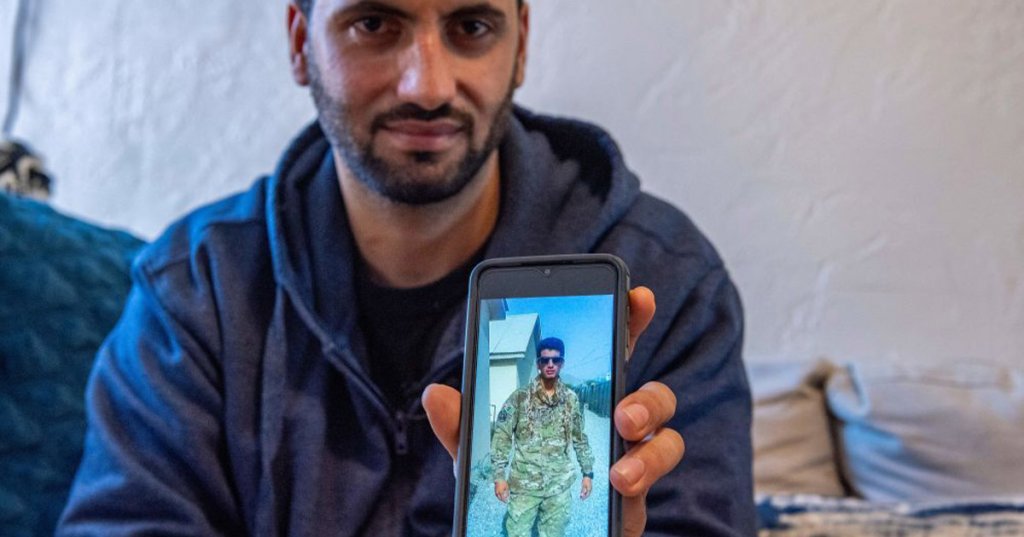
The AAA and FPAAA would also create a State Department-led Interagency Task Force to work on issues of relocation and resettlement for Afghan allies and would extend the SIV deadline for applying to December 31, 2029.
SIV eligibility would also be extended to parents and siblings of U.S. military personnel and veterans.
Finally, Afghans who were injured while working with U.S. forces or the surviving families of Afghans killed during their employment would be able to apply for SIV without demonstrating a full year of service to the U.S. government.
Expanding the USRAP
A number of Afghan allies overseas who had high-risk positions in the Afghan Air Force, Female Tactical Platoons, Afghan National Army Special Operations Command, and Special Mission Wing do not currently have pathways to safety in the U.S. The FPAAA and AAA would grant these communities access to the U.S. Refugee Admissions Program (USRAP).
Edmondson praised the AAA and FPAA for possibly creating “a viable process” for FTP members “stuck in Afghanistan and living in hiding in surrounding countries…to reach safety.”
Currently, the USRAP is inactive because a 90-day suspension by executive order issued on Jan. 20 has never been lifted. The International Refugee Assistance Project challenged the suspension through their Pacito v Trump lawsuit. While the class action suit makes its way through the court system, current USRAP applicants have been stuck at a Qatar processing platform, in third countries where they face deportation, and in the Taliban’s Afghanistan.
The AAA and FPAAA would not restart the USRAP, but Norton says that they “codify access” to the program. Norton believes that this provision within the bills “is very important in making the statement that people are willing to put their names on legislation that says this eligibility should exist, that this should be a real pathway for people to come to the States who are in danger because of their service.”
The Taliban’s reprisals against their former enemies are ongoing. In a March letter to President Donald Trump, Rep. Mike Lawler (R-N.Y.), Rep. Michael McCaul (R- Texas), and Rep. Richard Hudson (R-N.C.) raised alarms that there have been more than 3,200 documented killings and disappearances of former Afghan government personnel.
On July 20, the Daily Mail reported that 10 former Afghan allies had been killed since the paper reported on July 15 about a massive data leak that may have given the Taliban a “kill list” of 33,000 British allies.
Next Steps
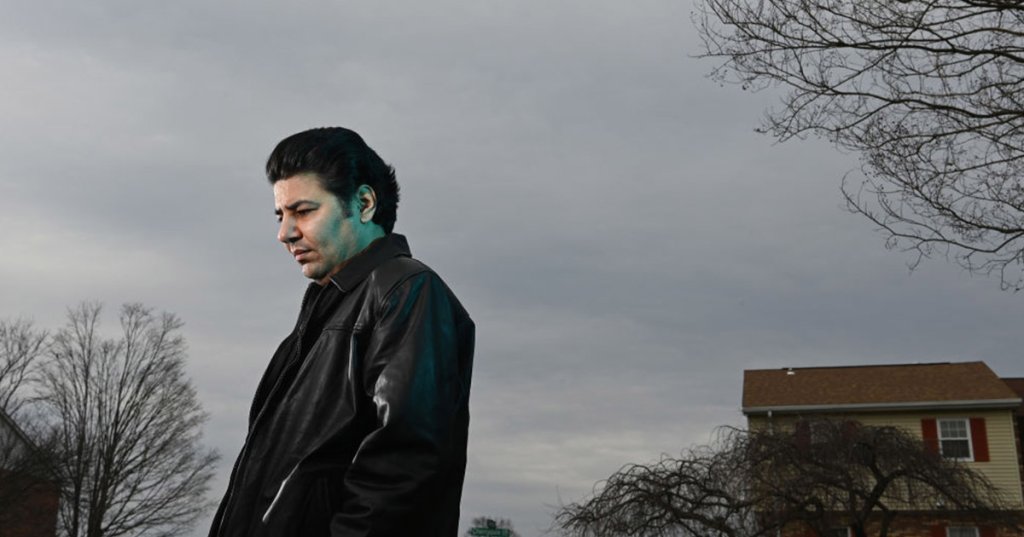
Using the AAA and FPAAA to grant status to allies who have faced four years of uncertainty is important for advocates like Sullivan. “When you look at the situation right now and kind of the limbo that exists for Afghans in the U.S. and abroad, that’s a failure of four presidential administrations,” he explained. “That’s a failure of multiple Congresses. But now, we have an opportunity to rectify it.”
Given Trump’s recent vocal support for Afghans stuck in a processing facility in the United Arab Emirates and for Afghan allies in the U.S., Sullivan said he is “hopeful that [Trump] will use the power of the presidency to push Congress to pass this incredibly important bill, to finally get this done after two previous Congresses failed to do it.”
Though Norton says that the current legislation has not been scheduled for a hearing, she reports “the momentum is continuing to build.” She urges those who are in favor of legislation that would assist Afghan allies “to contact their member of Congress and share their support” so staff can “make the case to their member that this is good policy.”
Beth Bailey (@BWBailey85) is a freelance contributor to Fox News and the host of The Afghanistan Project, which takes a deep dive into nearly two decades of war and the tragedy wrought in the wake of the U.S. withdrawal from Afghanistan.