This article originally appeared on Radio Free Europe/Radio Liberty.
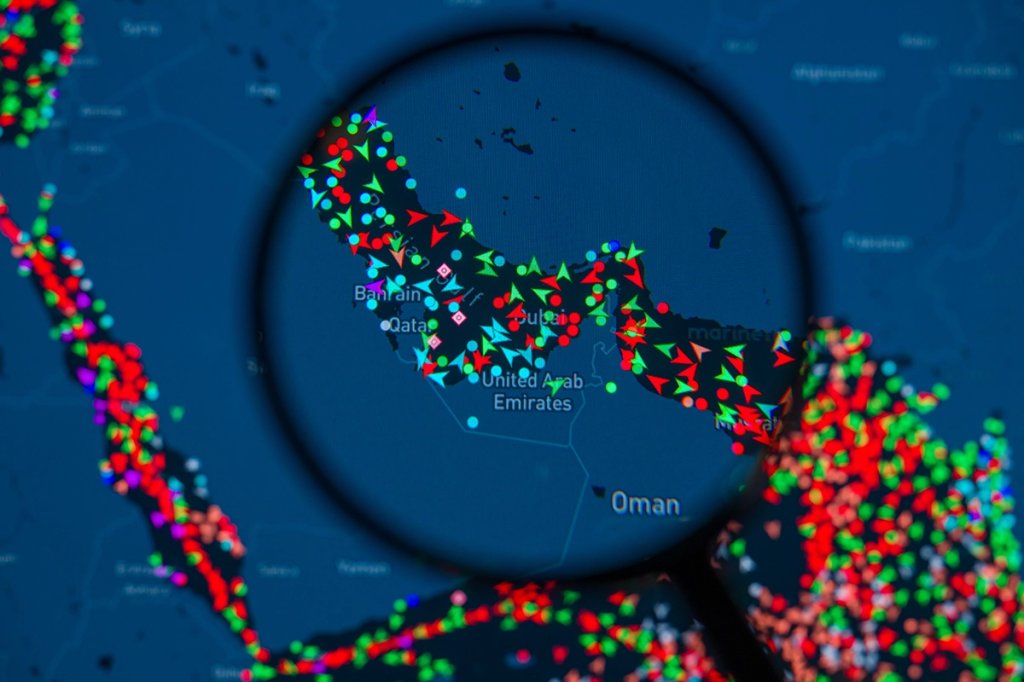
The Strait of Hormuz, a 33-kilometer-wide chokepoint through which roughly a third of the world’s seaborne oil passes, is effectively closed to normal commercial traffic.
Iran has not blockaded the strait with a chain or a fleet. Instead, it has made the waterway ungovernable through a combination of kinetic strikes, mines, electronic warfare, and market fear—creating a closure that is arguably harder to reverse than a conventional blockade.
Also Read: A Marine Corps general led a fictional Iran against the US military—and won
“I can think of no way to reopen and keep open Hormuz militarily and easily,” Richard Allen Williams, a retired U.S. Army colonel and former NATO Defense Investment Division official, told RFE/RL.
How The Strait of Hormuz Was Closed
The shutdown has four interlocking layers.
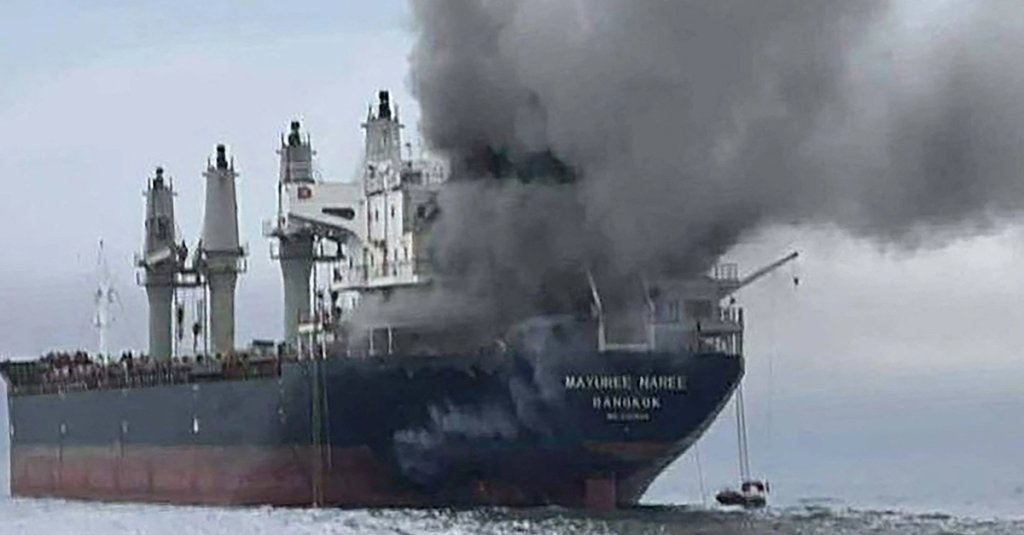
The first is physical: more than two dozen drone, missile, and fast-attack boat strikes on commercial shipping since the war began, with Iran demonstrating it can reach vessels hundreds of kilometers from the strait itself, off the coast of Iraq.
The second is mines. According to U.S. intelligence reporting, Iran has begun laying mines in the Strait of Hormuz. Its total arsenal is estimated at around 6,000, ranging from crude contact mines to sophisticated seabed devices that respond to acoustic or magnetic signals.
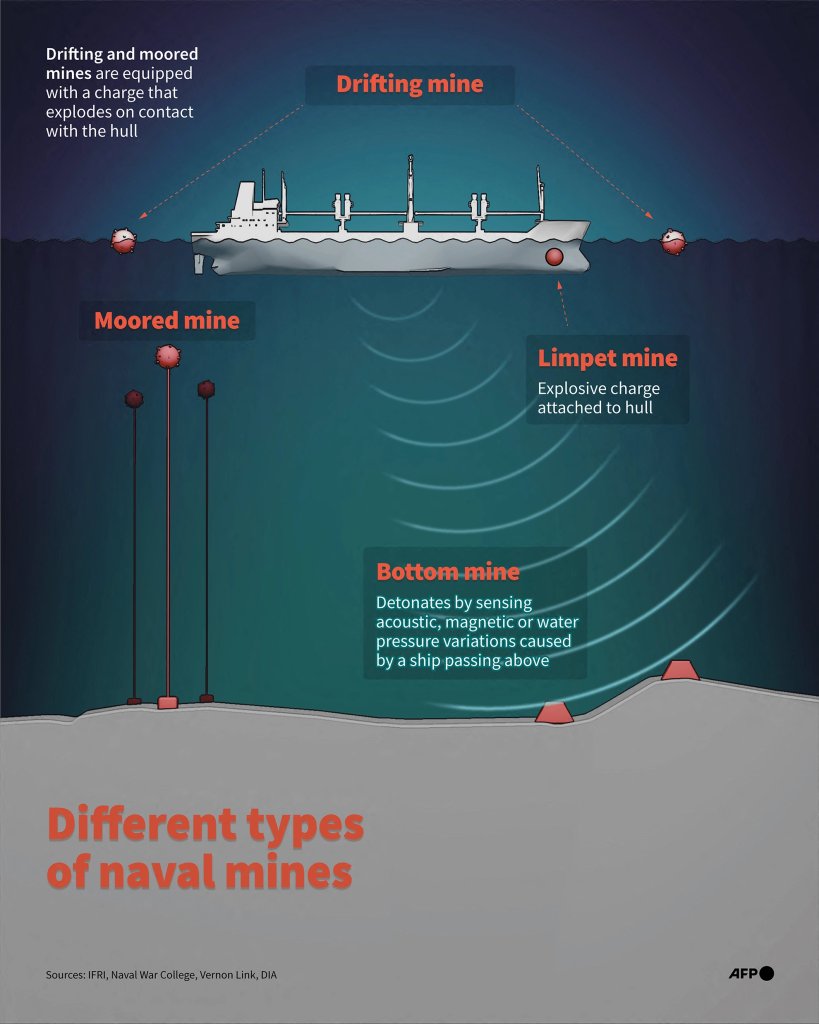
Laying them is easy; it can be done from ordinary fishing boats, indistinguishable from normal Persian Gulf traffic. Clearing them is not. It took the United States and its allies 51 days to sweep 907 mines off Kuwait after the Persian Gulf War, with the advantage of Iraqi minefield maps. Even a limited Iranian mining campaign would mean a closure measured in months.
The third layer is electronic. GPS spoofing and signal jamming affected more than 1,650 vessels on a single day in March, with navigation systems showing supertankers sailing over dry land and cargo ships transiting airports. In a narrow waterway, that level of disruption creates genuine collision risk with no missile required.
The fourth and final layer is financial: War-risk insurers have withdrawn coverage across much of the commercial market. Without insurance, ships don’t move.
Michael Horowitz, an independent defense expert based in Israel, says the threat is structurally asymmetric.
“Just a few attacks per month is enough to increase insurance prices and market pressure,” he told RFE/RL, comparing the situation to the Houthi campaign in the Red Sea. “This is a battle heavily tilted in favor of the disrupter.”
What Washington Is Considering
The Trump administration is weighing a couple of options.
Tanker escorts—warships accompanying commercial vessels with drone and missile cover—are the lightest footprint but require roughly two warships per tanker and continuous drone patrols overhead.
But the risk is high, according to Horowitz.
“A land-based attacker, even without a proper navy, can be very effective. A U.S. loss would be dramatic and roll back the positive impact of escort missions in an instant.”
Mines compound the problem further. The U.S. mine countermeasure capability in the region, already limited to aging helicopters and troubled littoral combat ships, was weakened further when dedicated minesweepers stationed in Bahrain were decommissioned in late 2025.
Heavier air strikes aimed at Iranian coastal infrastructure are a second option. U.S. Central Command says it has destroyed 16 Iranian minelayers. But Iran’s mobile launchers are designed for shoot-and-scoot operations, and years of dispersal and hardening make systematic degradation from the air enormously difficult.
A third option that has been floated in the media is a ground operation, a Marine amphibious assault to seize or repeatedly raid Iran’s southern coastline.
Williams was blunt about what that means in practice: large forces, mountainous terrain, and 190,000 Islamic Revolutionary Guards Corps (IRGC) troops with asymmetric warfare experience. “Difficult, expensive, risky,” he said, “with no assurance of success.”
The Bottom Line
Even an optimistic escort scenario would reduce traffic to 10% of normal volume, according to Lloyd’s List Intelligence, with a backlog of over 600 stranded vessels taking months to clear. None of the military options address the insurance and market dimension—and shippers, not the Pentagon, ultimately decide whether tankers sail.
Horowitz sees a negotiated settlement as the most realistic path, but flags two other possibilities: blockading Iran’s own energy exports to pressure both Tehran and its top buyer, China, or waiting for the collapse of the Islamic Republic. He’s skeptical of the latter.
“The chances of that happening quickly enough for markets to recover are low, to say the least,” he added.
What that leaves is the Strait of Hormuz may stay closed for the foreseeable future, not for lack of military options, but because none of them can do what only a political outcome can.
Alex Raufoglu contributed to this report.
Kian Sharifi is a feature writer specializing in Iranian affairs in RFE/RL’s Central Newsroom in Prague. He got his start in journalism at the Financial Tribune, an English-language newspaper published in Tehran, where he worked as an editor. He then moved to BBC Monitoring, where he led a team of journalists who closely watched media trends and analyzed key developments in Iran and the wider region.
Copyright (c) 2026. RFE/RL, Inc. Reprinted with the permission of Radio Free Europe/Radio Liberty, 1201 Connecticut Ave NW, Ste 400, Washington, DC 20036.
Don’t Miss the Best of We Are The Mighty
• American-Iranian relations are a lesson in unintended consequences
• Your standard rifle can now be an anti-drone weapon. Seriously.
• How Iran was able to bruise the US Navy’s 5th Fleet