
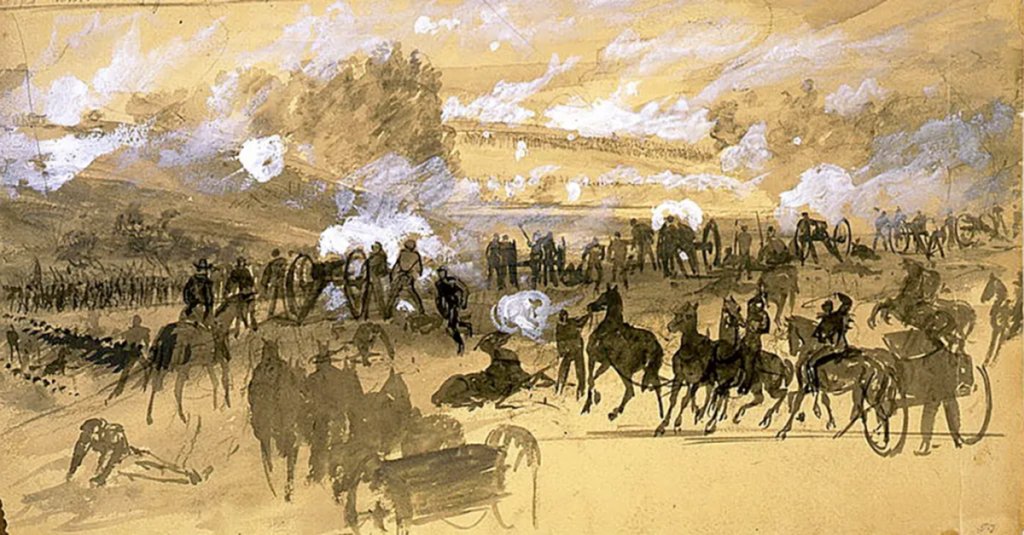
In 1862, the Union Army was in striking distance of Richmond, the Confederate capital.
The Union commander hoped to wrap up the entire war with just a few more engagements. However, surprising aggression by the Army of Northern Virginia’s new commander caused a Union defeat, leading to two more years of warfare.
In May 1862, Gen. George B. McClellan, a railroad man turned military officer, was the Union’s top officer. While McClelland had many drawbacks, his organizational skills were top-notch. He had managed to fight his way into position just miles east of Richmond, the political and industrial heart of the Confederacy.
Related: President Lincoln personally led a recon mission during the Civil War
If McClellan could capture the city, the Confederacy would fall apart. The rebels would be forced to withdraw south to Atlanta or another city while losing massive amounts of manufacturing power.
And the Confederacy had just fought a stalemate at the Battle of Seven Pines. Both sides claimed victory, but the Confederate commander was wounded and Gen. Robert E. Lee was promoted to replace him. Lee was known for caution at this point in the war, and McClellan decided to take time to wait for good weather and reinforcements before pressing his attack home.
It was a hallmark of McClellan’s actions during the war, and it gave Lee time to order a large network of trenches dug. That allowed Lee to defend the city with a small force while preparing the larger portion of his army for a more aggressive move.
Lee Goes on Offensive
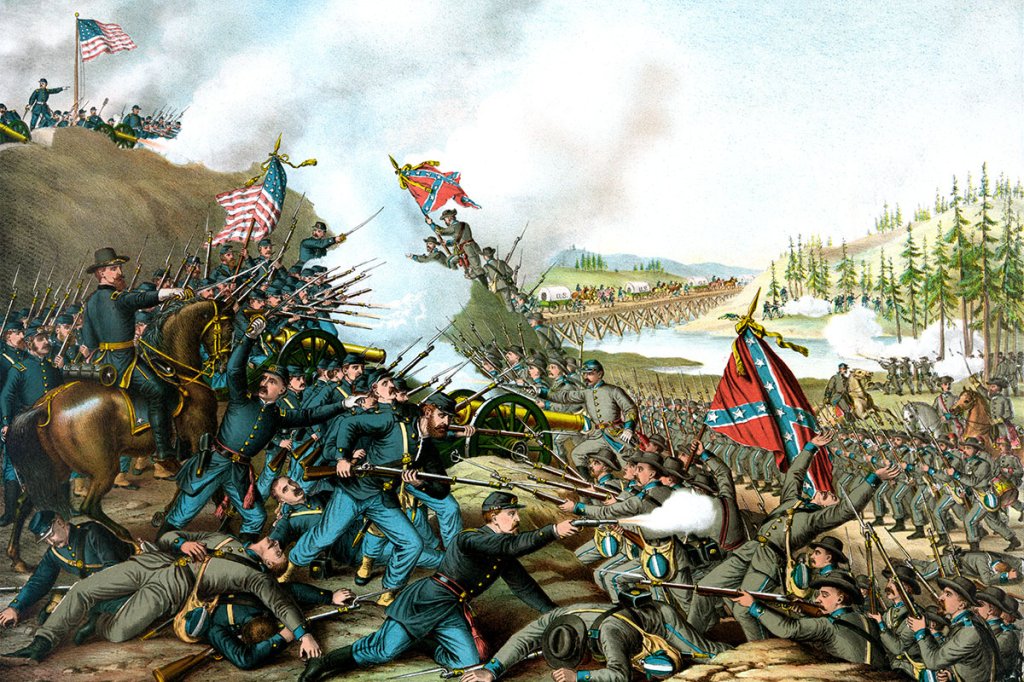
Lee didn’t want to just defend Richmond; he wanted to attack the Union force’s supply lines, forcing a retreat.
The Union Army in the field was much larger than the Confederates’, but it was fighting far from home. Union forces needed more than 600 tons of supplies per day, almost all of it shipped by rail and packtrain from northern cities.
On June 26, with Gen. Stonewall Jackson drawing close with an additional 20,000 Confederates, Lee struck. He started what would become known as the Seven Days Battles. The forces fought five major engagements and a number of smaller skirmishes over that fateful week.
Lee began his assault when the Union Army was sitting astride the Chickahominy River, with a third of it on the northern side and two-thirds on the southern side. That meant that Lee could attack the northern side and potentially even destroy the railroad there before the rest of the Union forces could get into position to fight him.
The Rebels Get Off to a Rough Start
But Day 1, known as the Battle of Beaver Dam Creek, went badly for the Confederacy. Lee committed his forces before Jackson had arrived, and Jackson was delayed by poor navigation and exhaustion from the long march and previous battles.
On Day 2, Jackson again ran into trouble as Union forces regrouped, forming a united front against the Confederate forces. But McClellan still didn’t press home his numerical advantage, withdrawing under the assumption that the aggressive Lee outnumbered him.
On June 28 and 29, the Confederate forces launched successful attacks against the retreating Union troops, but they failed to land a crippling blow. And so McClellan reached a great defensive position on July 1. From Malvern Hill, he could defend against any number of Confederate attacks.
In the end, the Confederacy lost approximately 20,000 men while the Union lost 15,000.
Lincoln Makes a Change
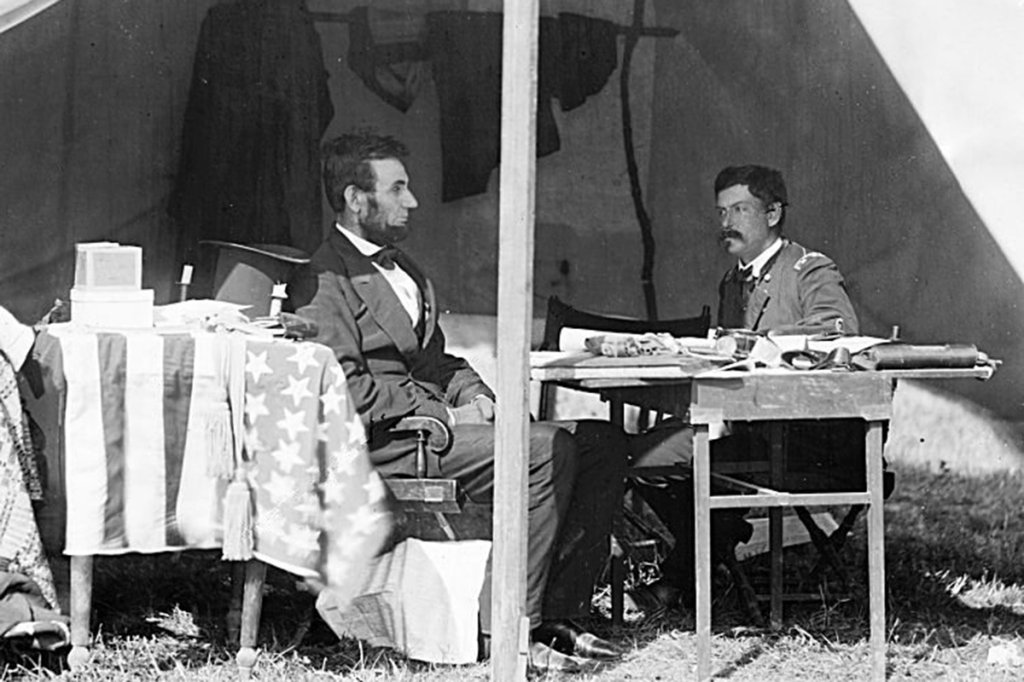
But while Lee didn’t land a significant blow against Union forces, he had succeeded in his larger goal. McClellan had been mere miles from Richmond and on the offensive, but one week later, he was driven south, begging for more troops and supplies before he would attack again.
Instead, he let Lee rebuild his forces and move north, achieving another victory at the Second Battle of Bull Run and opening the door for Lee’s first invasion of the North.
Previously known for his caution, Lee had gone on the offensive despite being outnumbered. That decision saved the Confederate capital and its industry. McClellan later lost his command, partially because of his failures to attack Richmond and off Malvern Hill.
Lincoln would have to search for his own Lee, his own aggressive general to carry the attack against the enemy. It took Lincoln until March 1864 to get him into position, but once he found Gen. Ulysses S. Grant, the tide of the war changed.