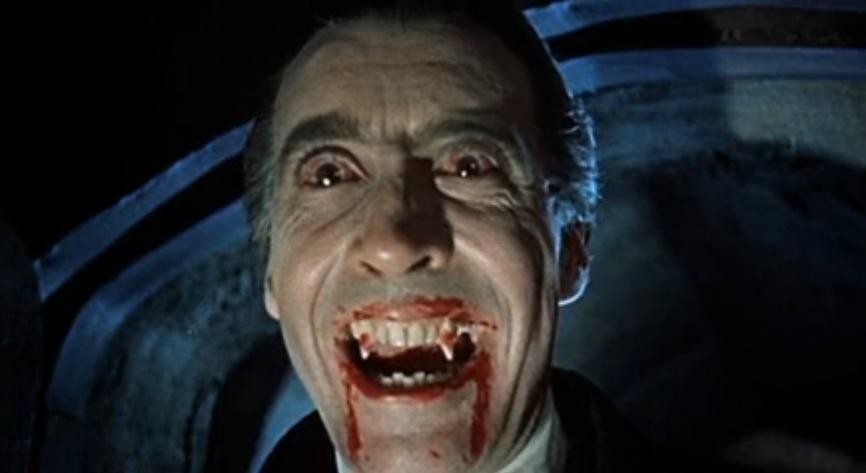
Psychological operations are primarily known for their ads, leaflets, and posters; campaigns designed to demoralize the enemy or persuade local populations to stay away from combat areas. But sometimes, those troops go full “spook” and complete crazy missions—like when they became vampires and ghosts to scare America’s enemies.
The vampire mission was led by Air Force Lt. Col. Edward G. Lansdale, who was working for the CIA. He was sent to the Philippines in September 1950 to help dislodge communist rebels on Luzon. The rebels, known as Huks, were known to be superstitious, so Lansdale had his men study their local legends
An early mission to convince locals they would be cursed if they supported the communists did help force the surrender of some Huk units, so Lansdale took it as a good omen. He knew he was in business. He then turned his attention to a local vampire legend, the “asuang.”
The asuang of Filipino lore can appear as a beautiful woman to lure men, but most legends don’t portray the asuang as a “bait and see” type. They’re evil spirits, and can be similar to vampires, ghouls, and witches. Instead of a beautiful woman, they’re more likely to transform into animals like pigs, dogs, or bats, to prey on victims by sucking blood with a proboscis-like tongue, or even devouring fetuses.
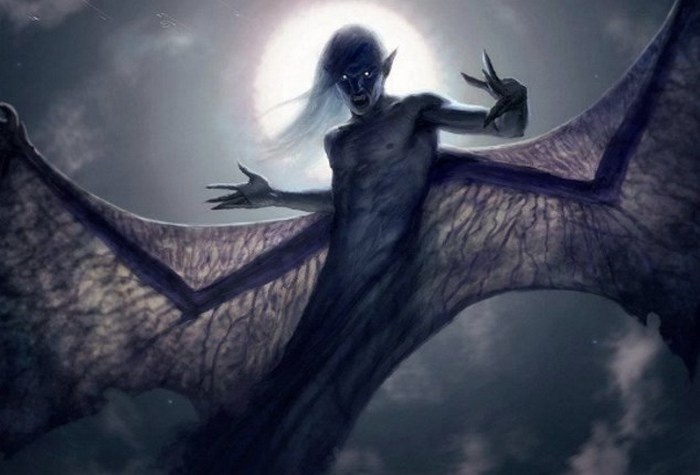
Lansdale and his men circulated a rumor in a village that an asuang vampire lived in the hills nearby. They waited for the rumor to make its way up the hill, and then swooped into action. A covert team snuck into the hills and waited for a patrol. When it was nearly past them, they snatched up the last man, poked two holes in his neck, and drained him of his blood. Seriously.
They then put the body back on the trail. When the Huks found it, they believed the rumors of the asuang and fled from the area, allowing government forces to take the region.
Soldiers tried a similar trick in Vietnam by capitalizing on the belief that the souls of dead people who are not buried are forced to wander the world in the afterlife. Soldiers created a series of “Ghost Tapes” that were commonly referred to as “Wandering Soul.”
The audio tapes began with Buddhist funeral music followed by a girl’s cries for her father. A wandering ghost then responds, crying with regret that he chose to die on a far-off battlefield rather than staying with his family.
NOW: The story of US troops who think they saw Bigfoot in Vietnam

Soldiers with backpacks, ships, and aircraft all broadcast the message at different times. There is little evidence that anyone believed they were hearing actual ghosts, and the tapes seemed to have mixed effects.
While there were reports of communist forces surrendering or deserting after hearing the tapes, sailors and soldiers who broadcast the messages reported coming under increased fire when they started playing the tapes.
Friendly forces used this hatred to their advantage. After a C-47 came under extreme fire while broadcasting the tape, the commanding officer of the plane swore he’d never play it again. He was sent back the next night to play it anyway, but this time with an AC-130 flying in support, targeting everything that fired at the C-47. One of the more widely known versions of the tape, “Ghost Tape Number 10,” can be heard here.