The War of 1812 isn’t remembered very much nowadays. Often considered America’s second war of independence, not much really changed on the map as a result of the war. But what’s more incredible than the story of the War of 1812 itself is the incredible number of small stories to which the war gives context.
The Battle of New Orleans, for example, was fought by pirates, American Indians, slaves, and civilians alongside the U.S. Army – after the war was over. Then there’s the remarkable fact that the largest naval battles of the war took place on the Great Lakes, not at sea.
The event that few ever forget, however, is the burning of Washington, D.C., when British troops put the Capitol Building and other government installations to the torch. The redcoats even had dinner at the White House before setting it ablaze. But there was one building in the DC area that was spared — which was, the legend goes, for a very good reason.
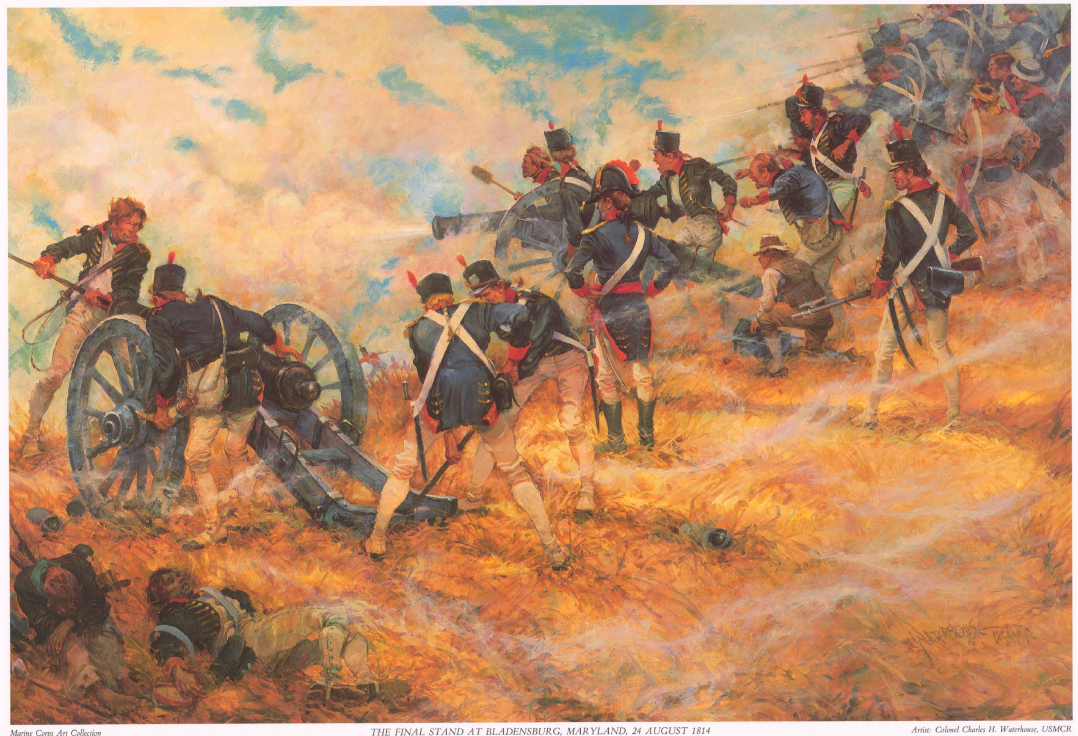
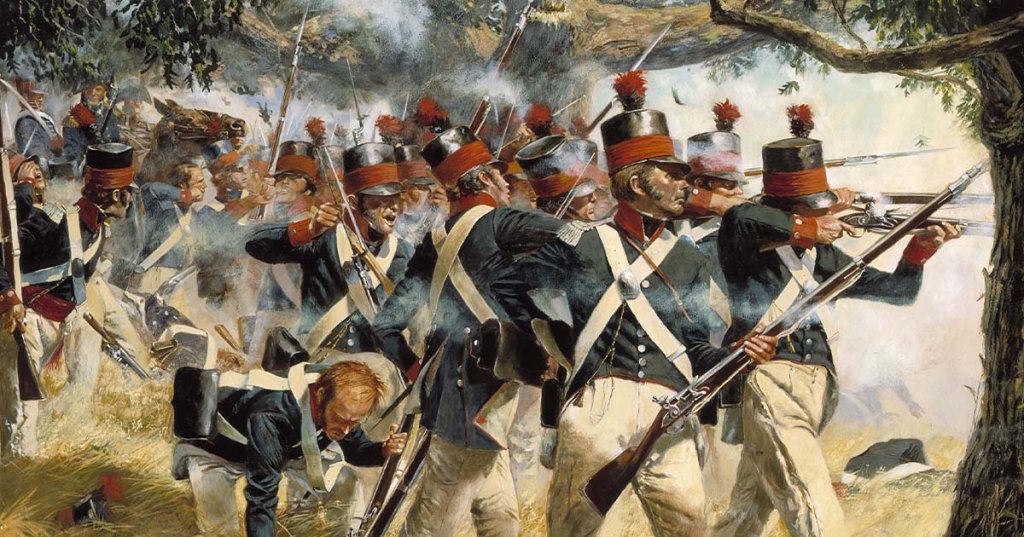
The very thought seems next to impossible these days, but the War of 1812 saw the only time a foreign country ever occupied the American capital. Some 4,000 British troops landed in the Chesapeake Bay area and made their way eastward, toward Washington. The only thing standing in their way was 6,500 American militiamen and 480 U.S. Marines and sailors at Bladensburg, Maryland.
When the smoke cleared, the British routed the Americans so badly that the battle went down in history as “the greatest disgrace ever dealt to American arms.” It even became known as the Bladensburg Races due to the speed at which the Americans fled the battlefield.
Worse than that, it left the door to Washington open, and the redcoats just walked right through it.
There was one bright silver lining to the Battle of Bladensburg, however. Commodore Joshua Barney and his 360 sailors and 120 Marines didn’t get the order from the Army’s Gen. William H. Winder to retreat from the battlefield. Eventually, it was this force of just shy of 500 left to fight the entire British Army, often using their fists or the sailors’ arsenal of cutlasses. They would not be able to hold back the entire enemy force, but they made their stand last for two full hours.
This stand gave many in Washington, including Congress, President James Madison and his wife Dolley, time to escape the city. Dolley Madison was able to take many of the White House’s most treasured artifacts with her, including the famous portrait of George Washington.
After a battle that was so mismanaged and a victory so lopsided, the British were bound to take note that the most intense fighting was done against the United States Marines and the Navy. When they were finally defeated, the Brits could march on to the capital.
The burning of the American capital was not just some sudden spark of victory-fueled euphoria. The Americans burned the capital of British North America, Canada, at York (modern-day Toronto) the previous year. Now, the British would get their revenge, torching the Capitol Building, the White House, and many, many other government buildings.
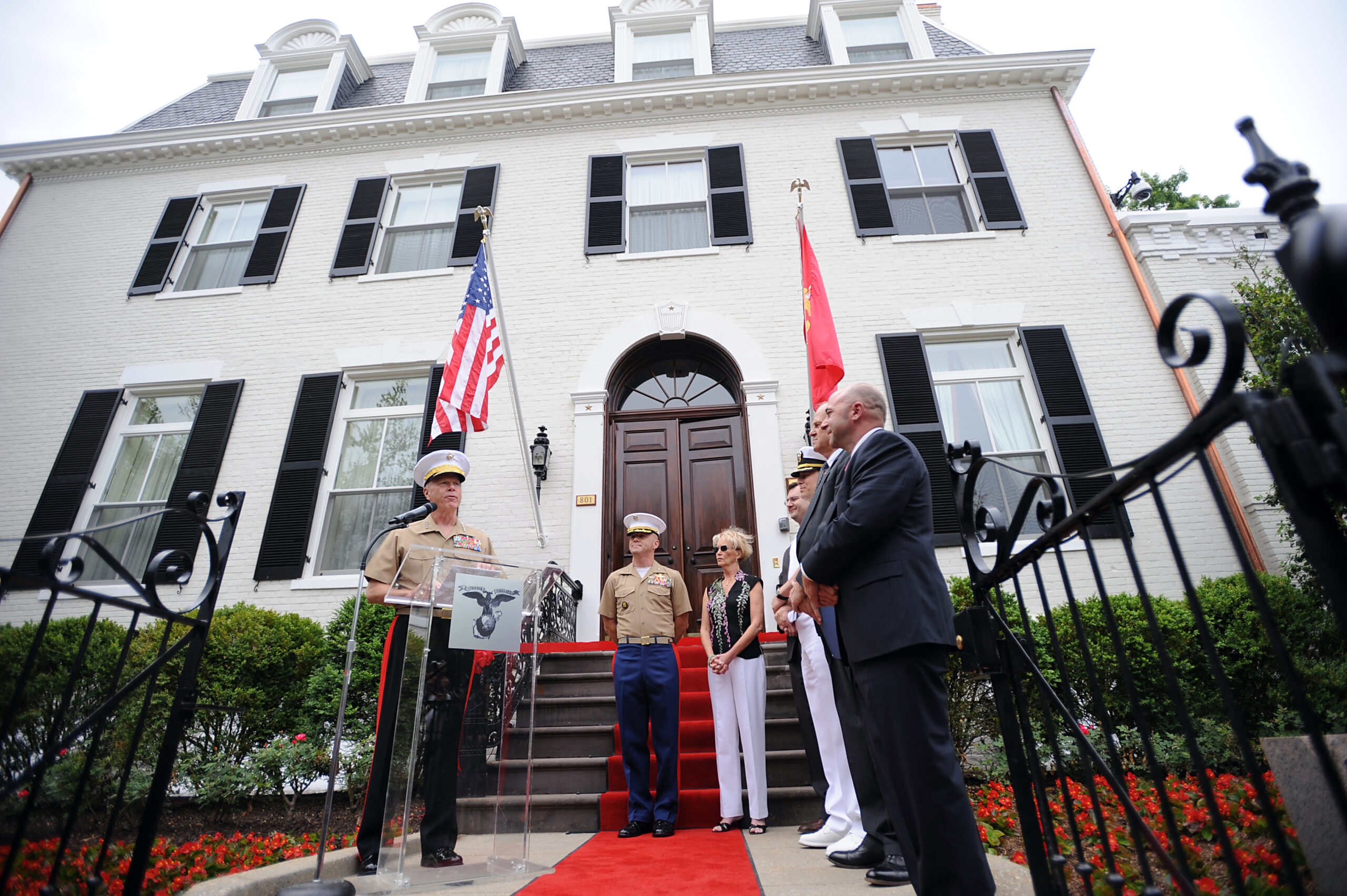
One of the few buildings that was spared in the melee was the Commandant of the Marine Corps’ house and the Marine Corps Barracks at 8th and I. The reason for this, according to Marine Corps legend, is that the British were impressed by the Marines’ performance at the Battle of Bladensburg and, thus, spared the house out of respect.
This could be the reason, or even a secondary one, but some historians suggest that the house was likely overlooked in the chaos of the burning city. Still, an unscathed structure so close to the burning Navy Yard seems unlikely to go unnoticed, especially because the house looks like everything a military target would look and the British had all the time in the world to check up on it.
If you ask the Marines, however, there’s no room for doubt; Commodore Barney’s Marines and their determination was worthy of that kind of respect.