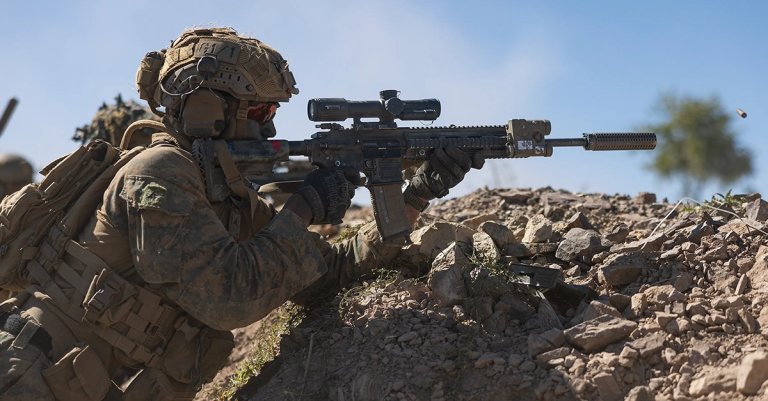
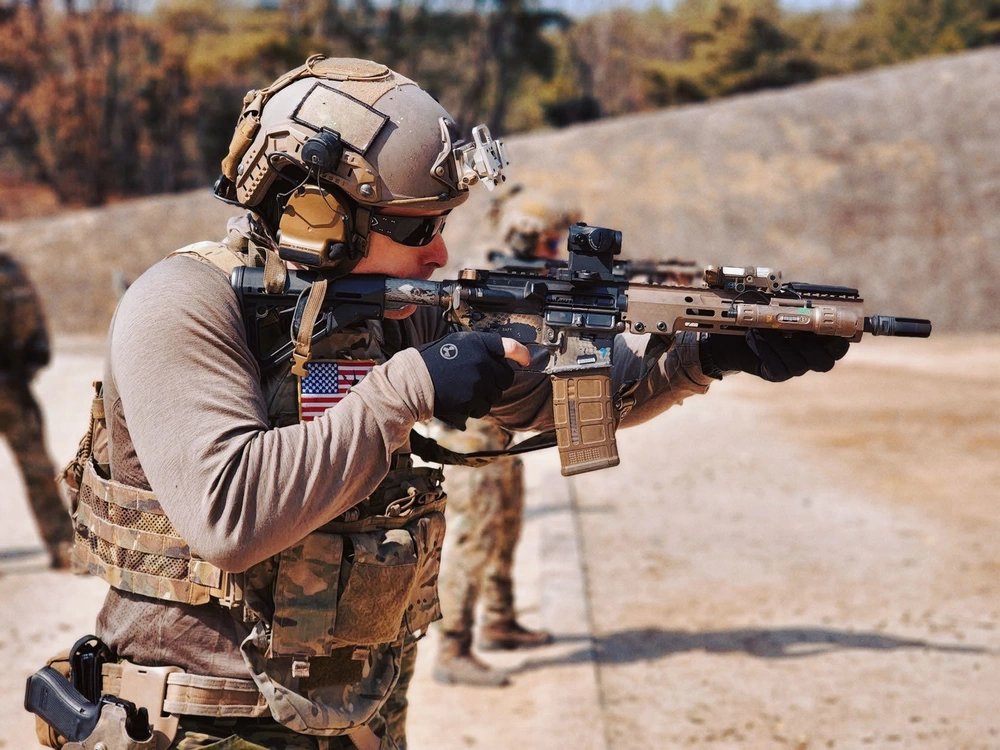
There’s a common misconception that military special operators get to use whatever equipment they want to get the job done. While Tier One units, such as DEVGRU (Naval Special Warfare Development Group, also known as SEAL Team Six) and Delta Force (1st Special Forces Operational Detachment – Delta), enjoy considerable latitude with their acquisitions under Special Operations Command, “regular” SEALs and Green Berets are more limited. Army Special Forces had to pull a sneaky to get Glock 19 pistols, and even then, there weren’t enough to go around.
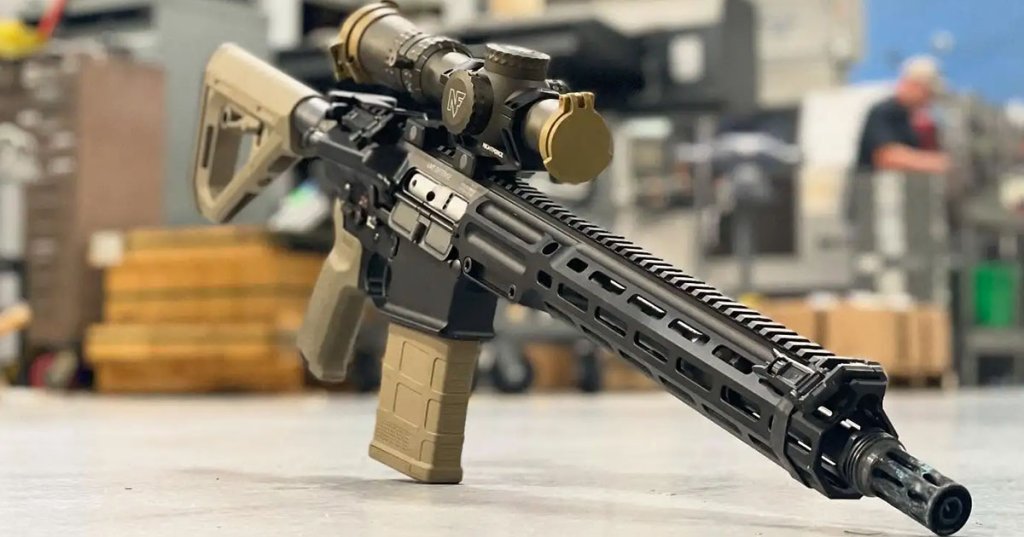
On August 22, 2025, the Pentagon announced that a $92 million USSOCOM contract had been awarded to Lewis Machine & Tools Defense for “medium range gas gun-assault kits.” The 10-year contract also includes spare parts and accessories, new equipment training, and engineering change proposals.
The rifle itself is where things get interesting. SOCOM already has medium-range 5.56mm rifles, like the Army Special Operations Command’s M4A1 with the Geissele URG-I and the Heckler & Koch HK416. This new assault rifle is different in that it’s chambered for the larger and more powerful 6.5 Creedmoor. Similar to 7.62x51mm NATO in its terminal effectiveness, 6.5 CM is a full-size rifle cartridge that offers better long-range performance with its flatter trajectory and improved resistance to wind drift.
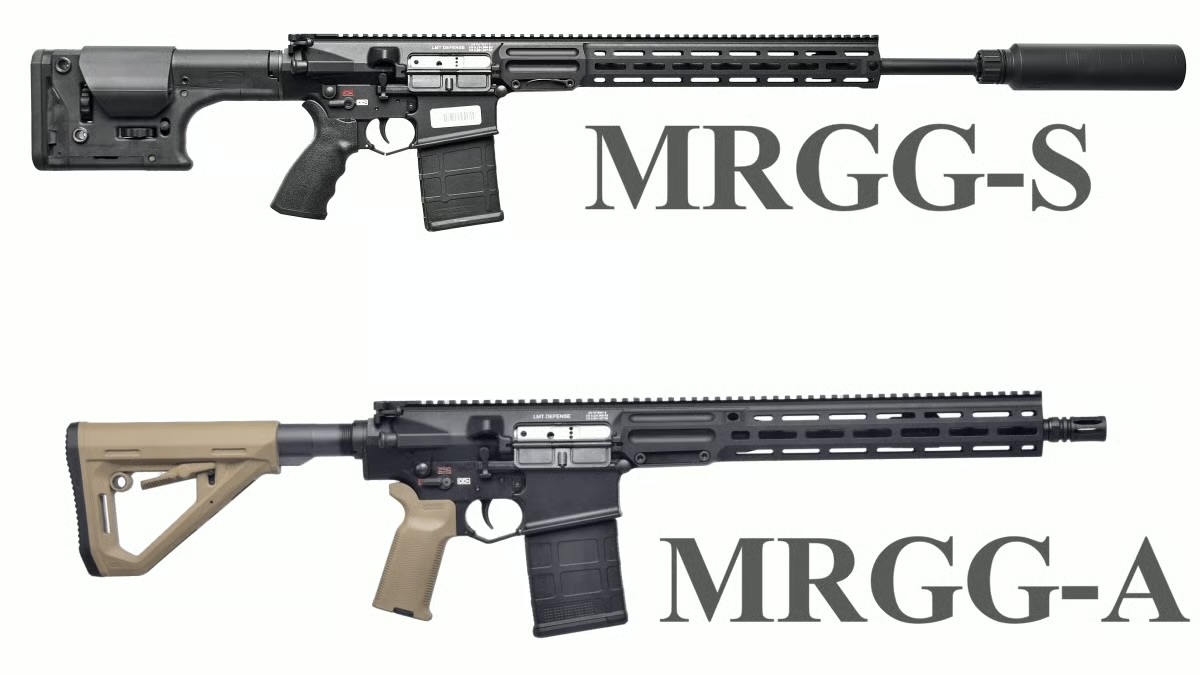
SOCOM already fields the 6.5 CM in its Mid-Range Gas Gun—Sniper (MRGG-S) rifle. In 2023, Geissele beat LMT and won a $29 million contract for the precision rifle with a 20-inch barrel. Two years later, LMT has taken its revenge.
The announcement of the MRGG-A contract follows the announcement of a 6.5 CM ammo contract awarded to Black Hills Ammunition for up to $40 million. Black Hills is renowned for its precision ammunition, including the 5.56mm MK262, which is extensively used by special operations forces for its precision and lethality.
The SOCOM contract follows notable international contracts won by LMT in Switzerland and Estonia. Although the Swiss Armed Forces generally field domestically-produced rifles, LMT was awarded a contract to supply them with a 5.56mm rifle. Based on LMT’s MARS-L rifle, the new weapon will be designated the Sturmgewehr 25 (Stgw 25) in Swiss service. In their press release announcing the contract, LMT noted that they will also supply rifles in other calibers to the Swiss Armed Forces.
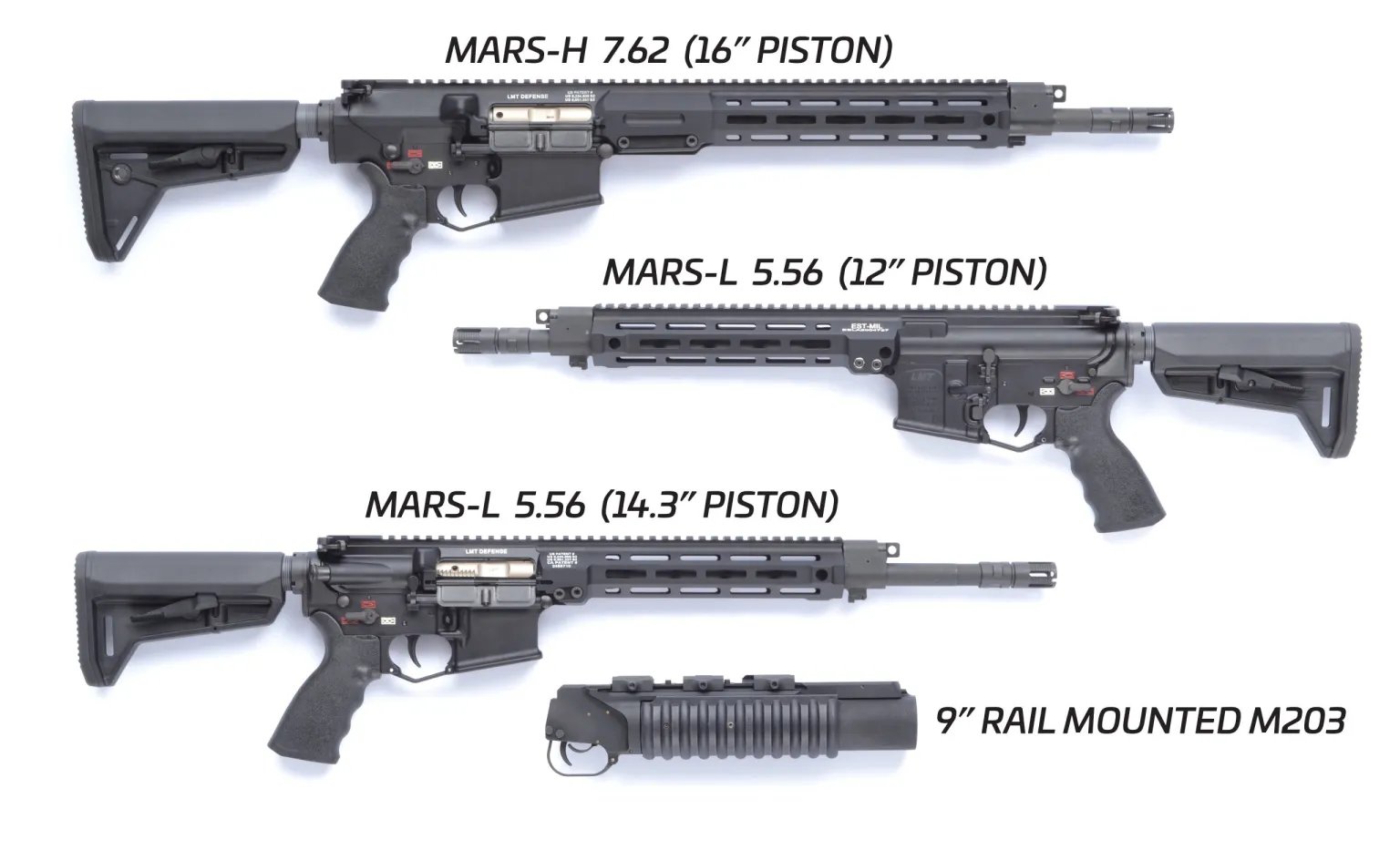
The Estonian contract is notable not only for the Baltic nation’s defense modernization efforts following the Russian invasion of Ukraine, but also for its issues. In December 2018, LMT announced its contract to supply the Estonian Defence Forces with 14.3-inch 5.56mm rifles, 12-inch 5.56mm rifles, 16-inch 7.62mm rifles, and 40mm grenade launchers. LMT announced that deliveries to Estonia began in 2021.
On September 9, 2025, Estonian news outlet ERR reported that all of Estonia’s 7.62mm LMT rifles underwent warranty work. The article noted accuracy issues with the precision rifles as well as gas system issues. Notably, the Estonian LMT rifles utilize an external gas piston system while the SOCOM MRGG-A utilizes an internal gas piston system, often referred to as direct impingement.
Per the ERR article, the EDF reported that issues were found in less than 10% of its weapons. Still, under warranty, all 7.62mm rifles had their gas blocks replaced before test firing confirmed that they met the technical requirements of the contract. Warranty work was completed over two years, and all the weapons are now back in EDF service. WATM reached out to LMT for comment, but did not receive a response.
As its name states, SOCOM’s MRGG-A is tasked with the assaulter role versus the MRGG-S’s sniper role. SOCOM units extensively employed the FN SCAR Mk17 7.62mm rifle in Afghanistan, but orders for the rifle have since stopped. Despite the Army’s adoption of the M7 rifle and its 6.8x51mm ammo, SOCOM is putting its money ($92M of it) on the LMT and 6.5 CM.