
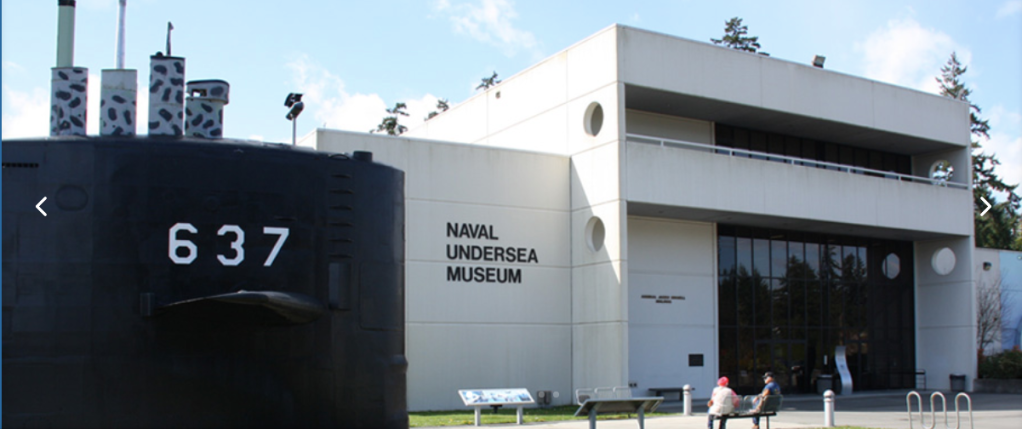
Mary Ryan has been the curator at the U.S. Naval Undersea Museum since October 2010. As curator, she leads the museum’s exhibit program, shapes the artifact collection, and connects the public to the museum’s rich subject matter. Mary has worked for 15 years as a curator, interpretive planner, and exhibit developer creating exhibitions and interpretive plans for museums and historic sites across the country. She earned her Master’s Degree in History Museum Studies from the Cooperstown Graduate Program in Cooperstown, New York, and completed her undergraduate training in science and anthropology at the University of Notre Dame in South Bend, Indiana.
WATM: How did you decide to become a curator and a steward of our Nation’s history?
I discovered the museum field at a crossroads in my life, shortly after deciding not to attend medical school. I was immediately drawn to curatorial work — it’s intellectually challenging, always interesting and artifacts and exhibits have such power to tell meaningful stories. After completing a museum internship with an excellent mentor, I earned my graduate degree in history museum studies in 2008 and have worked as a curatorial and exhibit developer ever since.
When I joined the U.S. Naval Undersea Museum staff as curator in 2010, I didn’t know how much I would come to love the subject matter — the history, science, innovation and human ingenuity of the undersea communities is fascinating. I’ve met the most incredible people working here. It’s a privilege to do this job and serve these communities.
WATM: The U.S. Naval Undersea Museum was closed for COVID; what can attendees expect on their tour as it reopens?
We’re thrilled to share we reopened on May 24! We are excited to welcome visitors back to the museum. Initially, our open hours will be 10 AM to 4 PM on Monday, Wednesday through Friday, with weekend hours to resume as state and federal guidelines continue to expand.
Because the safety of our visitors, volunteers and staff is our top priority, we have implemented extra safety measures at the museum. We will be using a reservation system to ensure capacity stays within state guidelines (visitors can make a reservation here), disinfecting frequently-touched surfaces and limiting group sizes to 10 or fewer people. And for the short term, our exhibit interactives have been converted into touchless experiences. As always, there are no admission or parking fees to visit!
WATM: What virtual content do you have available?
We have a mix of virtual content for different ages and interests! We post social media content several times a week on our Facebook, Twitter and Instagram accounts — lots of “this day in history” posts, sailor profiles, artifact features, STEM activities, behind the scenes content. In the past five years, our virtual community has grown to more than 20,000 people across our platforms.
Our virtual 3D tour lets anyone explore our exhibit galleries from any location. Having a virtual tour became an invaluable resource while we were closed during the pandemic. Now that we’re reopening, it makes the museum accessible to many people who can’t visit us in person. A handful of our artifacts have been turned into highly detailed, interactive 3D models by The Arc/k Project, and more than 500 artifacts are digitized on our Flickr page.
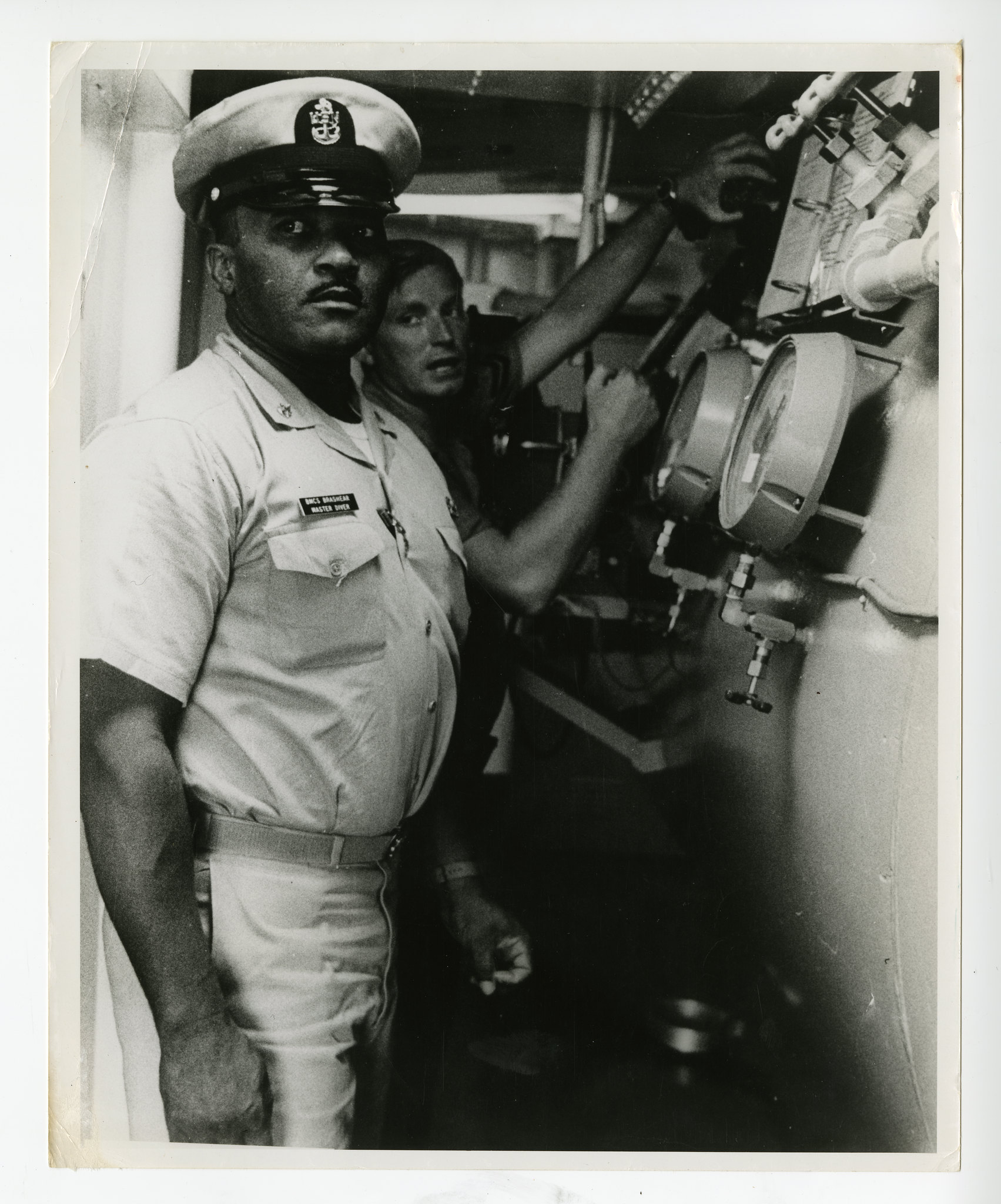
And of course, our website is full of virtual content! Users can explore our online exhibit offerings, including our newest exhibit about Master Diver Carl Brashear, whose story was made famous by the movie Men of Honor. For families, our educator has created an extensive series of at-home STEM activities using common household objects. And for a look inside our artifact collection, users can visit our featured artifacts page to learn more about highlights from the collection.
WATM: What are some upcoming virtual events readers shouldn’t miss out on?
This past February we staged our biggest education program of the year, Discover E Day, entirely online. Following up on that success, our educator has teamed up with several local Navy groups to offer two virtual Navy STEM summer camp sessions July 13–15 and August 10–12. Families of local kids who will be in grades 3–8 this fall can email psns_kypt_stem.fct@navy.mil for more information or to register; it’s free and all learning will happen via Zoom.
I would definitely encourage readers to follow us on Facebook, Twitter and Instagram — we’re most active there and always posting new content! Keep an eye on our website, too, as we’re developing a new online collections page that will share digitized documents and finding aid for archival collections.
WATM: How can the public support the museum on its mission?
Our mission is to connect people to the U.S. naval undersea experience. Anyone who engages with our subject matter by learning about naval undersea history, technology, operations and people — whether through us or on their own — is supporting our mission.
As a federal organization, the museum is supported by a non-profit foundation that raises funds for education programs, new exhibits and artifact care and conservation. Their support allows us to take on projects that aren’t or can’t be funded by federal funding. Members of the public can support the museum by making a donation or becoming a foundation member.
We are lucky to have wonderful public support from the local community. Our volunteer corps includes more than 50 veterans, retired Navy civilians and community members that give generously of their time and expertise. Their contributions are almost immeasurable, and include greeting visitors, giving tours, operating the museum store, working with artifacts, supporting education programs and helping to build and install exhibits. Locals who are interested in joining our volunteer corps can learn more here.
WATM: Do you have anything you would like to say to the veteran and military audience?
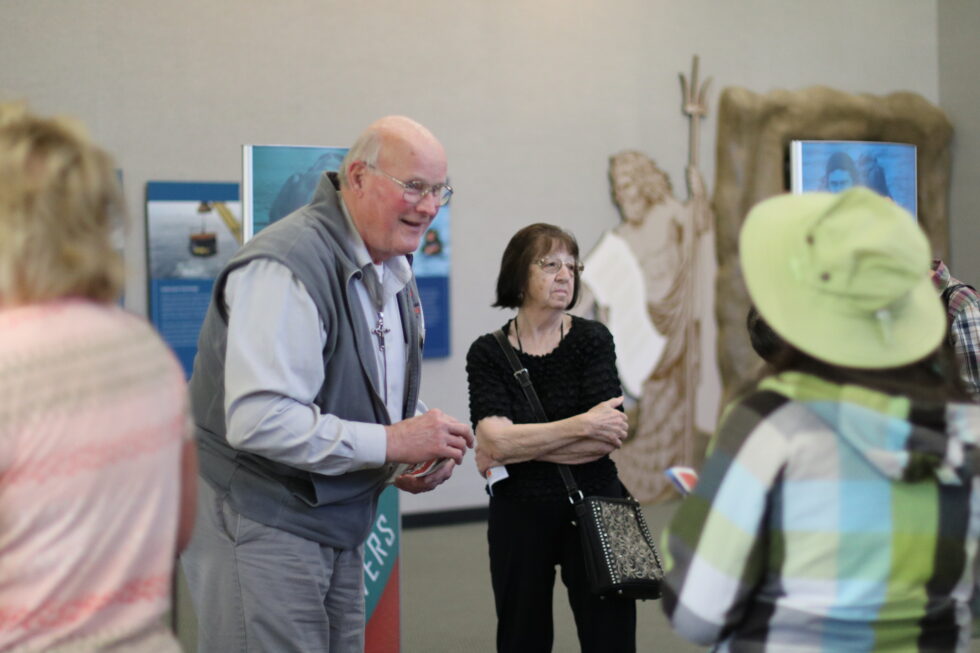
Sharing the stories of undersea Navy veterans is an essential aspect of our work! There’s a lot we can’t say as a Navy organization because it’s not publicly cleared, but that just means we work harder to amplify the stories we can share.
We meet so many veterans at the museum and it’s an honor to be a place they can reminisce or show their families more about what they did in the Navy. To all the veterans out there, please come say “hi” if you visit the museum! Many of the volunteers who staff our lobby are veterans themselves. And if there is any way we can be of assistance, please reach out anytime!
WATM: What is next for you and the museum?
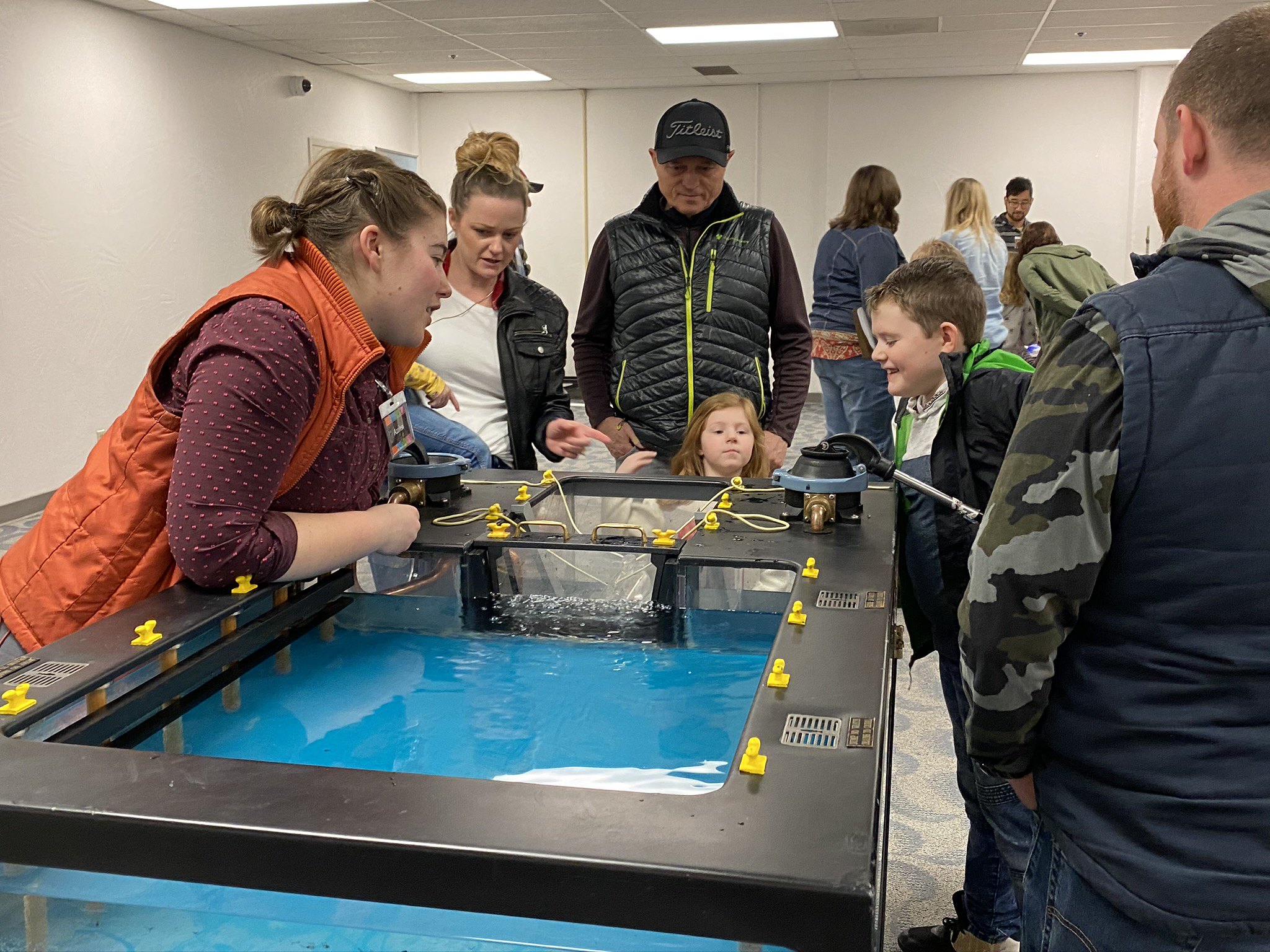
Every summer we host a popular education program called Summer STEAM, which offers hands-on science, technology, engineering, art and math activities for kids. Summer STEAM will be back this July and August with a twist: this year families can pick up activity kits to take home! Our educators and volunteers have been hard at work assembling kits to make this possible.
And coming next spring, we’ll open a new temporary exhibit called “Giving Voice to the Silent Service.” It’s an inside look at the strong collective identity that submariners share. While it centers on the submarine community, many of the ideas will resonate with anyone who served. This was one of the most interesting and fun exhibits I have ever developed and I can’t wait to see it come to life in our exhibit galleries!
Readers can follow future developments at our website, www.navalunderseamuseum.org.

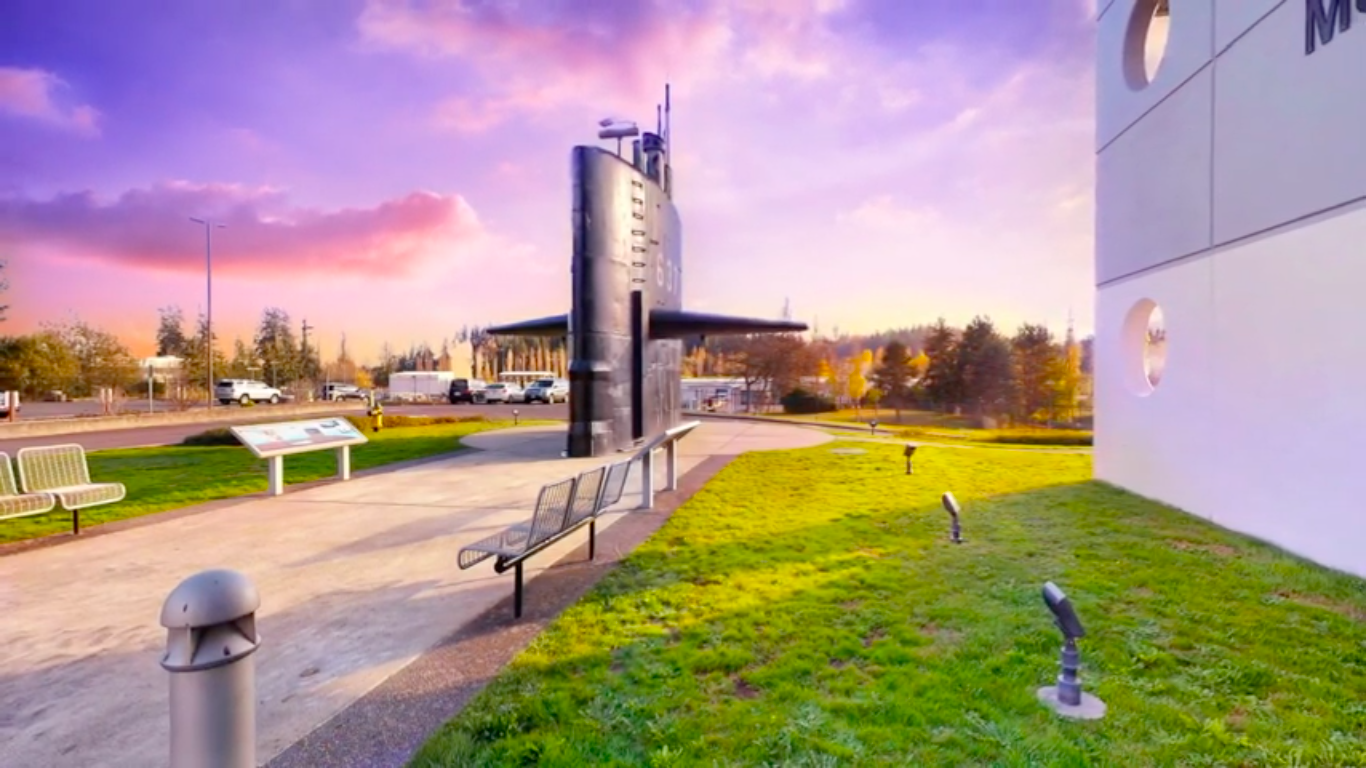
U.S. Naval Undersea Museum Keyport, WA
Feature image: photo courtesy of navalunderseamuseum.org