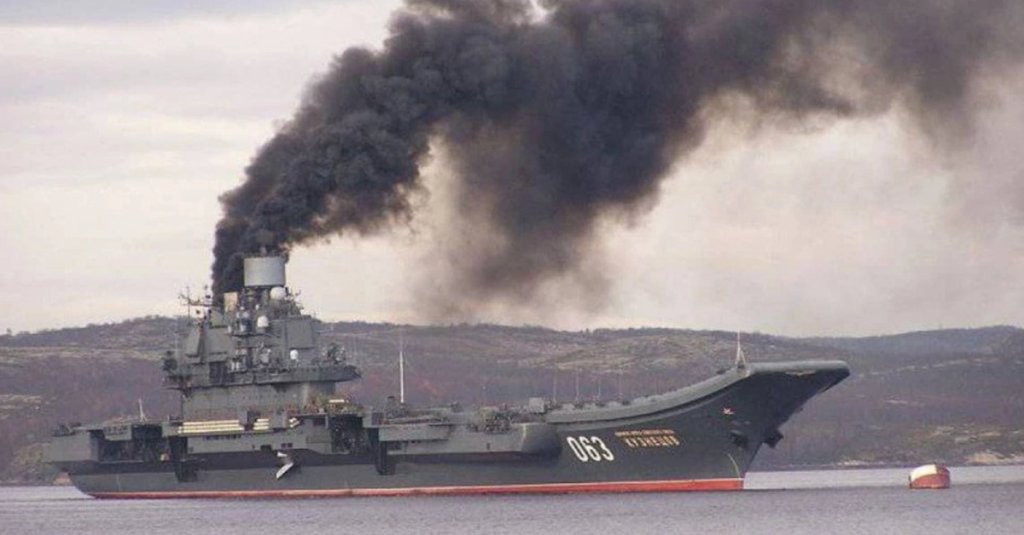
Russia’s only aircraft carrier is the 55,000-ton behemoth Admiral Kuznetsov (full name “Admiral Flota Sovetskogo Soyuza Kuznetsov”), and is—on paper—the Russian Navy’s flagship. In reality, however, it was a floating hell for the crew (back when it could float) and a money pit that Russia can’t really afford to keep afloat.
This is good news for Russian sailors, who have long considered an assignment aboard the carrier more of a punishment than a highlight on their resume. At the end of the Soviet Union’s glory days, the Admiral Kuznetsov was supposed to be the crown of the Russian Navy. Instead, it spent most of its adult life proving how far you can push the definition of “operational.”
Related: The 10 most spectacular Russian military failures of all time
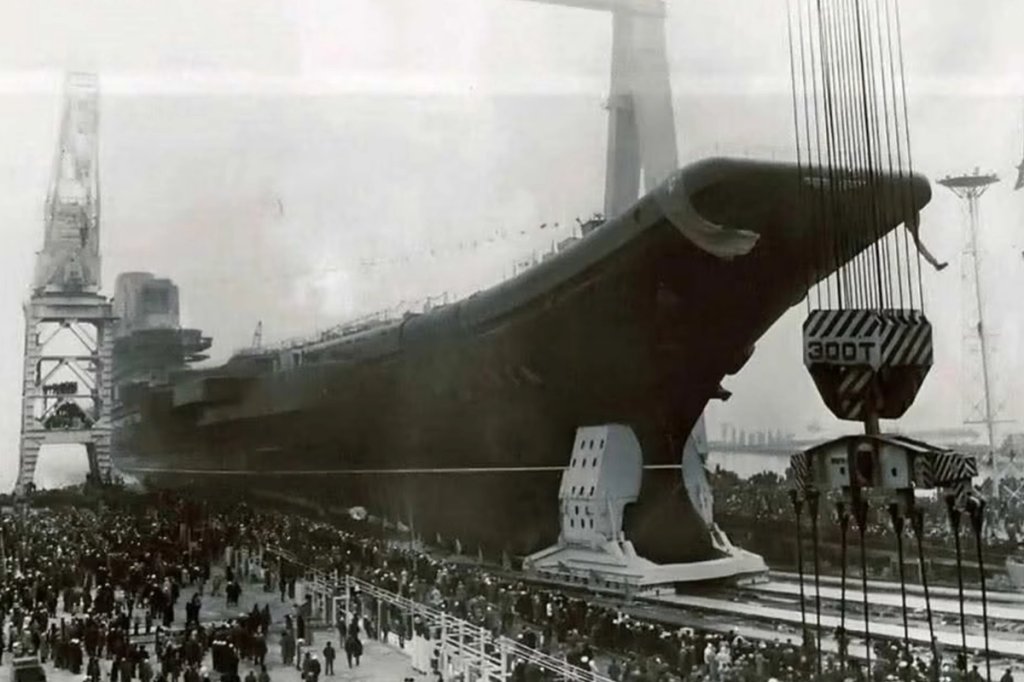
Launched in 1985 and commissioned around the end of the Soviet era, the Kuznetsov was built to serve as both a carrier and a missile-armed surface combatant, because Soviet design meetings were rarely exercises in restraint. In Russian terminology, however, it’s typically treated not as an aircraft carrier, but as an aircraft-carrying cruiser.
Its label isn’t just semantic hair-splitting or the result of communist groupthink. Under the 1936 Montreux Convention, aircraft carriers face restrictions on transiting the Turkish Straits. The “aircraft-carrying cruiser” classification was one way Moscow argued the ship could legally pass through, so it could, you know, actually defend Russia.
On deck, the Kuznetsov looks like a carrier. In the air, it behaved like a carrier with a handicap. It used a ski-jump for takeoffs and lacked a catapult system, which limits how much fuel and weapons its aircraft can carry.
The basics haven’t changed much since the first time everyone started pointing and laughing at this thing. The Kuznetsov is powered by diesel generators rather than nuclear reactors (when it could be powered), unlike the American supercarriers. That fuel, plus its aging machinery, is why the ship became famous for trailing thick black smoke wherever it went. It literally had a black cloud hanging over it, wherever it went. The Russians built it that way, discovered the problem really fast, and then did nothing about it.
Kuznetsov’s boilers were also defective to the point where the central heating system was usually inoperative, and crewmen had to bring their own heaters. This didn’t keep the pipes from freezing in extreme temperatures, which did not bode well for a ship designed for Russian waters. Instead of fixing this system, however, the Russian Navy simply closed half the ship’s latrines and stopped running water to 60% of its cabins. Half the ventilators were also in need of repair for most of their life, so the ship reeked of mold and mildew (if not thick black diesel smoke).
What was always most revealing about the state of the Kuznetsov was the deepwater tugboats that deployed with the vessel, because the fuel and engine issues gave the ship a maximum endurance of 45 days. The Russian Navy knew its defective engines would break down at some point, and didn’t want to make a show of stranding its sailors.
To further the discomfort, the cafeteria on board the carrier only sat 150 people for a crew of almost 2,000. Remember that the command closed half the latrines? There were only 25 operational toilets for these 2,000 crewmen. As if that weren’t bad enough, Russian sailors lamented that they were in formation ten times a day, for 35 minutes each time. That’s almost six hours of formation every day.
This has nothing to do with the ship, but six hours of formation sounds miserable.
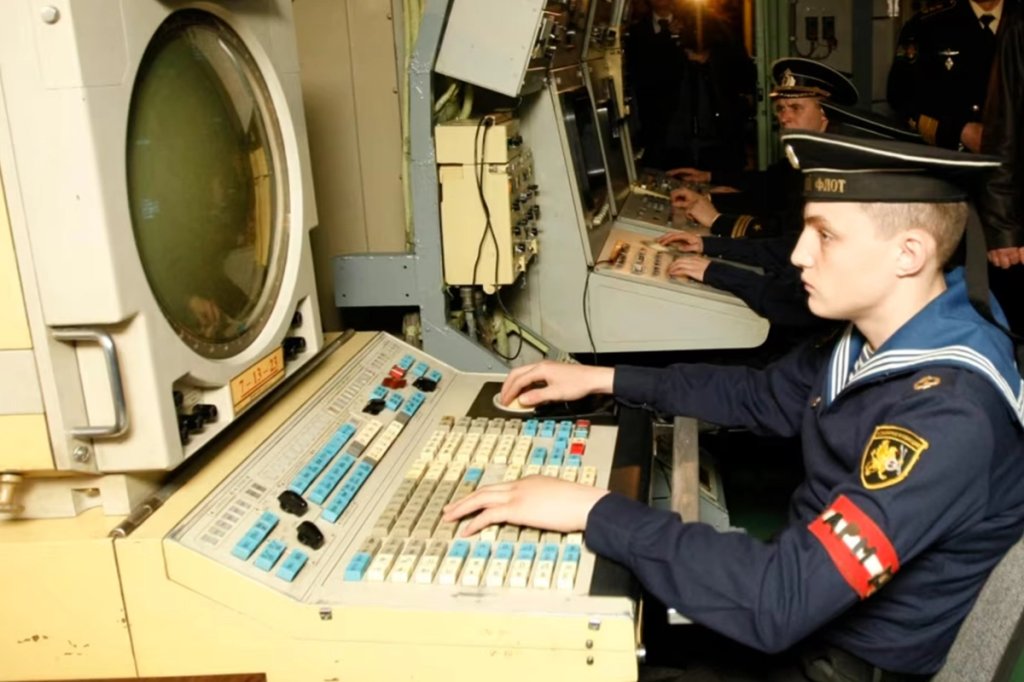
When Russia finally sent the carrier to war in late 2016 to support dictator Bashar al-Asad in Syria, the deployment didn’t exactly inspire confidence. The air wing flew real combat missions and reportedly struck hundreds of targets, but the learning curve was brutal. During that cruise, a MiG-29K crashed into the Mediterranean while trying to return to the ship. Weeks later, a Su-33 also went into the sea after its landing attempt. Analysis of the incidents pointed to problems with the carrier’s arresting gear as a key factor in both losses.
This means it had trouble both launching and recovering aircraft, a key mission for an aircraft carrier. It’s as if all this aircraft carrier was good for was carrying aircraft.
The deployment produced the kind of images Russia wanted: jets launching from a carrier deck and missiles landing in Syria. It also produced the kind it didn’t. As Kuznetsov passed through the English Channel belching smoke on its way home, Britain’s defense secretary called it the “ship of shame.” And the nickname stuck.
The real fun started when Russia started trying to fix it, 30 years too late.
Kuznetsov entered a long-planned overhaul after that Syrian jaunt. The work was supposed to replace engines and boilers, modernize weapons and electronics, and extend the ship’s life. What really happened was the refit turned into a multi-year accident report. In October 2018, the massive floating dry dock holding the ship, PD-50, suddenly sank after a power failure. A 70-ton crane toppled over and punched a hole in Kuznetsov’s flight deck, damaging the carrier and destroying one of the few dry docks in Russia that could accommodate it.
A year later, a major fire broke out during welding work while the ship was still in the yard at Murmansk. Russian authorities reported at least two dead and 11 injured after the blaze burned through internal compartments for more than 20 hours before being contained.
By 2022, newly discovered defects in the repair work meant the ship would not reenter service until 2024 at the earliest, a date that had already been moved from 2021 to 2023. Then the carrier caught fire again while still under repair in Murmansk. Russian officials reported no casualties that time, but it was a reminder that the safest place to be during Kuznetsov’s refit was very far away from Kuznetsov’s refit.
Even when officials tried to sound optimistic, their own caveats gave the game away. In July 2023, Russia floated yet another new target: factory sea trials in the spring of 2024, handover at the end of 2024, or a slip into 2025 “if something goes wrong during the tests.” Given this ship’s history, that “if” did not inspire confidence.
By mid-2025, the deadline passed and the tone changed. Andrei Kostin, chairman of Russia’s state shipbuilding corporation, said there was no point in repairing the more than 40-year-old carrier anymore. He suggested it would likely be sold or scrapped, after long-running refit work had already been suspended.
It would mark a rough end for a ship that was supposed to symbolize Russia’s return to blue-water carrier ops. Kuznetsov saw real action in Syria, but it has played no role in the full-scale war in Ukraine and has been out of service since 2017, parked in Murmansk and eating shipyard resources while the rest of the fleet fights without it.
Comparatively, the U.S.’ oldest carrier is the USS Nimitz, launched in 1972. The Nimitz is a nuclear-powered supercarrier and was the flagship of its strike group before the Gerald R. Ford took over in 2022. Although scheduled to be decommissioned in 2026, it is home to around 6,500 sailors and has an unlimited endurance time and distance. Moreover, Nimitz-class carriers have a life expectancy of 50 years. The Nimitz has spent five decades quietly racking up deployments on every ocean and most U.S. wars since the Cold War (and never deployed with deepwater tugs).
The 2022 Invasion of Ukraine exposed the fraud behind the myth of the Russian Army’s invincibility. The Admiral Kuznetsov showed the world the ships in Russia’s Navy were always destined to be underwater, whether they were submarines or not.