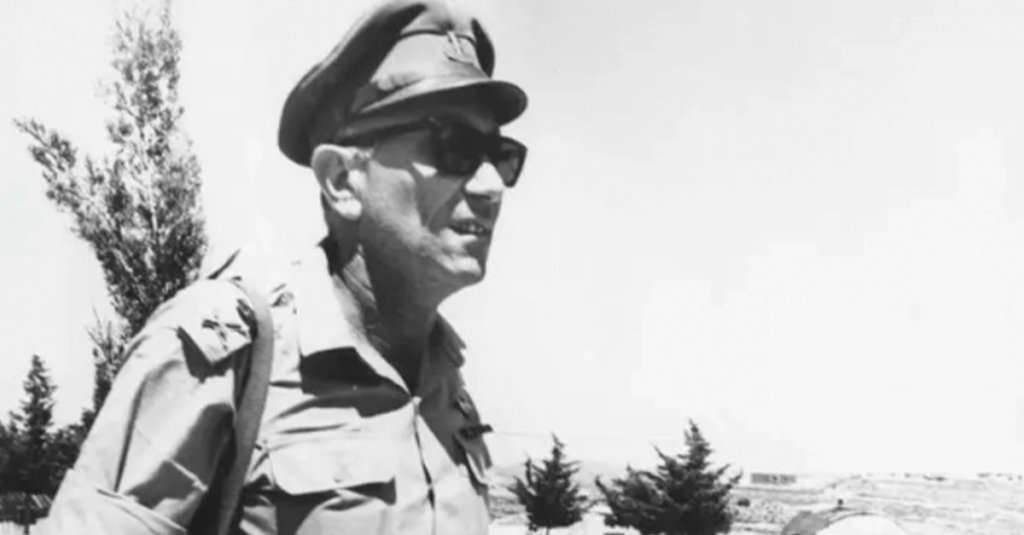
He never turned quickly to face the camera and fire a Walther PPK. He didn’t banter with Auric Goldfinger. Heck, he didn’t even run around with giggling girls like Pussy Galore. But Meir Amit will go down as the spymaster of spymasters.
The legendary Israeli intelligence officer, whose connections to the American military are equally legendary, never wavered in his single mission: to protect the people.
Also Read: The hilarious way an Israeli spy convinced Syria to help Israel
Born on the Zemakh-Tiberias road, Amit learned the value of hard work and teamwork. Joining the Haganah, the forerunner of the modern Israel Defense Forces, he eventually would command the famed Golani Brigade. It would be his work in the intelligence community, though, that would form his legacy.
From 1963 to 1968, Amit served as the head of Mossad, Israel’s spy apparatus. Among his achievements was placing spy Eli Cohen in the middle of the Syrian regime. Later, Amit placed informants so deep into the Egyptian military that he practically knew when each of them went to the bathroom. This astonishing agenda played a huge role in Israel’s destruction of the Egyptian Air Force in the first 30 minutes of the Six-Day War.
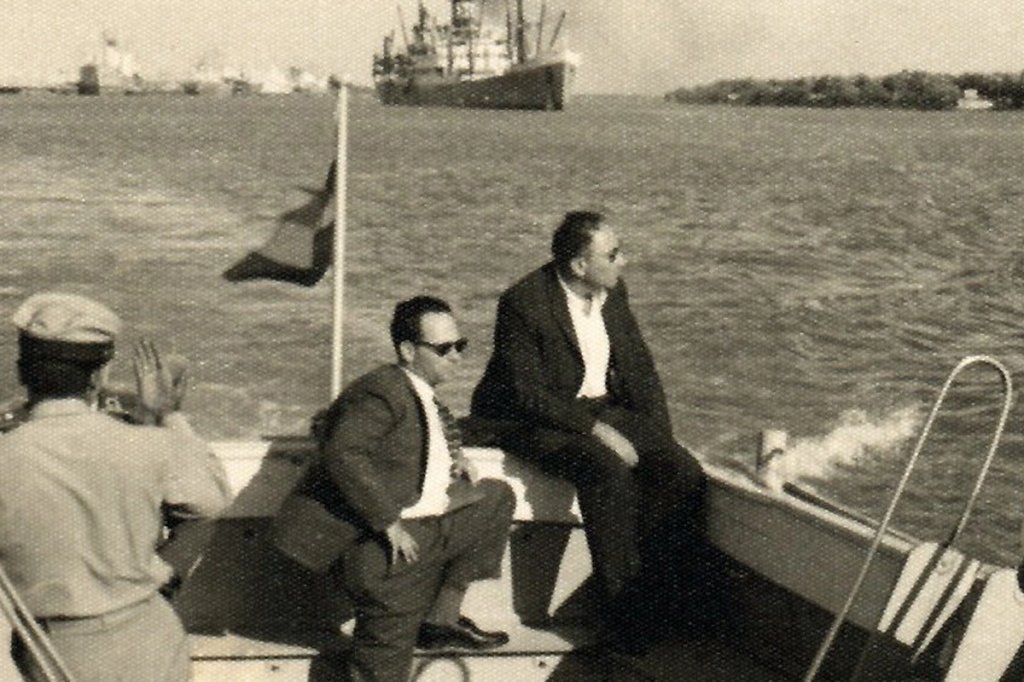
It was his work with the United States’ CIA, and particularly one individual, that laid a foundation for cooperation between the countries that has lasted until today. It seems that Amit (who had graduated from Columbia Business School in New York City) happened upon a young student there. He personally trained this person, born near St. Louis, and so successful was this collaboration that the spy eventually led the Kidon unit, which specialized in assassinations.
On a hot spring day in 1963, Amit was summoned from his base near Dimona by Prime Minister David Ben Gurion. Unhappy with the current chief of the Mossad, “the Old Man” summoned the one fellow he felt sure could tighten a leaky ship: the former kibbutznik with a special skillset.
Bouncing along a dusty road in a Jeep, Amit wondered what Ben Gurion could want, although a possibility was in the back of his mind. As it were, Ben Gurion’s offer/demand to Amit to take over Mossad came “like a bolt from the blue.” A short conversation began the most remarkable stretch of Amit’s illustrious career.
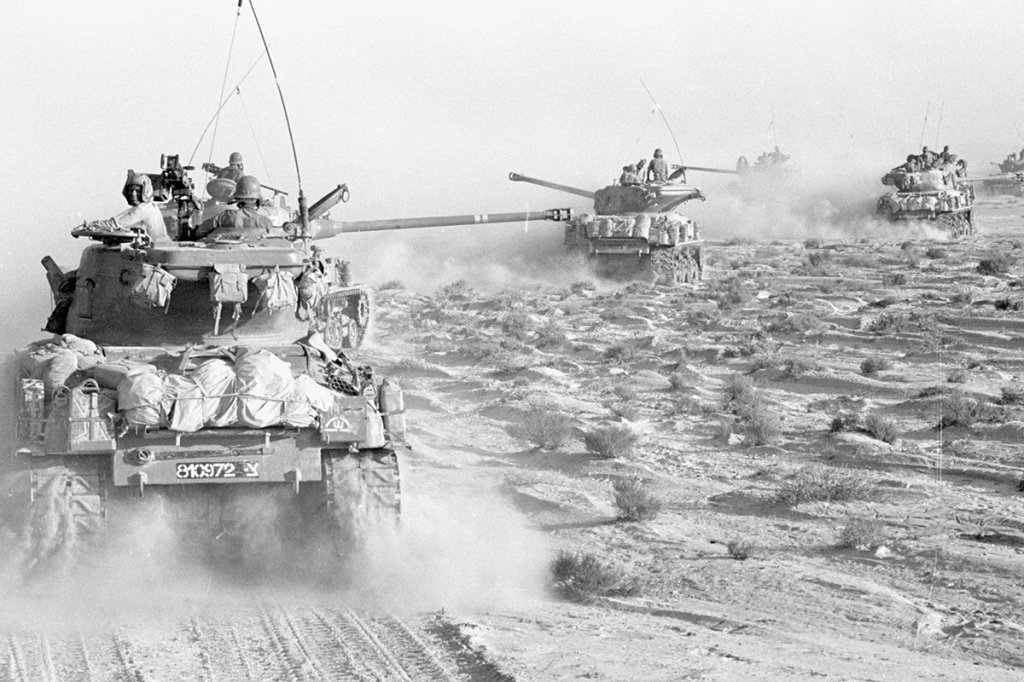
Amit concerned himself with gathering human intelligence from neighboring Arab countries, and also working on what Ariel Sharon would later term “the strategy of the periphery,” strengthening ties with nations outside this often lethal band. His role in the decision to launch a preemptive strike against Egypt and Syria in 1967 is critical in understanding the success and long-term implications of the stunning victory.
Shuttling between Tel Aviv and Washington, Amit met with most of the key players in the American capital. His assessment years later shows quite clearly that he had a very pragmatic view of the American response, both before and after the war. His critical ability to parse promises of help from platitudes was perhaps his most important contribution, and he returned home days before the outbreak of the conflict with one message for the Cabinet:
“Go to war!”
The boy who once gathered eggs in a burgeoning little community near the Sea of Galilee now stood on the doorstep of history. He entered that door and stepped into the light. Israel won a historic victory in a mere six days.
Not really interested in writing memoirs, Amit was more interested in presenting his view of events he lived in, which separated him from many biographers or what he called the “New Historians,” those who seek to paint Israel and her few allies in a negative light.
In fact, in keeping with his own personal bravura, he said, “I have absolutely no desire to set any historical records straight.”
In other words, “I don’t apologize!”
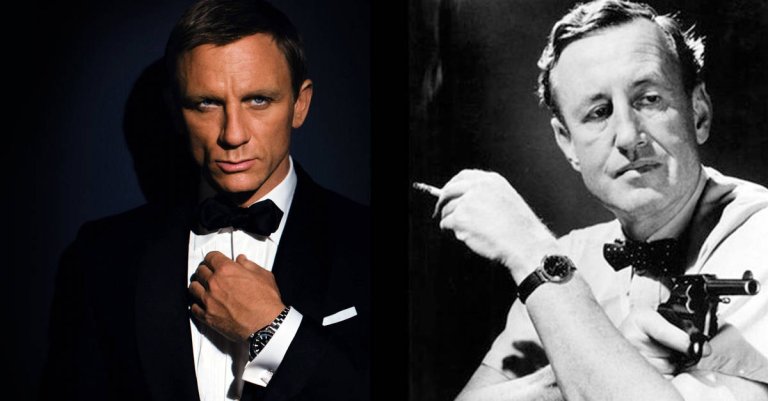
Even at the end of his life, Meir Amit (born Meir Amit Slutsky) still lived in the same neighborhood as he had as a child, amid the memories of chicken coops, cowsheds, and orchards. Everything in between seems like something out of a spy movie, although the movie could never do his exploits justice. In many ways, James Bond would be a Boy Scout by comparison.
In the summer of 2009, Meir Slutsky died in the land he loved, just south of his birthplace. His tenacity and commitment to spycraft greatly contributed to his country’s safety.
Don’t Miss the Best of We Are The Mighty
• Aldrich Ames, the Cold War’s deadliest CIA mole, completes life sentence
• Lucille Ball exposed a World War II Japanese spy plot with her dental fillings
• 7 unbelievable secret spy weapons of the Cold War