The Super Bowl monopolizes nine of the top 10 U.S. television broadcasts of all time. Regardless of whether they have a rooting interest, Americans tune in for the pageantry, the halftime show, and the commercials (most definitely the commercials).
Besides giving us a reason to consume copious amounts of nachos and chicken wings, the NFL’s championship game acts as a diversion. It helps us forget that most of us have to go to work the next day and how much snow we still need to shovel off our driveways.
As kickoff of Super Bowl LX between the Seattle Seahawks and New England Patriots approaches on Sunday, February 8, 2026, most of us were not alive when there was no such thing as a Super Bowl.
Joe Foss was. The Medal of Honor recipient went on to serve as the first commissioner of the American Football League. In that role, he sent a letter to NFL Commissioner Pete Rozelle in December 1963, proposing a true championship game between the leagues.
Rozelle ignored him then. It was his loss.
Charles Lindbergh Sparks Love of Flying
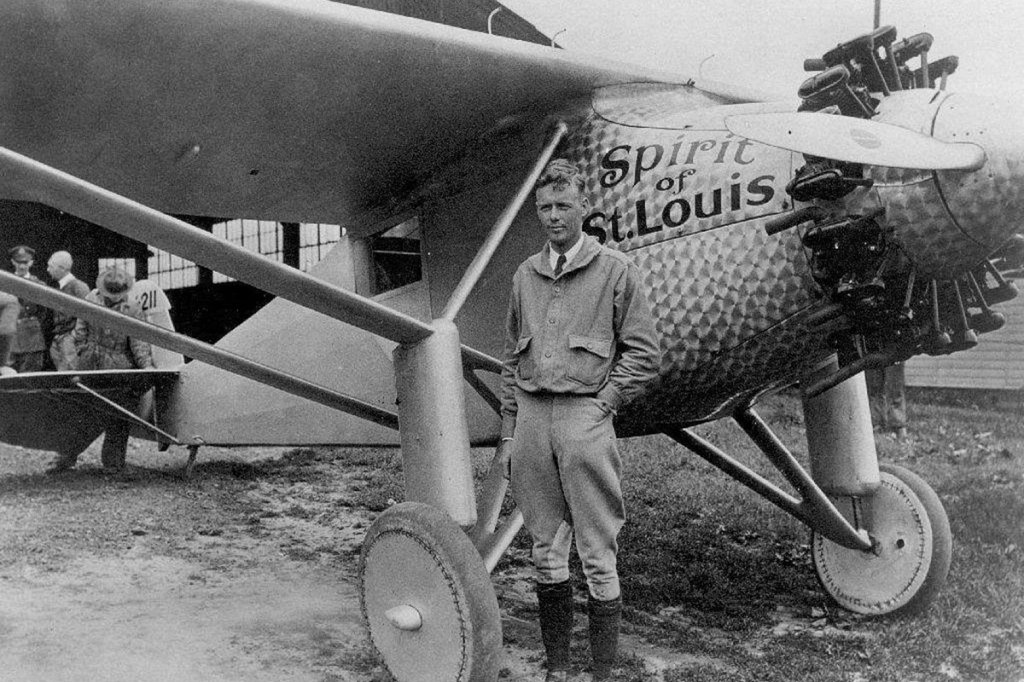
Seeing Charles Lindbergh at an airshow was pretty heady stuff for a boy in the early 20th century. (San Diego Air and Space Museum)
Growing up on a farm in South Dakota without electricity, Foss first dreamed of becoming a military aviator when he saw Charles Lindbergh at an airshow. Young Joe was 11 years old then, and a few years later, he flew on a plane for the first time.
Foss eventually scraped together enough money to pay for flying lessons. He earned his pilot’s license while attending the University of South Dakota, and after graduation, he was so eager to become a military aviator that he hitchhiked to Minneapolis to join the Marine Corps Reserve.
After completing the Naval Aviator Cadet Program, Foss was commissioned as a second lieutenant in the spring of 1941. The next year, he found himself embroiled in the Guadalcanal campaign.
Above the Solomon Islands, Foss became a legend.
A Hero at Guadalcanal
American Ace: The Joe Foss Story | SDPB Documentary
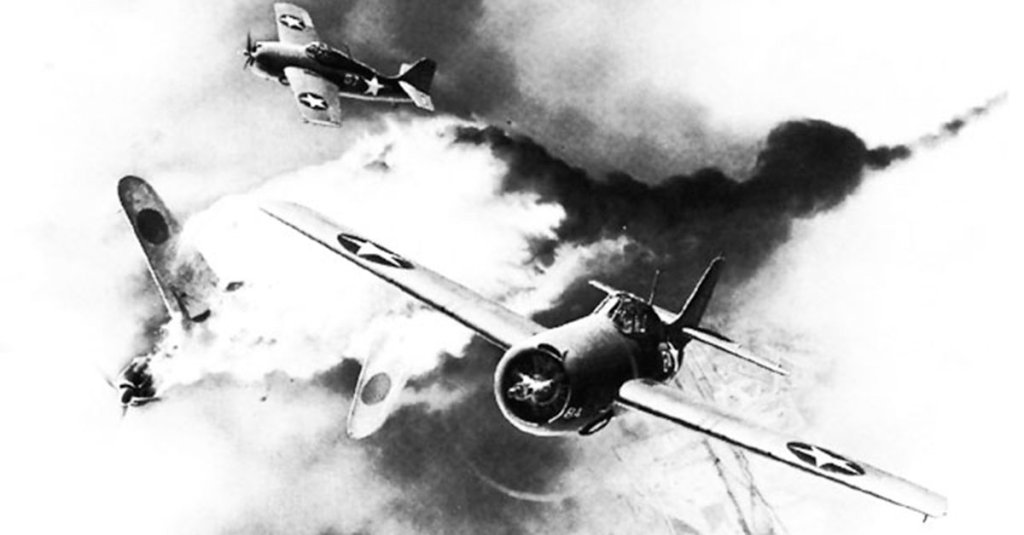
Foss shot down 23 Japanese aircraft from October 9 through November 19, 1942, according to his Medal of Honor citation. As the executive officer of Marine Fighting Squadron 121, Marine Air Group 11, 1st Marine Air Wing, Foss also was credited with damaging so many other enemy planes that “their destruction was extremely probable.”
Foss took out three more Japanese planes on January 15, 1943. His total of 26 confirmed victories tied World War I legend Eddie Rickenbacker’s total, but Foss didn’t stop there.
“Boldly searching out an approaching enemy force on 25 January, Capt. Foss led his eight F4F Marine planes and four Army P-38s into action and, undaunted by tremendously superior numbers, intercepted and struck with such force that four Japanese fighters were shot down and the bombers were turned back without releasing a single bomb,” according to Foss’ citation.
President Franklin D. Roosevelt presented Foss with the Medal of Honor on May 18, 1943, at the White House.
After World War II, Foss helped to organize the South Dakota Air National Guard and served during the Korean War. He became a politician, fulfilling two terms as his home state’s governor before turning his attention to professional football.
‘A World Series of Professional Football’
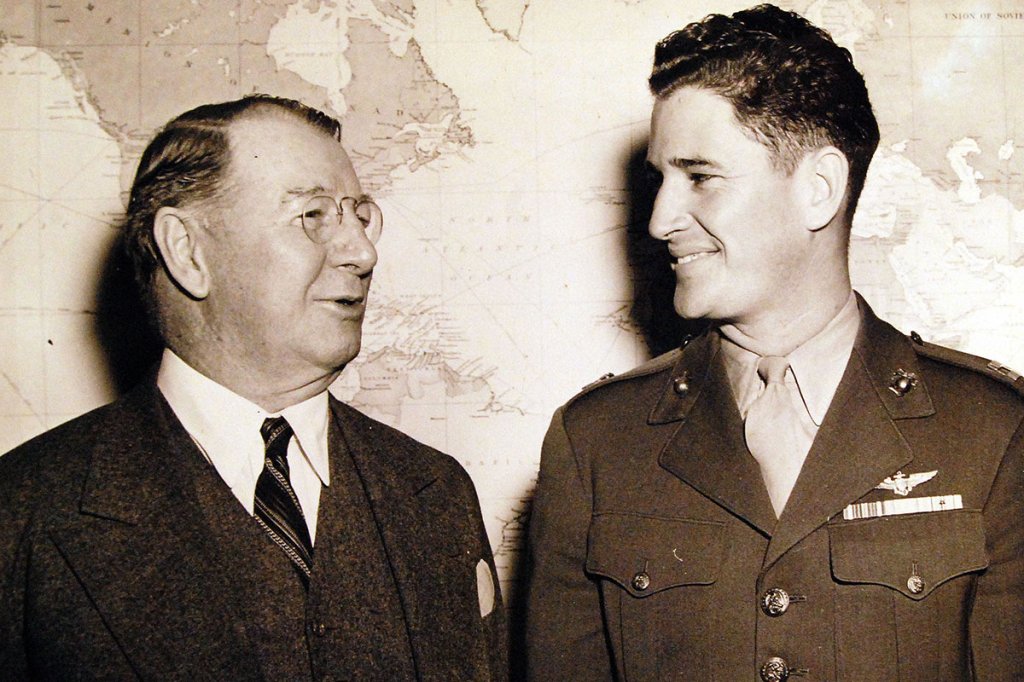
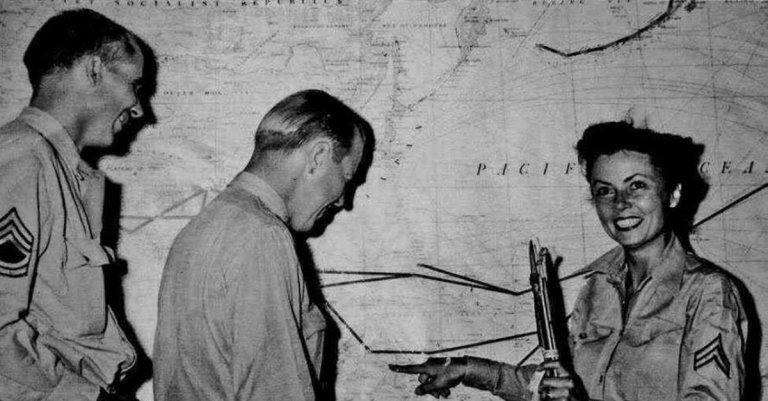
Marine fighter ace Joe Foss (right) makes small talk with Navy Secretary Frank Knox. (National Archives)
The AFL sprouted largely out of Texan millionaire Lamar Hunt’s frustration over the NFL’s refusal to place a team in Dallas. It began play in 1960 with eight teams, the owners of which were dubbed “The Foolish Club.”
Seeking credibility, they appointed Foss the league’s first commissioner. In 1963, he saw an opportunity to secure the league’s future. He reached out to Rozelle, apparently not for the first time, to suggest a game to determine the sport’s best team.
Foss wrote that AFL franchises, which would enter their fifth season in 1964, had reached “a high talent and maturity level” and were ready for the next challenge. A championship game between the leagues couldn’t wait any longer, he strongly suggested.
“The establishment of a World Series of professional football is necessary to the continued progress of our game if we’re to be true sportsmen and not merely businessmen in sports,” Foss wrote.
Despite Foss’ compelling case, Rozelle was not swayed. It would be another 2½ years before the NFL-AFL merger was announced on June 8, 1966. The leagues operated separately until 1970.
An Abrupt Departure
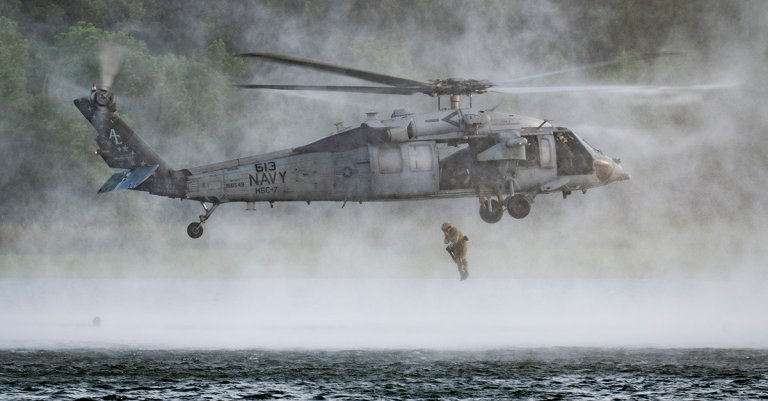
What would the Super Bowl be without a military flyover? (U.S. Army/Stephen Von Jett)
While the leagues’ best teams met in a championship game after the 1966 and 1967 seasons, the first game with the Super Bowl moniker was actually Super Bowl III on January 12, 1969, when the New York Jets upset the Baltimore Colts 16-7 in Miami.
Foss was out of pro football before any of those games, however. Two months before the merger, he surprisingly stepped down after six seasons as the AFL’s commissioner.
His prescient, six-paragraph letter remains a part of football history, residing in the Pro Football Hall of Fame in Canton, Ohio. Foss never could have predicted what the Super Bowl (or pro football, for that matter) has become: a multibillion-dollar affair that draws interest from fans across all spectrums of society. He was among the first to envision such a matchup, though.
Foss died on January 1, 2003, at the age of 87. He is buried in Arlington National Cemetery.