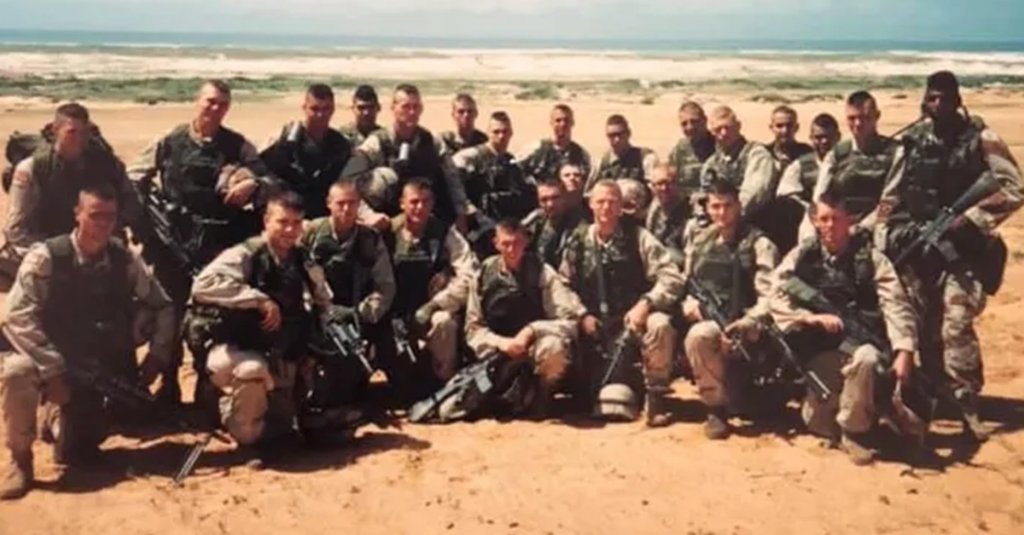
On Oct. 3, 1993, Army Rangers, crew members of the 160th Special Operations Aviation Regiment, Delta Force operators, and Navy SEALs, along with Air Force pararescuemen and combat controllers, collectively known as “Task Force Ranger,” engaged Somali militia fighters in the Battle of Mogadishu. It was part of Operation Gothic Serpent, the effort to capture warlord Mohamed Farrah Aidid in response to his attacks on U.N. peacekeepers during the Somali Civil War.
Related: How two Delta Force snipers earned the Medal of Honor in Somalia
The raid to capture two Aidid lieutenants quickly devolved into some of the most intense U.S. military combat since the Vietnam War. In fact, two Delta snipers received the Medal of Honor for their actions during the fighting, the only Medals of Honor awarded to snipers and the first since Vietnam.
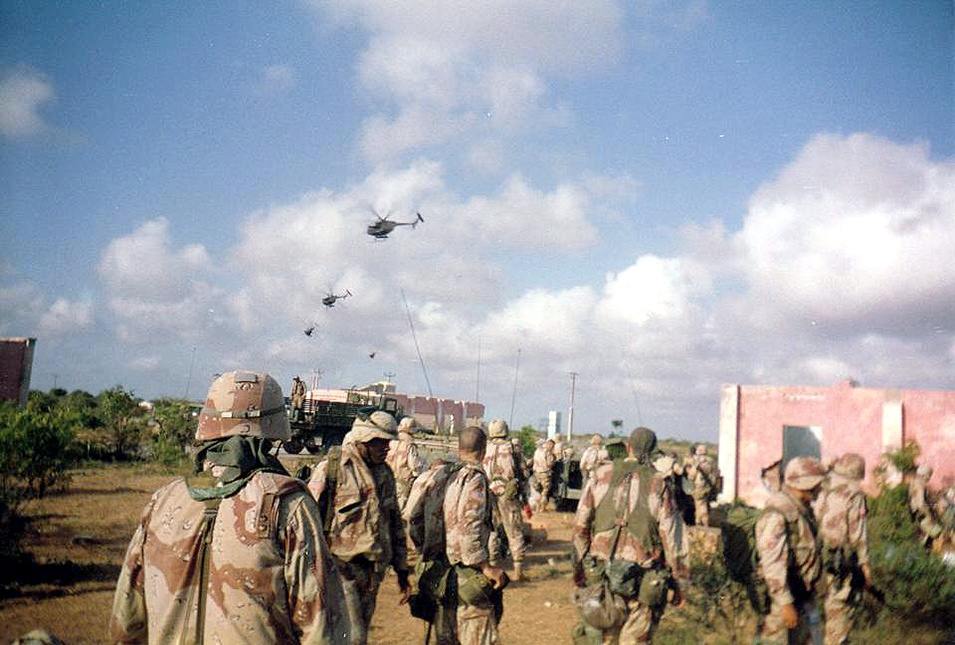
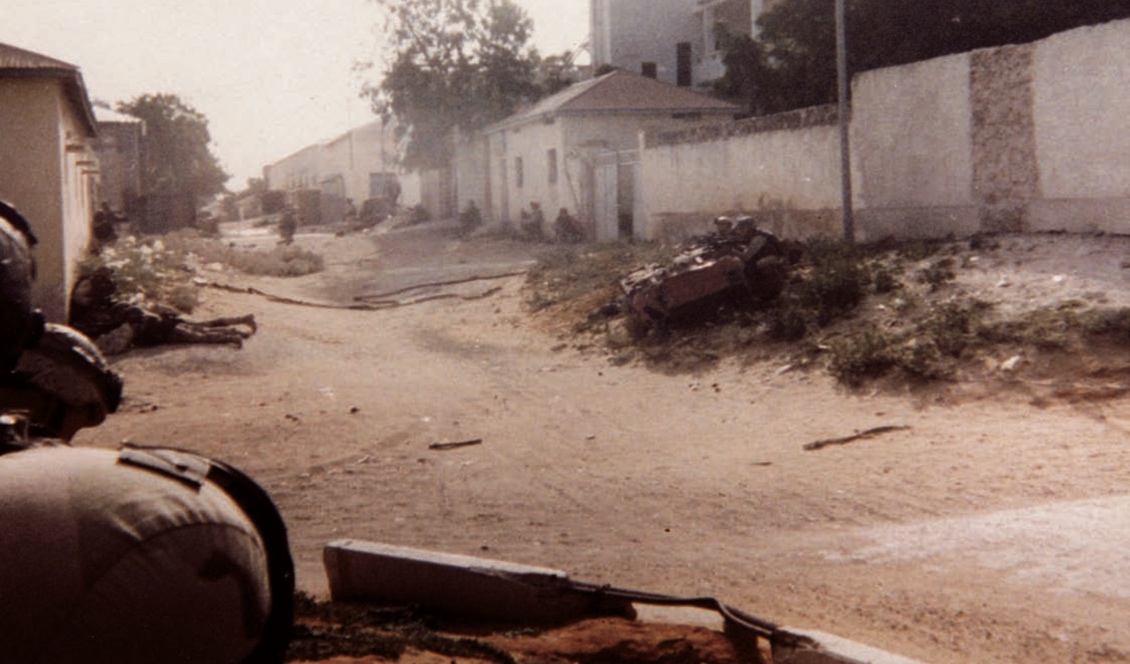
When Black Hawk Super Six-One was shot down during the mission, Task Force Ranger pivoted from a capture objective to a rescue mission. A combat search and rescue team was dropped into the crash site, and ground forces were rerouted to provide support. When a second Black Hawk, Super Six-Four, was shot down, help was not close enough to fend off the approaching hostile Somalis.
From their Black Hawk, Super Six-Two, Master Sgt. Gary Gordon and Sgt. 1st Class Randy Shughart provided sniper cover from the air. However, seeing the mob close in on Six-Four’s crash site, Gordon repeatedly requested permission as the sniper team leader to be inserted on the ground.
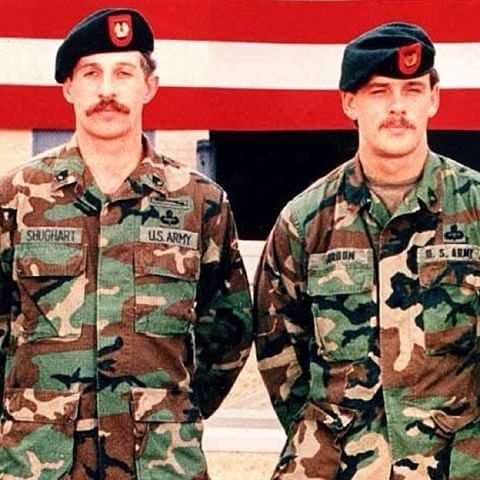
Command argued that Gordon and Shughart could provide better support from the air. But Gordon asserted that the surviving crew at the crash site could not survive on their own. After multiple denied requests, the command relented, and Gordon and Shughart fast-roped to the ground about 100 meters from Super Six-Four.
Fighting their way to the downed Black Hawk, the two snipers pulled Chief Warrant Officer Mike Durant from the helicopter, secured him and then took up positions to protect him from a massive wave of incoming Somali fighters and civilians. They held out as long as they could, but were eventually overwhelmed.
The official Army record notes that Shughart was the first to be killed, but “Black Hawk Down” author Mark Bowden refuted that with an account by Delta Force Sgt. Paul Howe, who said he heard Shughart radio for help. Bowden also reports that Durant was handed Gordon’s CAR-15 rather than Shughart’s M14 rifle. Regardless, both Delta snipers were killed at the crash site, and Durant was ultimately captured.
For their selfless sacrifice, Gordon and Shughart were posthumously awarded the Medal of Honor.
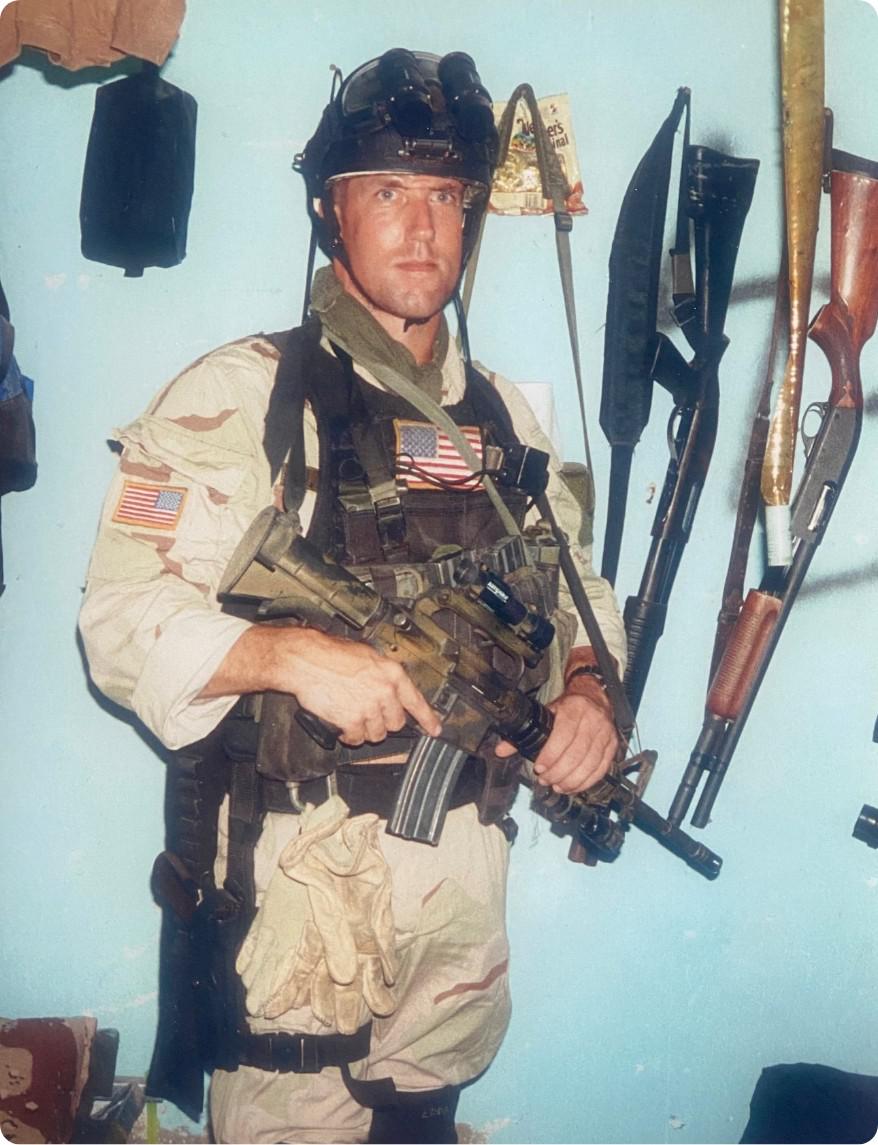
The 2001 film “Black Hawk Down” famously depicts Gordon and Shughart’s last stand at the crash site, but the movie overlooks the third Delta sniper who was aboard Super Six-Two, Sgt. 1st Class Brad Halling. Before Gordon’s request to secure the crash site was approved, one of Super Six-Two’s crew chiefs was shot through the hands. Halling provided aid and took over the minigun to maintain the Black Hawk’s aerial fire support.
When Gordon and Shughart fast-roped down, he remained aboard Super Six-Two to man the gun. It wasn’t long before that helicopter was also struck by an RPG, one that severed Halling’s left leg. Using another soldier’s belt and a screwdriver, Halling improvised a tourniquet to stop the bleeding.
When Super Six-Two returned to base, Halling was brought to medical with the other wounded from the mission. A doctor examined Halling’s leg and informed him that it might have to be amputated. Halling insisted that the doctor attend to the soldier next to him, who was hit in the hip by an RPG.
“Doc, don’t worry about me,” Halling said, as noted in an AARP Veteran Report. “You’ve got to take care of my buddy.” Unfortunately, the other soldier succumbed to his wounds and died two hours later.
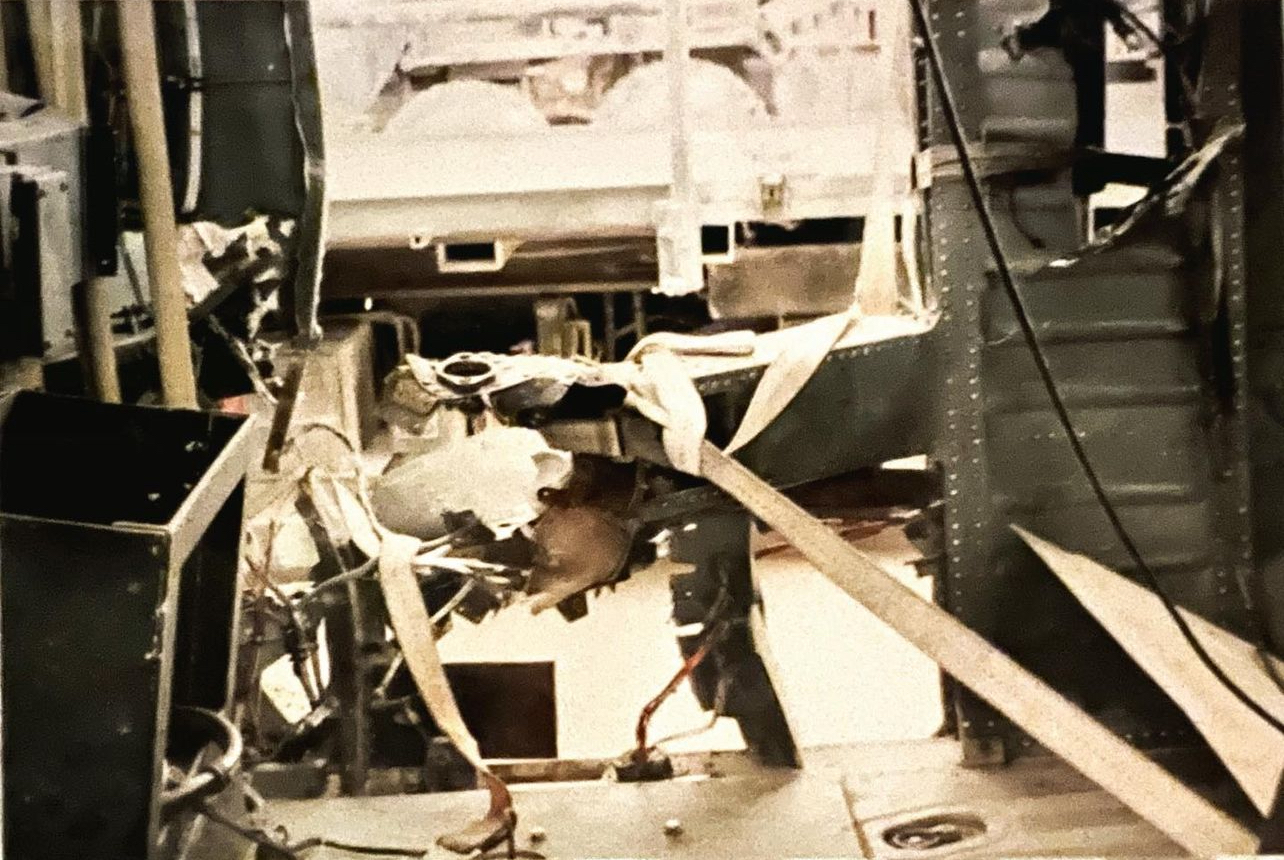
Despite losing his leg and his sniper teammates, Halling was determined to stay in the Army on active duty. While receiving treatment at Walter Reed Army Medical Center, a medic was adamant that Halling’s status as an above-the-knee amputee would prevent him from running and swimming, let alone returning to duty.
Motivated by the medic’s doubt, Halling pursued physical therapy and, just a year and a half later, he was running, swimming, climbing, and skiing; he even regained his airborne status. However, a few years later, the question was asked about Halling remaining on active duty. At the time, above-the-knee amputees were not allowed to continue serving.
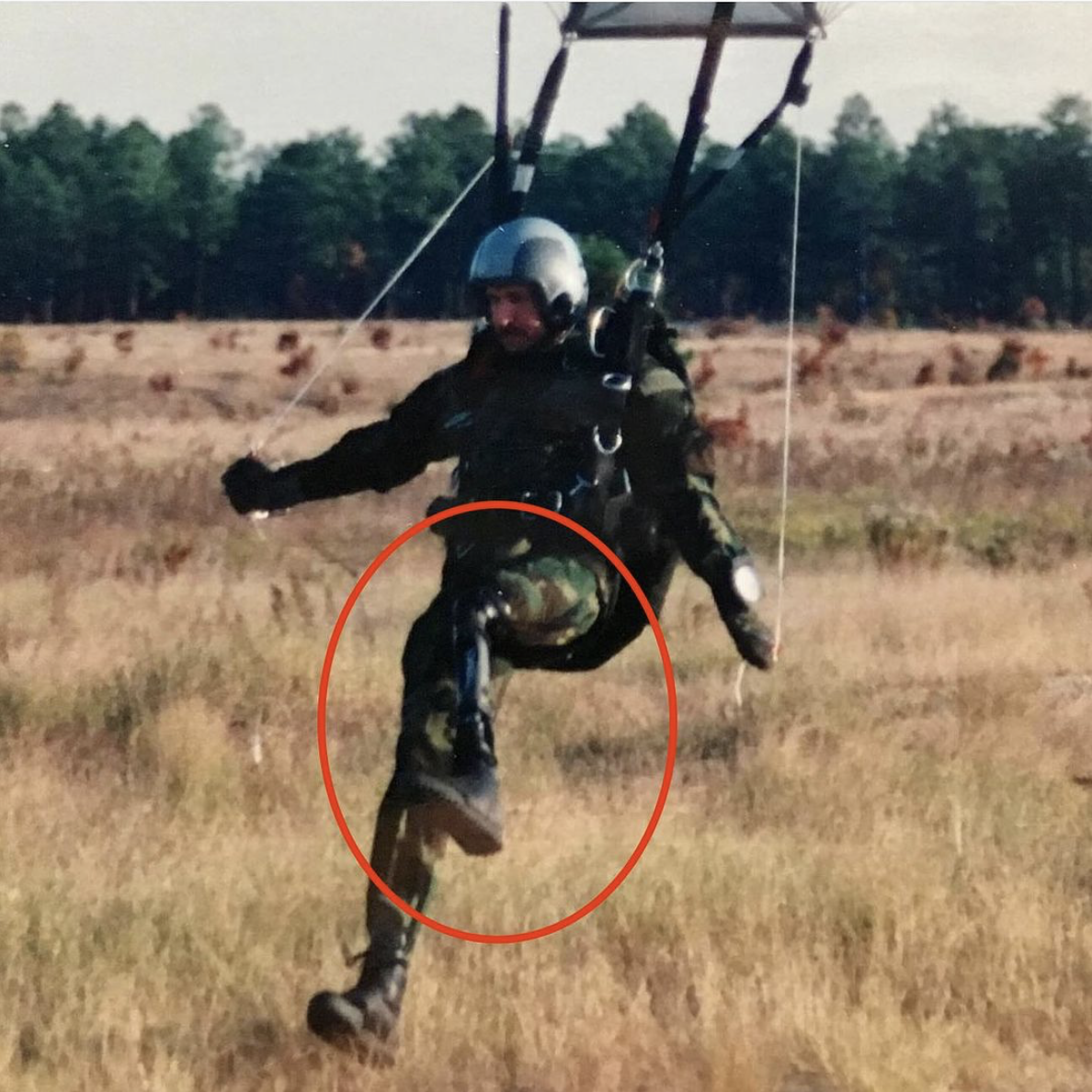
Taking up another fight, Halling appealed his fitness for service all the way up to then-Chairman of the Joint Chiefs of Staff Gen. John Shalikashvili. Halling had met the chairman after the Battle of Mogadishu.
“He was on the way to Normandy for the anniversary of D-Day and held his plane, talked to his attorneys, and wanted to make sure that it was, in fact, okay for him to endorse me to remain on active duty,” Halling told AARP.
With the Chairman’s endorsement, Halling stayed on active duty until his retirement in 2000 at the rank of sergeant major. Moreover, the decision set a precedent that allows amputees to continue serving under the Continuation of Active Duty program.
Halling became a SCUBA trainer and earned a graduate certificate in prosthetics. He was working at a prosthetic facility on Long Island when the terror attacks on 9/11 happened. Wanting to support the military response, Halling returned to Fort Bragg, North Carolina, as a training contractor. As of November 2023, he still works there.
Halling and his wife, Jessica, a retired Army colonel, later founded BHAWK, the Brad Halling American Whiskey Ko. The Sergeant’s Valor Gratitude tribute series honors extraordinary service, with stories reflected at the distillery’s museum, the Gratitude Room.
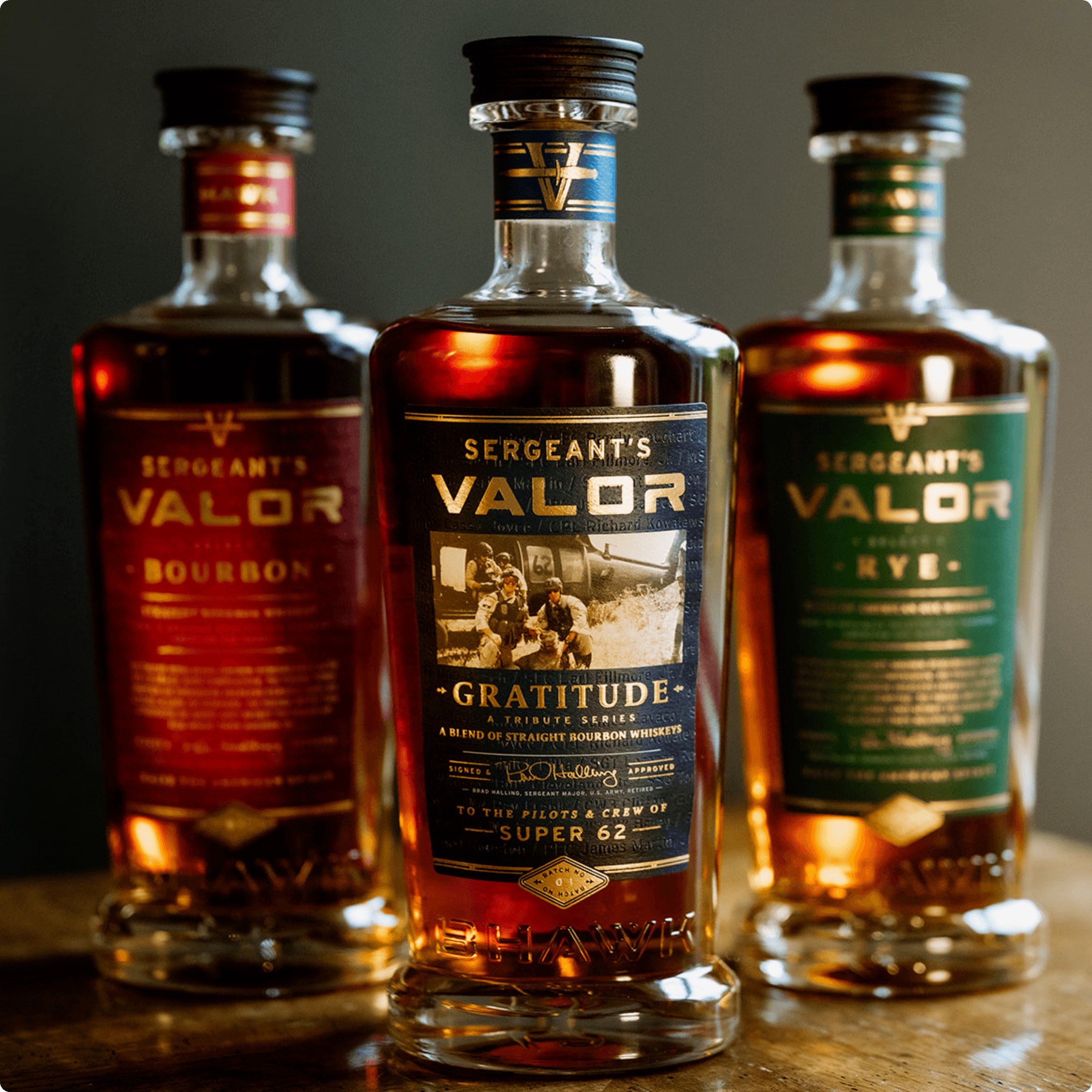
The first batch was dedicated to the pilots and crew of Super Six-Two. In a personal tribute, Halling goes on a run every October 3rd in memory of Gordon, Shughart, and his other fallen comrades.
“I run not because I love running,” Halling told Black Rifle Coffee Company. “I run because those guys didn’t come back. They can’t run.”