If the Global War on Terror was a long, hot trudge through the desert in an air-conditioned MRAP, a potential conflict in Venezuela would be a knife fight in a YMCA sauna, if the sauna were filled with sewage and swarming with malaria, drones, bugs that poop in your mouth, cartel-funded soldiers of fortune, grandmothers giving up your position, and Russian-trained militias.
For the last 20 years, we’ve conditioned an entire generation of warfighters to rely on three things: air superiority, clear comms, and the “Golden Hour” for MEDEVAC. We solved problems by raining death and destruction from above, calling in JDAMs with the ease of ordering DoorDash.
But if American boots hit the ground in Venezuela, they may find the situation quite different.
The environment alone is a worry, but not at the top of the list here; instead, we’d be stepping into a quagmire that combines the daily misery of Vietnam with the low-cost lethality of Ukraine. Our adversaries have been watching us for two decades.
They know we’re addicted to our tech. And they’ve chosen battlefield tactics (whether by design or desperation) that turn our billions of dollars of high-speed, desert warfare gear into heavy, wet paperweights.
The “Fleas in the Trees” (Ukraine Meets the Amazon)

In the sandbox, if it flew, it was ours. We owned the sky. But in the jungle, the triple canopy is a double-edged sword. It blocks high-altitude surveillance; the Reapers and Global Hawks can’t see through a hundred feet of foliage. You might think that gives you cover; however, it does not.
It just clears the airspace for the new apex predators: the drone swarm.
We are seeing this play out right now in Myanmar. Rebel forces are flying commercial quadcopters under the tree line to drop mortars on dug-in troops. Now, simply apply that to Venezuela. The regime isn’t just buying drones; they are building Iranian Mohajer-6s with guided munitions as you’re reading this.
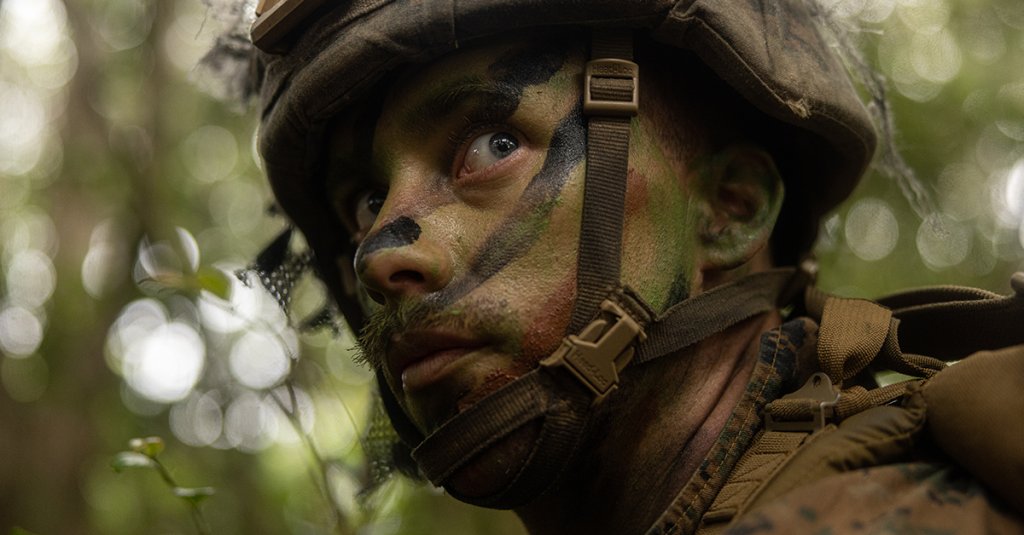
In Iraq, you could hear a drone buzzing. In the dense canopy, the vegetation dampens sound. You won’t hear that cheap suicide drone until it breaks the leaf cover fifteen feet above your head. It’s not an airstrike; it’s a child’s toy with a grenade attached, and it doesn’t care about your camo face paint or military-issued IPAD.
The Tech Graveyard
Let’s talk about American forces’ addiction to electronics. We love our screens and software that does all the work; we hardly ever have to read a manual. We love knowing exactly where the friendly lines are, too. But the jungle is basically a giant, damp Faraday cage (a shield against electronic noise where any noise with an electronic component that exists outside the cage is completely cancelled within that space).
VHF and UHF signals, the bread and butter of squad comms, get soaked up by moisture and dense vegetation. Signal ranges drop by 10% to 60% the deeper you go. And that’s before the enemy turns on their jammers and other surprises.
Venezuela hosts Russian electronic warfare (EW) advisors who specialize in jamming whatever faint signal manages to punch through the trees. We are talking about a return to map, compass, and pace count, skills that were already atrophied while we stared at tablets and screens for the past two decades.
If you are a leader who can’t navigate without a GPS gadget or Blue Force Tracker, you are effectively MIA before the first shot is fired.
The “Narco State-Government” Connection
In Afghanistan, we fought insurgents or paid locals, usually in vast open terrain. In Venezuela, we’d be fighting a “Frankenstein” force jammed into dense foliage or worse, the barrios (slums).
It’s a formal State tactic known as “Guerra de Todo el Pueblo” (“War of All the People” or “Entire Peoples War”). The Venezuelan military has integrated the Colectivos, armed, pro-government gangs, into their defense plan. These aren’t just guys in pickup trucks and cosplaying for the weekend; they are paramilitary enforcers embedded in the slums and the bush, trained to bleed an invading force dry.
Add to that the “advisors.” We know Wagner (now known as the Africa Corps after suffering significant losses in Ukraine, at home, and abroad) has been on the ground. These are mercenaries, ex-soldiers like Spetnatsz, with combat time in the Caucasuses, Syria, and Ukraine.
They aren’t going to stand in a line and fight fair. They are going to use the jungle and villages to turn every patrol into an ambush, using the same “shoot and scoot” tactics that frustrated us in the Middle East, but with better, cheaper, more lethal weapons, not to forget a home-field advantage that could cause casualties to mount quickly.
The Death of the “Golden Hour”
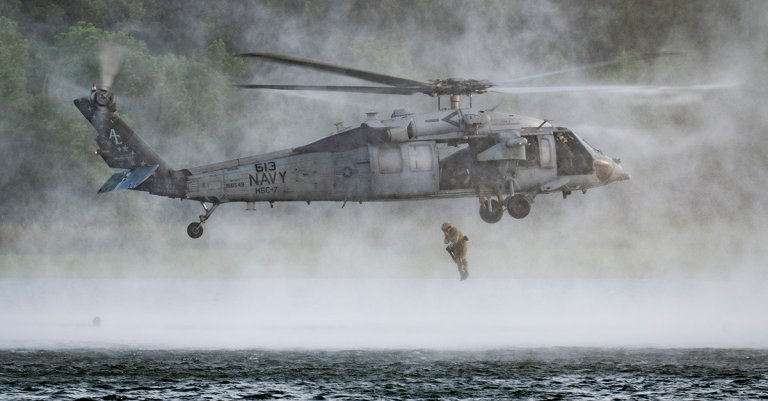
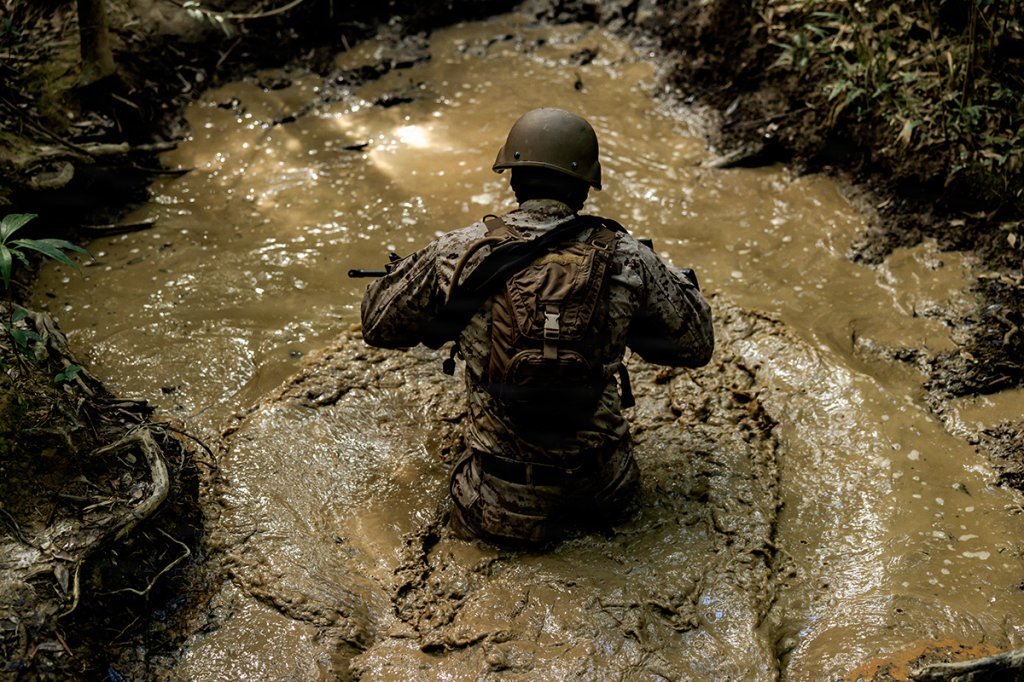
This will take its toll. In the GWOT, if you got hit, evac was 20 minutes away; you were blissfully aware of this. In the jungle, helicopters can’t land. The trees are too thick, the ground is too soft. The ground and air are filled with flying bombs that can lie in wait for hours.
Hoist operations take time, and hovering above the canopy makes that bird a perfect target for FPV drones or the tried-and-true man-portable air defense systems (MANPADS), both of which are widely available in the region.
That means you aren’t getting flown out. Your squad is carrying you. You are hiking through mud that sucks boots off your feet, in 90% humidity that rots skin surprisingly quickly. The “Golden Hour” becomes the “Golden Day,” maybe worse if QRF is bogged down. It changes the pace and planning of the fight entirely when you know that help isn’t just a radio call away, it’s a three-day hike under constant threat of various ambushes.
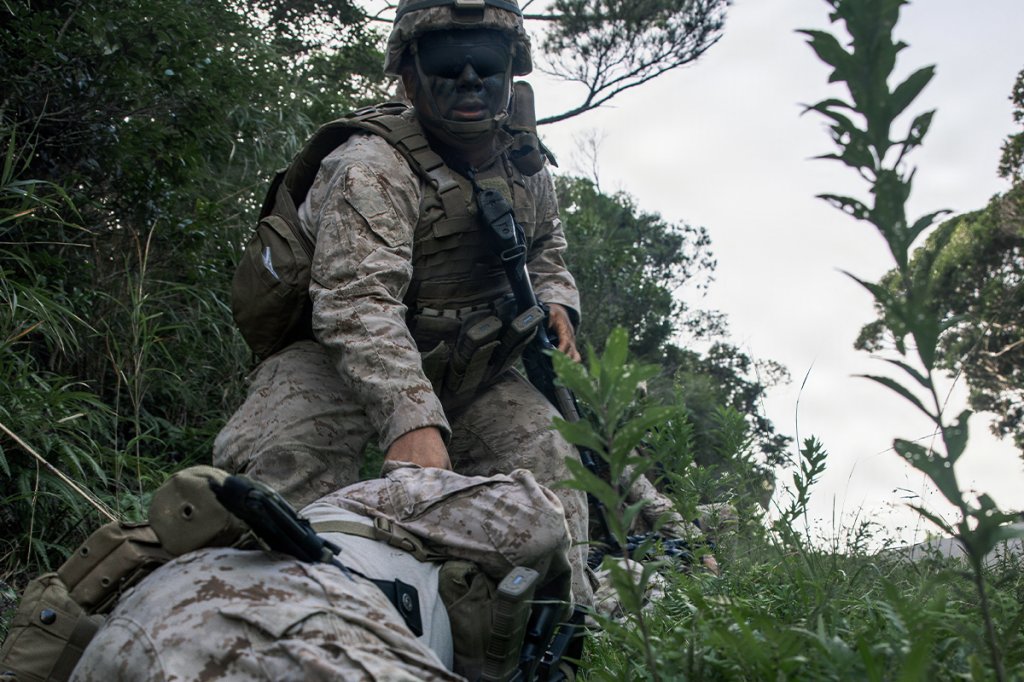
The jungle doesn’t care about your tacticool gear. The barrios don’t care about your budget or your delusions of grandeur. They’ll demand payment in pain, respect, discipline, and mental toughness that our current training doesn’t provide at the moment.
We are the most lethal, professional military in history, but the jungle is the metaphorical slap in the face. If we go down there thinking it’s going to be “GWOT with cooler scenery,” we are in for a rude awakening. The only thing that works in this environment is the basics: noise discipline, water discipline, and the ability to endure the suck longer than the man or machine trying to kill you.
Every day, it seems more inevitable that the school bell will ring and class will be in session. Let’s hope those in charge are ready to teach so we don’t have to learn this lesson the hard way.