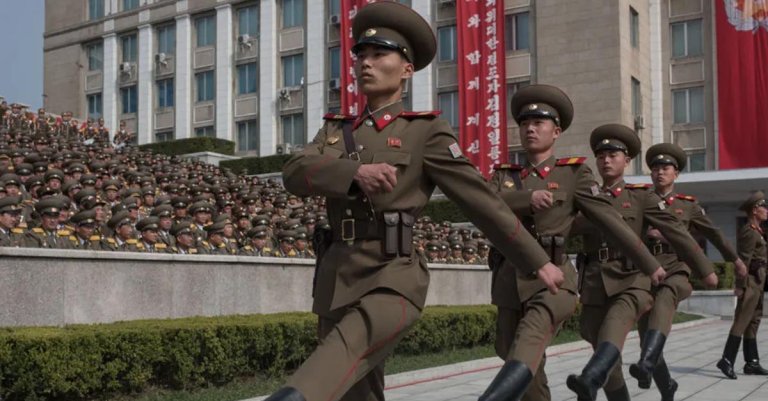
Ahn Hak-seop was part of a seven-man North Korean squad sent to infiltrate enemy lines. It was 1953, and the Korean War was locked in a bloody stalemate. Ahn’s mission was to lead his heavily armed party to deliver coordinates from Pyongyang across an icy mountain range in the middle of winter to a meeting of the communist party in the Kangwon-do district. Over the course of nine months, six of them would die trying.
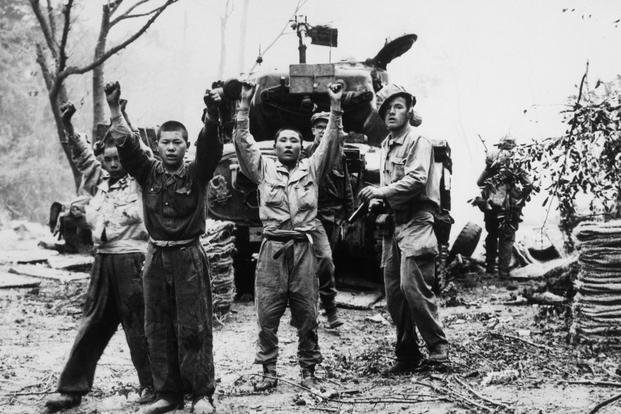
Ahn was captured by South Korean soldiers, beaten, tortured, and interrogated. Three months later, the fighting came to a halt. Under the terms of the armistice, both sides had 60 days to repatriate the prisoners they held. During what was called Operation Big Switch, thousands were exchanged, but Ahn wasn’t one of them. At age 23, he was held as a spy, a “pro-communist enemy of the state.”
Now 95 years old and living in South Korea, Ahn Hak-seop longs to return to North Korea so he can die there. There’s just one problem: no one is certain if North Korea will actually take him.
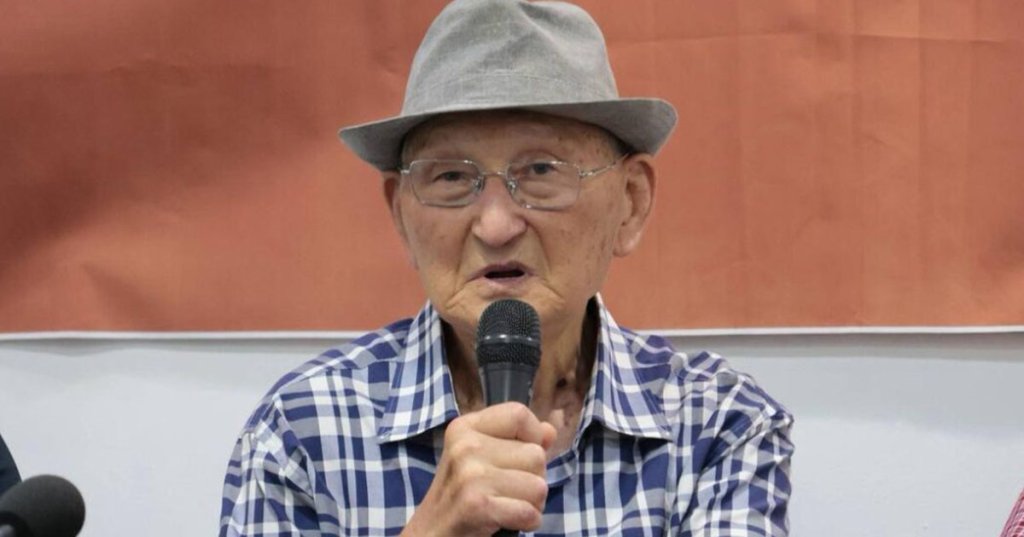
He was born on Ganghwa Island in 1930, in what is today South Korea, while the peninsula was under Japanese occupation. After Japan lost World War II, Ahn initially welcomed U.S. troops as liberators.
“Soon General MacArthur referred to the US as an occupying army,” he said in a 2019 interview. “There was no word of liberation, only occupation; so I was suspicious.”
In 1947, he was walking with a colleague when American soldiers began firing at them. His friend was wounded and arrested. Ahn made his way to Kaesong, just across the border in North Korea. He went to engineering school there and missed the first half of the Korean War. He joined the North Korean People’s Army as an intelligence officer in 1952.
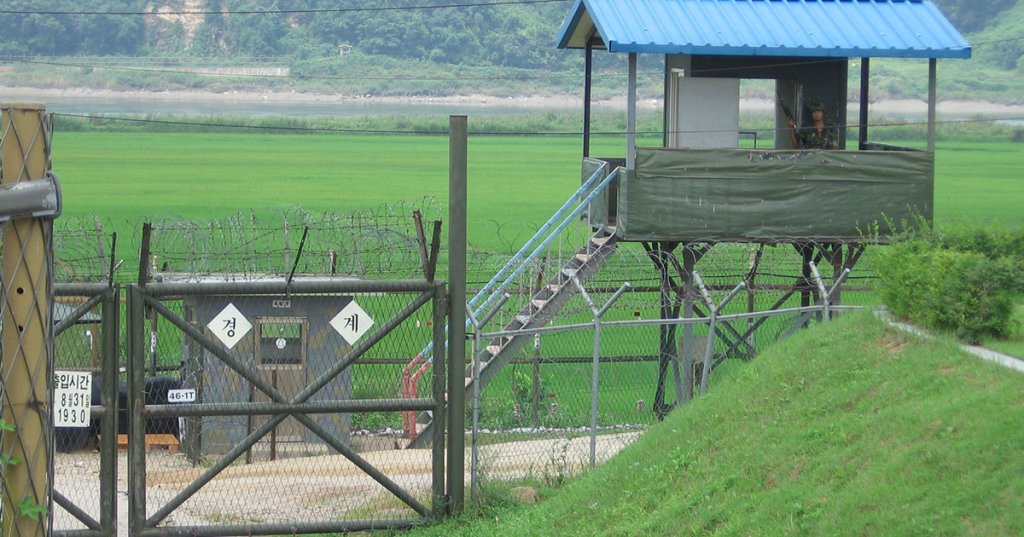
On August 20, 2025, Ahn will reportedly be driven from his home to a border checkpoint near the demilitarized zone, the world’s most heavily defended border. From there, the 95-year-old who suffers from a chronic lung condition will attempt to walk the 2.5 miles across the DMZ into North Korea, without knowing if anyone on the other side will accept him.
“I’m not looking for a life in the North–I know I could die today or tomorrow,” Ahn told the Wall Street Journal. “I just want to be buried there.”
After being captured, he fiercely resisted his torturers. He was handed a life sentence by South Korean President Syngman Rhee’s government, which could be just as authoritarian and brutal as (or worse than) the communist system under Kim Il-Sung in the North. The hundred-plus prisoners like Ahn were beaten and sleep-deprived in prison. If they signed a statement renouncing communism, they could be released. Ahn refused. He would never surrender.
In 1995, however, relations on the Korean Peninsula warmed and South Korea shed its despotic military rule. A newly elected president, the first from outside the former military regime, issued a pardon to Ahn and other North Korean prisoners. He was released, but in his mid-60s and still an unrepentant communist, his family disowned him.
“I remained in the South by my own choice,” he said. “There are three reasons. First, I thought it was a temporary situation. Second, there were young progressive people here in the South, and they asked me to stay. They said, ‘If the unconverted prisoners go the North, we will lose the center of the struggle.’ It became very important for me to stay. The third reason is that Korea is now divided, and the U.S. occupies the southern part. We have to keep struggling here for the withdrawal of U.S. army, the peace treaty, and peaceful reunification.”
Ahn would, eventually, make his way. He married a South Korean woman and continued to protest the South Korean and American governments from his home close to the DMZ (and as close to North Korea as he could get). There, he spent the years protesting American troops, calling for Korean reunification, creating anti-American art, and using Old Glory as a doormat. He hopes this week in South Korea will be his last.
North Korea hasn’t responded to queries about Ahn’s status. Other North Korean prisoners have been repatriated in the past, but after 70 years, he is a South Korean passport holder, and even he isn’t certain what will happen.