
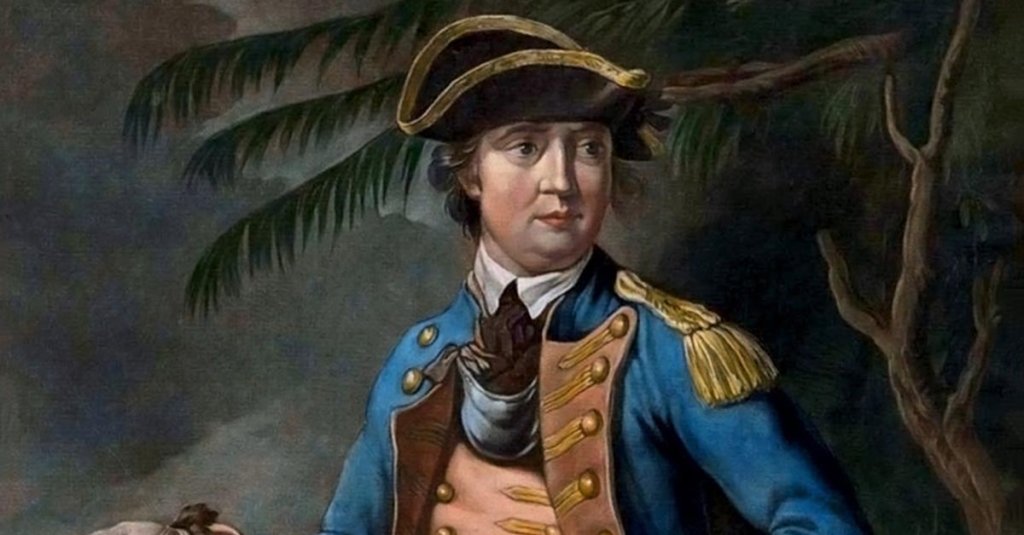
Benedict Arnold occupies a singular place in American history.
His name has become permanently linked with treason, yet that association conceals the reality that Arnold was once among the most effective and courageous officers in the Continental Army.
Before his defection, he helped save the American Revolution during its most fragile years. He possessed energy, imagination and battlefield brilliance whose actions repeatedly altered the course of the war.
Related: The Raid on Richmond was Benedict Arnold’s best battle as a British general
Arnold’s fall was not sudden or simple. It was the result of ambition, wounded pride, political infighting, financial strain, and a growing belief that the cause he served no longer valued his sacrifice.
To understand Arnold fully requires examining both his extraordinary service and the path that led him to betray the revolution.
Early Life and the Formation of an Ambitious Character
Benedict Arnold was born in 1741 in Norwich, Connecticut, into a family with a proud name but declining fortunes.
His father had once been a prosperous merchant, but repeated financial failures and alcoholism plunged the family into debt and social embarrassment. Arnold grew up acutely aware of this fall from respectability. From an early age, he developed a fierce determination to restore honor and status through personal achievement.
As a young man, Arnold became a successful merchant and sea captain, trading throughout the Atlantic world. These experiences hardened him physically and mentally and gave him confidence in his own judgment. They also reinforced his independence and impatience with authority.
Arnold expected recognition when he succeeded and reacted sharply when he believed he was treated unfairly. These traits would serve him well in moments of crisis, but they would also create enemies and deepen resentments throughout his career.
When the colonies moved toward rebellion, Arnold did not hesitate. He saw the revolutionary cause as both morally justified and personally meaningful. War offered a chance to prove himself and reclaim honor, not only for his family but for himself.
Fort Ticonderoga and the First Test of Leadership
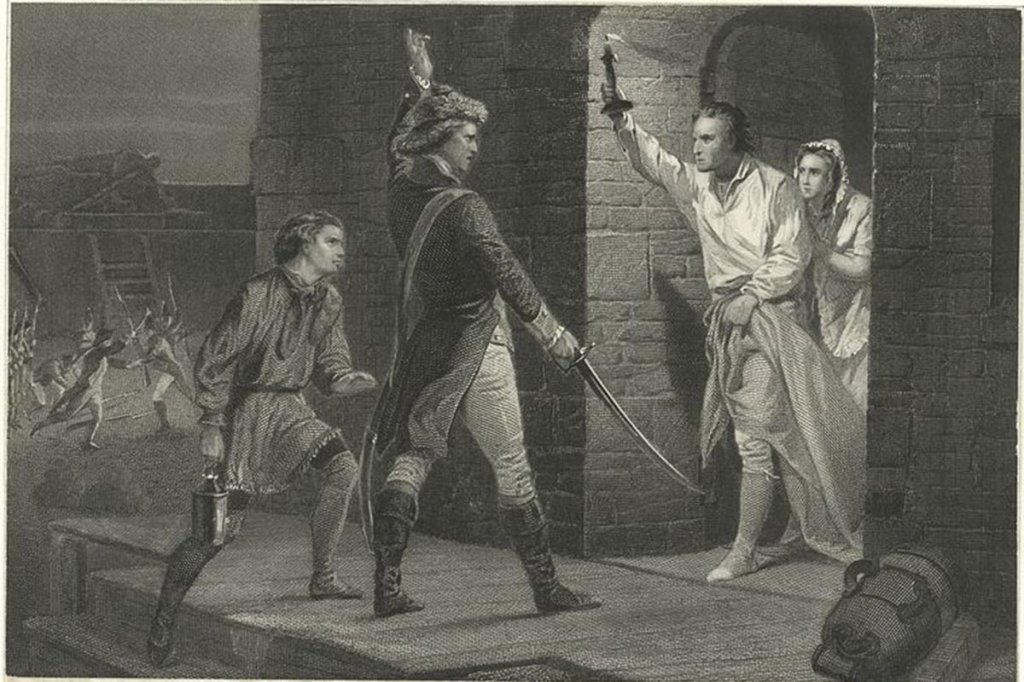
Decisive action marked Arnold’s entry into the revolution.
In the spring of 1775, he learned of plans to seize Fort Ticonderoga, a British stronghold guarding the Lake Champlain corridor. Understanding the importance of the fort and its artillery, Arnold secured authorization from Massachusetts leaders and hurried north.
Upon arrival, Arnold found Ethan Allen and the Green Mountain Boys already preparing an assault. Disputes over rank and authority erupted immediately. Arnold held an official commission while Allen commanded loyalty from his men. Despite tension and resentment, Arnold chose cooperation over division and joined the attack.
The capture of Fort Ticonderoga was swift and bloodless but strategically vital. The artillery seized there would later be hauled to Boston and force the British evacuation of the city.
Although Arnold played a central role in organizing the expedition and asserting its legitimacy, much of the public credit went elsewhere. This early slight planted the seeds of frustration but did not yet diminish Arnold’s commitment to the cause.
The Canada Campaign and Endurance Under Extreme Conditions
Later in 1775, Arnold proposed an ambitious plan to invade Canada through the Maine wilderness. The objective was to capture Quebec City and bring French Canadians into the rebellion. The plan was risky and poorly supplied, but Arnold believed speed and determination could overcome logistical shortcomings.
The march proved one of the most brutal episodes of the war. Soldiers struggled through swamps, forests, and frozen rivers. Food spoiled, supplies were lost, and disease spread rapidly. Men starved, froze, and collapsed from exhaustion. Nearly half the force turned back, yet Arnold pressed forward and refused to abandon the mission.
When Arnold finally reached Quebec, he coordinated an attack with Gen. Richard Montgomery. The assault failed, and Montgomery was killed. Arnold was wounded but continued to command until forced to withdraw.
Although the campaign ended in defeat, Arnold emerged with a reputation for toughness, courage, and leadership. His willingness to suffer alongside his men earned deep loyalty from soldiers who served under him.
Valcour Island and Strategic Brilliance on Lake Champlain
In 1776, Arnold once again faced a critical challenge as British forces prepared to advance south from Canada.
Control of Lake Champlain would allow the British to cut New England off from the rest of the colonies. Arnold recognized that delaying this advance was essential, even if outright victory was impossible.
With limited resources, Arnold oversaw the construction of a small, improvised fleet. Facing a far superior British navy, he positioned his ships near Valcour Island and forced an engagement that neutralized British advantages. The American fleet was eventually destroyed, but the battle delayed the British advance until winter forced them to retreat.
This delay proved strategically decisive. It prevented a British invasion in 1776 and allowed American forces time to prepare for the following year. Military historians have long praised Arnold’s performance as an example of strategic thinking beyond immediate battlefield results.
Once again, however, Arnold received limited recognition for his contribution.
Saratoga and the Peak of Military Achievement

Arnold’s greatest moment came during the Saratoga campaign of 1777. British Gen. John Burgoyne advanced south from Canada, intending to sever New England from the rest of the colonies. Arnold served under Gen. Horatio Gates, whose cautious leadership often clashed with Arnold’s aggressive instincts.
At Freeman’s Farm, Arnold led repeated attacks against British positions despite Gates’ reluctance. His actions inflicted heavy casualties and disrupted Burgoyne’s advance. Tensions between Arnold and Gates escalated, leading to Arnold’s being sidelined just before the decisive battle at Bemis Heights.
Defying orders, Arnold rode onto the battlefield and led American troops in a ferocious assault. His leadership broke the British line and forced Burgoyne into retreat. During the fighting, Arnold was shot in the leg, a wound that nearly cost him his life and permanently ended his ability to command in the field.
The surrender of Burgoyne shortly thereafter marked a turning point in the war and convinced France to ally formally with the United States. Arnold’s role was essential, yet Gates received the acclaim. Arnold’s wounded leg would later be memorialized at Saratoga without mentioning his name, symbolizing both his contribution and his erasure.
Political Rivalries, Financial Burdens, and Growing Resentment
After Saratoga, Arnold’s relationship with Congress and fellow officers deteriorated rapidly.
Despite his record, Congress promoted junior officers over him repeatedly, often due to regional politics and personal alliances. Arnold viewed these decisions as deliberate attacks on his honor.
Financial difficulties worsened his bitterness. Arnold had spent large sums of his own money to support military operations and maintain supply lines. Reimbursement was inconsistent and slow. While serving as military governor of Philadelphia, Arnold faced accusations of corruption related to his spending and lifestyle. Although he was cleared of major wrongdoing, the public scrutiny humiliated him.
Arnold increasingly believed that civilian leaders neither understood nor respected military sacrifice. His pride and sense of injustice hardened into resentment. He began to view the revolution not as a noble struggle, but as a thankless enterprise that rewarded mediocrity and punished excellence.
The Drift Toward Betrayal

Was Benedict Arnold a Traitor or a Hapless Pawn?
In Philadelphia, Arnold moved among Loyalist social circles and formed relationships with families still sympathetic to Britain. In 1779, he married Peggy Shippen, the daughter of a prominent Loyalist family. Shippen was well-educated, socially connected, and had previous ties to British officers.
Through these connections, Arnold began secret correspondence with British intelligence. Whether Shippen actively encouraged his defection or merely facilitated communication remains debated, but her presence undeniably shaped his environment.
Arnold came to believe that his talents would be better recognized under the British crown than by the Continental Congress.
The West Point Plot and Collapse of Trust
By 1780, Arnold was actively negotiating with the British.
He requested command of West Point, the most strategically important fortress in North America. Its location controlling the Hudson River made it the key to colonial unity.
Arnold agreed to surrender the fort and its garrison in exchange for money and a high rank in the British Army. The plot unraveled when British officer John André was captured, carrying documents that exposed the conspiracy. Arnold fled to British lines just before his arrest.
André was tried and executed as a spy, an event that shocked both sides. Arnold escaped punishment but at the cost of eternal infamy.
Service to Britain and Life After the War
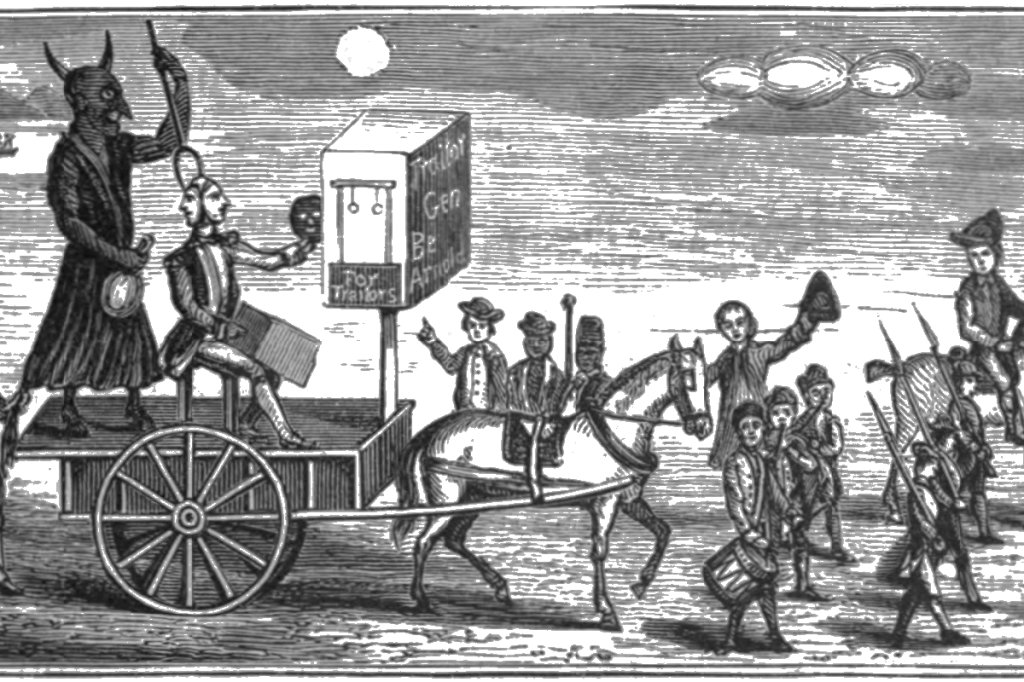
Commissioned as a brigadier general, Arnold led raids against American targets in Virginia and Connecticut. Though militarily effective, these raids hardened public hatred toward him. Even British officers distrusted Arnold, questioning his loyalty and motives.
After the war, Arnold struggled financially and socially. He lived in Britain and later Canada, never achieving the honor or stability he sought. He died in 1801 largely isolated and bitter.
West Point and the Teaching of Arnold’s Legacy
Today, the United States Military Academy at West Point confronts Arnold’s story directly.
Cadets study his career not only as a tale of treason but as a complex leadership case study. His early brilliance is examined alongside his ethical failure, emphasizing that competence without character is dangerous.
Arnold’s command at West Point is used to teach lessons about trust, responsibility, and civil military relations. The academy stresses that loyalty to the Constitution and the nation must transcend personal ambition. By presenting the full story, West Point ensures that Arnold’s life serves as a warning rather than a myth.
Benedict Arnold was one of the revolution’s most capable officers and one of its greatest threats. His life reveals how pride, resentment, and ambition can undermine even the most brilliant careers. Arnold helped secure independence, yet nearly destroyed the cause through betrayal. His legacy endures not simply as a symbol of treason but as a profound lesson in leadership accountability.
Through continued study at West Point and beyond, Arnold’s story reminds us that history is shaped not only by battlefield success but by the moral choices leaders make when tested by adversity and neglect.