All seemed peaceful as Union Army Pvt. Commodore Smith lay asleep on the steamship Sultana on April 27, 1865.
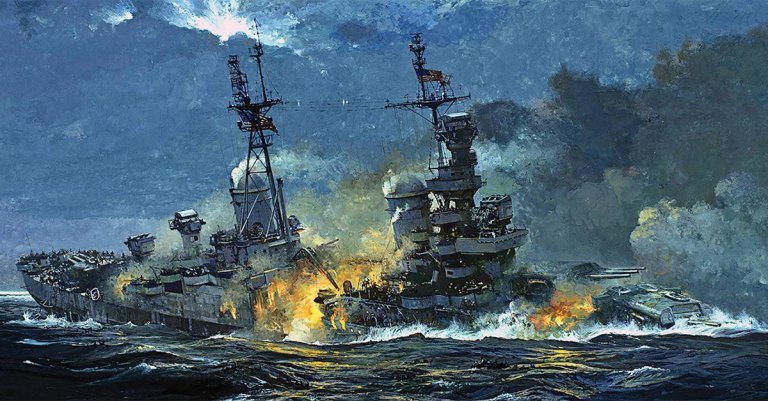
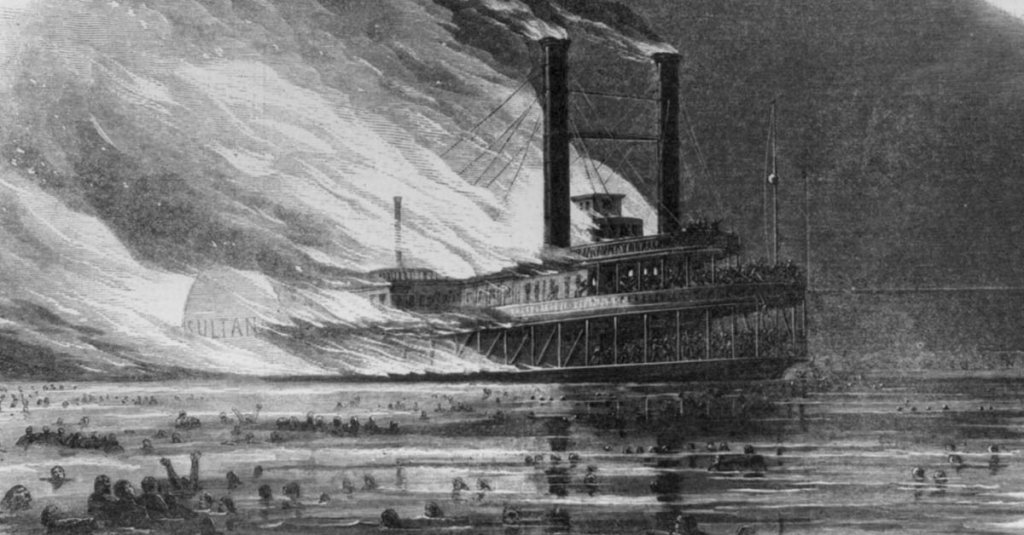
Smith, who was on the vessel’s lower deck, didn’t stay unconscious for long. Three boilers exploded, killing hundreds of passengers instantly and setting the vessel ablaze.
Related: This is how the Titanic was discovered on an unrelated top-secret mission
Smith recalled later that he could hardly move initially. Dead and wounded passengers covered him, along with various body parts and pieces from the Sultana’s upper decks. Once he extricated himself, Smith and others faced a gut-wrenching decision.
“The boat was on fire, and the wounded begged us to throw them overboard, choosing to die instead of being roasted to death,” Smith recounted in a first-person account posted to the Sultana Disaster Museum’s website. “While our hearts went out in sympathy for our suffering and dying comrades, we performed our sad but solemn duty.”
Most Passengers Were Union Soldiers
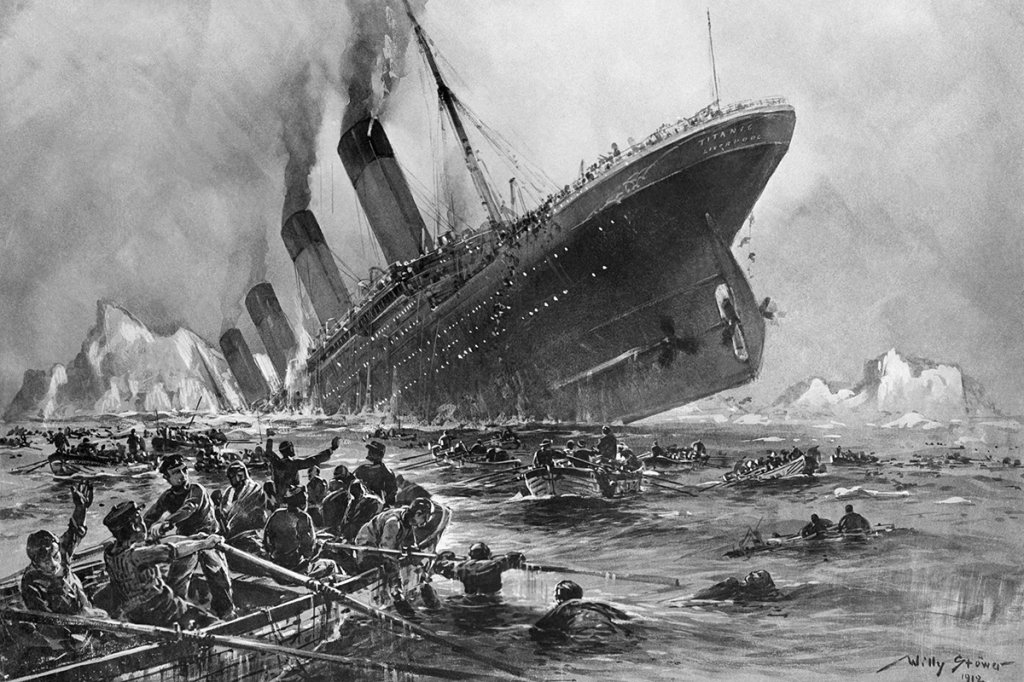
Described as “America’s Titanic,” the Sultana tragedy occurred less than three weeks after the Civil War ended and only a day after a Union soldier killed President Abrabam Lincoln’s assassin, John Wilkes Booth.
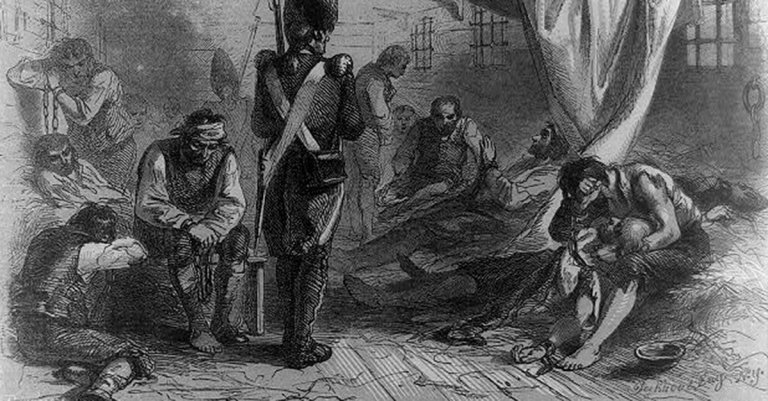
On a steamship with a supposed capacity of 376 passengers and crew, the Sultana was carrying roughly 2,400 people on its final voyage. Union soldiers released from Confederate prisoner-of-war camps comprised the vast majority of the passenger list.
The overcrowded conditions did not overly concern J. Cass Mason, the Sultana’s captain and part-owner. Dollar signs likely motivated Mason, specifically a War Department policy then that paid private steamboat operators $5 for every enlisted man and $10 per officer they transported during wartime.
Eager to leave Vicksburg, Mississippi, and collect a lucrative payday, Mason also ordered that workers rush to patch a leaky boiler. That was not the only sign of impending trouble. At 260 feet long and 70 feet wide, the wooden vessel was so crammed with people that its three decks started sagging until its crew rushed to reinforce them.
As the Sultana made its way along the Mississippi River, its currents rocked the ship. Unbeknownst to the soldiers aboard, it wasn’t long before they were scrambling for their lives.
Many Passengers Didn’t Know How to Swim
The Sinking of The Sultana | A Short Documentary | Fascinating Horror
The Sultana’s final destination was Cairo, Illinois, but it never made it that far. Roughly 2½ days after leaving Vicksburg, the steamship exploded about eight miles north of Memphis, Tennessee.
With the Sultana engulfed in flames, the surviving passengers raced frantically to try to save themselves or put themselves out of their agony. Many could not swim. The Sultana had only one lifeboat, but so many desperate souls tried to climb aboard that it quickly sank.
There were reportedly 76 life preservers, not nearly enough. Debris from the Sultana floated in the overflowing river, providing another potential means of survival. The chaos of the moment, though, sapped the passengers’ increasingly depleted energy stores even further.
Some, including Pvt. Daniel William Lugenbeal, only survived because of their quick thinking. After the blast that crippled the Sultana, Lugenbeal remembered seeing a pet alligator onboard. He bayoneted the reptile, then took the box it was in and threw it overboard.
Lugenbeal jumped into the river after the box and used it as a flotation device. Others soon took notice.
“When a man would get close enough, I would kick him off, then turn quick as I could and kick someone else to keep them from getting hold of me,” Lugenbeal said, according to the Sultana Disaster Museum. “They would call out, ‘Don’t kick, for I am drowning,’ but if they had got hold of me, we would both have drowned.”
Bodies Pulled from Water for Weeks
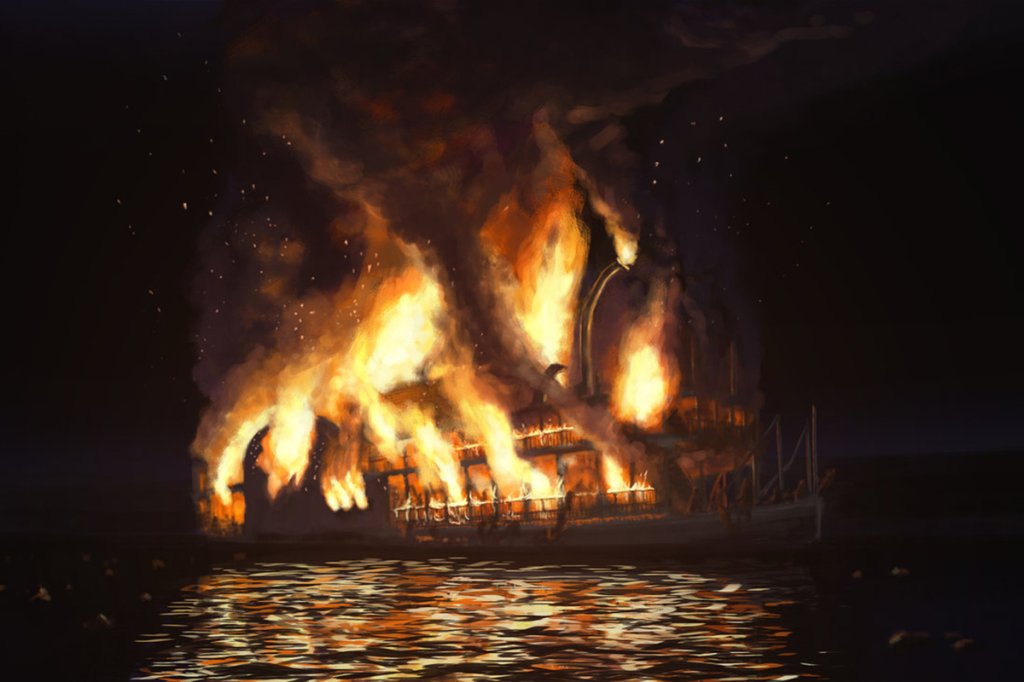
A gunboat retrieved Lugenbeal from the water. Others were not so lucky.
Initial estimates placed the number of dead at 1,700, but others later died from their injuries. People pulled bodies from the water for weeks.
Three military commissions investigated the tragedy, including the possibility that a Confederate bomb caused the explosion. They ruled out that theory, instead listing overcrowding and faulty boiler repairs among the official causes of the explosion.
The Sultana’s captain, Frederick Speed, was court-martialed and charged with neglect of duty. He was found guilty, but those charges eventually were overturned. Although the tragedy helped shape the Coast Guard’s marine safety regulations, no one was held culpable for the deadliest maritime disaster in U.S. history.
That was little consolation to the survivors, who never forgot the moment those boilers blew.
“The explosion came with a report exceeding any artillery that I had ever heard, and I had heard some that were very heavy at Gettysburg,” Union Pvt. Benjamin Johnston said.
Don’t Miss the Best of We Are The Mighty
• The Civil War started and ended at the same guy’s house
• This little-known disaster was the first to be called the ‘Second Pearl Harbor’
• The WWII bombardier whose family spent 12 years bringing him home from the ocean floor
Featured