
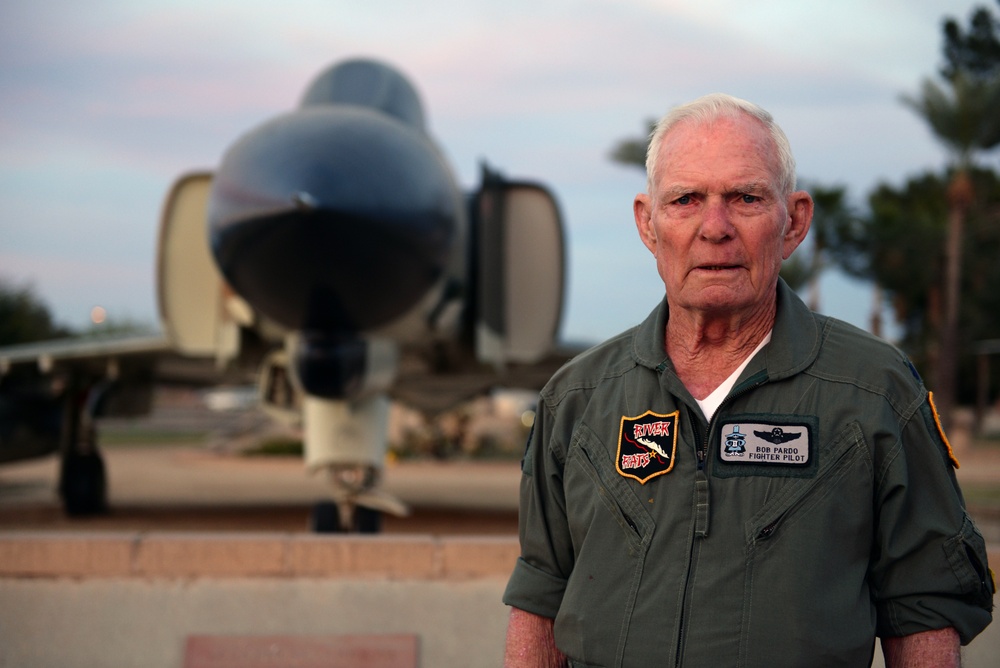
Air Force Lt. Col. John Pardo is famous for performing “Pardo’s Push.” While piloting an F-4 Phantom II fighter jet over North Vietnam, Pardo used his aircraft to physically push his wingman’s damaged F-4 out of enemy territory. The maneuver became legendary in the aviation community and was even paid homage in the TV show JAG.
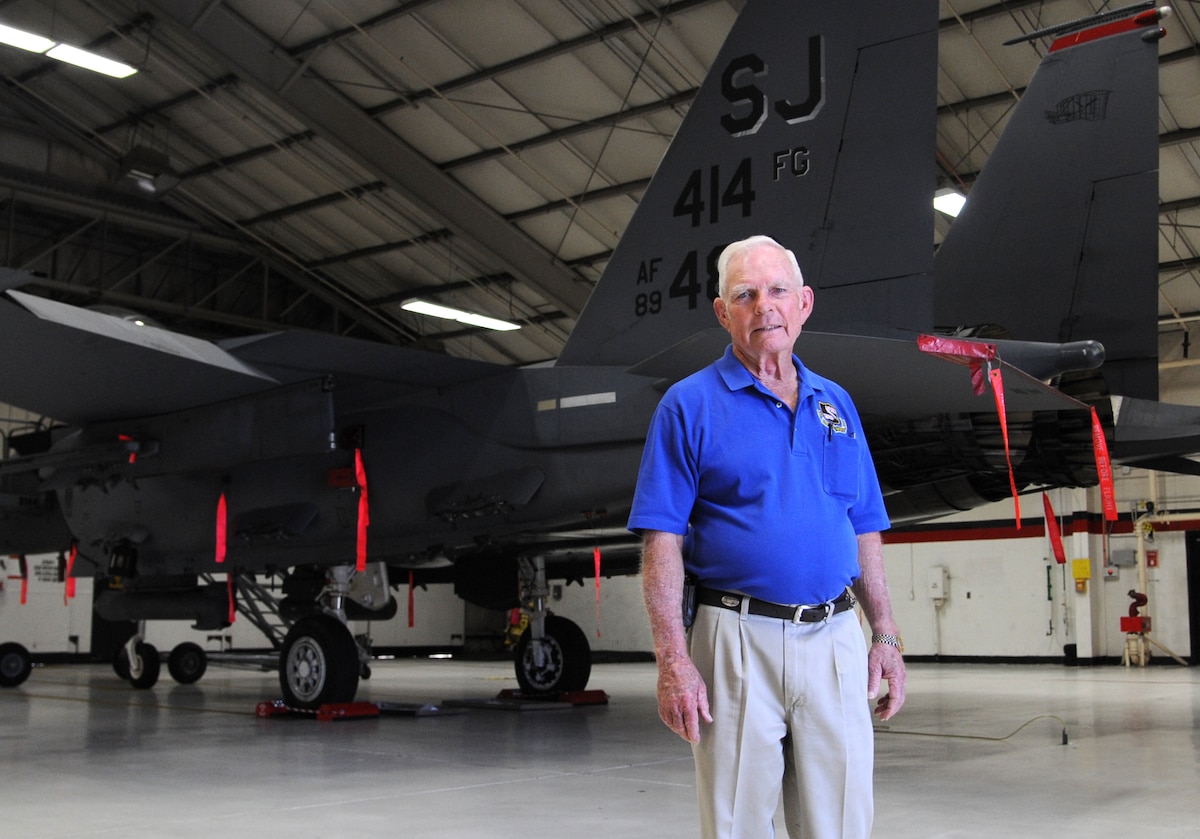
Pardo was born on March 10, 1934 in Waco, Texas. On February 13, 1954, he enlisted in the Air Force’s Aviation Cadet Program. He commissioned as a 2nd Lieutenant and was awarded his pilot’s wings on May 15, 1955. Upon completion of gunnery school and F-84 Thunderjet Combat Crew Training, Pardo was stationed at England Air Force Base, Louisiana, in January 1956. Three months later, he was reassigned to RAF Woodbridge, England, and transitioned to the F-100 Super Sabre.
In June 1959, Pardo returned to the United States and attended Weapons Controller School at Tyndall AFB, Florida. He subsequently served as a Weapons Controller at MacDill AFB, Florida, and Maxwell AFB, Alabama until July 1961. Reaching the rank of captain, Pardo transitioned to the F-102 Delta Dagger and flew at Richards Gebaur AFB, Missouri, until December 1964. He served as an F-106 Delta Dart pilot at Loring AFB, Maine, from December 1964 to March 1966.
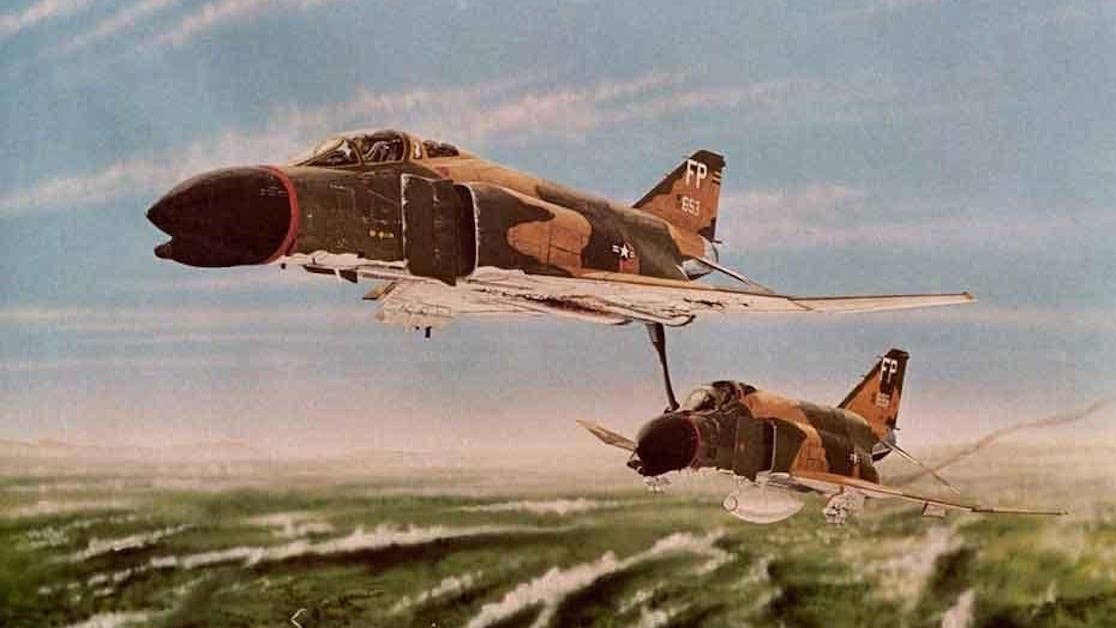
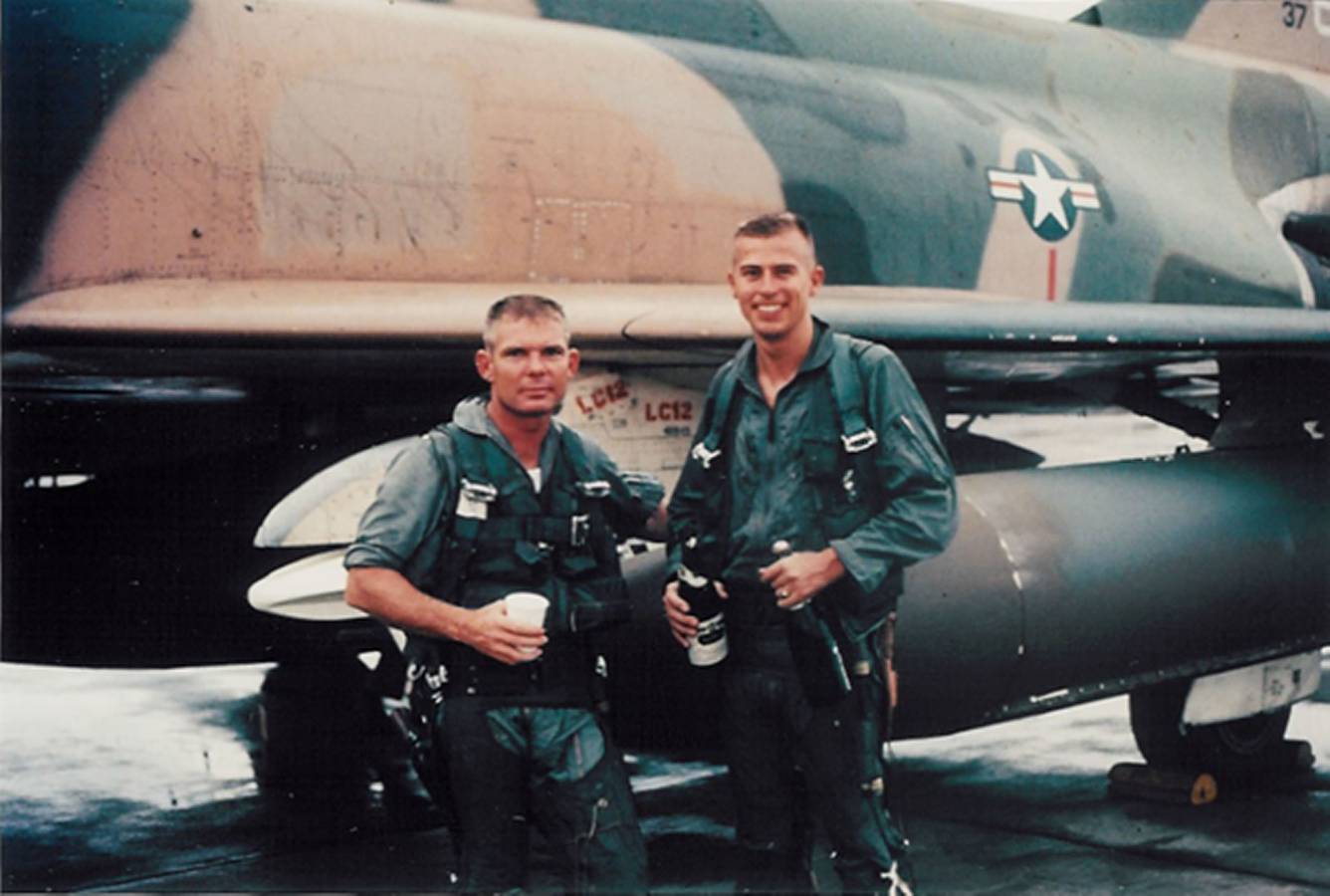
In 1966, Pardo transitioned to the F-4 and was assigned to the 433rd Tactical Fighter Squadron of the 8th Tactical Fighter Wing at Ubon Royal Thai AFB, Thailand in November. On March 10, 1967, he performed his famous push with the tail hook of his wingman’s plane resting on his F-4’s windscreen. During his tour in Vietnam, Pardo was also credited with one aerial kill.
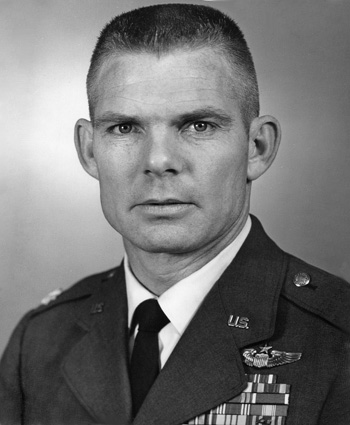
From September 1967 to September 1969, Pardo served at RAF Bentwaters, England. After, he attended Weapons Instructor School at Davis Monthan AFB, Arizona, and completed his final assignment as an instructor and flight commander at the Central Instructors School at Luke AFB, Arizona. Pardo retired from the Air Force on March 1, 1974. Pardo was initially reprimanded for damage to his aircraft which resulted from pushing his wingman’s F-4. This remained on his record through his Air Force career. It wasn’t until 1989 that the event was re-examined and Pardo was awarded the Silver Star.