As the United States prepares to celebrate 250 years of independence, it is a moment to reflect on the courage, ingenuity, and determination that forged a nation. From the first shots at Lexington and Concord to the decisive battles that won freedom, the Revolutionary War was shaped not only by grand armies and epic clashes, but also by smaller, elite units whose skills could turn the tide of battle.
Among these, few were as remarkable as Daniel Morgan’s Riflemen, America’s original scout snipers. These frontier sharpshooters redefined warfare in their era, employing precision, stealth, and tactical brilliance to strike fear into British officers and secure victories that laid the foundation for the United States.
Related: This daring ruse turned the tide of the American Revolution
In the sweeping saga of the American Revolution, amid the thunder of muskets and the smoke of cannon fire, Morgan’s Riflemen stood apart. More than soldiers, they were symbols of the American spirit: resourceful, determined, and deadly accurate.
By combining their deep knowledge of the wilderness with innovative battlefield tactics, they became a decisive force at battles like Saratoga and Cowpens, demonstrating that skill and strategy could rival sheer numbers. As we honor America’s 250th anniversary, their story reminds us that the fight for independence was as much about ingenuity and precision as it was about courage and valor.
Daniel Morgan’s Riflemen left an indelible mark on the struggle for independence.
Recruitment
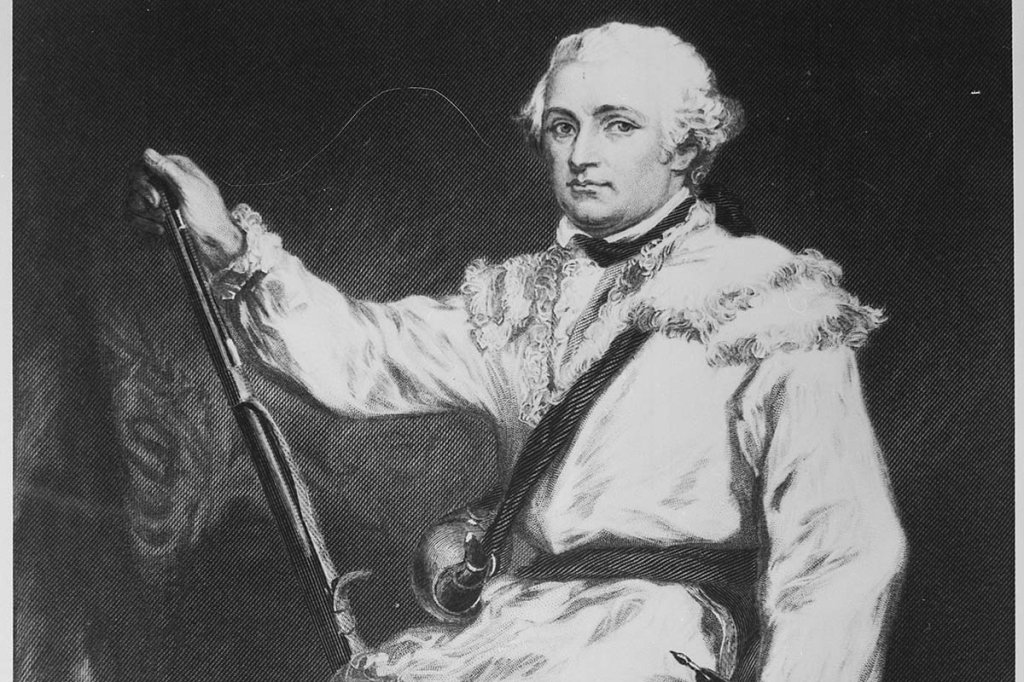
Daniel Morgan, a veteran of frontier life and an experienced soldier, understood the value of unconventional warfare. Before the revolution, Morgan had been a surveyor, trader, and militia officer, with a deep familiarity with hunting, tracking, and long-range shooting. When the call for independence rang across the colonies, Morgan leveraged these skills for military advantage.
In 1775, Morgan began recruiting men for what would become a legendary unit. Unlike the traditional Continental Army, which was often inexperienced in marksmanship, Morgan’s recruits were drawn from the rugged backcountry of Virginia and the western frontier. These men were skilled woodsmen, hunters, and marksmen accustomed to surviving in harsh terrain and to relying on precision rather than sheer volume of fire. Morgan raised about 96 men, carefully selecting those who could operate independently, move stealthily, and strike with lethal accuracy.
This recruitment strategy set Morgan’s Riflemen apart from the average Continental soldier. Whereas ordinary infantry relied on massed volleys of musket fire, often inaccurate beyond 50-70 yards, Morgan’s men brought a different skill set and discipline in single-shot precision. Each rifleman was trained to engage targets with patience and accuracy, and each man knew the terrain as intimately as his own hand.
Distinctive Hunting Shirts
Morgan’s Riflemen were not only lethal but also visually striking. They wore hunting shirts and leggings, a far cry from the standardized coats and tricorn hats of the British regulars or the Continental line infantry. While practical for woodland operations, this attire also created a psychological impact. The loose, comfortable shirts allowed for greater mobility and ease of movement, essential for stalking targets and navigating rough terrain. The leggings protected the legs from thorns, brush, and undergrowth, enabling the riflemen to operate in the dense forests of the colonies where conventional troops struggled.
The British were unnerved by this unconventional appearance. Unlike the predictable formations of regular infantry, Morgan’s men moved through the woods almost invisibly, their hunting shirts blending with the forest. To the enemy, they seemed to appear from nowhere, strike with deadly precision, and vanish just as quickly. They were a living embodiment of guerrilla warfare long before the term became common.
The Long Rifle Advantage
Morgan’s Riflemen carried rifles, specifically the Pennsylvania or Kentucky long rifles, which were far superior to the standard smoothbore muskets used by both British and Continental forces. Unlike muskets, which were inaccurate and required frequent reloading, these weapons had rifled barrels that imparted spin to the bullet, drastically improving accuracy and range.
This technological edge was transformative. With the long rifle, Morgan’s sharpshooters could engage officers and key personnel from a distance that rendered return fire ineffective. Unlike traditional infantry, which relied on massed attacks, these riflemen relied on skill and strategy. Each shot counted, and each rifleman became a single-man artillery piece capable of shaping the battlefield.
Precision in Action

Daniel Morgan: The Revolutionary War in Four Minutes
They were essentially America’s first tactical snipers. Their primary mission was to target high-value enemy personnel—British officers, artillery crews, and key soldiers whose loss could disrupt command and control. By focusing on officers, they created chaos within the enemy ranks, forcing the British to move cautiously, rethink formations, and experience lowered morale.
The psychological impact was profound. While conventional troops struggled to maintain lines under massed musket fire, Morgan’s sharpshooters could silently and lethally dismantle leadership with a single, well-aimed shot.
In an era dominated by linear warfare, where battlefields were designed for formation fighting and volley fire, Morgan’s Riflemen demonstrated the power of targeted, precision engagement. Used to facing uniformed infantry lines, the British commanders found themselves harassed and unnerved by a small, agile, and invisible force that seemed to strike at will.
Mobility and Hardiness
Morgan’s men were as mobile as they were lethal. From the early days of the war, they marched rapidly to Boston to support the siege operations and later joined Benedict Arnold on the grueling Quebec expedition. Their hardiness was unmatched; accustomed to frontier life, they could endure harsh weather, scarce supplies, and long marches that would have broken less seasoned troops.
Their mobility and endurance allowed them to act as a rapid-response force, striking at opportune moments and withdrawing before the enemy could counterattack. This ability to move quickly and remain effective under challenging conditions made them a force multiplier on the battlefield, capable of creating outsized effects relative to their small numbers.
The Battle of Saratoga
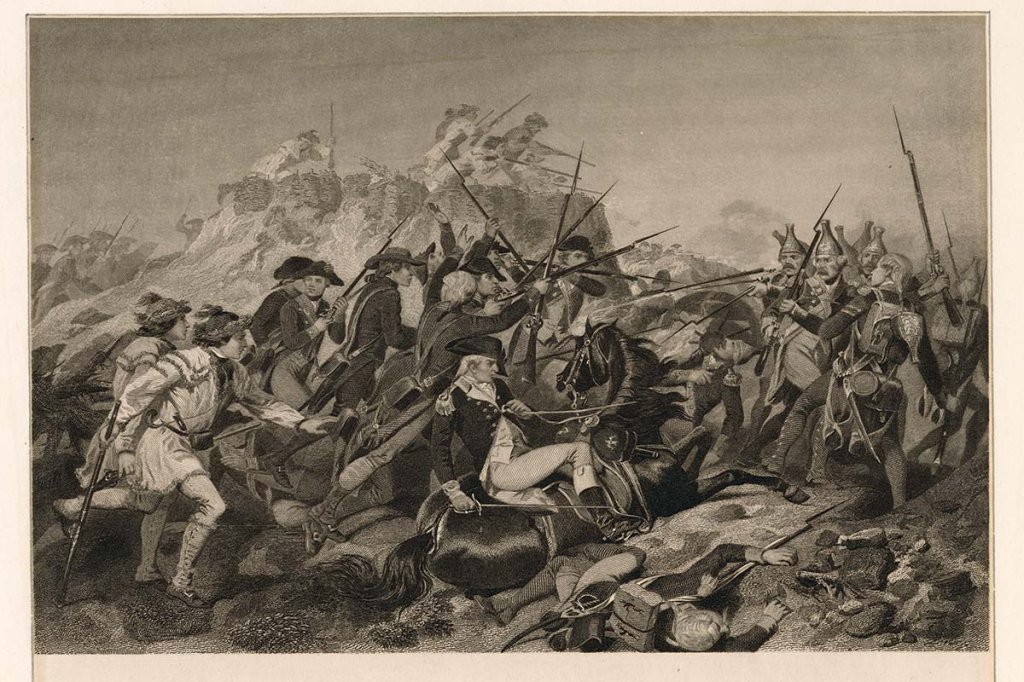
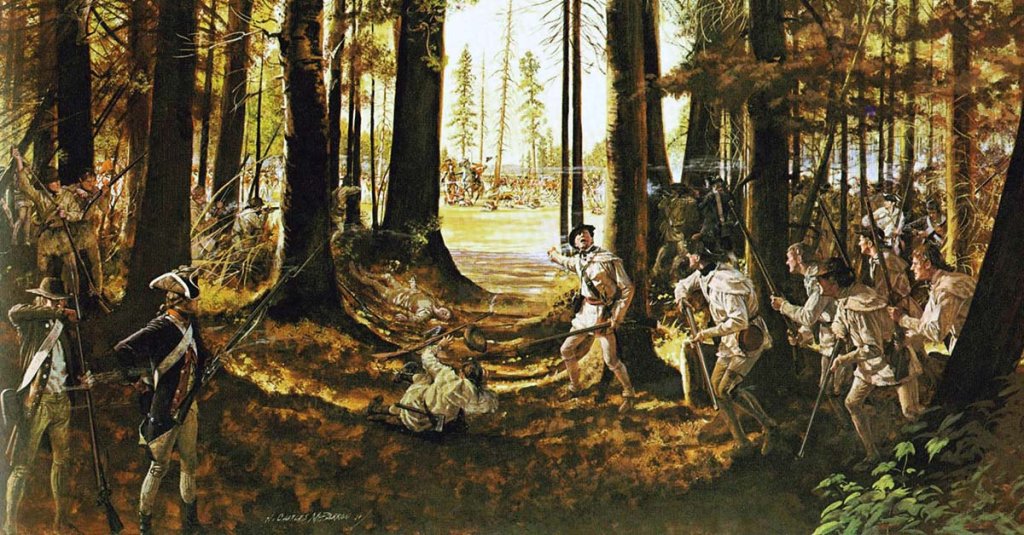
One of the most celebrated engagements involving Morgan’s Riflemen was the Battles of Saratoga in 1777. Facing Gen. John Burgoyne’s well-equipped British army, Morgan recognized the potential of his riflemen to shape the outcome. During the battle, his sharpshooters were deployed to target officers and disrupt formations, most famously inflicting losses on the British through the precise targeting of Gen. Simon Fraser.
Morgan’s men were positioned in forests and behind natural cover, picking off officers who attempted to rally their troops. The effect was devastating. British command and control broke down as officers fell one by one, leaving soldiers disoriented and vulnerable. The riflemen’s harassment forced the British into defensive postures, buying precious time for Continental troops to execute coordinated maneuvers.
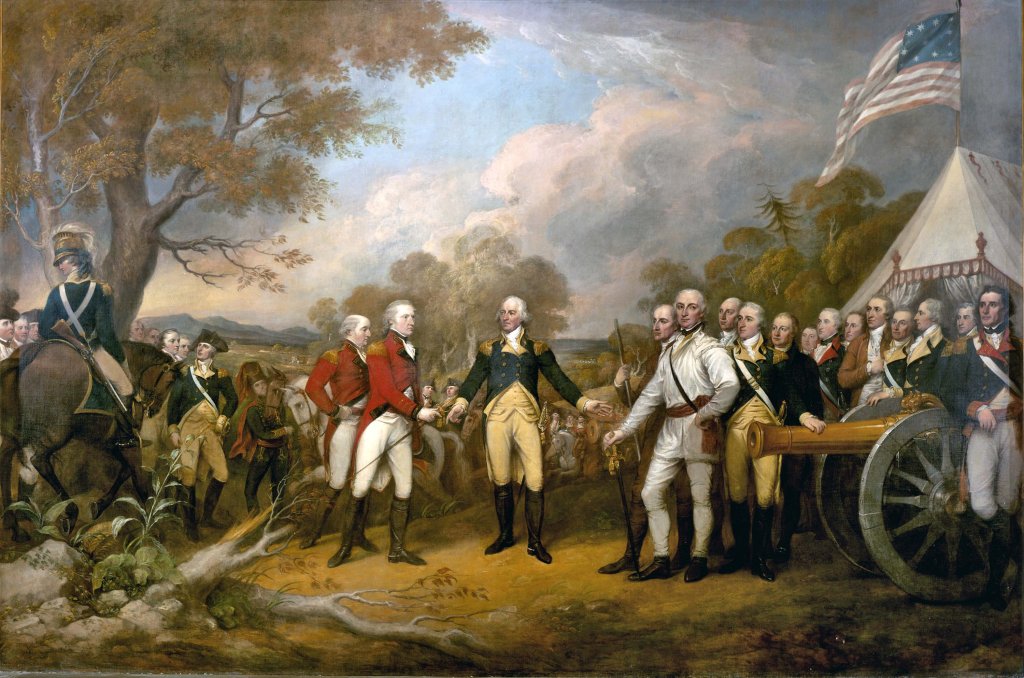
The impact of Morgan’s Riflemen at Saratoga cannot be overstated. Their ability to strike selectively at key targets directly contributed to Burgoyne’s army’s surrender, a pivotal moment in the Revolution that boosted American morale and secured crucial French support.
The Battle of Cowpens
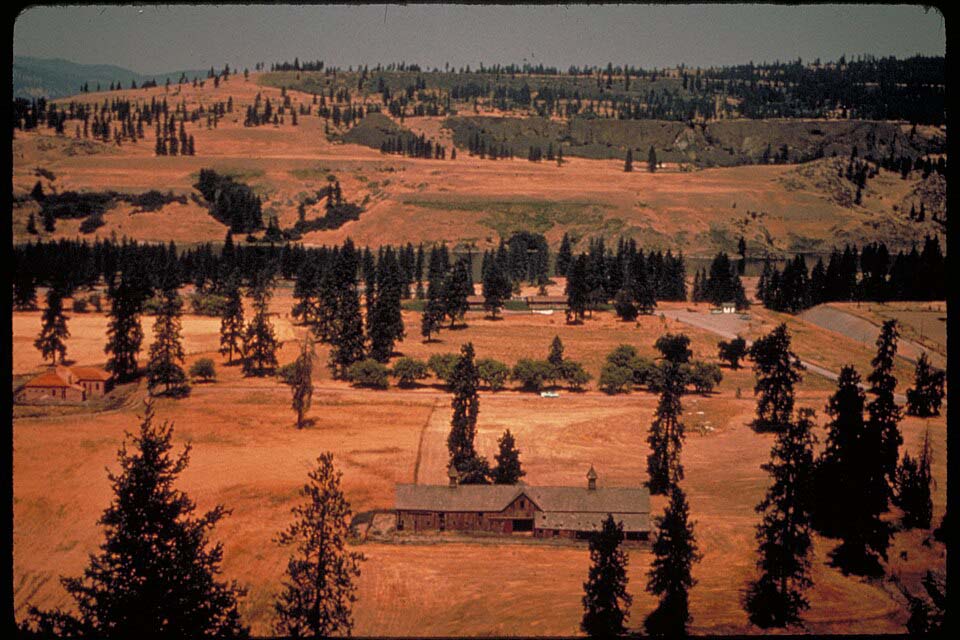
In 1781, Morgan would again demonstrate his tactical brilliance at the Battle of Cowpens. In this Southern campaign, the riflemen played a central role in a carefully orchestrated double envelopment that decimated British forces under Col. Banastre Tarleton. Morgan positioned his riflemen strategically on the flanks and in forward positions, where they could pick off officers and key soldiers, softening the enemy before the main Continental and militia forces engaged.
The riflemen’s firepower created confusion among Tarleton’s troops, disrupting the disciplined advance of the British lines. As the Continental regulars and militia executed Morgan’s feigned retreat and counterattack, the riflemen continued to inflict targeted losses, tipping the balance in favor of the Americans. Cowpens became a masterclass in combined arms and tactical ingenuity, with Morgan’s Riflemen at its core.
Elite Status and Iconic Symbolism
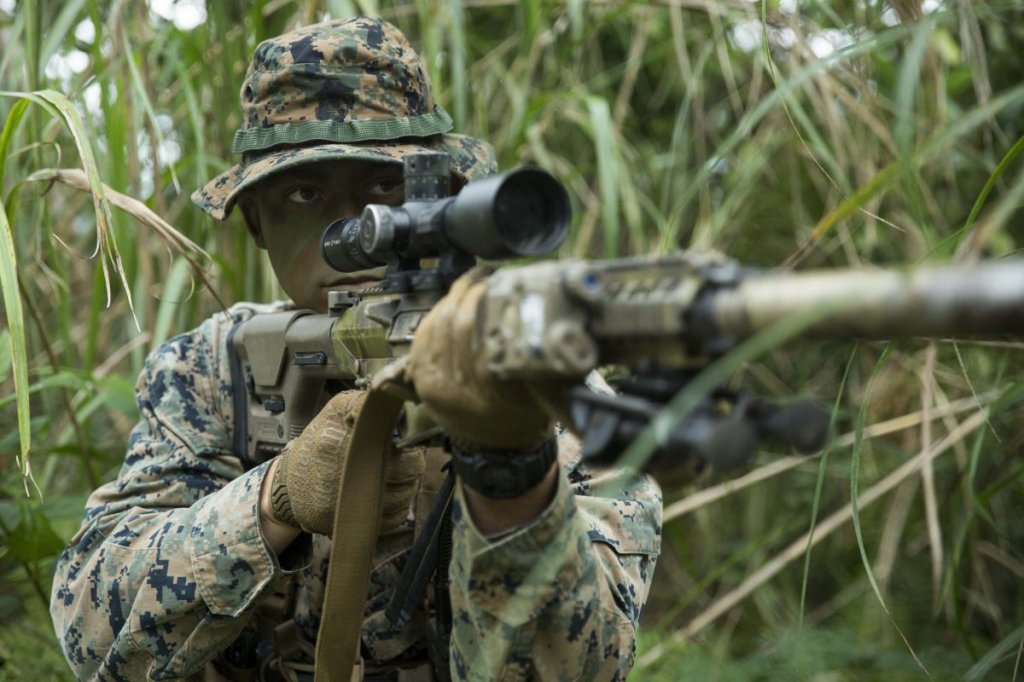
The introduction of Morgan’s Riflemen brought a significant strategic advantage to the American cause.
At a time when the Continental Army often lacked numerical superiority and resources, the riflemen provided a force multiplier. Their rifles could reach far beyond the enemy’s musket range, enabling precision attacks that regular infantry could not achieve. This range advantage allowed the Americans to engage the British on their terms, forcing them to adapt to a new kind of warfare that favored skill and stealth over brute force.
Morgan’s Riflemen quickly gained a reputation as elite warriors. They became an iconic symbol of American frontier skill and ingenuity, demonstrating that a small, highly trained, and motivated unit could exert a disproportionate influence on the battlefield. Beyond their physical impact, they inspired the broader Patriot forces, showcasing the value of adaptability, initiative, and specialized training.
The riflemen’s effectiveness also had a psychological dimension. Accustomed to the predictable patterns of conventional warfare, British soldiers found themselves hunted and harassed in a style that undermined their confidence and morale. Morgan’s men proved that American ingenuity, combined with frontier expertise, could match and even surpass the professional soldiers of the British Empire.
Their legacy lives on in the modern U.S. military scout sniper programs. Today’s Marine and Army snipers continue the tradition of precision marksmanship, reconnaissance, and battlefield disruption, building on the same principles that Morgan and his riflemen demonstrated more than two centuries ago.
The discipline, patience, and skill of contemporary scout snipers are a direct reflection of the ingenuity and courage pioneered by Daniel Morgan’s Riflemen, proving that the frontier spirit of America’s Revolution endures in every shot taken by the elite marksmen of today.