The American Revolution is often remembered through iconic images of George Washington crossing the Delaware or the dramatic surrender at Yorktown. Yet beneath these defining moments lay a complex web of leadership, endurance, and strategic insight that sustained the Patriot cause through years of hardship.
Related: Daniel Morgan’s Revolutionary War riflemen were America’s original scout snipers
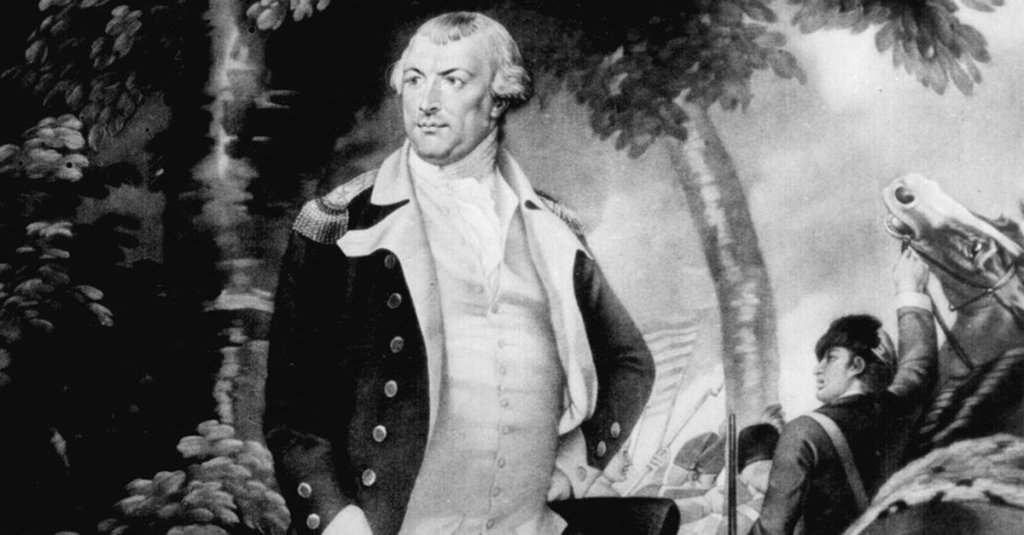
Among the men who made independence possible, Nathanael Greene stands as one of the most important and least fully appreciated figures. Trusted deeply by Washington and admired by allies and adversaries alike, Greene emerged from humble beginnings to become the revolution’s most effective strategist. His mastery of logistics, maneuver, and long-term warfare reshaped how the Continental Army fought and ultimately won the war.
Greene was born in 1742 in Warwick, Rhode Island, to a Quaker family. His upbringing emphasized discipline, hard work, and moral restraint rather than martial ambition. Greene was not raised to be a soldier. He received a modest education and worked in his family’s iron foundry, where he developed a keen understanding of supply, labor, and production.
These early experiences would later prove invaluable. Despite Quaker opposition to warfare, Greene developed an intense interest in military history and theory, reading extensively on ancient and modern campaigns. By the time the revolution erupted, he possessed a self-taught but formidable grasp of strategy.
A Quick Rise in the Continental Army
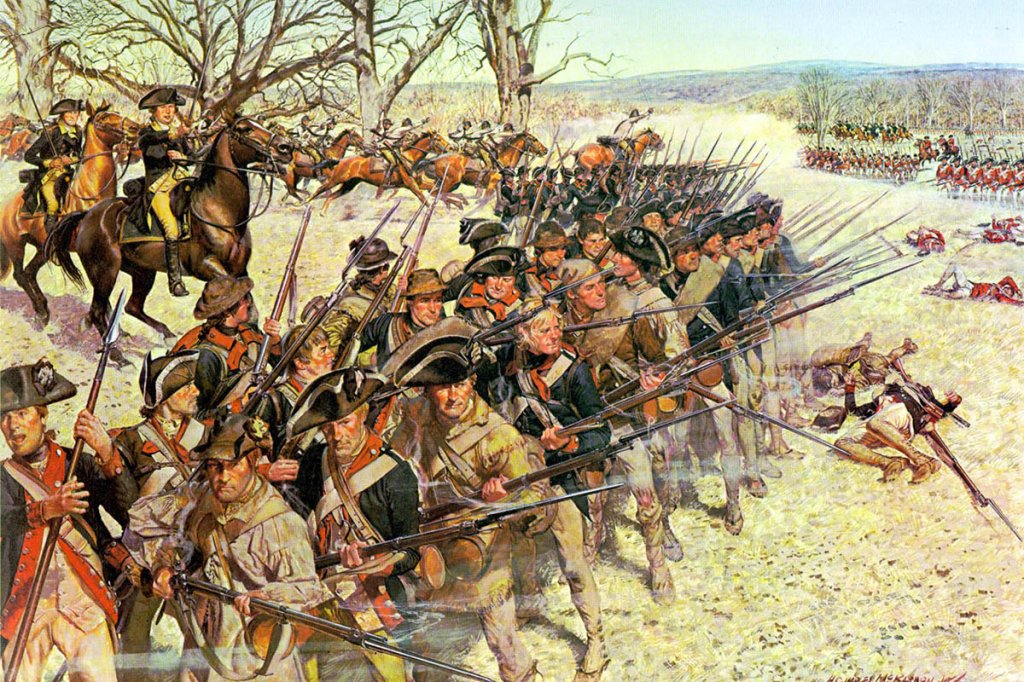
When the war began in 1775, Greene joined the Rhode Island militia and quickly distinguished himself through intelligence and reliability. George Washington noticed Greene early and recognized in him a rare combination of intellect and humility.
Unlike many officers who sought glory or political advantage, Greene focused on results. Washington appointed him a brigadier general in 1775 and later promoted him to major general, making him one of the youngest senior officers in the Continental Army.
Greene’s early service included major roles around Boston and New York. He commanded troops during the defense of Long Island and was injured at Harlem Heights, which prevented him from fully participating in the Battle of Long Island. Nevertheless, Washington came to rely on Greene not only as a battlefield commander but as a trusted adviser. Greene’s correspondence reveals a sharp analytical mind and a willingness to question assumptions.
He understood that the American war effort could not mirror European models of warfare. The Continental Army lacked the manpower, supplies, and financial backing of the British Empire. Victory would depend not on crushing defeats but on endurance.
Master of Logistics and Organization
Perhaps Greene’s most overlooked contribution came through logistics.
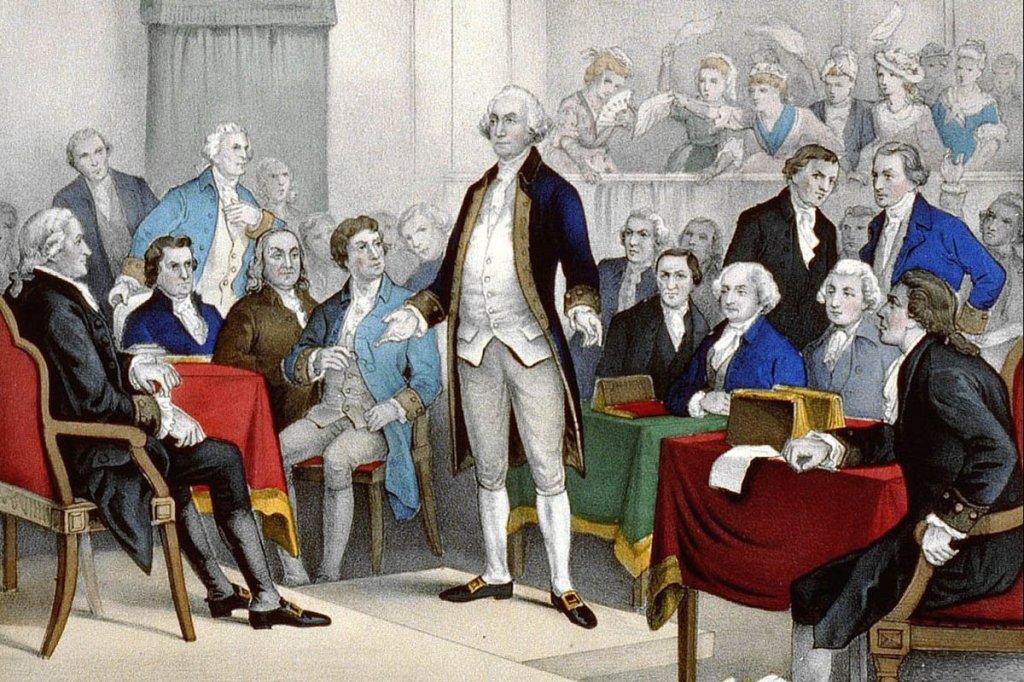
In 1778, Washington appointed him quartermaster general, a role often regarded as administrative rather than heroic. Greene transformed it into a strategic instrument. He reorganized supply networks, improved transportation, and stabilized provisioning during some of the army’s darkest periods. Although he disliked the position and eventually resigned, his work kept the army alive. Greene understood that wars were won as much by bread and shoes as by bullets and bayonets.
This experience deepened Greene’s appreciation for the realities of war. He learned how fragile armies were and how easily poor supply could undo battlefield success. These lessons would shape his approach to command when he was later given responsibility for the Southern Department.
A Shattered Southern Army
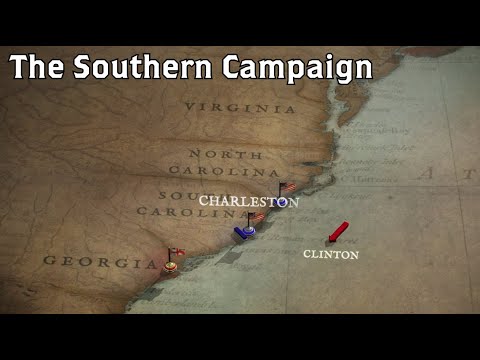
The Revolutionary War in the South: Animated Battle Map
Greene’s true genius emerged in the Southern Campaign.
By 1780, the American position in the South was dire. British forces had captured Savannah and Charleston, inflicting massive losses. Two American armies had been destroyed at Charleston and Camden. Morale was shattered, militias were scattered, and British Gen. Charles Cornwallis appeared close to crushing organized resistance. In this moment of crisis, Washington made one of his most important decisions by appointing Greene as commander of the Southern Department.
Greene inherited an army in ruins. His force numbered only a few thousand men, many poorly equipped, unpaid, and exhausted. Supplies were scarce, local support was uncertain, and the British controlled key cities. Cornwallis commanded a professional army with experienced officers and loyalist support.
Many observers expected Greene to fail. Instead, he reimagined how the war in the South would be fought.
A Strategy of Exhaustion
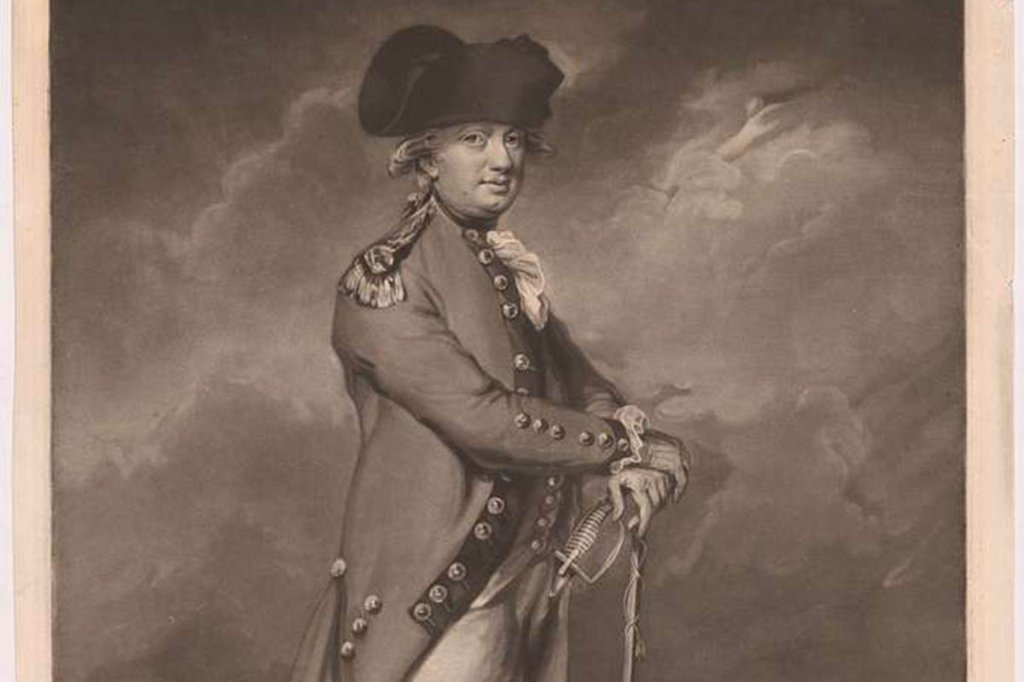
Rather than attempting to defend territory or seek a decisive engagement, Greene adopted a strategy of exhaustion.
He recognized that Cornwallis’ army, though powerful, was operating far from its supply bases. Every mile marched inland strained British logistics. Greene divided his forces to confuse the enemy and force Cornwallis to pursue multiple threats. This decision was risky, but it reflected Greene’s confidence in mobility and intelligence.
One of Greene’s first major decisions was to send Daniel Morgan west with a detached force. This move led directly to the Battle of Cowpens in January 1781. Morgan’s stunning victory destroyed a significant British detachment and shattered the myth of British invincibility in the South. Although Greene was not present at Cowpens, his strategic vision enabled the battle to occur. He immediately recognized the danger of British retaliation and ordered a rapid retreat northward.
The Race to the Dan and Strategic Retreat

The Race to the Dan River of 1781 | Revolutionary War North Carolina
What followed became known as the Race to the Dan. Greene conducted a masterful retreat across the Carolinas, staying just ahead of Cornwallis while denying him the opportunity to bring Greene’s army to battle. Rivers were crossed, supplies destroyed, and British troops exhausted.
Greene’s army grew stronger with reinforcements while Cornwallis’ force weakened with every mile marched. The retreat was not a sign of weakness but an assertion of control. Greene dictated the tempo of the campaign.
When Greene finally chose to fight at Guilford Courthouse in March 1781, he did so on his own terms. The battle itself was technically a British victory, as Greene withdrew from the field. Yet Cornwallis suffered devastating casualties. British losses were so severe that Cornwallis was forced to abandon the interior and retreat toward the coast.
Greene had achieved exactly what he intended by trading ground for blood and time.
Reclaiming the South
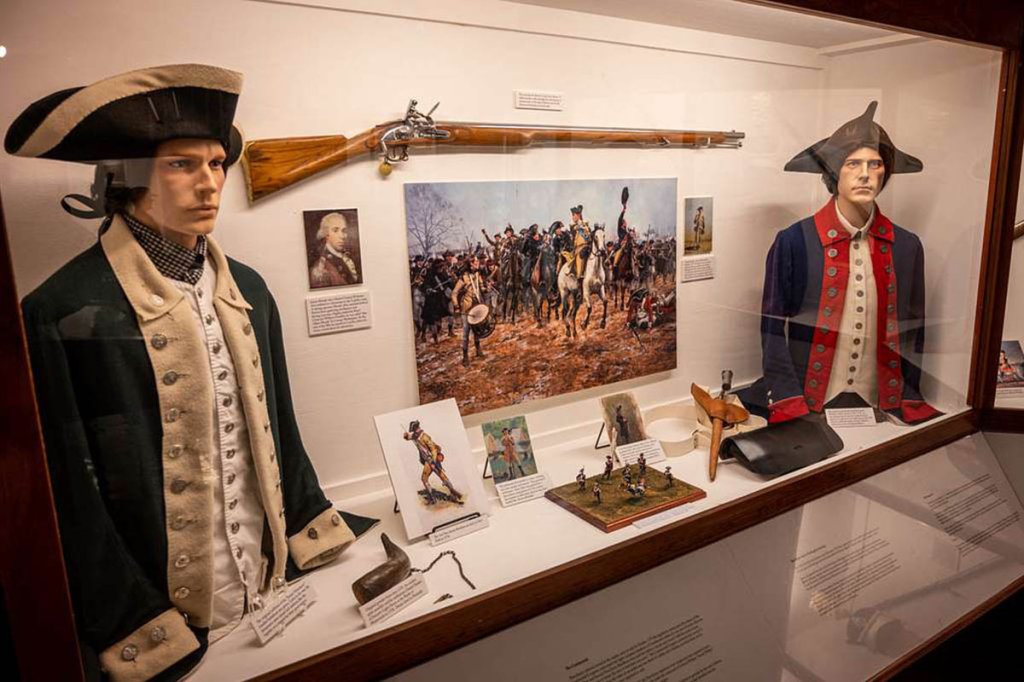
Greene then pivoted southward, reclaiming territory rather than chasing Cornwallis.
This decision demonstrated his strategic independence and confidence. While Cornwallis moved toward Virginia, Greene dismantled British control in the Carolinas and Georgia through a series of engagements, including Hobkirk Hill and Eutaw Springs. These battles were often hard-fought and tactically ambiguous, but strategically decisive. British forces found themselves confined to coastal enclaves, isolated and unable to project power inland.
The Battle of Eutaw Springs in September 1781 marked the culmination of Greene’s Southern Campaign. Though the battle ended without a clear tactical winner, British casualties were heavy, and their ability to operate in the South was effectively destroyed. Greene had succeeded in wearing down an enemy superior in numbers through patience, adaptability, and relentless pressure.
The Road to Yorktown
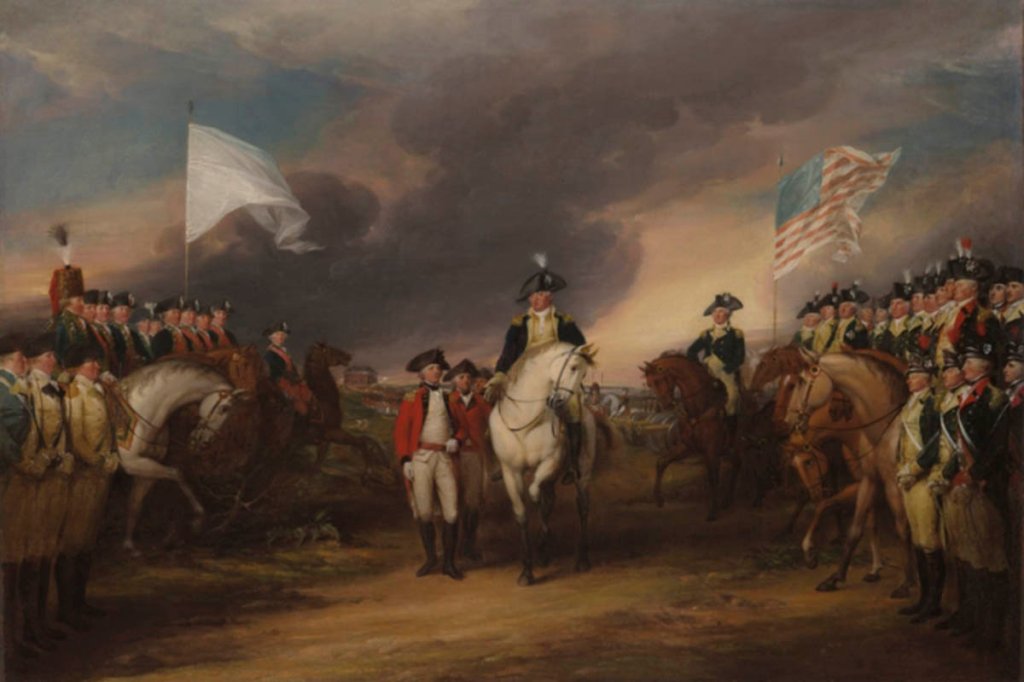
Cornwallis’ decision to move into Virginia would have profound consequences. There, he encountered Washington’s main army and the French forces under Rochambeau. Trapped at Yorktown by land and sea, Cornwallis surrendered in October 1781. While Greene was not present at Yorktown, his campaign made that victory possible. By draining British strength in the South and forcing Cornwallis northward, Greene shaped the final act of the war.
Washington’s admiration for Greene was profound. He once wrote that Greene was second to none in military ability. This was not idle praise. Greene embodied the kind of leadership Washington valued most. He was steady under pressure, intellectually rigorous, and committed to the larger cause rather than personal fame.
Personal Sacrifice and Lasting Legacy
Greene’s personal life reflected the sacrifices of the Revolution. He spent much of his own money supporting the army and died deeply in debt. After the war, he settled in Georgia, where he died in 1786 at the age of 43. His early death limited his postwar influence and contributed to his relative obscurity in popular memory.
Yet Greene’s legacy endures in the principles of warfare he demonstrated. He showed that strategy is not about winning every battle but about achieving lasting results. He understood that time could be a weapon, that retreat could be a form of strength, and that logistics were inseparable from combat. His approach anticipated modern concepts of asymmetric warfare and long-term conflict.
The Strategist Who Won the Long War
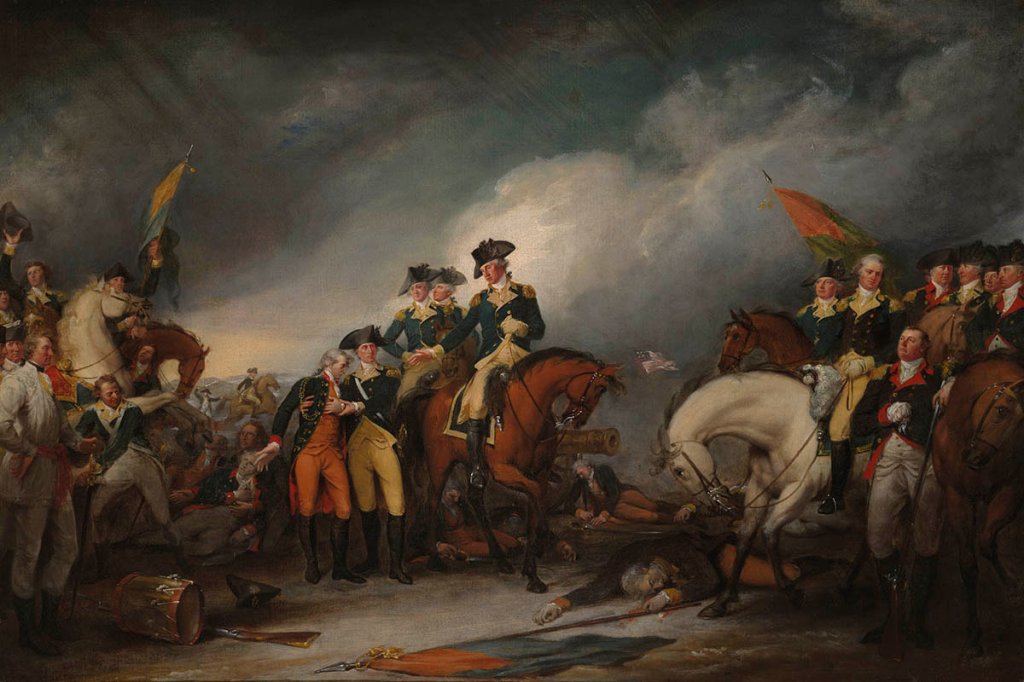
Nathanael Greene was not a dramatic figure in the traditional sense. He did not deliver soaring speeches or seek the spotlight. His genius lay in clarity of thought and disciplined execution. In a revolution that depended on resilience as much as courage, Greene provided the intellectual backbone that sustained the fight.
The American Revolution was not won by a single battle or a single leader. It was won through a network of commanders who understood their limitations and adapted accordingly. Among them, Greene stands apart as the strategist who mastered the long game. His Southern Campaign effectively broke British power where it mattered most and ensured that independence was not merely declared but secured.
In remembering Greene, we remember that revolutions are not won by impulse alone. They are won by patience, foresight, and the willingness to endure hardship in pursuit of a greater future. Greene’s life and service remain a testament to the power of strategic thinking in shaping the course of history.