On March 11, 1944, anti-aircraft fire struck a B-24D Liberator bomber, causing to crash off Papua New Guinea.
Eleven airmen, including 2nd Lt. Thomas Kelly Jr., were on board the Heaven Can Wait. After an extensive search couldn’t locate their remains, the American Graves Registration Service deemed them unrecoverable in 1950.
Related: This is how the ‘missing man formation’ honors fallen pilots
It is likely they would have remained so, if not for the dogged persistence of Kelly’s family. On Memorial Day 2013, Scott Althaus became intrigued with learning more about his relatives who served in the U.S. military. That curiosity led him to focus on Kelly, and eventually a small army of other relatives joined Althaus in solving the mystery.
It required 12 long years for their determination to be rewarded.
Starting with Very Little
Althaus, a political science professor at the University of Illinois, is also the director of the school’s Cline Center for Advanced Social Research.
Because of his day job, he is familiar with the intricacies of navigating his way around a database. That skill proved especially useful in his hunt for more details about Kelly, because at the start, he knew very little. He wasn’t aware of Kelly’s name, much less other information such as the bomber’s name, crash details, or where the Heaven Can Wait went down, according to Project Recover, a nonprofit organization that locates and recovers U.S. service members missing in action.
His family’s assistance and support were godsends.
After poring through World War II records, the family acquired Individual Deceased Personnel Files for Kelly and the pilot, 1st Lt. Herbert Tennyson. From those documents, the family located eyewitness reports, along with maps and the official Missing Air Crew Report.
More database searches followed, but Althaus, et al., still lacked a key piece of information. They had no clue from what direction the attack occurred. Without that, they couldn’t pinpoint a location.
The next step required going to Memphis, Tennessee.
A Fruitful Road Trip
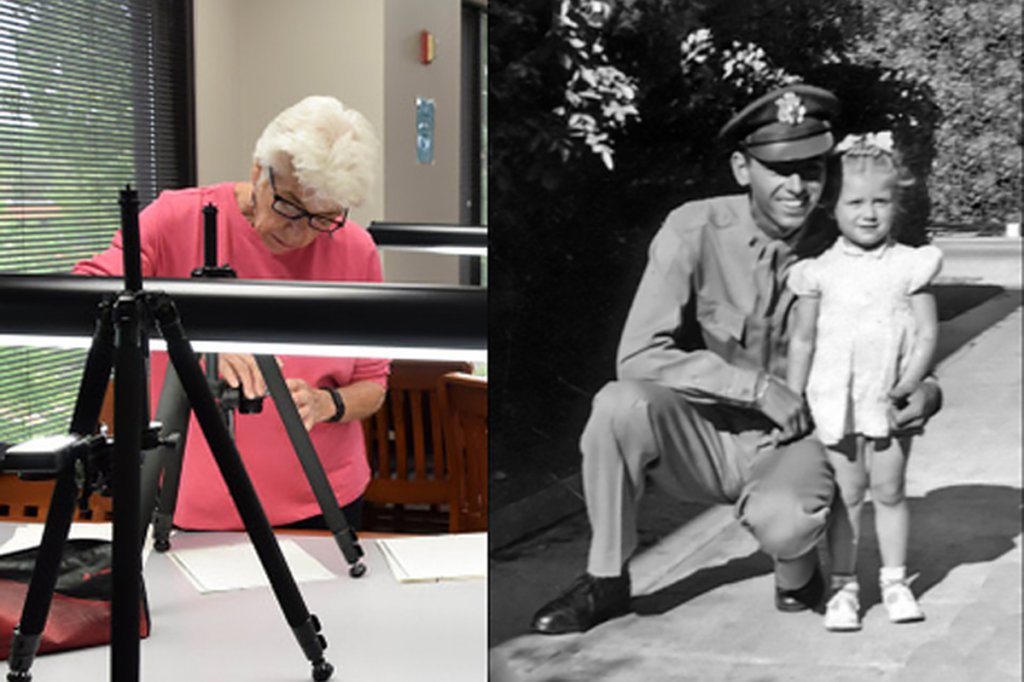
Kelly was assigned to the 320th Bombardment Squadron, 90th Bombardment Group, 5th Air Force when he died. It was to his family’s everlasting good fortune that military veteran Wiley Woods had compiled an extensive history of the 90th Bombardment Group, known as the Jolly Rogers. That included a searchable database.
Woods’ works were located at the University of Memphis, so four of Kelly’s relatives traveled there to learn more, according to Project Recover. Over a couple of days, they clicked 800 photos that showed what they hoped would be pertinent clues.
It was time well-spent as the Kelly family felt they had whittled down the actual crash site to three possible locations. Now three years into the search, Althaus participated in a video call with the BentProp Project, an organization that helps find World War II wrecks in the Palau Islands. (BentProp later became part of Project Recover.)
Althaus handed over what the family had discovered. The timing was perfect.
4 Sets of Remains Recovered
Kelly was never forgotten despite being MIA since World War II.
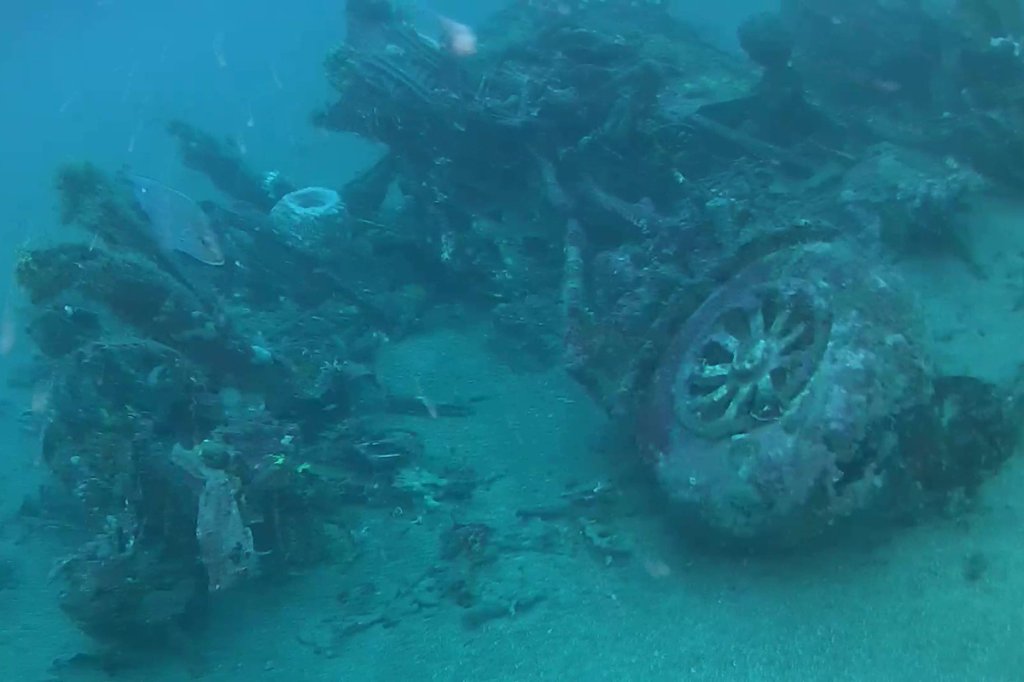
In October 2017, Project Recover found the wreckage of a B-24 aircraft 200 feet below the surface in Hansa Bay. Two years later, Defense POW/MIA Accounting Agency divers removed any unexploded ordnance from the area.
Over a five-week period in 2023, a recovery team recovered human remains and sent them on to the DPAA laboratory. The lab came back in September 2024 with positive identifications for Kelly. It also identified the remains of three other crew members: Tennyson, Staff Sgt. Eugene Darrigan, and 2nd Lt. Donald Sheppick.
“The phone call… from the Project Recover crew just awoke the range of emotions in me from exhilaration to profound grieving,” Althaus told Project Recover. “The exhilaration made sense, the grieving not so much.”
Family Receives Sense of Closure
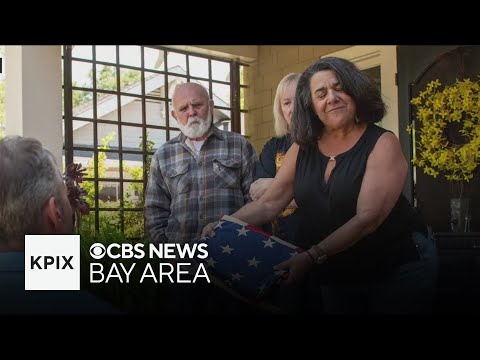
Beloved flag returned to family of Livermore WWII airman shot down in WWII
His parents were intent on keeping the memory of their son alive. His father even erected a flagpole in their front yard. Every day for years, the flag that the U.S. military had bestowed upon the family was put up in the morning and taken down at night.
After Kelly’s father died and the house was no longer in the family, the flag went missing. The deeply appreciative family finally recovered it on Memorial Day Weekend 2025, when the home’s current owner returned it.
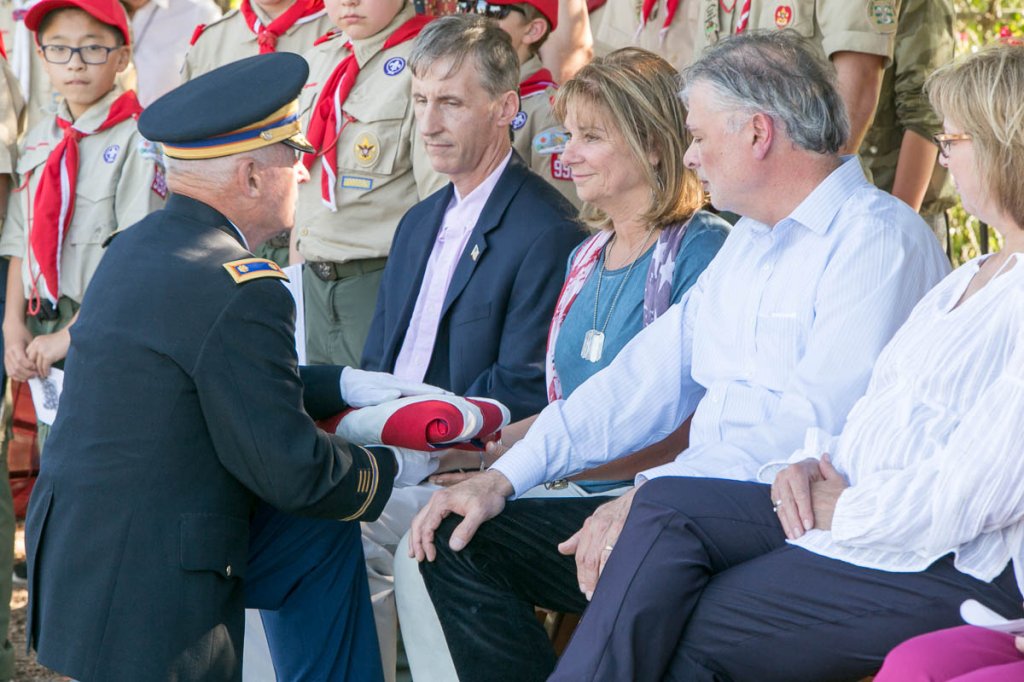
Kelly was buried next to his family and sisters in a cemetery plot near San Francisco on Memorial Day last year. It had been 12 years since Althaus first wondered about a service member he never knew.
He finally felt a sense of closure.
“I’m just so grateful,” Althaus said. “It’s been an impossible journey, just should never have been able to get to this day. And here we are, 81 years later.”