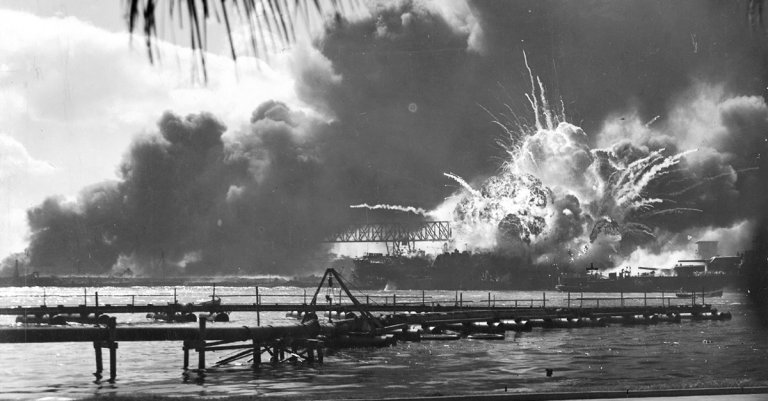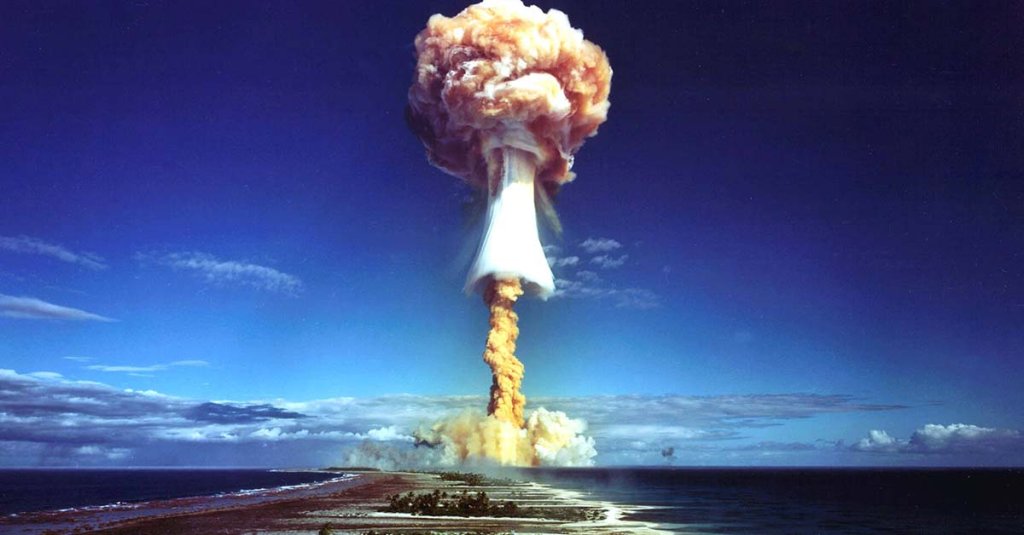
If World War II had played out a little differently, American vengeance for Pearl Harbor would have included an atomic bombing of “Japan’s Pearl Harbor” that killed the architect of the Pearl Harbor attack and devastated the Japanese fleet.
The History of the Atomic Bombs and Bombings
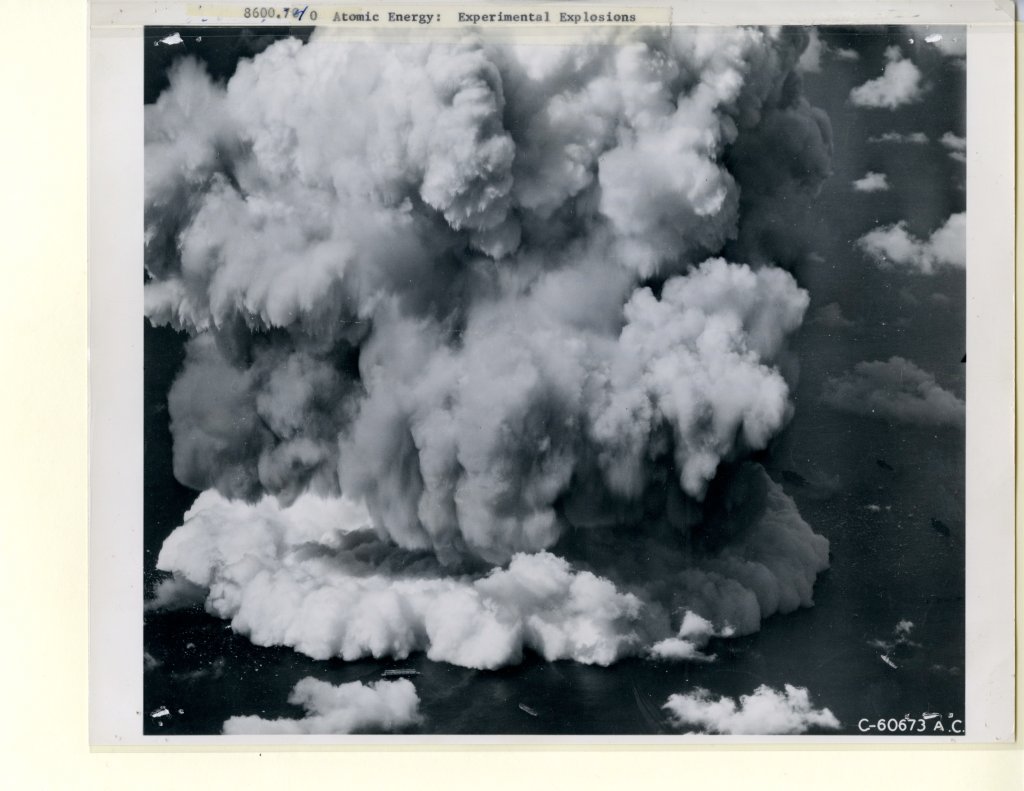
The actual atomic bombings of Hiroshima and Nagasaki were some of the final acts of World War II. Planners chose the city, in part, to trigger a Japanese surrender without an invasion of the home islands. But the selection of cities to showcase the power of the bomb was a decision made in 1945. For three years before that, a debate slowly grew about where to use the atomic bombs when they became available.
The Manhattan Project, after all, began in 1942, having grown out of decisions and research made in 1941.
President Franklin D. Roosevelt authorized the first major budget request for the project on June 17, 1942. At that time, Japan’s Pacific conquest was at nearly its peak. The United States had only won the Battle of Midway, its first major victory against Japan, less than two weeks prior. Planners had every reason to think the first atomic bombs would reach the front with years of fighting to go.
And so one of the tantalizing first targets floated in 1942 was the Truk Atoll, now known as Chuuk Lagoon.
One detail that probably appealed to officers thrust into World War II by the Japanese attack on Pearl Harbor just months earlier: Truk Atoll was the forward home to the Japanese Navy’s Combined Fleet, basically the Japanese version of Pearl Harbor. And the architect of the Pearl Harbor attack, Admiral Isoroku Yamamoto, moved his headquarters there in August 1942.
Truk Was a Hard Target
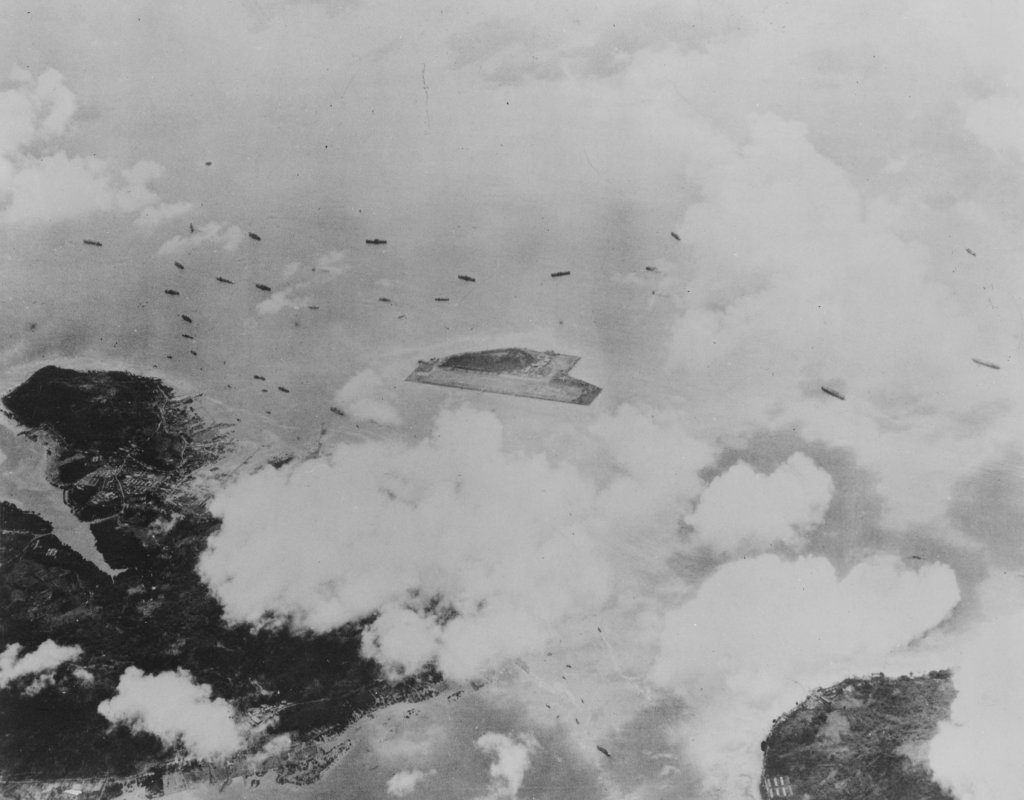
The Truk Atoll, now known as the Chuuk Lagoon, lies about 900 miles northeast of the main island of Papua New Guinea and 3,500 miles southeast of Hawaii. Japan used the atoll to help double its territory in 1942, reaching 7.4 million square miles, counting ocean it controlled. This represented the peak of Japanese-held territory.
The atoll was naturally defendable. A ring of coral made an amphibious assault extremely dangerous. The coral would force most landing craft to pass through easily defendable channels or else get stuck.
A naval assault would face similar issues. Ships ultimately needed to pass through the narrow channels or risk hull damage or running aground. Once an assault was through the coral, they would need to continue attacks on dozens of Japanese ships while also under attack from the Japanese airstrip on the atoll.
And this hard target was still 2,500 miles away from Midway Atoll.
Coincidentally, the B-29 Superfortress first flew in 1942 and eventually had a combat range of over 3,000 miles round-trip. So in 1942, atomic planners saw the tantalizing prospect that a suitable bomb and bomber could take off from Australia, absolutely devastate the Truk Atoll with a single bomb, and fly back. And that bomb might kill the architect of the Pearl Harbor attack, to boot.
So why don’t we talk about the atomic bombings of Truk Atoll?
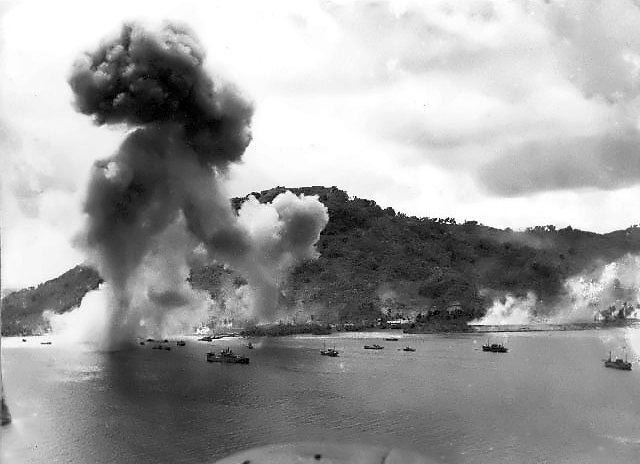
So why is Truk Atoll still around as Chuuk Lagoon? Well, the name change was by decision of the local Chuuk people, part of the Federated States of Micronesia. But the atoll is still perfectly safe because the war progressed faster than the Manhattan Project.
America suspected in 1942 that Japan had overstretched itself. It ran roughshod over the U.S. and other Pacific powers for almost exactly six months after Pearl Harbor, roughly doubling its territory, but Japan did not have the resources, especially oil, to defend its conquered territory.
The absolute destruction wrought on the Japanese Navy at Midway turned out to be the start of a trend. From August 1942 to February 1943, America took Guadalcanal and delivered major defeats to the Japanese fleet in the process.
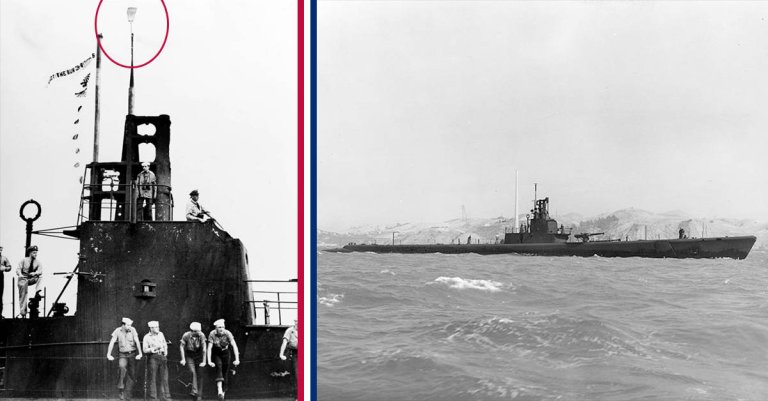
Just months later, in April 1943, signal intercepts allowed the U.S. Navy to depart from Guadalcanal and intercept a flight carrying Admiral Isoroku Yamamoto, killing him in Operation Vengeance.
By this point, new American and Canadian shipyards were churning out ships. America produced 50 Casablanca-class carriers from November 1942 to July 1944, leading to a joke that America could build carriers faster than Japan could build planes. This was never true, but from 1944 to 1945, the U.S. did build more carriers than Japan built destroyers.
So the American fleet largely drove Japan back to the home islands before the bomb test in July 1945.
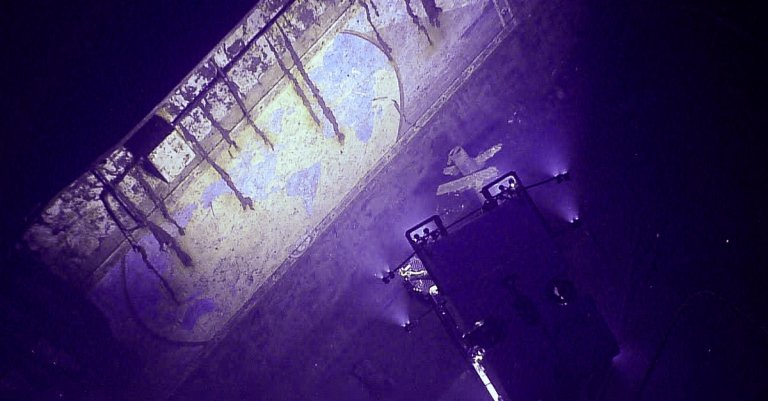
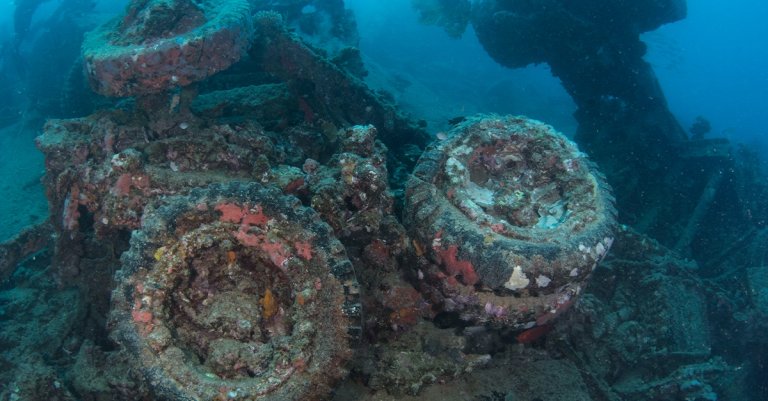
American forces drove the Japanese fleet out of Truk Atoll and isolated the survivors there in February 1944 during Operation Hailstone. The Navy used air and then surface attack to destroy its defenses. The battle was so swift, with so few losses to American forces, that it’s sometimes called the “Truk Raid.”
The bulk of the Japanese fleet pulled away to the north before the battle and was subsequently destroyed in later clashes.
So, by the time the U.S. could actually drop a bomb, the only remaining strategic goal of the war was the unconditional surrender of Imperial Japan. And, unfortunately for the people of Hiroshima and Nagasaki, especially Tsutomu Yamaguchi, who was at both, the official Target Committee formed in 1945 settled on hitting industrial cities.