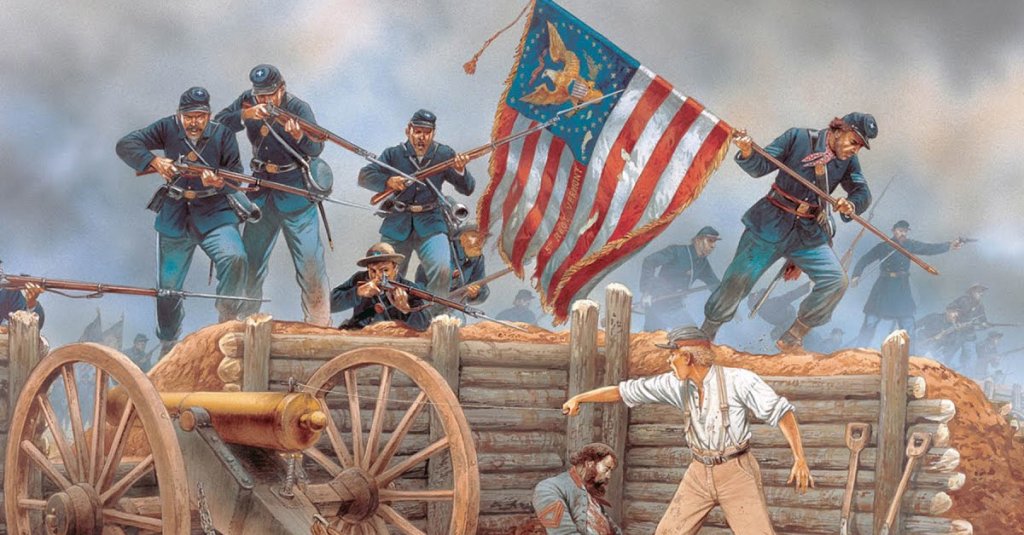
In our increasingly divided political world, it’s important to take the time to realize that no President of the United States takes office hoping to be remembered as the worst to ever hold that office. And even though one out of our 40-something historical presidents has to hold that position, I’m sorry to tell you that it’s not one of the presidents who ever held the office in our lifetimes.

Part two of this series, which highlights the most patriotic moments of every presidency, covers presidents 12-22, from Zachary Taylor to Grover Cleveland. It also includes James Buchanan, which is interesting because Buchanan jokes have been hard to come up with since 1881.
Zachary Taylor
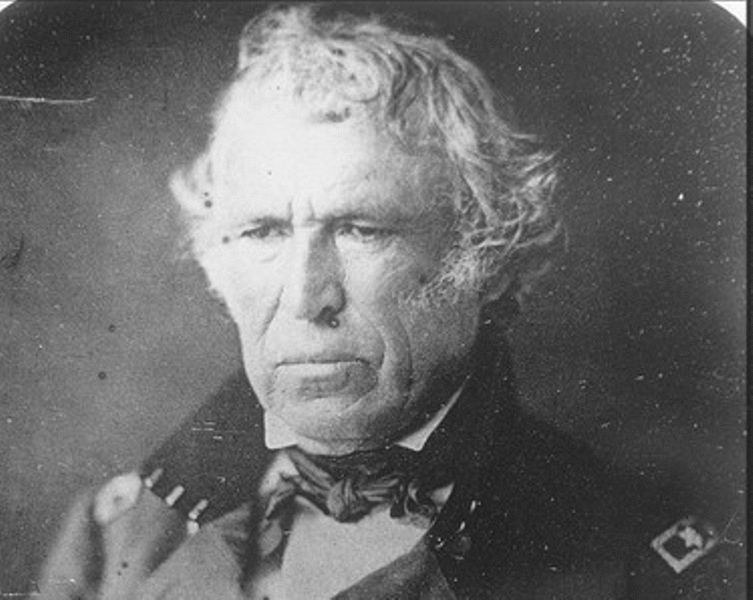
Zachary Taylor had served in the United States Army since the War of 1812. But by the time the time came for war with Mexico, Taylor was a general, and a good one at that. Beating the Mexicans paved the way for him to the White House.
What’s more patriotic than 30-plus years of destroying America’s enemies? As president, Taylor didn’t serve long, but like Andrew Jackson, he asserted the authority of the federal government over the states at a time when it was most important. When Texas and New Mexico entered a border dispute, Taylor stepped in and settled the land boundary. When Texas refused to comply, Taylor threatened to personally lead an Army down to Texas, saying everyone there “taken in rebellion against the Union, would hang with less reluctance than hanging deserters and spies in Mexico.”
Now, that’s a Commander-In-Chief.
Millard Fillmore
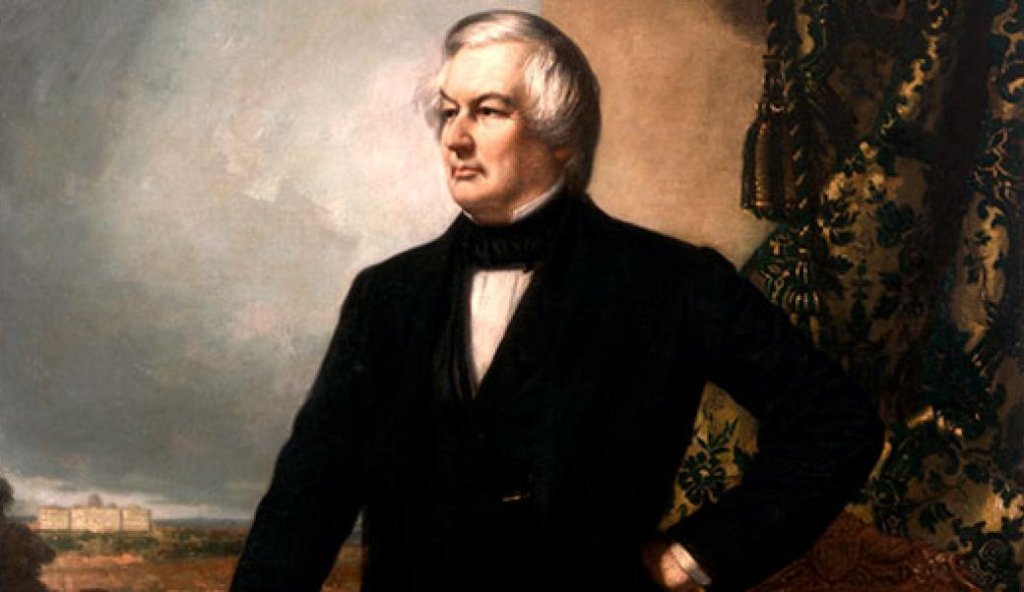
Not terribly good with handling ongoing domestic trouble, Millard Fillmore was definitely not going to take shit from some other country. He took office after Taylor died from an intestinal ailment involving fruit and iced milk. Fillmore, true to the duties of Vice-President, took office to finish up Taylor’s term. It was fortunate for France and Portugal that President Taylor was uninterested in foreign affairs, but President Fillmore certainly was not.
When Fillmore found out that France, under Napoleon III, was meddling in Hawaii’s affairs, he issued a stern warning that the islands were in the American sphere of influence. He also sought the money owed to the U.S. from Portugal and sent Commodore Matthew Perry to Japan to open the island nation to American trade.
Franklin Pierce
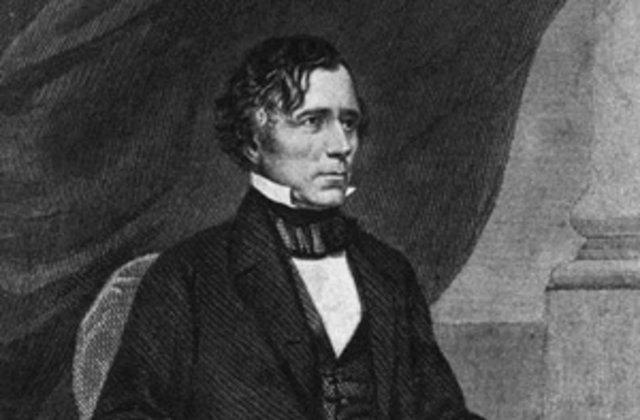
The second installment of this list will include many presidents who are in the running for the title of “worst.” Franklin Pierce is perpetually nominated for the dubious honor. As a former general, his patriotism is beyond reproach, but his skills in office definitely are not. To make matters worse, his tenure is also ranked among the least memorable.
What’s most patriotic about Pierce’s tenure is that Pierce ended up losing his party’s nomination for re-election, and he accepted that outcome, stepping aside for the election of 1856. The peaceful transfer of power is a central tenet of American Democracy, and Pierce more than upheld that tradition.
James Buchanan
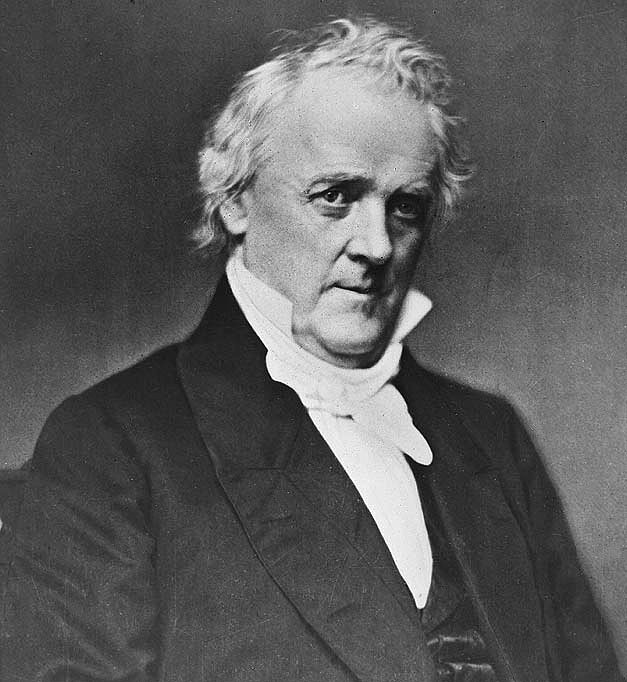
Here it is: the actual worst president ever. As I’ve noted time and again, even James Buchanan didn’t enter office wanting to be the worst. He genuinely thought he was doing what was best for the United States. What he did, however, was not at all the best for the United States. Even though his tenure is overshadowed by his inaction on the eve of the Civil War, it wasn’t entirely without patriotic moments.
In 1855, the USS Water Witch was fired on by guns from a Paraguayan fort while surveying the Rio de la Plata basin. The attack killed the Water Witch’s helmsman. In response, Buchanan sent a U.S. Navy Squadron of 19 ships to Paraguay (which included the refurbished Water Witch). Paraguay apologized to the United States, paid an indemnity to the family of the Water Witch’s helmsman, and granted favorable trade status to the U.S.—all without firing a shot.
Abraham Lincoln
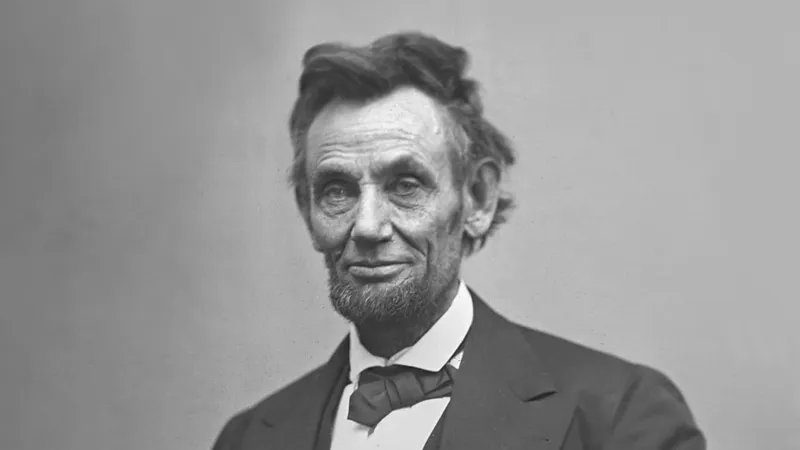
The night is darkest just before dawn. When Lincoln took office, seven states had already seceded from the Union. Lincoln tried many last-minute measures to hold the Union together, including writing a letter to each governor individually, reminding them that he wasn’t coming for them and that a Constitutional convention to make an amendment respecting the rights of the states was possible. It was all for naught.
When he determined the Civil War was coming, whether he liked it or not, he was decisive. He quickly authorized the formation of the Union Army, helped create a Union strategy to blockade and attack the Confederacy, soothed the fears of border states that might have otherwise seceded, and paid close attention to foreign policy to keep foreign powers from supporting the Confederacy. He eventually found the right combination of Army leadership in Generals Ulysses S. Grant and William T. Sherman, who helped bring the South to its knees.
Lincoln’s deft political prowess and patience allowed him to free the slaves in the states that were in rebellion and then, after the Election of 1864, when the Congress was packed with fellow Republicans, freed the slaves everywhere in the United States.
Andrew Johnson
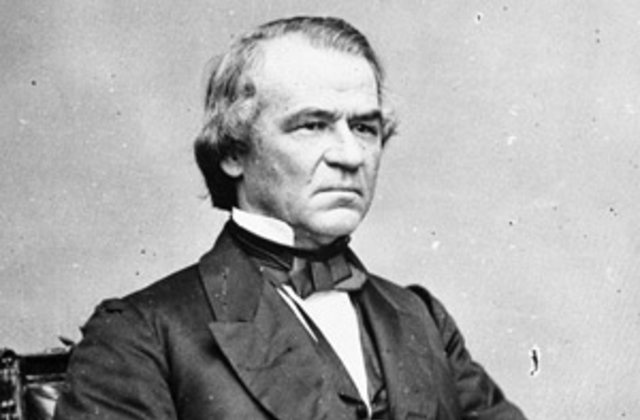
Johnson had none of Lincoln’s finer qualities; no wisdom, no popularity, no beard. Even though Johnson wanted a swift reconstruction after the Civil War, as Lincoln did, he lacked the power Lincoln could muster through sheer force of will. As a matter of fact, Congress repeatedly overrode his vetoes and the House of Representatives even impeached him. He barely avoided conviction. His entire term was spent in fights with Congress.
The one shining moment of American Union patriotism was in his dealings with former Confederate President Jefferson Davis. While many former Confederates were allowed to simply resume normal life after the war, Johnson put a bounty on the head of the Chief Confederate—to the tune of almost $2 million in today’s money.
Ulysses S. Grant
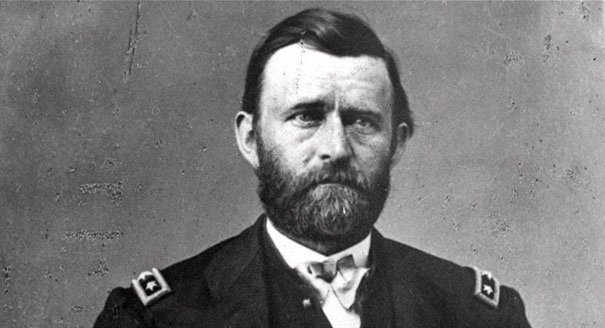
Grant would be the first to tell you that he wasn’t the best president, but he was dedicated to the rights and principles of the United States and its Constitution. From the moment he took office, he advocated for voting rights for every man (yes, just men), but specifically extended it to the newly-freed African-Americans and Native Americans. But a new terrorist group in the South was trying to disrupt that effort—the Ku Klux Klan.
Grant created the badass-sounding Department of Justice whose sole purpose (back then) was to enforce Reconstruction laws by any means necessary, along with Federal troops and U.S. Marshals. He actually appointed former Confederate officer Amos Ackerman as the first Attorney General. Ackerman indicted 3,000 Klansmen and convicted 600 offenders. He also forced thousands of others to flee Georgia, fearing for their freedom. That was just the first year. Daddy was back: Grant had no problem sending U.S. troops to the South to enforce Federal laws.
Rutherford B. Hayes
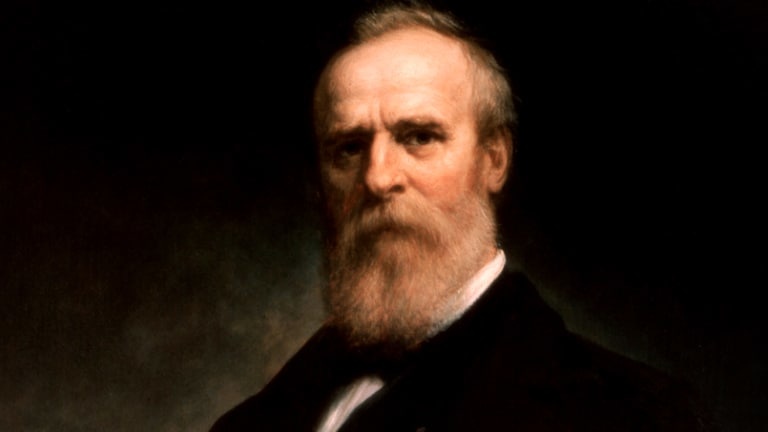
Hayes was a wounded Civil War vet who rose to the highest office in a controversial deal that ended Reconstruction and cast doubt on Hayes’ legitimacy. All that aside, Hayes still expended every possible effort to welcome newly freed former slaves and Native Americans into U.S. Citizenship.
Hayes’ most American moment came when he, General William T. Sherman, and their wives traveled West on the Transcontinental Railroad, physically bringing the country closer together by becoming the first sitting president to travel west of the Rocky Mountains.
James A. Garfield
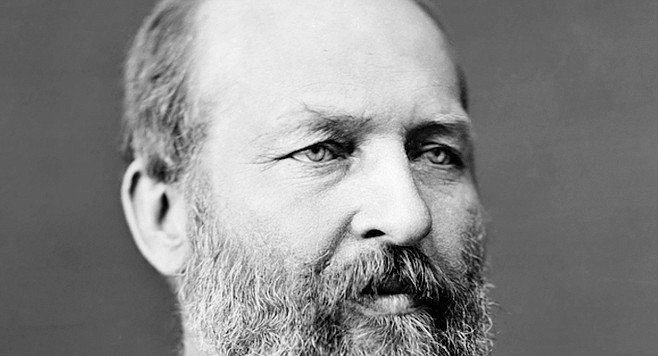
The 20th President was only the President for a few months before he was shot in the back while waiting for a train. But in those months, Garfield devised a plan to increase the prestige (and pocketbook) of the United States through increased trade, a planned canal across Panama, and a new look for an expanded U.S. Navy that would protect American merchant vessels while challenging the supremacy of the British Fleet.
But he was shot in the back while waiting for a train.
Chester A. Arthur
Chester A. Arthur didn’t start out as a reformer; he was a product of the very corruption he later helped dismantle. As a loyal New York machine politician and beneficiary of the patronage system, he rose through the ranks by rewarding allies with government jobs. Yet once he unexpectedly became president after James Garfield’s assassination, Arthur shocked almost everyone by turning against the spoils system that had built his career.
Instead of protecting the old order, Arthur backed civil service reform. Under his watch, federal jobs began shifting from political favors to a merit-based system. He pushed out some of the worst offenders, encouraged the Justice Department to go after corrupt patronage holders, and supported the creation of mandatory civil service exams. To enforce and expand these changes, he even appointed a bipartisan board that included former rivals. For a man once seen as a symbol of machine politics, Arthur’s role in reshaping federal service into a meritocracy was one of the most unexpected turnarounds in American political history.
Grover Cleveland #1
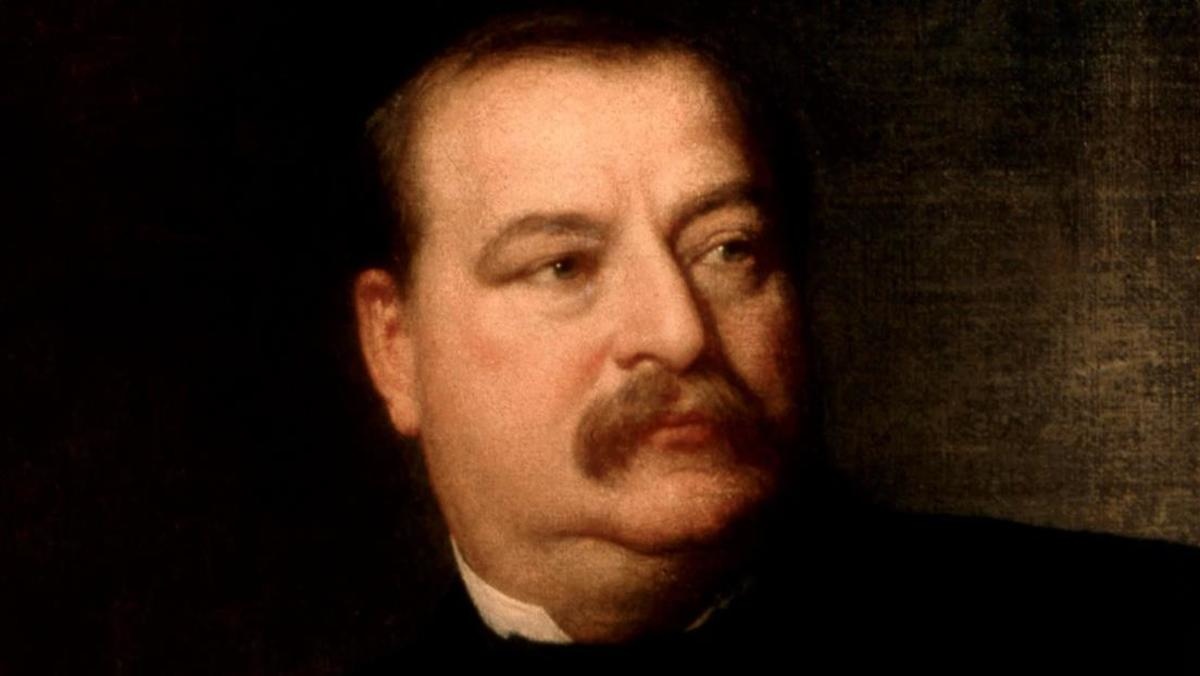
Cleveland was a Democrat elected during the Republican-dominated period of American politics. As president, he understandably exercised the executive veto more than anyone else at the time. But what he and the Congress could agree on, they also acted on: Defending America.
Even though the United States had no real external threats at the time of Grover Cleveland’s first term, the coastal defenses and the U.S. Navy hadn’t undergone a major upgrade since the Civil War, more than 30 years prior. After all, land wars inside the United States against native tribes had been the focus. Cleveland upgraded the coastal defenses of 27 different sites. And while the Navy received a few good new, steel ships during Arthur’s administration, Cleveland ensured they were completed and ordered 16 more. The forts would last until the outbreak of World War II, while the new U.S. Navy ships would come in handy in defeating Spain just a decade later.