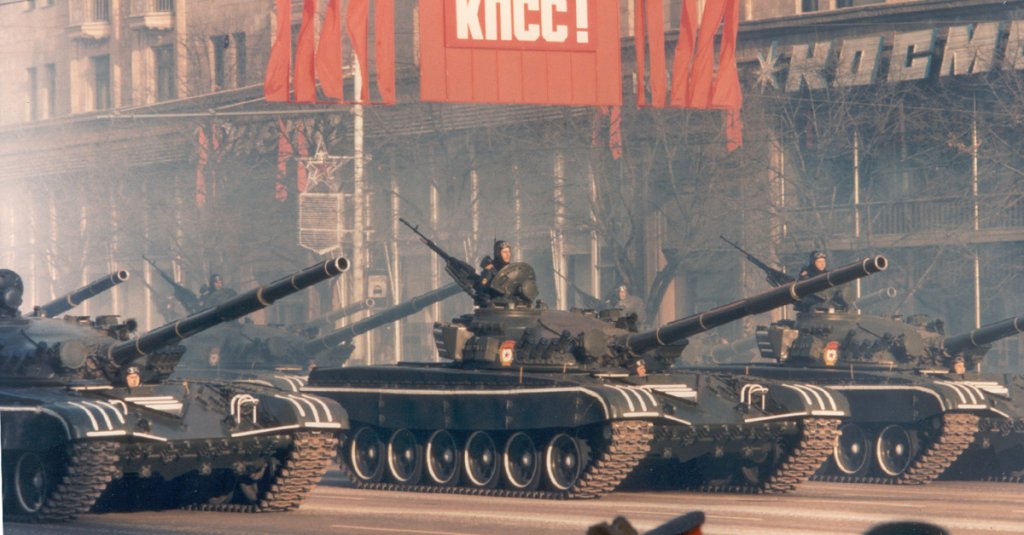
NATO, as we know it today, is a de facto bulwark against Russian (formerly Soviet) expansionism in Western Europe, and potentially elsewhere. It must have come as a complete surprise when France, Great Britain, and the United States all received letters of intent to join the alliance. It came from the Soviet Foreign Ministry
The Soviets tried to join the alliance against themselves.
Also Read: The 10 most spectacular Russian military failures of all time
Originally a political alliance in Western Europe, NATO was formed in 1949, the same year the Soviets detonated their first nuclear weapon. With the looming threat of Soviet nuclear weapons and the Korean War breaking out in the Far East, NATO soon became a robust military alliance.
The Soviets would respond with an anti-Western alliance made of the USSR’s client states. But before the Soviet-dominated countries of Eastern Europe formed the Eastern Bloc in 1955, Russia made an attempt to join NATO.
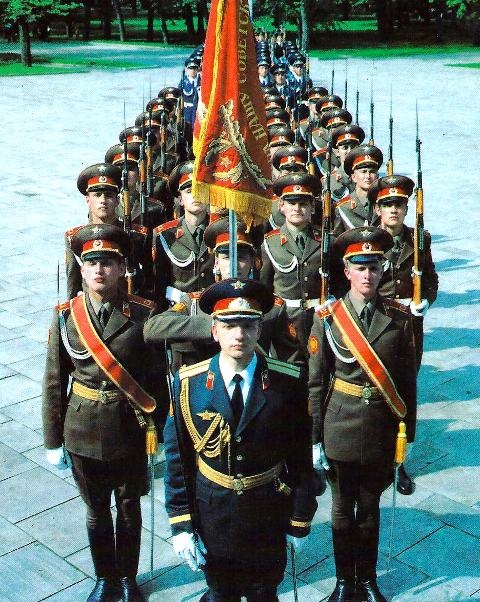
Longtime Soviet dictator Joseph Stalin finally died in 1953, and Nikita Khrushchev became the new communist sheriff in town. In 1954, when the Soviets sent letters of intent to NATO members, there was a renewed effort to ease tensions. It sounds crazy to think about these days, because we’re in the future and we know what the Russians were about to do for the next four decades.
At the time, however, the idea wasn’t as unhinged as it sounds today. The Soviets reasoned that the aggressive nature of the NATO alliance would be much less dangerous to world peace if Western Europe’s former anti-Hitler ally were allowed to be a member.
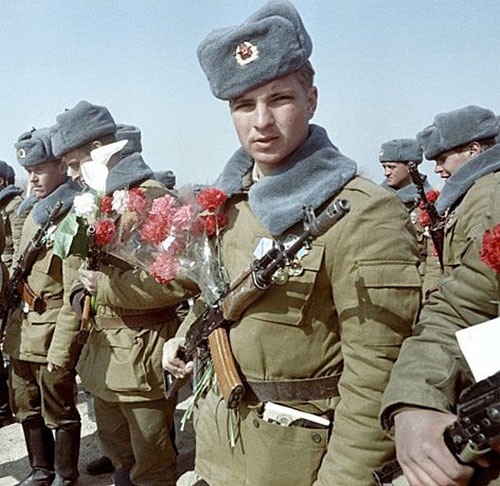
But in order to join the alliance, the Soviet Union would have to allow NATO to dictate its military planning and allow the basic tenets of democratic freedoms to bloom in all areas under its control.
The debate about potentially allowing Russia to join reminded the member states that the alliance was formed to address threats to world peace when the UN couldn’t—usually because of the Soviet Union’s veto power on the UN Security Council.
Allowing the Russians to have a say in NATO affairs would neutralize NATO, just as the communists neutralized the UN Security Council.

NATO told the Russians exactly that when the alliance rejected Russia’s application for membership, urging it and other Soviet satellites to allow the UN to do its job in keeping the world secure. The USSR’s Foreign Ministry gave a not-too-unexpected response to the snub.
“Most likely, the organizers of the North Atlantic bloc will react negatively to this step of the Soviet government and will advance many different objections. In that event the governments of the three powers will have exposed themselves, once again, as the organizers of a military bloc against other states and it would strengthen the position of social forces conducting a struggle against the formation of the European Defense Community,” Soviet Foreign Minister Vyacheslav Molotov wrote.
Nine days later, Russia and its satellites formed the Warsaw Pact, the Eastern Bloc counter-alliance. Europe was officially split for the next 40-plus years.
Don’t Miss the Best of We Are The Mighty
• What the Soviet Union thought as it watched Operation Desert Storm
• Russia’s only aircraft carrier is a floating hell for the crew
• 5 more of the biggest blunders in Russian military history