Propaganda was a key part in placing the narrative of World War II on both sides of the table. Allied and Axis powers relied on movies, radio, posters, and more to mold public opinion on their respective sides. Consider it the precursor to influencers, only in this case, they wanted the general pubic to support the war. And more specifically, they wanted them to support it in specific ways, such as through food rations and by joining the blue-collar workforce.
Take a look at how Uncle Sam used propaganda to help their cause.
Posters
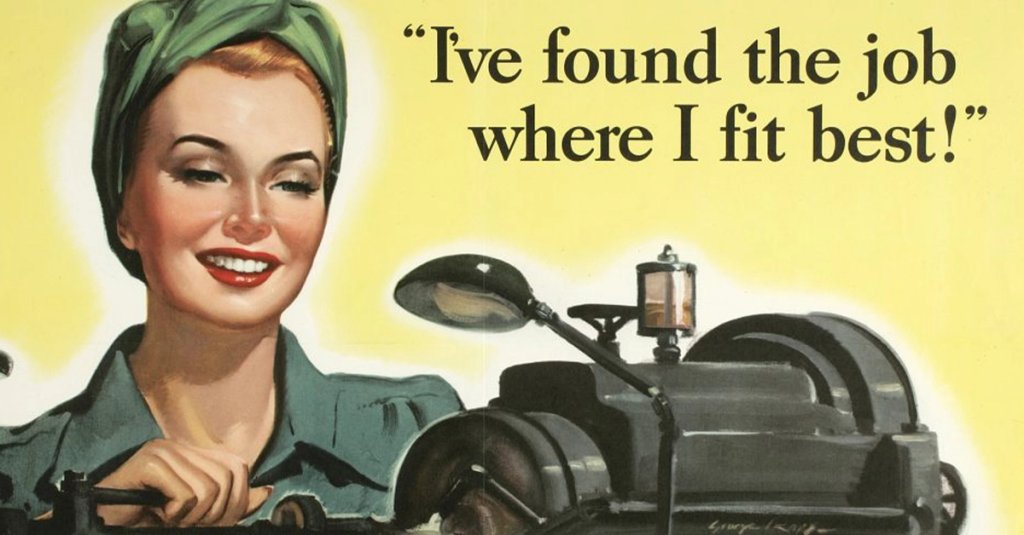
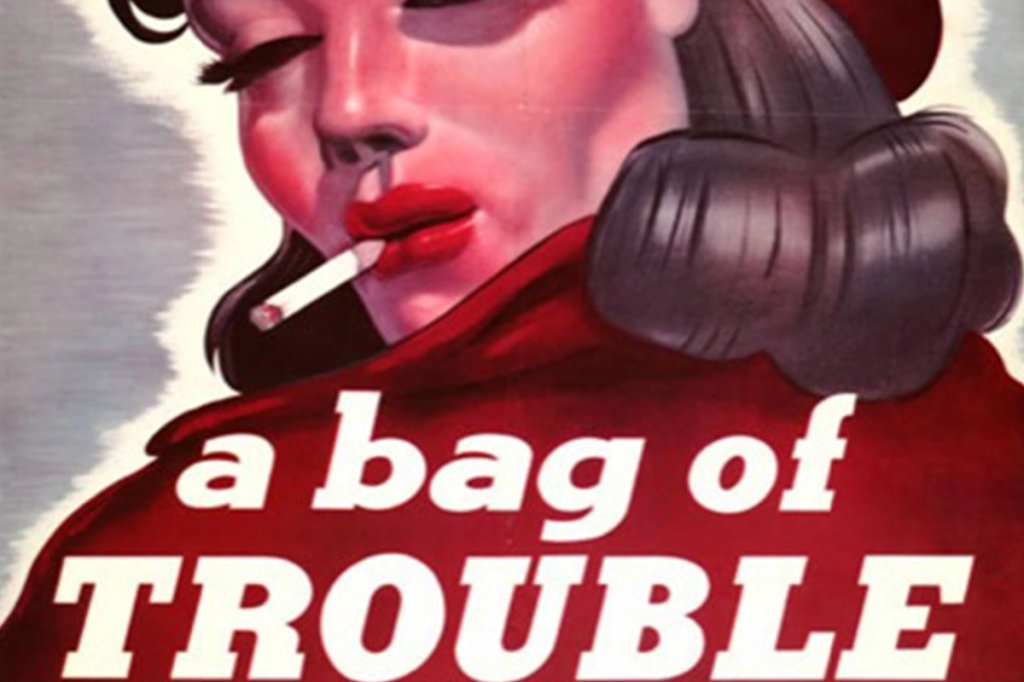
Famous posters with slogans like “We Can Do It!” (cue Rosie the Riveter) and “Loose Lips Sink Ships” came standard. The latter was shown with a literal sinking ship, reminding military spouses that telling secrets can have detrimental effects. Others, like “Get a War Job” and “Victory Waits on Your Fingers,” promote the idea of women working throughout the war. It also reminded them that sitting and waiting did no good. Meanwhile, public health posters were altered to align with the war narrative. For instance, anti-STD posters (then called VD) reminded women that being sexually promiscuous was anti-patriotic.
Radio
Meanwhile, the Axis powers entered the game by reaching out to Allied soldiers and their spouses. Axis radio shows perpetuated the idea that women would be unfaithful through Axis Sally. They also played on fears like discussing long-term injuries and inflating the severity, and POWs to increase the level of fear from those on the home front.
Cooking
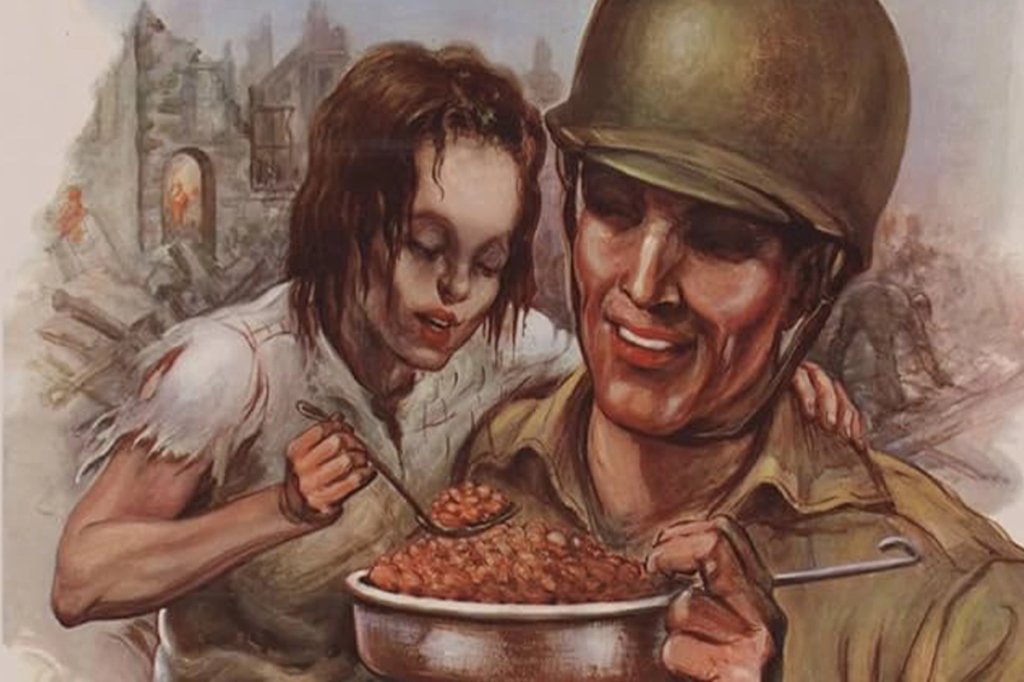
Rations had become a forced practice over time, but even before ration stamps, there was the idea of cutting back on items needed by soldiers. After all, using them at home meant taking items – even food – out of soldiers’ hands. This meant adapting recipes to use different ingredients … and being happy about it because it helped the war effort.
Shopping in general also took a turn during World War II, as women were encouraged to wear out their clothes before buying new ones. They were also encouraged to do without. It was popular to get creative and make due rather than stock up on supplies. In fact, the latter would be seen as stealing from the war effort when you could simply find a more conservative solution.
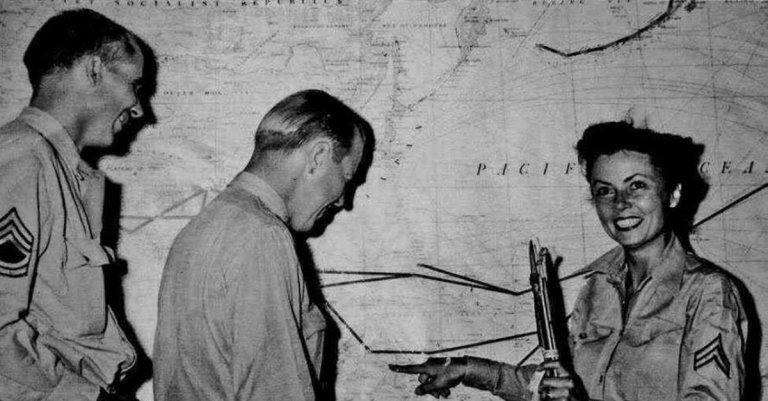
This is the second major war in which military spouses were at home rather than traveling to the warfront. That means they understood the mission of staying home and continuing to maintain the household, take care of the kids, etc. However, this war was more devastating and gave spouses a sense of purpose. Looking back today, the propaganda was helpful in multiple ways: by supporting military spouses and promoting a culture that helped the war, like saving food and materials. Because military spouses were the ones running the households and making all of the decisions—like what to buy, what to cook, and where to work. Even if these changes didn’t hold for the long haul, they helped the public get through the war.