
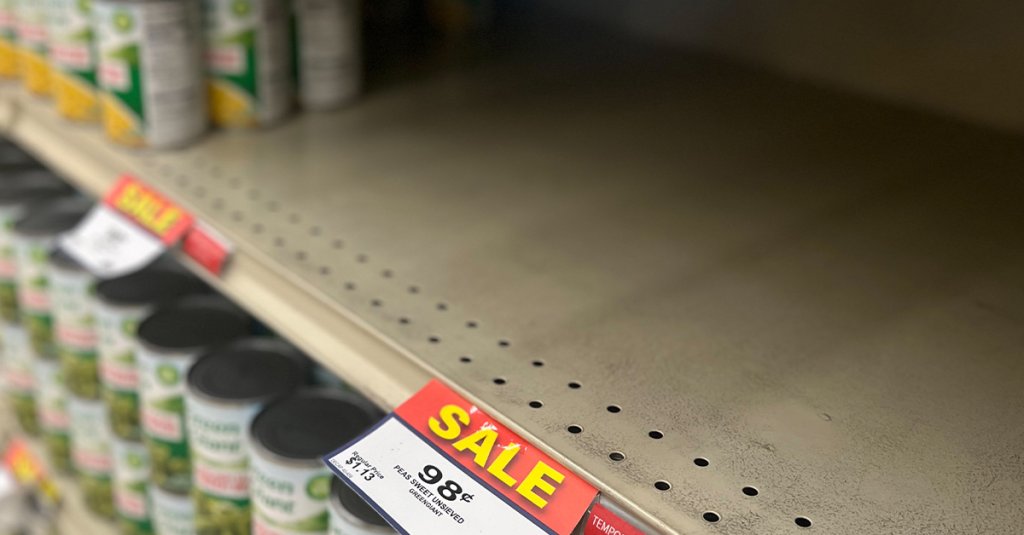
Behind the strength and sacrifice of service members lies a hidden crisis: military families facing food insecurity at alarming rates. People often assume financial security is a benefit of being in the military. 1 in 5 military and veteran families experience food insecurity, rising to 1 in 4 among active-duty families, compared to about 1 in 8 civilian households, according to the Military Family Advisory Network.
Read Next: Modern dishes anyone can make using Civil War foods
Why Food Insecurity Hits the Military Community
The Military Family Advisory Network asserts that moving creates a high risk for food insecurity, as over 51% of surveyed families reported food insecurity within 24 months of their PCS. Although food insecurity can affect any rank, pay gaps not only contribute but also seem to affect recruitment. Military Times reported that nearly 26% of active-duty service members are food insecure, and about 15% rely on food stamps or food banks for help. But why is public reporting on these areas missing in action from the DoD?
Do we dare talk about how underemployment also drives food insecurity? Many military spouses have trouble obtaining employment suitable to financially support their families due to fluctuating job markets, hidden bias and discrimination, lack of childcare availability on post, alongside high childcare rates off post. About 45% of families who are food-insecure report at least one spouse is unemployed or underemployed.
What Resources Exist
I was yesterday years old when I found out about the Basic Needs Allowance (BNA). This DoD program provides monthly supplemental pay to active-duty service members whose gross household income is below 200% of the federal poverty line. Unfortunately, only about 10% of qualifying members are enrolled. The Defense Commissary Agency runs periodic Healthy Savings programs and discount coupons for SNAP and WIC users and partners with organizations like Feeding America and Fisher House for holiday meal drives. Feeding America’s Military Support Network is a network of local food banks that partner with bases and nonprofits to distribute food to military families.
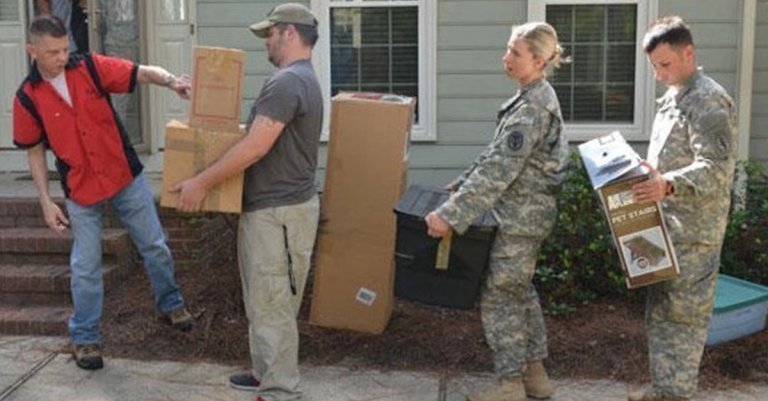
Fort Leavenworth has a hidden gem, a food pantry unlike any other: Stronghold Food Pantry. Unlike typical military-associated assistance, Stronghold provides resources to all ranks and service members because let’s just be real, junior enlisted are not the only service members who need support. No questions asked.
Frontline Voices
Stronghold is a small but mighty organization that is making an impact across the globe. From pop-up pantries to international ambassadors, Stronghold is filling in the gap for military families facing food insecurity.
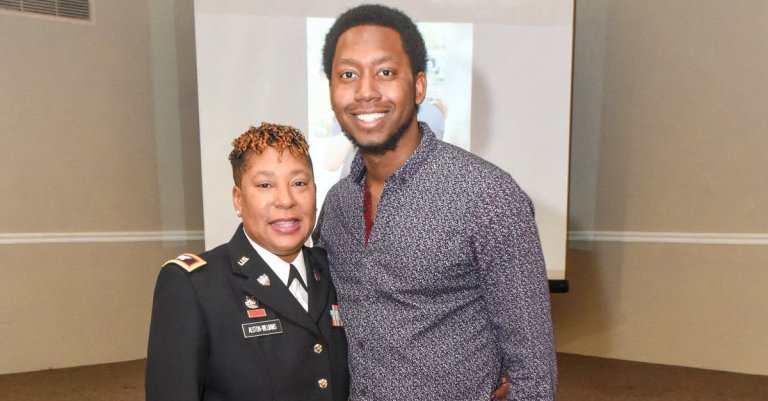
Monica, founder of Stronghold Food Pantry, understands the reality of the struggle and had this to say about her insight on the fight to end hunger in the ranks.
“When I founded Stronghold, I wanted to build more than a food pantry. I wanted to build a new way of offering support—one that replaces shame with dignity, silence with trust, and isolation with community. Thanks to our incredible volunteers, donors, and Ambassadors, it’s a movement and it’s growing every day, creating a stronger military community built on trust, hope, and care.”
The Fight to End Hunger in the Ranks
Monica explains that food insecurity within the military often lives in silence—behind closed doors, behind the pride of service, behind the fear of stigma. It’s a quiet struggle that many military families carry. Yet it’s not a reflection of failure—it’s a reflection of a system that needs strengthening. Stronghold’s mission is to meet that silence with compassion, dignity, and action—to remind every family they are not alone. While the statistics can seem alarming with 27.7% of active-duty families experiencing food insecurity compared to 13.5% of U.S. households overall, organizations like Stronghold are doing their part to make a difference..
The fight has a long way to go, and we need advocacy to combat how pay and benefits are calculated so allowances do not count as income, increase awareness of additional services like BNA, and eliminate the stigma associated with soldiers asking for help. Community advocacy for data transparency and accountability from the DoD, and efforts such as peer-to-peer initiatives (how Stronghold got its start), are other great ways to help fight back. Every pantry stocked, policy improved, or conversation started brings us one step closer to a future where no service member’s family has to choose between duty and dinner.
Additional Resources:
Operation Homefront Critical Financial Assistance Program: operationhomefront.org
Armed Services YMCA (ASYMCA) Food Assistance Programs: asymca.org
Military OneSource Financial Counseling: 1-800-342-9647 or militaryonesource.mil
Your local Chaplain’s Office or Family Readiness Group (FRG)
Don’t Miss the Best of We Are The Mighty
• New MRE menu changes for 2026 just dropped—and buffalo chicken is back
• 6 unappetizing ration recipes from World War II that you might actually like
• The 9 worst creations Americans called food during World War II


Loading comments…
Comments couldn’t be loaded. Please refresh the page.