
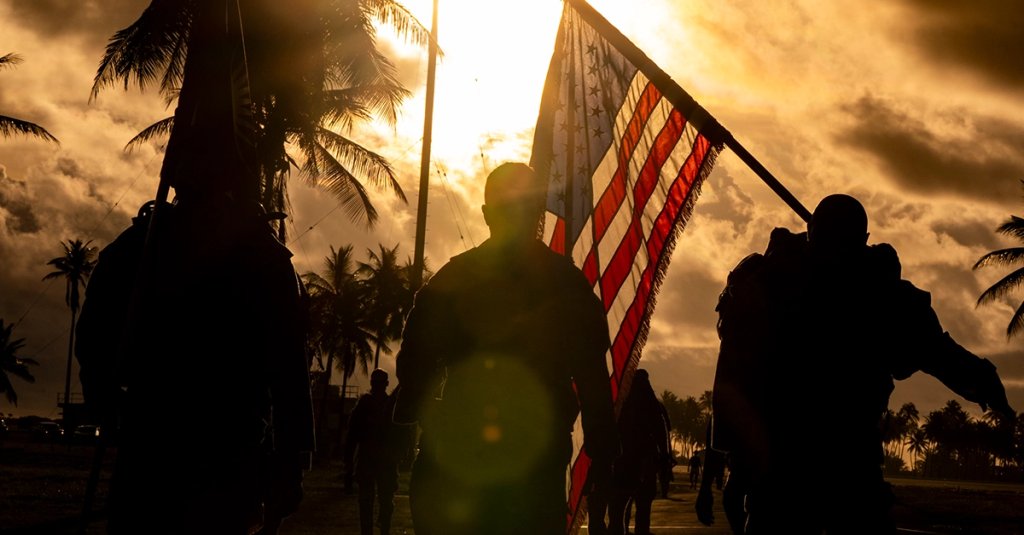
It might come as a surprise to some veterans, but there are service members who leave the military and just kind of drop off the system’s radar. They don’t make VA appointments, submit benefits claims, or try to join veterans organizations.
Sometimes, veterans just pack away their uniforms and move on—until they need something because of their time in the military. Wounded Warrior Project calls this “the deadly gap.”
Also Read: Find all your veterans benefits in one place with the HonorEarned tool
Jessica Baltazar, a national service officer with WWP, is trying to close it. She’s a former Air Force logistics specialist who served from 1995 to 2001 and spent more than a decade as a medic before she started watching homeless veterans cycle through emergency transports with untreated mental health conditions and nowhere to go.
“We have all of these veterans that have given some portion of themselves to us, our country,” Baltazar told We Are The Mighty. “And now they’re just suffering silently.”
The Deadly Gap
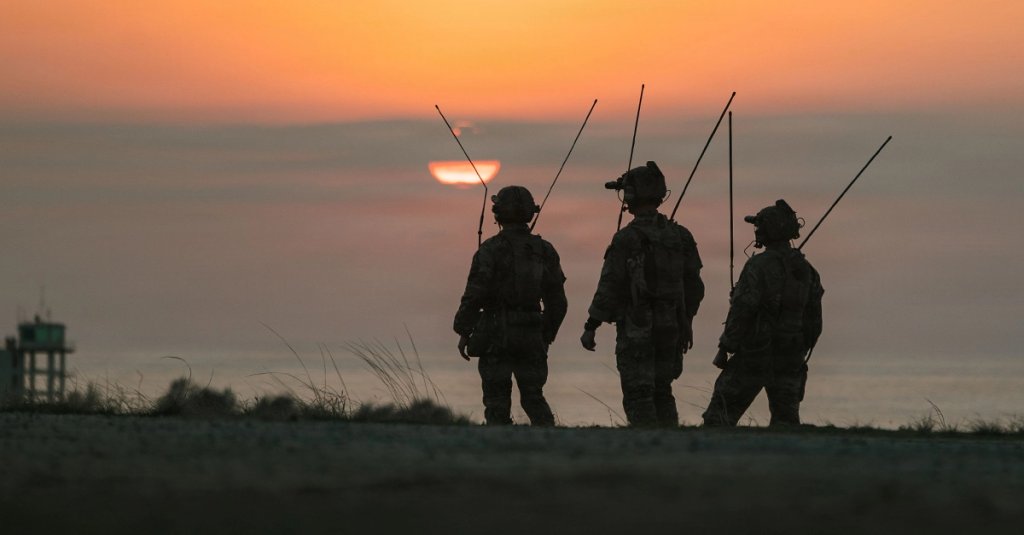
Suicide is the second-leading cause of death for veterans under 45. According to the VA’s 2024 National Veteran Suicide Prevention Annual Report, 6,407 veterans died by suicide in 2022. The suicide rate for veterans in the first 12 months after separation was 46.2 per 100,000, compared to 34.7 per 100,000 for veterans overall.
The window right after getting out is, statistically, one of the most dangerous periods in a veteran’s life, and most of them aren’t getting help during that window.
The numbers are bleak, even for those who have already taken the first step of enrolling in the VA system. The median time between the end of deployment and engaging in mental health care was more than two years for veterans of Operation Enduring Freedom, Operation Iraqi Freedom, and Operation New Dawn who were already enrolled.
More than three years post-deployment, 75% of veterans with diagnosed mental health conditions had still not received minimally adequate mental health treatment. The median lag time between a first mental health appointment and beginning a full course of adequate care was 7.5 years.
“Veterans wait around five years to engage with veteran organizations, and sometimes that’s too long,” Baltazar said. “A lot of things can happen between those few years, especially trying to relocate your family, get a new job, things like that.”
“Deadly,” it turns out, is a shockingly accurate description of the gap. Veterans die by suicide at a rate 57.3% higher than non-veteran American adults when adjusted for age and sex, 1.5 times greater than their non-veteran peers. The Deadly Gap is where much of that happens.
Why Vets Wait and Why Special Operators Wait Longer
Baltazar works on compensation and benefits for WWP, not mental health. But she knows why veterans don’t come in sooner: Most of them either don’t know they’re eligible, or they’re too busy keeping their families fed to think about a VA claim.
“They aren’t aware of the services that are available to them,” she said. “They don’t think that they’re eligible for the programs because they are on active duty, and they don’t have confirmed or rated injuries already. They’re focused on making sure that there’s food on the table, that the mortgage is paid for.”
Special operators have all of those problems, plus a few more.
Fewer than half of special operations personnel start mandatory transition programs on time, a significant gap in itself, given that programs exist specifically to help them navigate the benefits and career systems they’re about to enter.
The Government Accountability Office (GAO) made five recommendations to the Department of Defense to fix the problem, which was really one recommendation: analyze transition assistance program and attendance data from the Army, Navy, Air Force, and Marine Corps, along with a special focus on SOF service members.
Baltazar’s read on the deeper issue is cultural.
“They’re essentially trained to not complain,” she said. “They’re trained to just work through the pain, the discomfort, whatever’s going on with them and get the job done.”
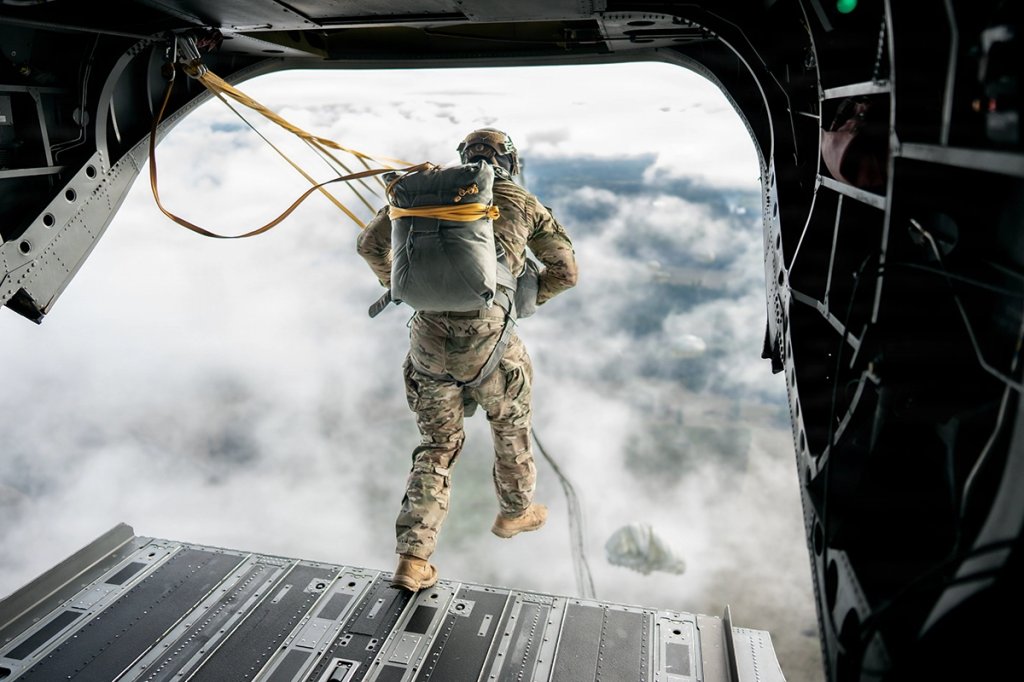
The physical piece compounds everything. Throughout a SOF career, injuries accumulate in an environment where going to sick call means the whole unit stays home. A hard landing on a static line jump. A bad knee that gets taped and ignored because there’s a mission next week.
“They just keep going until they can’t anymore,” said Baltazar.
The result is a combination of the untreated physical toll a SOF career can take on one’s body, along with the prolonged mental strain on the mind. When they get out, operators will sometimes continue that strain into the civilian sector.
“Sometimes they’re going into additional government jobs; different types of career fields where they don’t want to be labeled as incompetent or unable to get that job,” Baltazar said. “Sometimes we have people who have flown planes, pilots in the military, who want to go into commercial flying, and they may wait to have those conversations.”
The Name Problem
Baltazar will tell you that the name itself may be part of the barrier. Wounded Warrior Project launched in the early years of the Global War on Terror, when the public image of combat injury meant visible, catastrophic wounds: amputations, burns, the kind of wounds that could be captured on film.
But the nature of combat changed, and wounds changed along with it. Veterans who came home with traumatic brain injuries, PTSD, and chronic pain from bodies that went hard from the age of 18 started wondering if WWP was really for them.
“Regardless of whether we can see those wounds or not, they are still wounded in some capacity,” she said. “This is not to box them into thinking of themselves as disabled or making it something negative, but to recognize that it doesn’t matter if it’s visible or not: TBI and mental health are as important as extremity injuries.”
That includes active-duty service members who haven’t decided whether they’re getting out yet. It’s important, Baltazar said, to have the conversation and at least know what’s available before you need it. It’s the first step to avoiding the Deadly Gap.
“Come see us and see what we can do for you.”
If WWP can’t help directly, they’ll connect veterans to someone who can. The organization maintains a vetted resource database through its resource center for things like financial assistance, mental health referrals, even things like guitar lessons and scuba certification. The goal is covering the full range of transition challenges.
“People just don’t know, and they don’t know who to ask,” Baltazar said. “So ask the question. Call us, ask the question, [and] we’ll help you figure it out.”
Don’t Miss the Best of We Are The Mighty
• The difference between Special Forces and special operations
• An Afghan SOF veteran explores America and the bonds of operators in ‘Noori’
• 10 life lessons that William McRaven learned in Navy SEAL training

Loading comments…
Comments couldn’t be loaded. Please refresh the page.