
Making a plan to leave the military and step into the civilian workforce is probably one of the most stressful times for any military member. Their steady paycheck is ending, bills are still due, and finding a job suddenly becomes their full-time job.
So when a company finally calls, interviews them, and puts a salary offer on the table, it can feel like the only rational move is to grab it, hang on, and thank whatever god they believe in that the job search is finally over.
Related: How to get a name rubbing from the Vietnam Veterans Memorial Wall
But it might be wise to consider negotiating that offer, an idea that might make some veterans (especially those leaving after their first enlistment) cringe.
Why that First Salary Matters
A veteran’s first civilian salary doesn’t hit different just because it’s not from Uncle Sam.
It will be the baseline for every future raise and bonus. Analyses of pay over a full career show that even a small difference in starting salary can snowball into hundreds of thousands of dollars, more or less, in lifetime earnings, because raises and promotions usually build off that original number.
At the same time, most employers actually expect some amount of negotiation, but many candidates still accept the first number they hear, even when pay is their top concern. It’s important to know that a strong majority of people who negotiate end up with either a higher salary or better overall compensation.
So, no, asking questions about the offer doesn’t automatically mark anyone as “difficult.” It often just marks them as someone who understands the game.
It Means More for Veterans

Veterans sit in a strange position in the labor market. On one hand, veteran unemployment has generally been lower than nonveteran unemployment in recent years. On the other hand, veterans are more likely to be underemployed, meaning they are working in roles below their skill level or seniority.
But that shouldn’t be the case. Veterans often bring more experience and education than their civilian peers. Once in a job, they are 39% more likely to be promoted early and stay with their first civilian employer about 8% longer. Employers who understand this see veterans as long-term assets. The problem is, not every hiring manager automatically makes that connection when a veteran’s résumé says “platoon sergeant” instead of “operations supervisor.”
That’s where salary negotiation intersects with translation. Veterans may need to educate the employer about what their experience actually means in the civilian world, then decide whether the offer reflects that value.
Know Your Rights and Protections
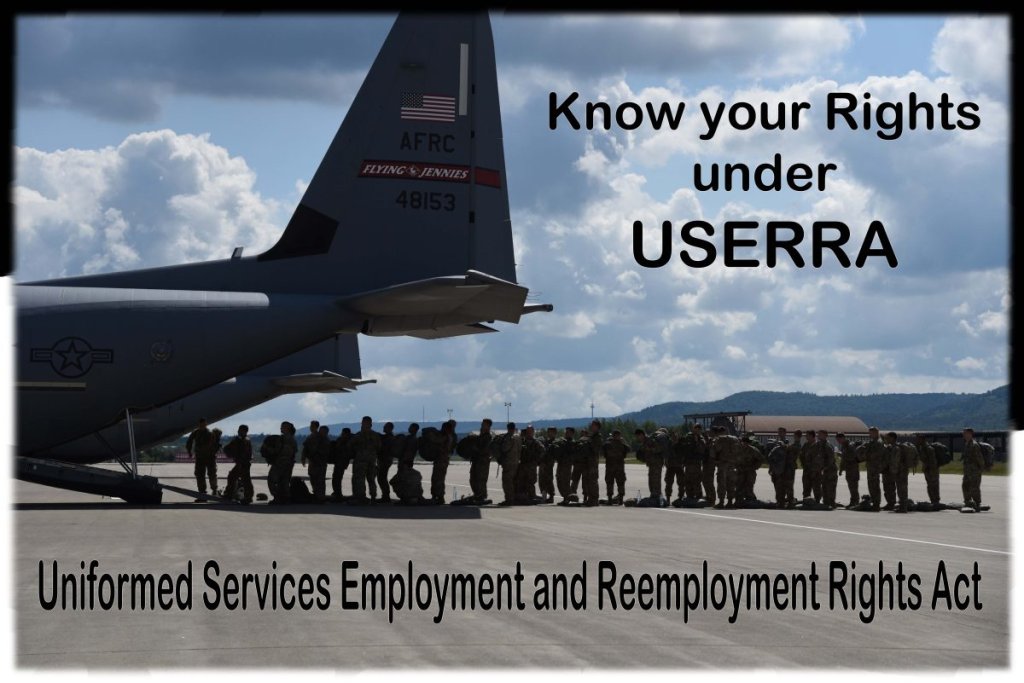
Before even thinking about numbers, it helps to know the legal backdrop. Two pieces of federal law matter a lot here.
The Uniformed Services Employment and Reemployment Rights Act (USERRA) bars employers from discriminating against veterans because of their past, current, or future military service and protects their access to “any benefit of employment,” which includes compensation.
The Vietnam Era Veterans’ Readjustment Assistance Act (VEVRAA) requires many federal contractors and subcontractors to take measures to hire and advance protected veterans and explicitly prohibits discrimination in pay, promotions, and other terms of employment.
These laws don’t guarantee that an employer will meet their salary ask, but they do mean they can’t legally punish veterans or lowball them because they’re a veteran. They are allowed to ask fair questions and to advocate for themselves.
When Negotiating Makes Sense

Chris Voss: Top Tips For Negotiating Salaries
There isn’t a single rule that fits every situation, but there are some strong indicators that veterans should at least try to negotiate.
First, veterans should look at how closely their military background matches the job. If they are a licensed aircraft mechanic, a nurse with the right civilian credentials, an experienced network, or cyber technician, or they hold other hard-to-find technical skills, they’re in a stronger position. Employers, industry groups, and veteran-hiring advocates point to veterans as a key source of talent in these shortage fields, often leading to greater pay flexibility.
Second, check whether the offer lines up with the market. The Department of Labor’s veteran-focused salary negotiation workshops say veterans should research salary ranges by occupation and location before responding to an offer. If credible salary tools and job postings show that similar roles in that metro area routinely pay more than they’ve been offered, they have a concrete, data-backed reason to ask for an adjustment.
Third, run the numbers. Civilian life comes with expenses veterans may not have felt in the same way on active duty, including housing without the Basic Allowance for Housing (BAH), health insurance premiums, day care, and different tax situations. Build a realistic post-service budget and compare it to the offer before saying yes. If the math doesn’t math, it’s not selfish to say so.
Finally, consider the options. Having more than one offer, or being deep in the process with multiple employers, means having more leverage than someone choosing between this job and unemployment. Veterans don’t have to pit employers against each other; they simply have the confidence of knowing they’re not trapped.
In any of these scenarios, asking for a bump in the range of 5% to 10% is typically reasonable, as long as they can show why.
When Accepting the First Offer Is Strategic

There are also times when taking the offer as-is is the smarter play.
When changing industries completely, their military role may not translate directly. When making a move from infantry to entry-level marketing, a veteran may be functionally entry level in that field. If the pay is in line with what other newcomers in that industry earn and it meets their minimum needs, the most valuable thing they can gain in that moment is experience and a civilian track record.
If entering a field where early-career pay is notoriously low, and competition is high, as is the case with certain creative careers, media, or nonprofits, they might not have much leverage on salary until they build a portfolio. In those cases, they can still negotiate for things that make the job more sustainable, but the base pay might move less.
Related: These are some of the best federal jobs for veterans
And if an employer clearly explains genuine budget limits but offers strong non-salary elements, such as tuition assistance, funded certifications, clear promotion timelines, or a location that dramatically improves their quality of life, it can be rational to accept now and plan to renegotiate or move later once they have results to point to.
Accepting the initial offer doesn’t mean a veteran failed a negotiation. It means they made a call based on the situation in front of them.
Prepare Before Talking Numbers
Preparation is where veterans usually have an edge, because they’ve already learned how to plan. The trick is to apply that mindset to salary rather than mission briefs.
Start with research. Use tools like quality salary finders and occupation profiles to see realistic pay ranges for your target role in your specific region. Check multiple sources, not just one website. Then decide on three numbers: the minimum you can accept without digging yourself into a financial hole, a target number near the top of the realistic range, and a “stretch” number you’d love but don’t expect.
Next, translate experience. Many companies undervalue military résumés until someone explains what those roles actually involve. Instead of saying “led a platoon,” talk about supervising a certain number of people, managing equipment valued at specific dollar amounts, cutting downtime, improving processes, or training junior staff. Those outcomes are what justify the higher end of a salary range.
Finally, rehearse. Stay calm, positive, and professional in negotiation. This is a conversation, not a confrontation. Then practice explaining the reasoning out loud until it feels natural.
What a Negotiation Sounds Like

There’s no need for a speech, and certainly no need to sound apologetic. A simple structure works well: Show enthusiasm for the role, detail the ask in research, and connect it to work experience.
For example, they might say something like this:
“I’m really excited about this role and the chance to bring my logistics and leadership experience into your operations team. From what I’ve seen in my salary research for similar positions in this area, and given my background supervising a 25-person section and managing multimillion-dollar equipment, I was hoping we could explore a base salary closer to $X. Is there any flexibility there?”
That’s it. It’s not a threat to walk away. It’s not personal. Simply present information and invite a discussion.
If the answer is “no” on base pay, shift the conversation to the rest of the package. Look at total compensation: Health insurance, retirement contributions, bonuses, paid time off, relocation support, training funds, and flexibility can all be part of what you negotiate. Sometimes, a small salary bump, plus better benefits, beats a headline number.
Veterans Possess Many Great Qualities
Veterans bring a track record of responsibility, adaptability, teamwork, leadership, and a commitment to tough assignments. These are traits (often referred to as “soft skills”) that employers say they want and data shows they benefit from. Veterans get promoted faster and stay longer on top of that, which makes them a solid investment when paid fairly.
Negotiation isn’t about being ungrateful for the offer. It’s about treating yourself as a professional whose skills, time, and experience have a market price. Sometimes the right move is to push for more. Sometimes the right move is to accept the offer, learn the civilian game, and plan your next step.
The important thing is that veterans make that call with clear information, not fear, and remember their value didn’t disappear when they took off the uniform.