Though they’re often overlooked by military historians – not Native American historians, mind you – the Plains Wars of the post-Civil War era saw some of the most brutal fighting between the American government and the Native American tribes fighting for their way of life. The U.S. government was determined to move the native people to reservations and the Natives wanted to continue living their traditional ways of life.
Those who did not sell their land were forcibly relocated. Some of those tribes chose to fight back instead, and the United States responded by attacking the Natives, often with some terrible tactics.
The fighting on the Plains saw the Battle of Little Bighorn, the massacre at Wounded Knee, and the Sand Creek Massacre, just to name some of the bloodiest moments. The fighting West of the Mississippi claimed countless lives, not to mention the end of the traditional ways for many Native Americans. Still, some continued to fight back, with varying degrees of success.
5. Kiowa

An ally of the dreaded Comanche, the Kiowa were usually at war with anyone the Comanche went to war with, including the United States Army. For 50 years, the Kiowa moved from the central United States westward to join their Comanche allies in raiding and trading from the American Southwest into Mexico, killing thousands. Even after most of the Kiowa moved to reservations in 1877, many warrior bands remained loose on the American frontier.
4. Cheyenne
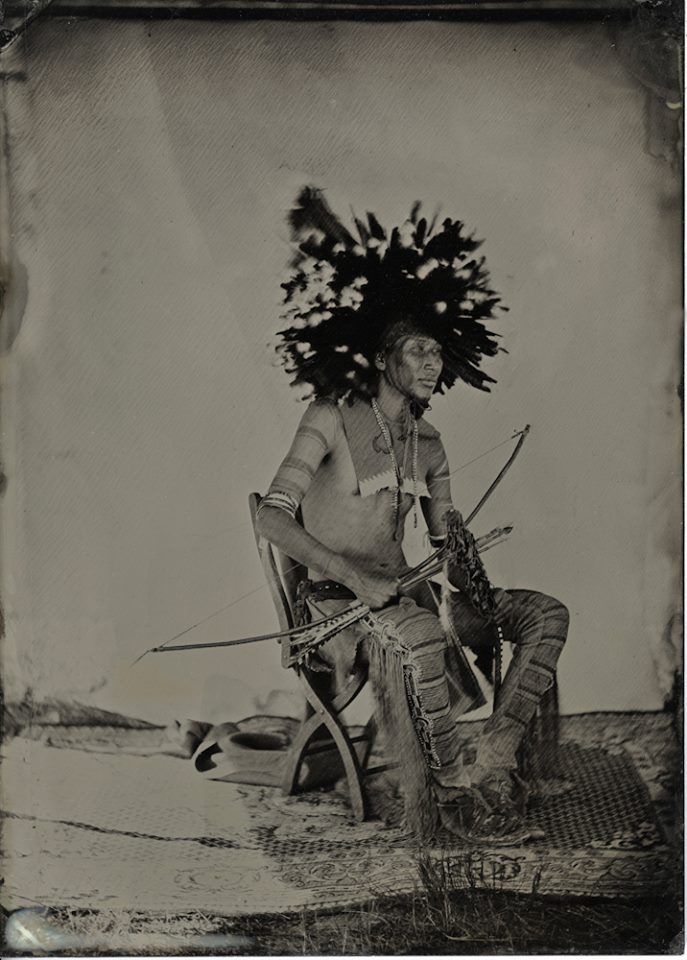
As more settlers rushed to the Rocky Mountains area, the area began to fill up with heavily armed militias who would raid neighboring Arapaho and Cheyenne tribal settlements. In response, the Cheyenne also began to fight back, forming different kinds of warrior bands, including the now-famous Dog Soldiers – warriors who would hold their ground, no matter what came at them. The Dog Soldiers rallied Cheyenne and Arapaho tribesmen together to wreak havoc on the Colorado ranching industry.
3. Sioux
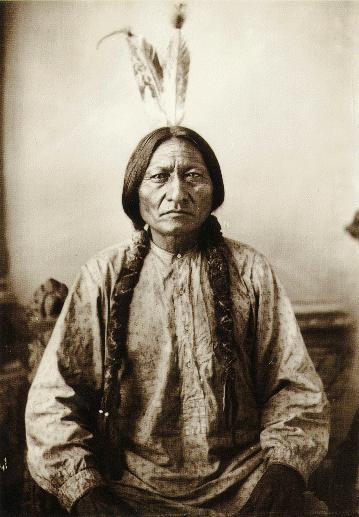
The Sioux were not the first tribe to fight the U.S. government, and they weren’t the last, but they might be the most famous. The Sioux produced some of the most notable names and places in all the Indian Wars, including Little Bighorn, Custer’s Last Stand, Red Cloud, Sitting Bull, and Crazy Horse, to name a few.
When the Army encountered bands of Sioux warriors, they didn’t know if they would be fighting just the handful of warriors they saw or if another 5,000 to 7,000 were waiting somewhere they couldn’t see.
2. Apache
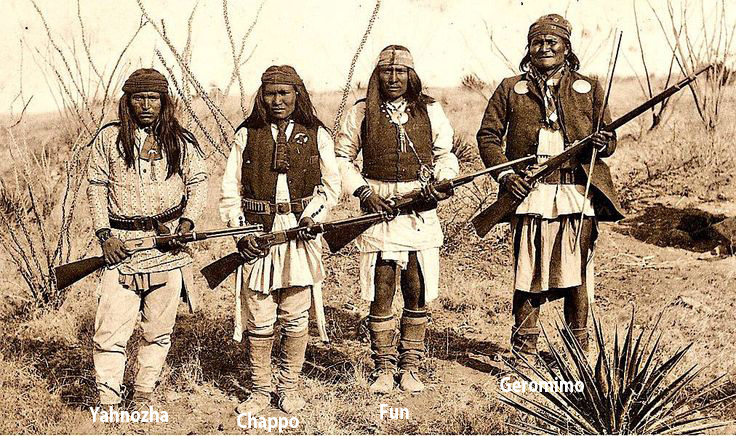
If there’s one thing the Union and Confederate Armies could agree on, it was fighting the Native American Apache tribes. In the early days of the Civil War, Confederate forces clashed with the Apaches in the West before being transferred to the actual Civil War, where they were needed to fight.
Clans of Apache rarely gathered in significant numbers. They only did so in order to gather their forces to hit the U.S. Army in large formations. The Army hated the Apaches so much that they would fight any size of formation they happened to come across, fearful of them massing numbers to form a war party. It took more than 20 years of concerted effort to end the Apache resistance.
1. Comanche

The reason the Spanish Empire stopped expanding northward was because they were stopped by Comanches. Long after the Spanish and the Mexicans tried to stop them, the United States had an equally hard time. The Comanches not only stymied the Army’s effort to contain or destroy them, but they also took down other Native American tribes, eradicating them or driving them out of their traditional lands. The Texas Republic stopped expanding westward due to the Comanches and Comanches were actually able to push back American settlement on the frontier, for the first time ever.
By the end of the 1860s, the men who won the Civil War for the Union were now running the country. President Ulysses S. Grant, Commander of the U.S. Army William Tecumseh Sherman, and Gen. Philip Sheridan were determined to end the Comanche threat, finally subduing them with overwhelming force in 1875.