Ruth Kuehn picked the wrong boyfriend.
When Kuehn was 19 years old, she had an affair with Joseph Goebbels. The Nazi Party’s chief propagandist was married at the time and nearly twice Kuehn’s age, but those concerns were inconsequential. Goebbels broke up with Kuehn, the daughter of a German spy, only after discovering a fact about her heritage.
Related: Nazi sabotage teams were captured infiltrating the US during World War II
Kuehn was half-Jewish.
Not wanting to risk revealing his relationship with a person whom the Nazis considered impure, Goebbels demanded the family relocate to Hawaii, learn information about the U.S. naval fleet at Pearl Harbor, and give that intel to the Japanese.
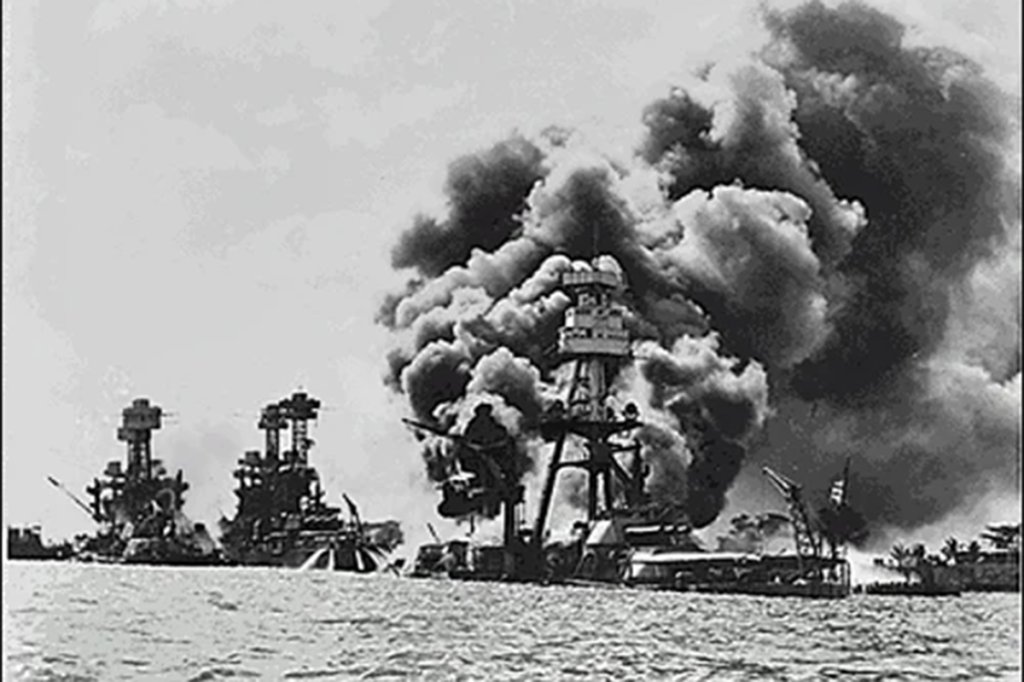
The efforts of Otto Kuehn, his wife Friedel, and stepdaughter Ruth contributed to the deaths of more than 2,400 American service members and civilians on December 7, 1941. Two months later, Otto Kuehn became the only person ever tried and convicted in connection with the attack at Pearl Harbor.
A Letter Began a Search for Answers
“Family of Spies,” a 2025 New York Times bestseller by Christine Kuehn (Otto’s granddaughter), revealed the Kuehns’ sordid history of espionage. Her quest for answers began three decades earlier, when a letter from a screenwriter arrived at her home. In the letter, the writer inquired about whether Kuehn was related to the World War II spies of the same name.
Until then, Kuehn knew very little about her family’s infamous past. Her aunt, Ruth, even attempted to dissuade her from learning more.
“You have a good life,” Ruth told Christine. “Don’t ruin it with the past.”
What Christine learned was shocking. The Kuehns began their illegal activities shortly after arriving in Hawaii in 1935, cozying up to officers in the U.S. naval fleet any way they could. They threw lavish parties for military officials, trying to get them to reveal information about ship movements, including when they would be in port.
Ruth wasn’t an innocent bystander, either. She tried to charm pertinent details out of her targets while dating them. She did the same with their wives and girlfriends after opening a beauty parlor. Ruth engaged the women in conversation about their mates, passing it off as small talk while listening intently for details the Japanese could use.
The Kuehns even stooped so low as to dress up their 10-year-old son, Hans, in a sailor outfit and have him approach real Navy men. Impressed by the cute boy, the real-life sailors sometimes offered to give the innocent-looking youth a tour of their ships. Once the boy returned home, he went through a debriefing.
The Kuehns’ ruse appeared to be working.
Coded Messaging System

"Family of Spies": Christine Kuehn discovers her grandfather's Nazi past
Otto used various methods to relay intelligence to the Japanese.
He devised an elaborate system of eight coded messages. They were sent via lights through the windows of the Kuehns’ home or by hanging sheets on clothes lines, Christine discovered. Other means of transferring information included garbage fires, sailboats, car headlights, and shortwave radios.
Kuehn offered to sell what he knew of U.S. warships in Hawaii to the Japanese in November 1941, the month before Pearl Harbor was attacked. Five days before the harbor was bombed, he wrote down “specific and highly accurate details on the fleet” and handed them over.
Unbeknownst to Kuehn, the FBI had suspected him of spying for some time by that point.
Arrests Made a Day After the Bombing
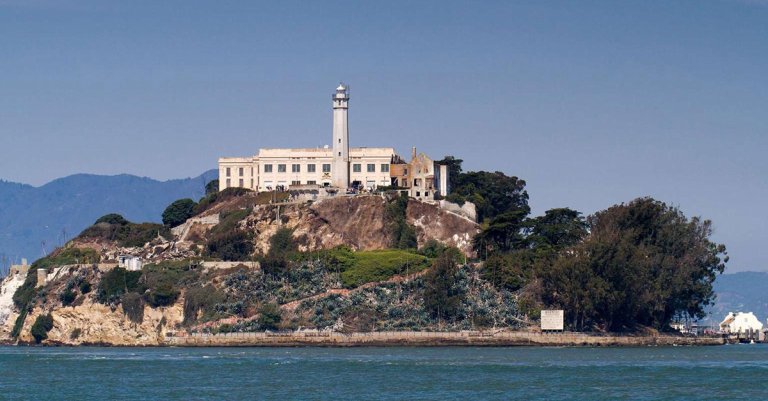
The FBI transferred special agent Robert Shivers to Honolulu in 1939 to investigate the Kuehns, among others. The law enforcement agency, however, didn’t have enough substantial evidence to arrest any member of the family before the bombing.
After the catastrophic attack, Shivers quickly put the Japanese consulate in Honolulu under surveillance. The FBI seized documents that workers there tried to burn. Some of them incriminated Otto Kuehn, prompting Shivers and his team to close in on them.
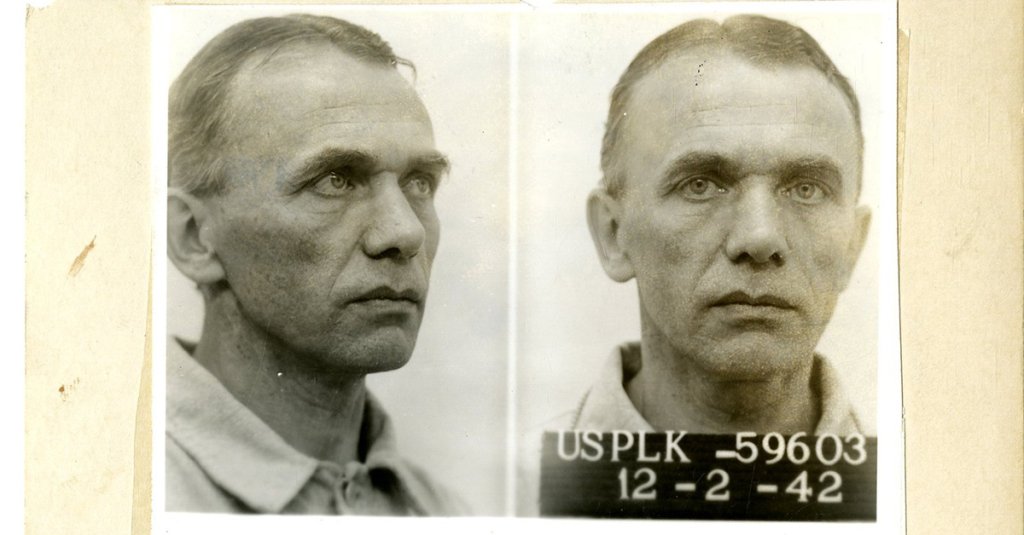
The FBI arrested the Kuehns at midnight on December 8, 1941, according to Christine’s research. Less than three months later, Otto was convicted and sentenced “to death by musketry.”
That punishment was later commuted to 50 years of hard labor at Leavenworth Penitentiary. Otto spent only four years at the Kansas prison before his sentence was commuted so he could be deported back to Germany, a decision that FBI Director J. Edgar Hoover found “astounding.”
One Member of the Family Stayed Behind
The Kuehns were going back where they came from. All except one, that is.
Christine’s father, Eberhard, refused to go. He did not participate in his family’s espionage and struggled with his father’s role in one of the most atrocious attacks in world history. One time, he asked his dad about it, Christine recalled.
“‘Did you do this, and why did you do it?’” Eberhard asked Otto, according to Christine. “And Otto never answered him. And so, my dad got up and he walked out and he never saw his father again.”
In that moment, Eberhard Kuehn showed where his true loyalties lay.
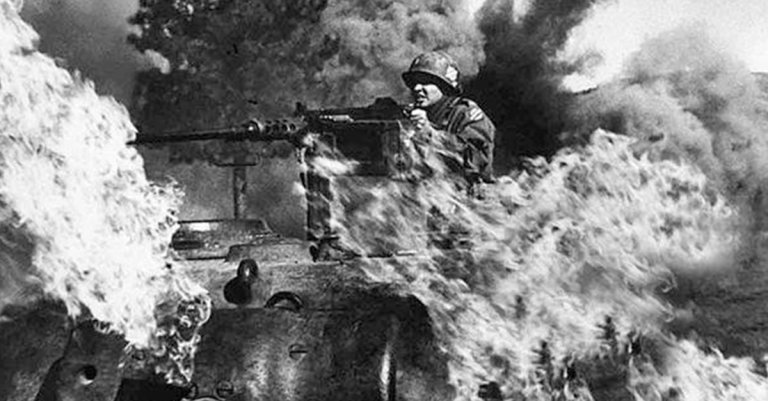
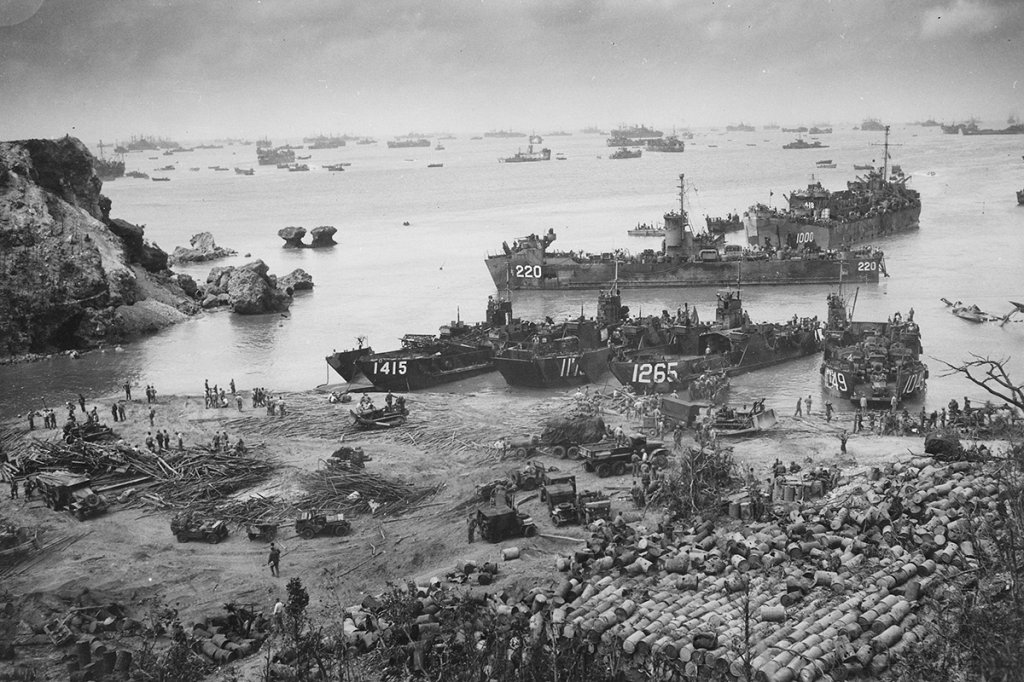
He went ever further, however, enlisting in the United States Army and fighting in the Pacific Theater. Eberhard saw action at the Battle of Okinawa, helping seal the Japanese’s defeat in a war that his family’s betrayal helped start.