
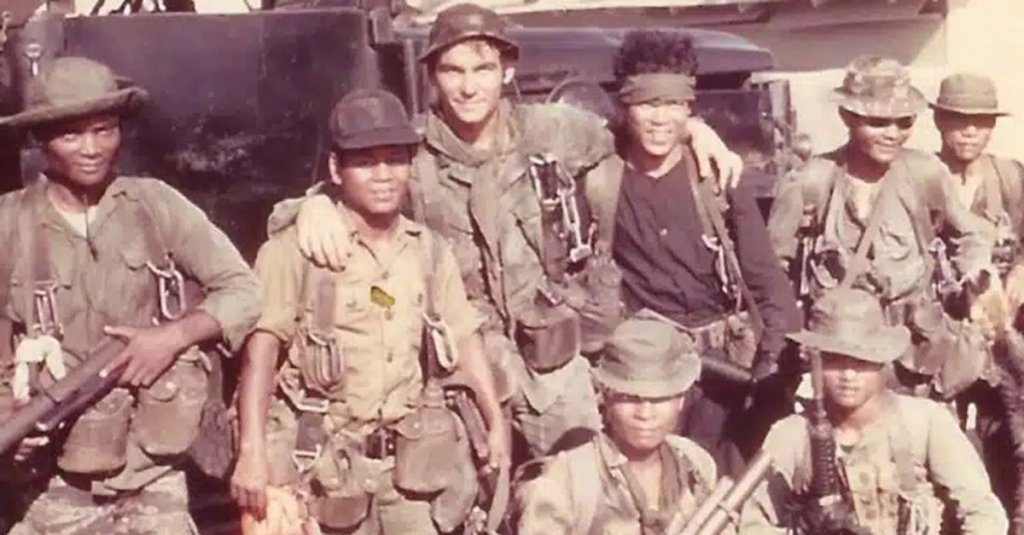
Established on January 24, 1964, MACV-SOG was a multi-service clandestine unit tasked with conducting covert operations before and during the Vietnam War.
Military Assistance Command, Vietnam-Studies and Observations Group personnel consisted of U.S. Army Special Forces, U.S. Navy SEALs, U.S. Air Force air assets, U.S. Marine Corps force reconnaissance. It also included the CIA, which previously was in charge of these missions before SOG took over. Their missions were a mix of rescuing downed American pilots, as well as prisoners of war; conducting psychological operations; killing Viet Cong soldiers; and participating in some of the war’s most dangerous operations.
Also Read: Mike Vining on Vietnam, Delta Force, and the sardines he never ate
They also operated beyond the borders of Vietnam in Laos and Cambodia. The 219th helicopter squadron of the South Vietnamese air force used the H-34 Choctaw (nicknamed the “King Bee”) to insert them there. Plausible deniability was paramount for the U.S., and SOG operators were told that, if captured, their government would deny their activities.
John Stryker Meyer, a former Green Beret, was part of MACV-SOG.
“We were, in effect, spies, although the sergeant major never used that word,” Meyer wrote in his book “Across the Fence: The Secret War in Vietnam.” “He also didn’t tell us that spies had no protection under the Geneva Convention and that we could be summarily executed if captured.”
What These Recon Teams Did
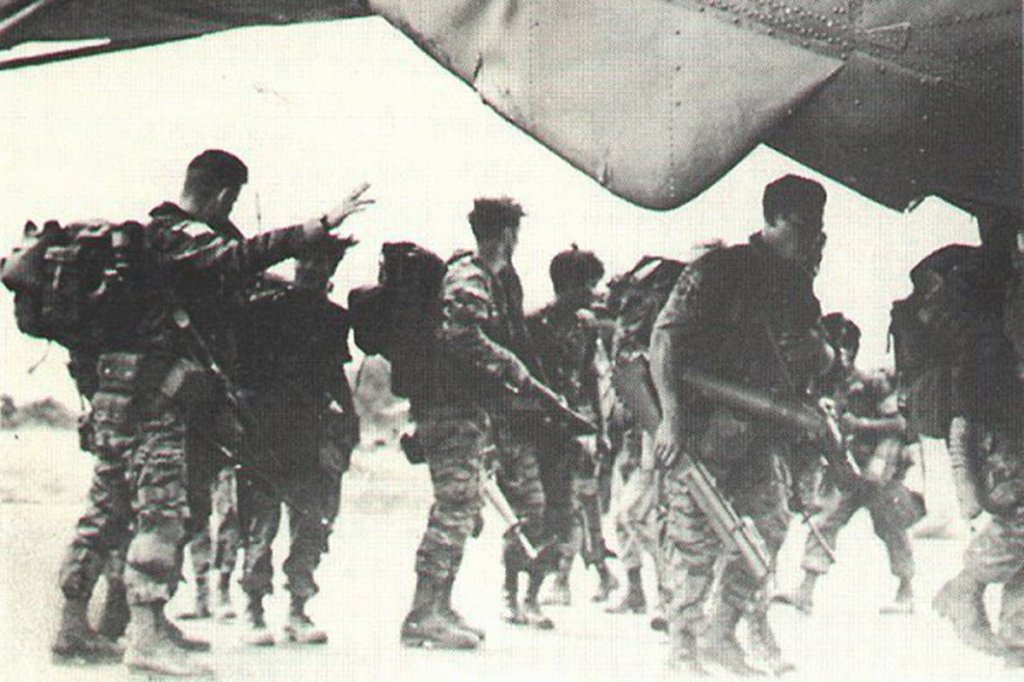
The first MACV-SOG recon teams were initially called “Spike Teams” before they changed the name. Each one usually consisted of three Green Berets and up to nine indigenous mercenaries, normally Montagnards or Nung. Each forward operating base fielded approximately 30 recon teams, which were usually named after U.S. states or snakes.
SOG teams that got into difficulty could call for assistance from U.S.-led reaction forces known as “Hatchet Forces;” these consisted of five Green Berets and about 30 indigenous personnel. Hatchet Forces could also be used for ambushes and to reinforce recon teams when needed.
SOG possessed three command-and-control sites that operated independently. Each was the size of a Special Forces battalion and had reconnaissance, reaction, exploitation, and security forces. Reaction or exploitation forces extracted reconnaissance teams or conducted raids or other assault missions.
MACV-SOG grew in size and mission over the years. Missions were expanded to include strategic reconnaissance, sabotage, rescue, counterintelligence, maritime operations, and bomb damage assessment. They covered the coastal areas of North Vietnam.
SOG was also responsible for psychological operation, or PSYOP, missions. Those included “Voice of Freedom” radio broadcasts into North Vietnam to publicize the advantages of life in the South.
The “Mad Dog”
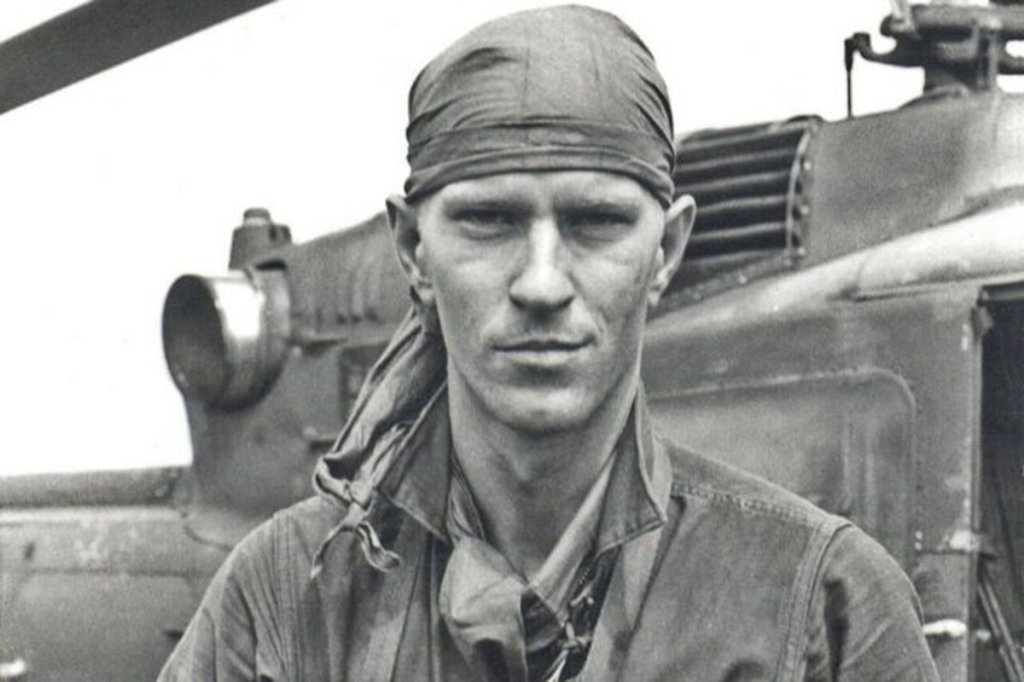
Master Sgt. Jerry “Mad Dog” Shriver was one of the few legends in SOG history. He joined the Army in 1962, went to Airborne School, and became a member of the 101st Airborne. Regarded as the epitome of a warrior, Shriver served in West Germany, then Taiwan, and on to Vietnam with the 5th Special Forces Group.
On April 24, 1969, during his third tour in Vietnam, Shriver and a team were inserted into Kampong Cham Province, Cambodia, and immediately came under heavy fire. During the firefight, Shriver was last seen moving toward a tree line before radio contact was lost.
His team had no choice but to evacuate without him. Shriver was declared missing in action and later promoted in absentia to the rank of master sergeant. Despite later search efforts, no trace of Shriver was found, and the U.S. Army declared him dead in 1974.
“Shriver and the men I served with were professionals doing professional jobs,” retired Col. Bob Killibrew said. “… There’s no question that Jerry went down fighting. It’s my belief that the [North Vietnamese Army] never knew they killed Jerry. If they did, they would have used it for propaganda.”
Impressing Westmoreland
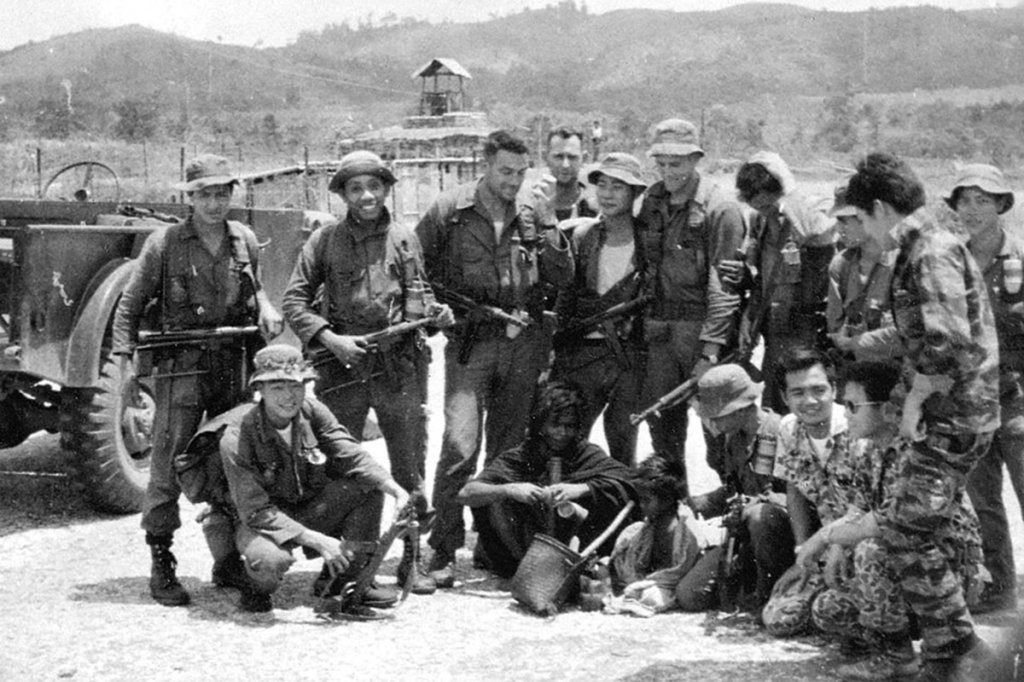
Master Sgt. Dick Meadows was another SOG legend. He volunteered for a tour in Vietnam and served his first tour in 1965 as part of MACV-SOG. Meadows participated in numerous deep reconnaissance missions into Laos and North Vietnam.During one such operation, he captured high-quality film of North Vietnamese soldiers traveling into South Vietnamese territory, which ran counter to North Vietnamese claims.
On another mission, Meadows removed the sights from several enemy artillery pieces. He handed one over to Gen. William Westmoreland. The gesture so impressed Westmoreland that Meadows received a battlefield commission. Meadows went on to lead the first assault team during the Son Tay Prison Raid, searching for American POWs.
Vital Missions
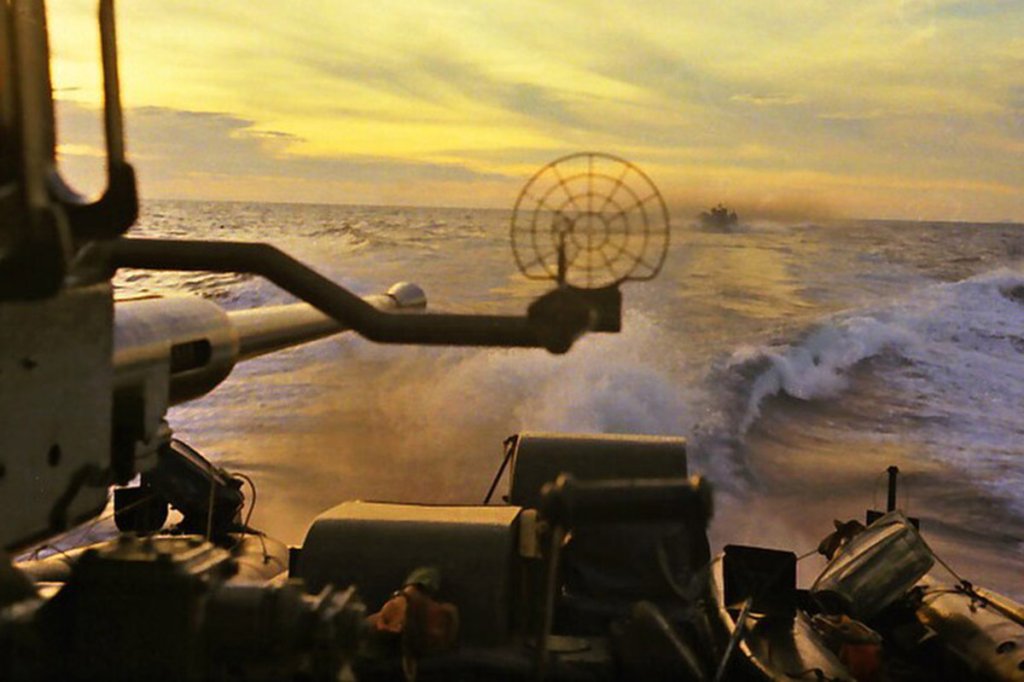
SOG participated in the majority of the significant campaigns of the Vietnam War, such as Operation Steel Tiger. Later named Operation Tiger Hound, it launched to impede the flow of men and materiel on enemy logistical routes such as the Ho Chi Minh Trail.
In 1966 and 1967, SOG operators in the area conducted enemy soldier snatches along the Ho Chi Minh trail and extracted valuable intelligence.
In April 1967, Operation Daniel Boone began to stop the People’s Army of Vietnam (PAVN) from using neutral Cambodia as a staging point for supplies. Cambodian leader Prince Norodom Sihanouk allowed North Vietnam to set up a presence in Cambodia. While the North Vietnamese improved infrastructure—such as Highway 110, which helped modernize its logistical system—North Vietnam unloaded communist-flagged transports at the port of Sihanoukville and trucked the cargo to its bases in the south.
Then there was Operation Lam Son 719, which the armed forces of South Vietnam carried out from February 8 to March 25, 1971. The U.S. provided logistical and aerial support. The campaign’s primary objective was to disrupt a possible future offensive by the People’s Army of Vietnam, using the logistical system in Laos, known as the Ho Chi Minh Trail. Another objective was that a quick victory in Laos would improve the morale and confidence of the Army of the Republic of Vietnam and prove that South Vietnamese forces could defend their nation amid the continuing withdrawal of U.S. ground forces from the country.
“Vietnamization”
Around 1970, the “Vietnamization” of the war and the beginning of the U.S. forces’ withdrawal from Southeast Asia affected SOG operations. In March 1971, the 5th Special Forces Group, the largest source of operators for the unit, returned to Fort Bragg, North Carolina.
On April 30, 1972, officials deactivated the unit. MACV-SOG became the Strategic Technical Directorate Assistance Team 158 and began to transfer its mission to the Army of the Republic of Vietnam as part of the Vietnamization program.
MACV-SOG was the first Special Operations Joint Task Force formed to support a theater-wide campaign. SOG is credited with providing most of the intelligence on the Ho Chi Minh Trail. The unit created tactics that are still in use today. Nine SOG operators received the Medal of Honor, and the unit received a Presidential Unit Citation.
Don’t Miss the Best of We Are The Mighty
• Operation Eagle Claw: The story behind the failed hostage rescue in Iran
• How the US protected ‘utterly irreplaceable’ documents during World War II
• The third Delta Force sniper you didn’t see in ‘Black Hawk Down’
Featured
Loading comments…
Comments couldn’t be loaded. Please refresh the page.