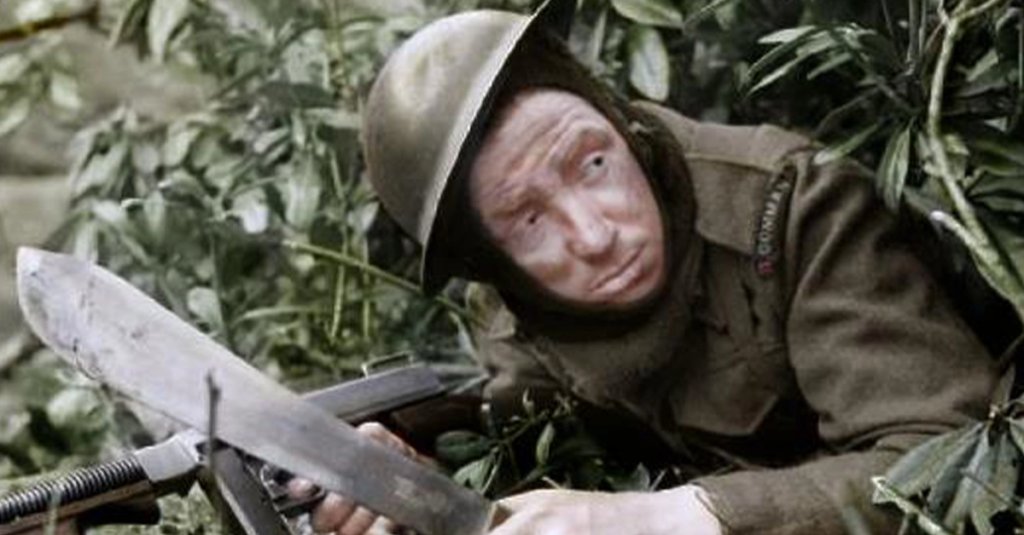
If you’ve ever walked past that $25 “knife” in the garden aisle at Home Depot, you might have dismissed it like you did Blade 3, as just a dull blade; you’re not wrong… about either. You’re just not entirely correct… about the machete.
Related: Myths and facts about the rifle that never quits: the AK-47
That basic-looking blade was not only made iconic by Pamela and Jason Voorhees; it is the grandfather of the one you’ll find in a modern combat kit, and it has cut a bloody swath through history, as well as through vegetation, across the globe.
This isn’t a sword, a rapier, or some nobleman’s weapon either. It was only an appliance until the noblemen got too pushy, which is precisely what made it so much more dangerous. So, sit back, and let our community take you through the eventful evolution of the machete.
That’s Not a Knife…

Let’s clear the air on this one immediately. The machete was never intended to be a weapon, any more than a shovel or a hammer. It wasn’t forged for knights in medieval days to fight in tournaments, as some bad intel would suggest. You’re much more likely to see them wielded by struggling actors on “Survivor” than when you rewatch “Game of Thrones.”
It was born in agriculture. Long before it was being used to chop down promiscuous counselors at Camp Crystal Lake, it was designed to do one thing: work. Specifically, whack through sugarcane, clear brush, and handle any utility task that required more “oomph” than a knife and less precision than an ax. They were cheap to make, easy to use, and simple to sharpen on a rock when needed.
A sword, on the other hand, is a high-maintenance, single-purpose item. It’s for killing people; more accurately, for hacking and slashing people until they quit doing whatever it was they were doing at the moment. A machete is for… well, hacking and slashing too, but for slashing brush, hacking open coconuts, and whatever else you might find the need for. That “whatever else” is where things start to get a bit dicey (no pun intended).
The Jungle Warfare Draftee
Soldiers drafted the machete the second they hit an area of operations where the foliage fought back harder than the enemy. Although little time would pass before the distinction between flora and fauna would blur significantly
It really took off for U.S. troops in the Pacific in World War II. The American-issued Bolo, a heavy-tipped cousin of the machete, and the Filipino guerrillas who mastered it, proved the blade’s worth. It wasn’t just for fighting; it was for surviving. Building shelters, clearing paths, and opening rations, oh my.
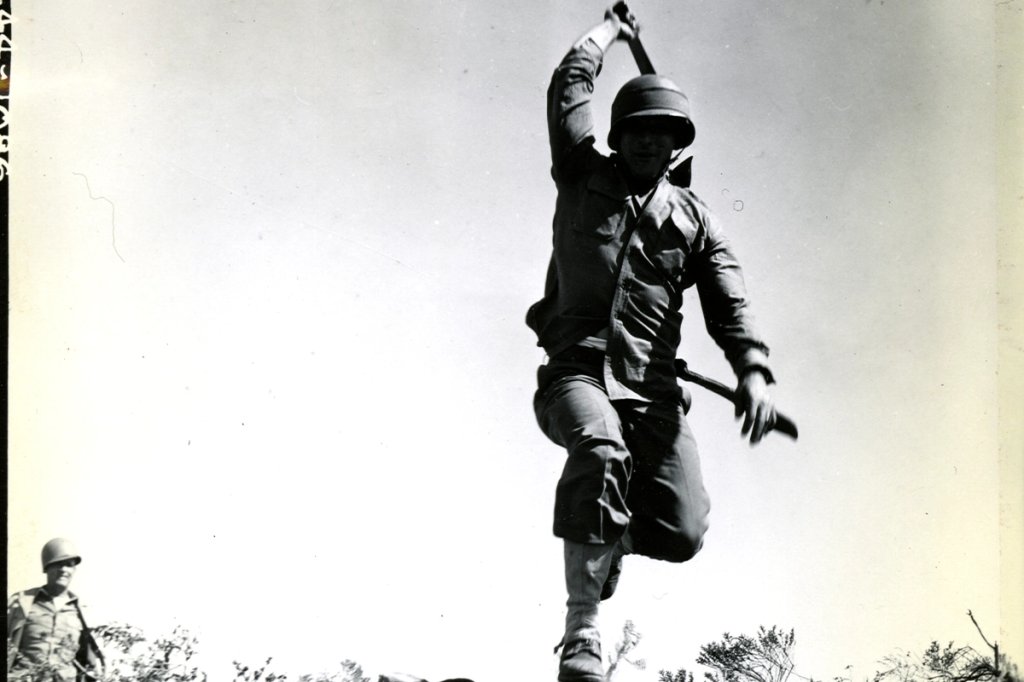
But Vietnam is where the machete became a standard-issue hero of the jungle. You couldn’t move ten feet without one. That “thwack-thwack-thwack” of the point man wasn’t just him being a tactical nightmare; it was the sound of the machete clearing a patrol path or, more urgently, carving out a landing zone for a MEDEVAC. It was the only item that could handle the environment. There are, of course, other environments where it wasn’t as magnanimous.
Triumph and Tragedy
What happens when an instrument designed to assist humans is used as a psychological weapon against them?
This isn’t army-on-army anymore. This is now about asymmetric warfare. For example, one peasant with a machete is a farmer. A hundred peasants with machetes, that’s the beginning of a force capable of disturbing the status quo. If you believe this is hyperbole, please feel free to ask the Spanish about the Cuban Macheteros during their Ten Years’ War.
The machete turned out to be a great equalizer. It’s scary because it’s nothing more than a standard farm utensil, available to anyone. It’s also a symbol of pure, unadulterated rage, whether it’s at an invader or some inconvenient bamboo. The reputation as a weapon of terror was cemented in conflicts like the Rwandan genocide, where it was, unfortunately, one of the primary instruments used. It’s a touchy topic, but it’s the truth as well as its legacy.
An Oldie, But a Goodie
So, why is this thing still in a military kit during the age of drones and smart munitions? Just a blade and a handle, nothing more?
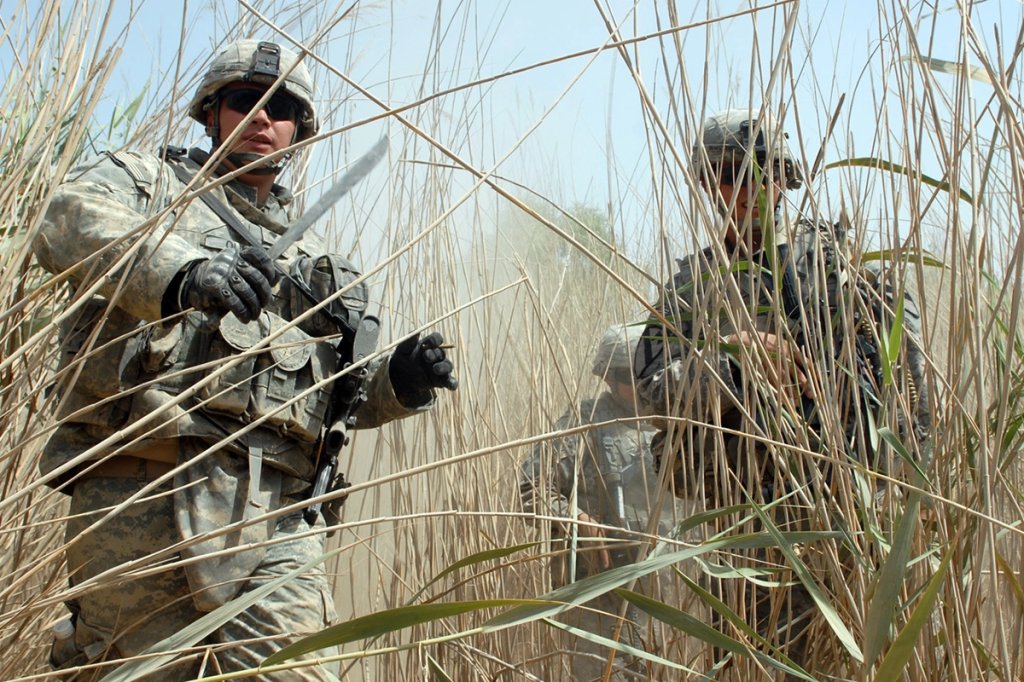
Look at that Gerber or Ontario machete with the saw-back; it’s the ultimate emergency item. It’s a pry bar, a shovel, a weapon, and yes, a weed whacker. It should be on a poster with a tiny kitten climbing a fence and captioned “getting crap done.”
You’re not carrying it because you want to jump-scare your platoonmates in the field as they return from the showers at night…well, yeah, you are. However, you’re also carrying it because you will need it for some inglorious, tedious task. This is a tool, not a toy, and it’s earned its keep, plus some respect.
So there it is. Next time you pass that $25 ‘knife’ in the garden aisle, give it a little nod. The machete isn’t glamorous by any means. It’s not a high-speed piece of gear you post with on Instagram. You’ll have a higher probability of finding one rusted in your grandpappy’s yard than in a museum.
But this is what makes it so special. It’s the humble, reliable E-Tool of the blade world. It has earned its spot on the line, from historic uprisings to the sugarcane fields of South America, to the jungles of Vietnam, and back to your garden shed. Respect the machete, because only chores and circumstances keep it from starting revolutions. And yeah, it’ll always still be great for “trimming” your neighbors’ encroaching shrubbery.