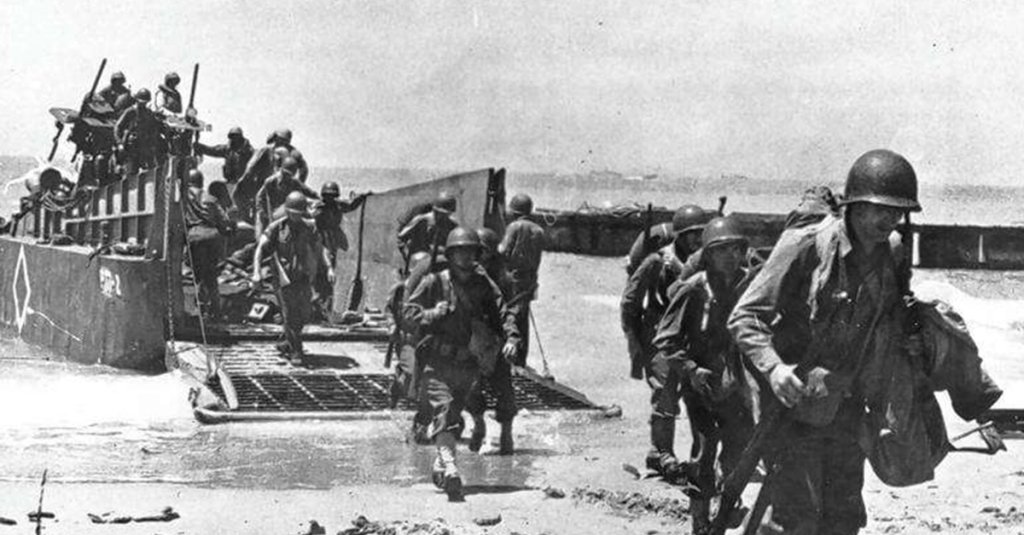
During World War II, the United States government entered into one of the most secretive and unexpected alliances in American history. Faced with the threat of Axis sabotage along the East Coast and desperate to secure the nation’s most critical shipping lanes, the U.S. Navy’s Office of Naval Intelligence (ONI) initiated Operation Underworld, a clandestine partnership with leading figures of Italian and Jewish organized crime.
Related: The Gambino Mafia family once shook down Steven Seagal
Though morally fraught, this cooperation played a significant role in protecting the American war effort while reshaping the evolution of organized crime in the post-war era.
Why the Mob?
By early 1942, the situation along the American coastline was dire. German U-boats prowled the Atlantic, sinking merchant vessels and threatening to cut off crucial supply lines. New York Harbor, the busiest port in the world, served as the heart of U.S. military logistics. Any disruption to its operations could cripple the Allied effort.
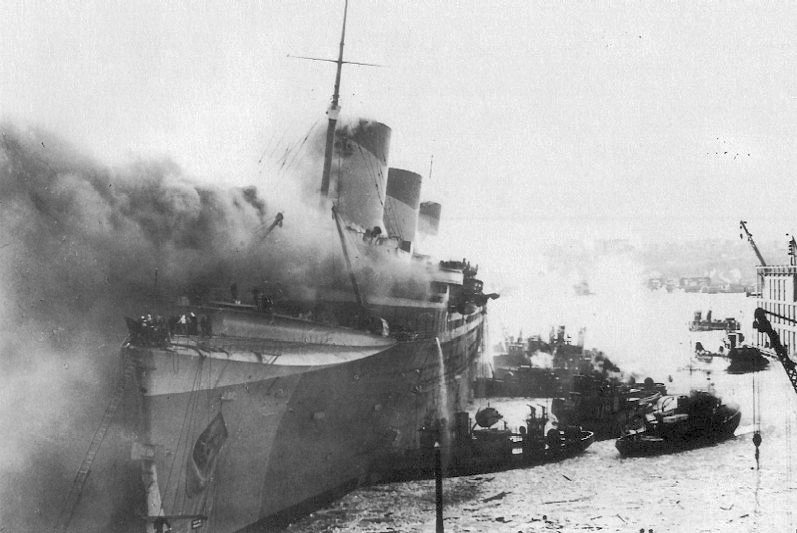
Fears intensified after officials discovered the Duquesne Spy Ring and after a tragic fire aboard the SS Normandie on February 9, 1942. The ship, then being converted into a troop carrier, capsized at its pier in New York. Although investigators later determined that the fire was accidental, the public and many in government believed it to be the work of Nazi saboteurs. Whether sabotage or not, the incident exposed how vulnerable the docks truly were.
The challenge was compounded by federal agencies’ limited influence on the waterfront. The communities surrounding the harbor were thick with distrust of outsiders, and ONI believed German agents were known to be operating within those neighborhoods. Even more problematic, the government quickly realized that the longshoremen’s unions, pier assignments, and most day-to-day dock operations were controlled not by law enforcement but by organized crime.
The Mafia’s Rise to Waterfront Power
Understanding why the Navy needed the Mafia involves examining the decades-long growth of organized crime. During Prohibition, America’s criminal syndicates expanded dramatically, fueled by illegal liquor profits that paid for bribery, intimidation, and political influence. Their wealth allowed them to take over labor unions, including those that controlled key markets and shipping lines.
Italian-American families such as the Luciano crime family built empires through racketeering and union dominance. Jewish crime networks, led by influential figures like Meyer Lansky, operated in overlapping territories, especially in the dense immigrant neighborhoods of New York. By the early 1940s, mob influence over key New York docks and unions was so deep that much of the waterfront operated at their pleasure. They ran the piers, regulated labor, and controlled the information flowing in and out of the waterfront—all areas the government urgently needed access to once the war began.
Forging the Pact
The ONI, led by officials such as Capt. Roscoe MacFall and Cmdr. Charles R. Haffenden understood that formal law enforcement channels could not penetrate the complexities of the waterfront underworld. To secure the coast, they needed the cooperation of men who commanded respect and obedience from the longshoremen.
One such figure was Joseph “Socks” Lanza, the powerful racketeer who dominated the Fulton Fish Market. Lanza controlled the distribution of seafood, the hiring of workers, and the flow of goods through the market—a role that gave him enormous leverage over the docks. Despite his criminal activities, Lanza considered himself a patriot and agreed to help the Navy monitor the waterfront, reduce labor unrest, and report suspicious activities.
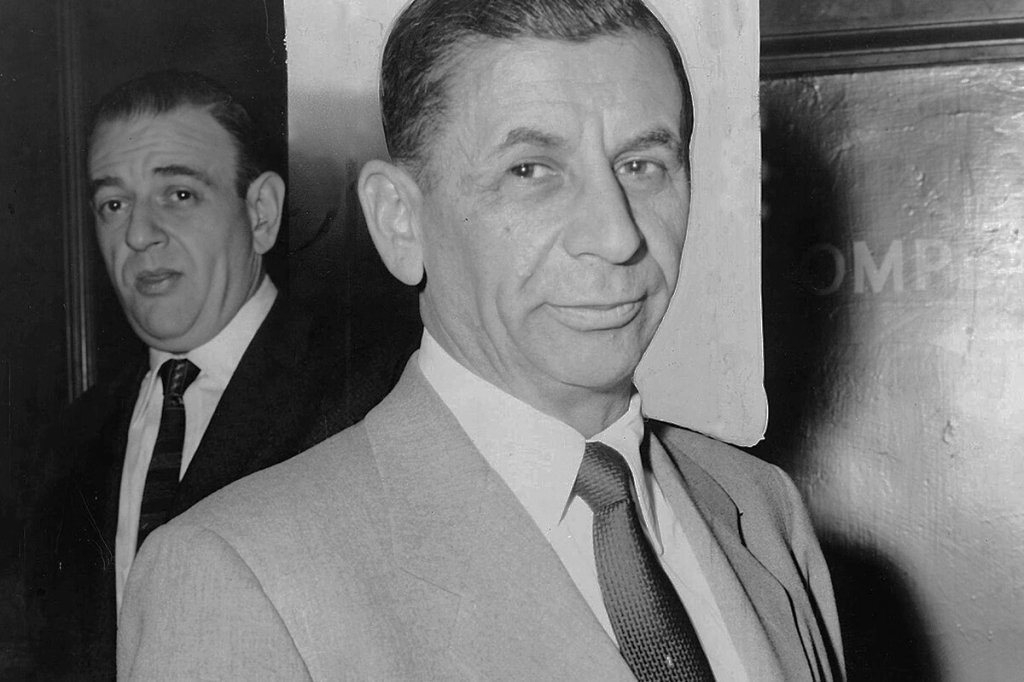
But the operation required a bigger figure to unify the various Mafia factions. This brought ONI to Charles “Lucky” Luciano, then imprisoned at Dannemora on a vice conviction. From his cell, Luciano still wielded immense authority across New York’s criminal families. ONI believed his influence could bring stability to the docks and, perhaps even more crucially, help the Allies plan future operations in Sicily. Negotiations—facilitated by Lansky—eventually led Luciano to lend his support to the government’s cause.
Securing the Waterfront
Once the alliance was forged, Operation Underworld produced immediate and dramatic results. Through Mafia influence, ONI gained access to an intricate informal surveillance network that stretched from bars and markets to warehouses and union halls. Dock workers began reporting suspicious behavior, questionable shipments, and individuals who might be Axis sympathizers.
The Mafia’s involvement also stabilized longshoremen’s unions, reducing the risk of strikes that could slow the movement of wartime cargo. Government officials noted sharp declines in theft, disruptions, and violent conflict along the piers. The docks, once chaotic and vulnerable, now operated with a level of order and efficiency the Navy had struggled to achieve on its own.
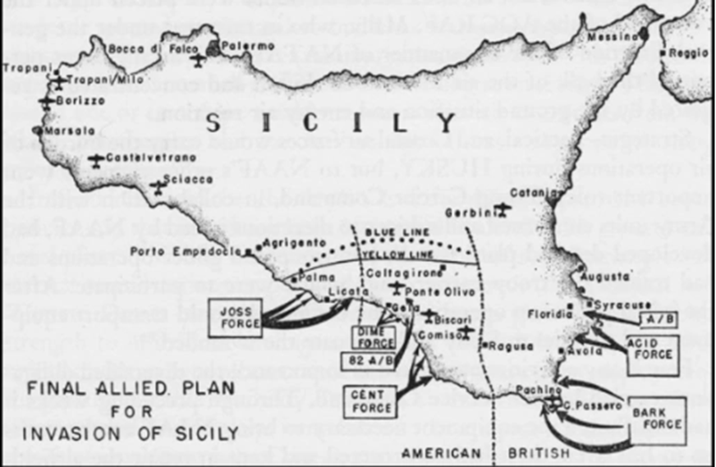
The alliance even extended overseas. When the Allies prepared for Operation Husky, the 1943 invasion of Sicily, Luciano’s contacts provided invaluable information about the island’s terrain, political climate, and local Mafia figures opposed to Mussolini’s regime. Accounts from the period suggest that these contacts aided American troops in navigating the island after landing—another example of how deeply the underworld had become entwined with the war effort.
Victory and Unintended Consequences
In 1946, with the war over and his cooperation acknowledged, Gov. Thomas E. Dewey commuted Luciano’s sentence. Luciano was deported to Italy, where he continued to exert influence from abroad. Other mob leaders benefited as well, gaining power and legitimacy from the government’s wartime reliance on their services.
Operation Underworld remained classified for decades, largely because of the political embarrassment it posed. A government that had vowed to destroy organized crime had, in its hour of greatest need, partnered with the very forces it had condemned. The alliance succeeded in its immediate goal of protecting the East Coast and supporting Allied military operations, but it also strengthened the Mafia’s post-war authority across unions and industry.
Teaching Operation Underworld: Lessons for the Classroom
When I teach my 11th-grade U.S. History students about World War II and the home front, I often include Operation Underworld as a case study. It perfectly illustrates the old adage, “The enemy of my enemy is my friend,” showing how wartime necessity forced the U.S. government to partner with unlikely allies. Students are fascinated by the moral ambiguity and the way strategy sometimes overrides conventional ethics.
There are several ways to teach this content effectively:
- Role-Playing Simulations: Assign students to represent the U.S. government, Mafia leaders, and dockworkers. Have them negotiate solutions to sabotage threats and labor disputes, demonstrating how alliances of convenience form under pressure.
- Primary Source Analysis: Examine declassified Navy and FBI documents, contemporary newspaper accounts, or court records of figures like Luciano and Lanza. Students can analyze how the government justified working with criminals and debate the morality of such decisions.
- Case Study Discussion: Use Operation Underworld as a springboard to discuss broader home front challenges, including rationing, labor strikes, and civil defense, highlighting the intersection of crime, government, and wartime strategy.
- Creative Projects: Students can create newspaper articles, podcasts, or digital presentations “from the perspective” of key players, exploring the risks and benefits of the alliance.
By using these strategies, students gain a richer understanding of WWII, seeing that history is not just about heroes and villains but also about complex decisions made in extraordinary circumstances.
A Pact Born of Necessity
Operation Underworld stands as one of the most striking examples of wartime pragmatism in American history. Faced with the urgent threat of Axis sabotage, the U.S. government turned to an unlikely ally—the American Mafia—to safeguard vital supply lines and provide intelligence that federal agents could not obtain on their own.
This secret partnership not only protected the nation during one of its darkest hours but also reshaped the balance of power between the government and organized crime. It is a reminder that in times of war, the lines between legality, necessity, and morality can blur, leaving behind a legacy both indispensable and deeply controversial.
Don’t Miss the Best of We Are The Mighty
• How US troops quietly crushed Russian mercenaries in Syria
• The time an F-15 set off an earthquake panic
• The US plan to nuke its interstate highways into existence

Sponsored Content